
Why Most Budgets Fail Before Month Three
Most budgets fail not because people lack discipline, but because the system they built wasn't designed to survive real life. A missed payment, an unexpected car repair, or a birthday dinner is enough to derail a budget that has no room to flex. The habits that actually hold up over years are structurally different - they account for human nature, irregular expenses, and the inevitable surprises that come with being a person.
If you've ever felt like budgeting just "doesn't work for you," you may have encountered a common set of misconceptions that stop people before they find a workable approach. The truth about budgeting myths can help clear the mental roadblocks before you build new habits.
The principles below come from patterns observed among people who budget consistently over years - not months. They're practical, grounded, and designed for real income and real expenses.
The Core Habits That Actually Last
These aren't hacks or shortcuts. They're structural habits that remove friction and make staying on budget the path of least resistance.
Automate your savings transfer on payday, before you touch a dollar.
Willpower is unreliable and finite. When savings happen automatically at the moment income arrives, the decision is already made - you spend what's left rather than saving what's left over. This single structural change is one of the most consistently cited habits among long-term budgeters.
Budget for irregular expenses monthly, even when they aren't due yet.
Car registration, annual subscriptions, holiday gifts, and dental visits aren't surprises - they're predictable costs with unpredictable timing. Failing to account for them monthly means robbing your regular budget when they arrive. Spreading these costs across twelve months keeps the budget stable.
Schedule a monthly budget review - block it on your calendar like an appointment.
A budget set up once and never revisited drifts out of alignment with actual spending within weeks. Monthly reviews catch category mismatches early, allow adjustments for life changes, and reinforce awareness of where money is going. Consistent review is what separates budgeters who last from those who abandon the process.
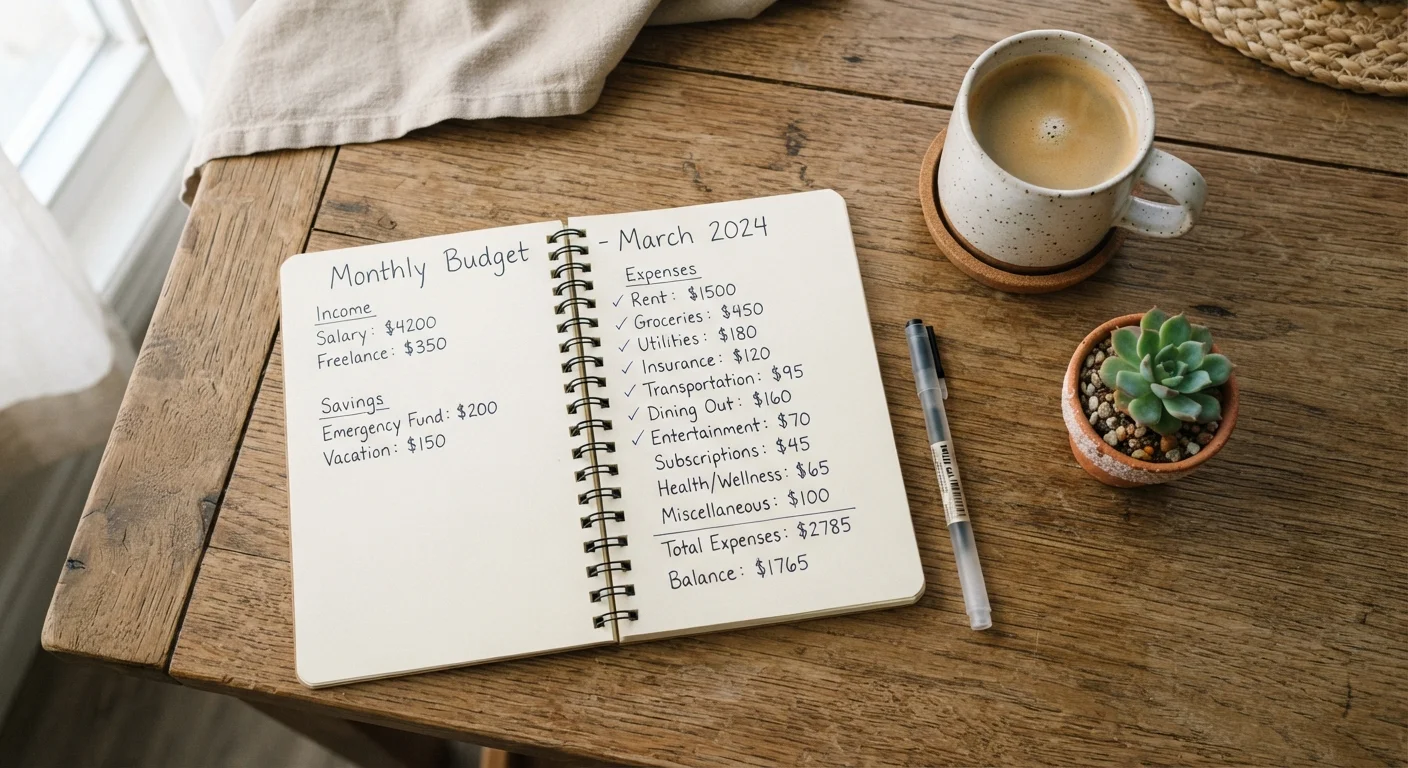
Build a 'friction fund' - a small buffer inside your budget for life's small disruptions.
A zero-margin budget breaks the first time something unexpected happens. A modest internal buffer of $50-$100 per month labeled for miscellaneous or unexpected costs prevents the psychological crash that comes from blowing the budget entirely. It also reduces the temptation to abandon the system when reality doesn't match the plan.
Anchor your budget to explicit personal values, not abstract financial goals.
Motivation built around vague goals like 'spend less' fades quickly. When spending categories are tied to what actually matters - family security, travel, early retirement, reducing stress - the trade-offs feel purposeful rather than punitive. Values-based budgeting creates intrinsic motivation that outlasts initial enthusiasm.
For those earning inconsistent income - freelancers, gig workers, or anyone with seasonal paychecks - these habits require one additional layer of planning. See strategies for budgeting on an irregular income to adapt these principles to unpredictable cash flow.
Start With What You Can Do Today
Building durable habits doesn't require overhauling your entire financial life at once. Small, structural changes made today compound into meaningful results over time. The goal is momentum, not perfection.
Once the basics are stable, layering in a savings buffer becomes the natural next step. Building a savings safety net on a tight budget walks through realistic approaches even when income feels stretched. For broader saving and coverage guidance, the Saving & Insurance hub is a useful ongoing resource.
This article provides general financial information and education only. It is not personalized financial advice. For guidance specific to your situation, consult a qualified financial professional.