
Why Principles Matter More Than Price Tags
Budget-conscious dressing isn't about settling for less - it's about making decisions that hold up over time. The shoppers who consistently look put-together aren't necessarily spending more; they're applying a consistent set of principles that work regardless of season, trend cycle, or income level.
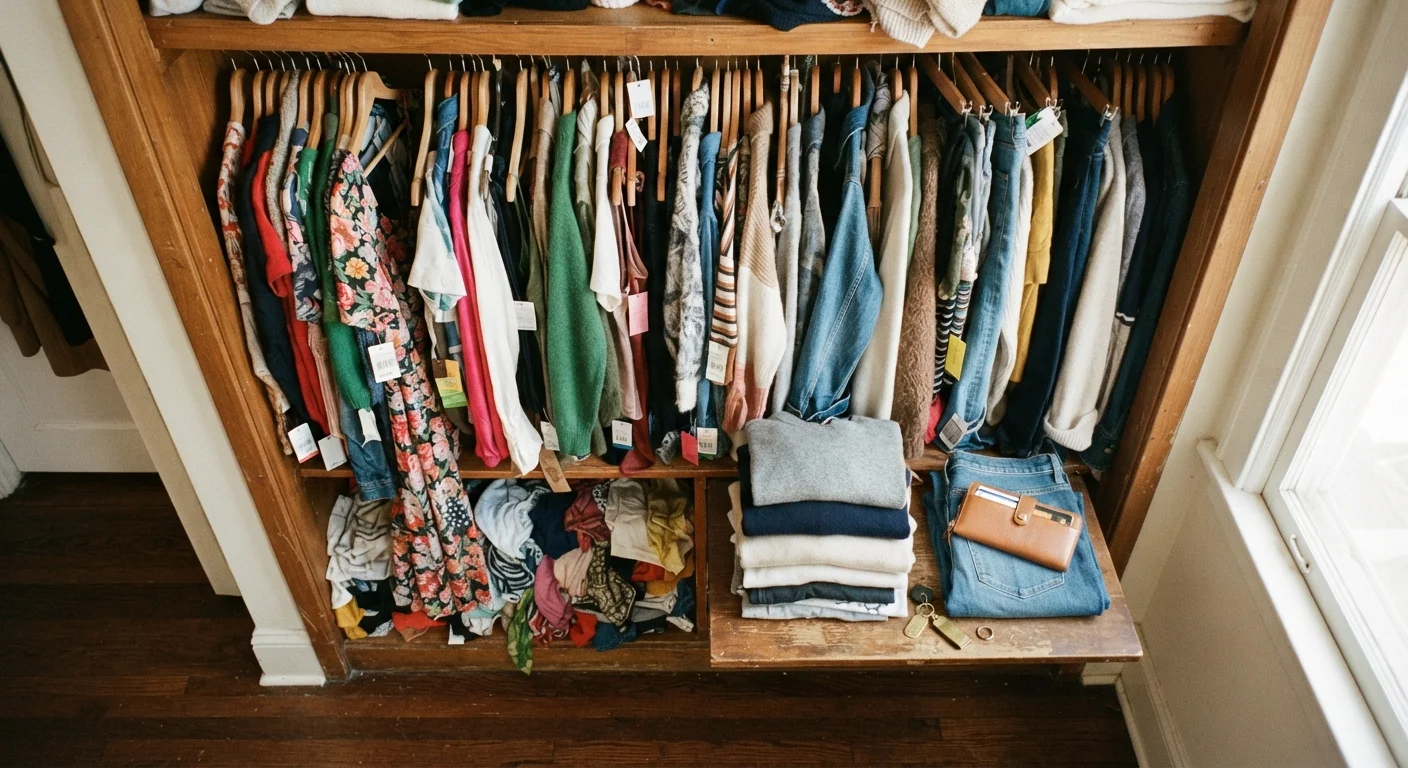
The most common wardrobe trap is reactive spending: buying items in response to a sale, a trend, or a vague sense that the closet feels stale. That pattern leads to clutter, regret, and - counterintuitively - fewer usable outfits. Understanding common wardrobe habits that drain budgets is often the first step toward spending less and wearing more.
The principles below aren't trend-specific or season-dependent. They apply whether you're shopping in January or July, building from scratch or refining what you already own.
Core Practices for Dressing Well Without Overspending
These foundational habits form the backbone of a wardrobe strategy that stays effective through every season.
Prioritize fit above all other considerations when evaluating any garment.
Fit is the single biggest visual indicator of whether clothing looks intentional or sloppy. An inexpensive, well-fitted piece consistently outperforms a costly one that doesn't suit your proportions. Poor fit also leads to items that go unworn, which is the opposite of value.
Build around a core of versatile, neutral basics before adding variety.
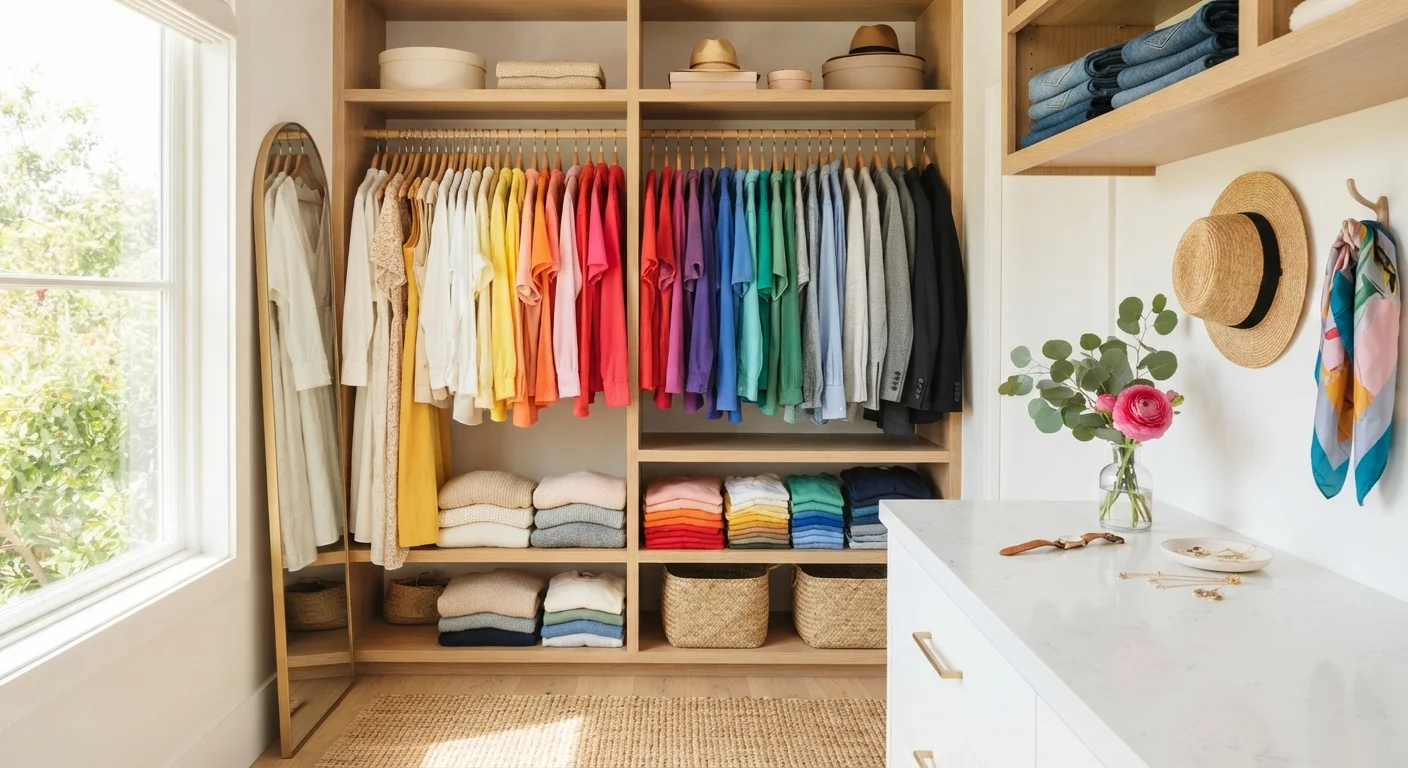
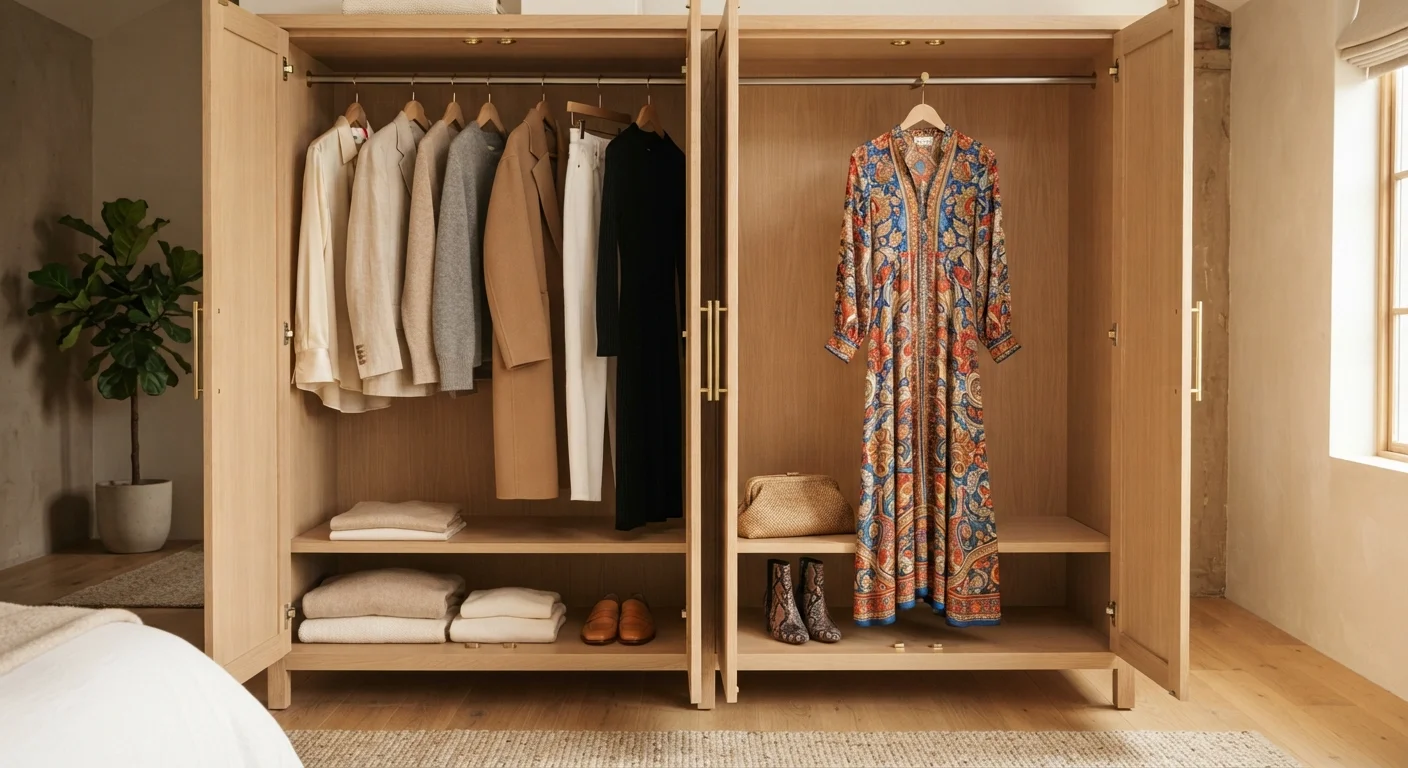
Neutral basics act as wardrobe multipliers - they pair with nearly everything, layer easily across seasons, and resist going out of style. Without this foundation, even a large closet can feel like it has nothing to wear because pieces don't connect to each other.
Evaluate purchases using cost-per-wear, not sticker price alone.
Sticker price is the least useful measure of clothing value. An item's true value depends on how often it will actually be worn. Frequent wear at a moderate price is a better investment than a cheap item worn once or an expensive item worn rarely.
Conduct a wardrobe audit before any significant shopping trip.
Buying without knowing what you already own leads to duplicates, missed opportunities to style existing pieces, and spending on items that don't address real gaps. An audit also reconnects you with clothes you'd mentally written off.
Invest slightly more in high-frequency items and spend less on low-frequency pieces.
Not all clothing categories deserve equal budget weight. Items worn daily - like shoes, jeans, or a go-to jacket - benefit from better construction that holds up over time. Occasional-wear items, like festive tops or seasonal novelties, can reasonably come from lower-cost sources.
Choose items that work across at least three distinct outfits before buying.
The three-outfit rule is a practical decision filter that reduces impulse purchases. If you can't readily picture an item combining with at least three things you already own, it's likely to sit unused - regardless of how appealing it looks on a hanger.
Start With What You Already Own
Before purchasing a single new item, it's worth taking stock of your existing wardrobe. Most people own more wearable clothing than they realize - pieces that are underused, buried, or forgotten. A wardrobe audit checklist can surface hidden gems, expose true gaps, and prevent duplicate purchases that waste money.
Audit Before You Add
A wardrobe audit works best when you treat it as a regular habit rather than a one-time event. Even a brief seasonal check-in - 20 minutes, twice a year - keeps your closet reflective of your actual life rather than your past purchases. It's also the most reliable way to shop with intention instead of impulse.
Once you know what you have, the next question is what actually earns its place. Neutrals - think navy, white, grey, tan, and black - anchor outfits and pair with almost everything. Statement pieces add personality but need to work alongside what you already own. Understanding how to balance neutrals and statement pieces prevents impulse purchases that sit unworn.
Make Every Dollar Work Harder
Smart budget dressing means evaluating value differently. The cost-per-wear formula reframes how you assess any price tag: divide the item's cost by the number of times you realistically expect to wear it. A $60 pair of trousers worn 80 times costs $0.75 per wear; a $20 novelty top worn twice costs $10 per wear.
This same logic applies when deciding between secondhand and new. Thrift store shopping versus fast fashion each has real trade-offs depending on your wardrobe goals, time, and what you're looking for. Neither is universally better - context matters.
Accessories are another high-leverage tool. A few well-chosen pieces - shoes, bags, belts - can meaningfully shift the look of an entire outfit without requiring new clothing. See how accessories multiply wardrobe options for a practical breakdown.
~70%
Of wardrobe items rarely or never worn
Research cited by sustainability analysts suggests most people regularly wear only about 20-30% of their wardrobe, leaving the majority of owned clothing largely unused.
3x
Outfit potential added by key accessories
Style educators frequently note that a small set of versatile accessories - shoes, bags, belts - can triple the number of distinct looks from a fixed set of clothing pieces.