Why a Pre-Week Check Matters
Starting a week of balanced eating without any preparation is like setting off on a road trip without checking the gas tank. A few minutes of upfront planning - reviewing what you have, what you need, and how meals will flow across the week - dramatically increases the chance that you'll actually eat well when life gets busy.
This checklist is designed for everyday Americans who want to eat more nutritiously without overhauling their lives or overspending at the grocery store. Whether you're cooking for one or feeding a household, these checks help you build a realistic, balanced week of meals. For a deeper grounding in the fundamentals, see our complete nutrition reference before diving in.
Work through the checklist below - ideally on a Sunday or the evening before your main grocery run - to set yourself up for success.
Grocery list (paper or app)
Captures what you need to buy based on your pantry audit and meal plan, reducing impulse purchases.
Meal planning template or notebook
Maps out meals for the week so you can visualize variety and identify gaps before you shop.
Kitchen scale
Helps with batch-cooking accurate quantities of grains and proteins to minimize waste.
Airtight food storage containers
Keep prepped ingredients and batch-cooked foods fresh throughout the week.
Your Pre-Week Nutrition Checklist
The checklist is organized into four areas: pantry and fridge readiness, meal planning and variety, label awareness at the store, and practical prep habits. Tackle them in order for the smoothest experience.
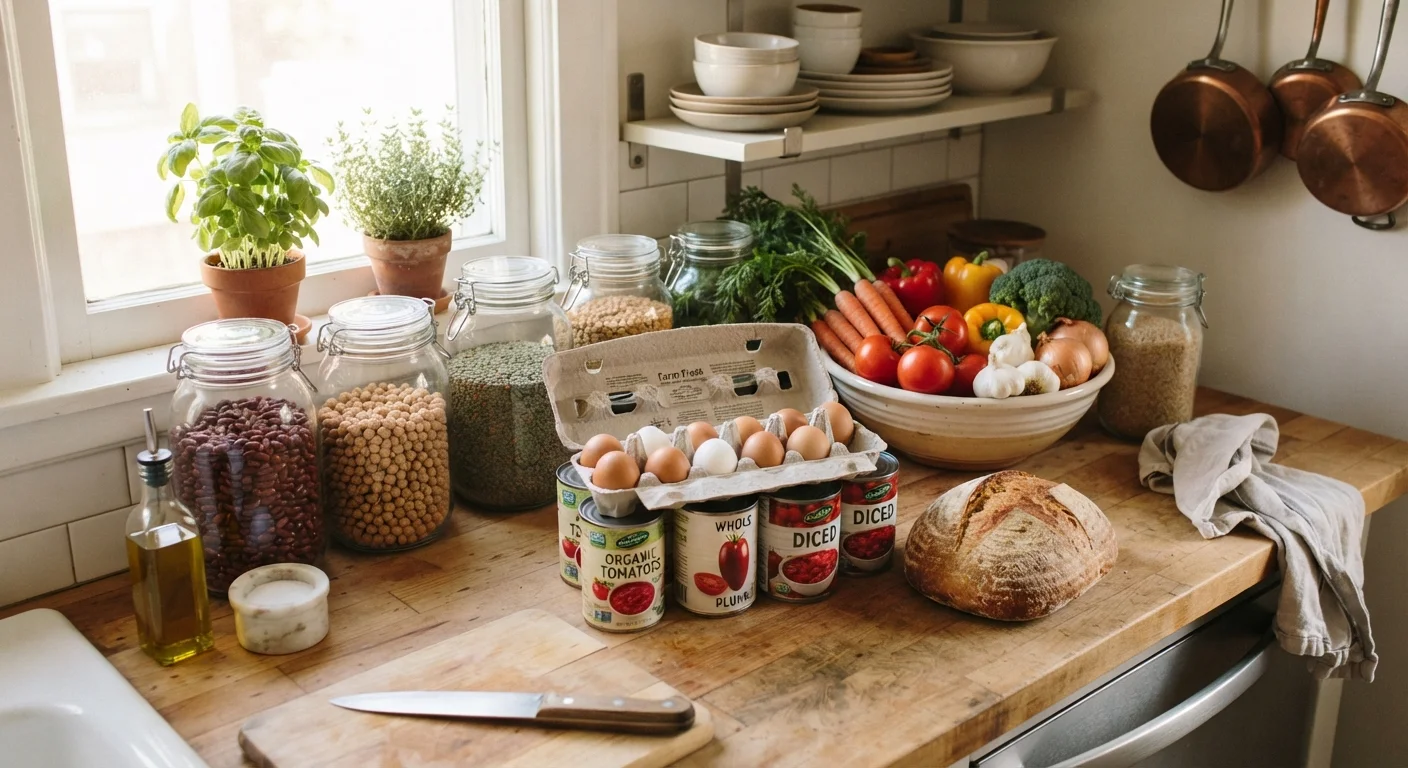
Pantry & Fridge Audit
Meal Planning & Variety
Smart Label Reading at the Store
Practical Prep Before the Week Begins
Don't Over-Plan at the Expense of Flexibility
Mapping out every meal in rigid detail can backfire - plans that don't bend tend to get abandoned by Wednesday. Build in two or three flexible meal slots that can accommodate what's on sale, what's leftover, or what's expiring. A good weekly eating plan is a guide, not a contract.
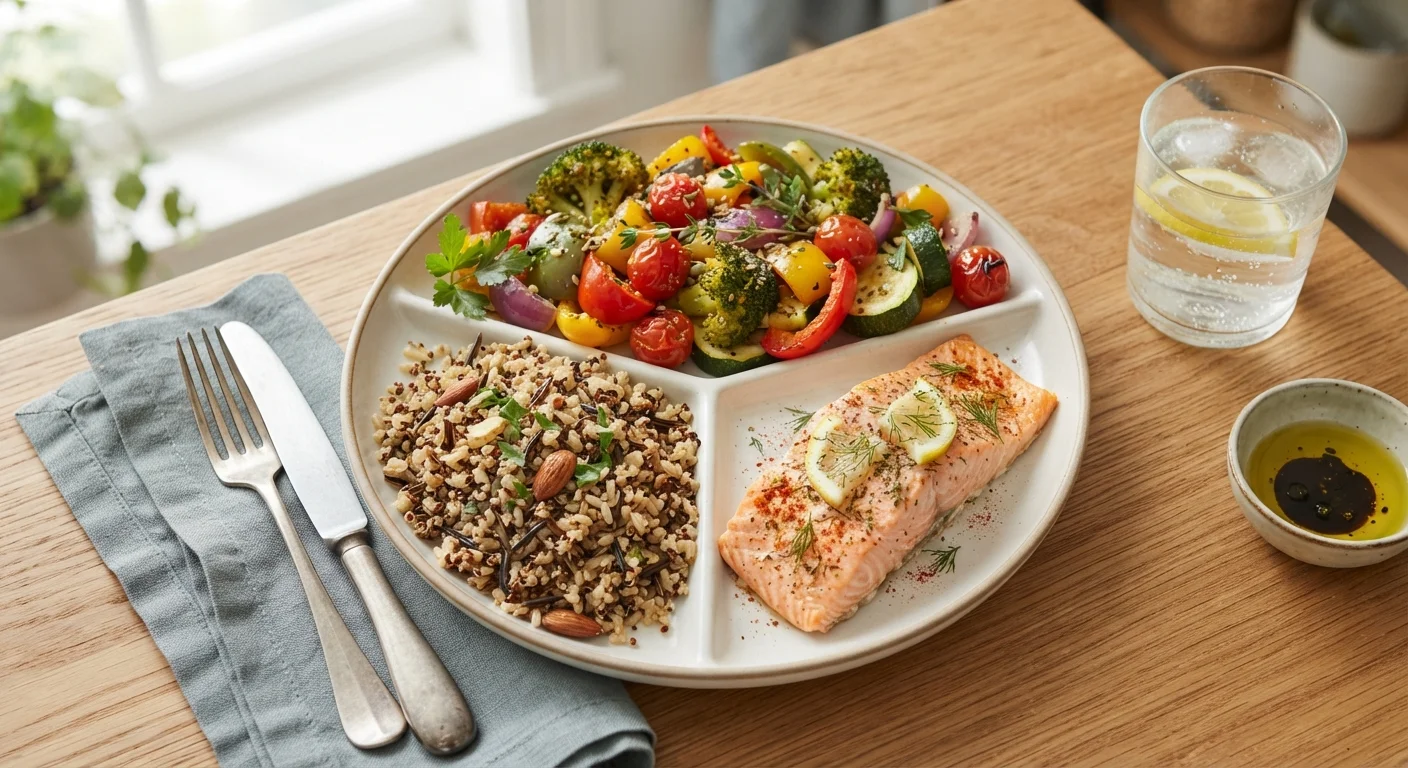
For guidance on putting balanced meals together once your pantry is stocked, our article on building a balanced plate offers practical frameworks that require no calorie counting. If you're working with a tighter grocery budget, eating well on a tight budget covers affordable staples that deliver solid nutritional value.
Special Dietary Needs Require Professional Guidance
This checklist provides general nutrition education for healthy adults. If you manage a chronic condition such as diabetes, kidney disease, or heart disease - or are pregnant, breastfeeding, or planning meals for young children - please consult a registered dietitian or your healthcare provider before making significant dietary changes. General guidance does not account for individual health circumstances.
This article is for general informational and educational purposes only and is not a substitute for personalized medical or dietary advice. Consult a qualified healthcare professional or registered dietitian for guidance specific to your health needs.