Why Price Signals Are Unreliable on Their Own
Walk through any home goods aisle and you'll find a $12 spatula next to a $45 one. Sometimes that gap reflects real differences in materials and longevity. Often, it reflects packaging, brand recognition, or positioning. The problem is the price tag alone won't tell you which situation you're in.
A more useful framework: ask how often the item gets used, how much physical stress it takes, and what actually happens if it fails early. A knife used daily for years earns scrutiny on steel quality. A measuring cup used occasionally does not. This full cost-of-ownership guide lays out the broader framework for applying that thinking across purchase decisions.
The list below groups common household categories into two buckets: where spending more tends to pay off in real, measurable ways - and where the budget option is almost always good enough.
Cookware: Worth the investment for pieces you use daily
Pots and pans used every day - a heavy skillet, a reliable saucepan - take a beating. Thin, inexpensive versions tend to warp, lose their coating, or develop uneven heat distribution within a year or two of regular use. Thicker gauge steel, cast iron, or multi-ply stainless construction holds up over years of daily cooking and often performs measurably better: more even heat, better searing, less sticking.
The distinction matters most for frequently used pieces. A rarely used specialty pan (a crepe pan, a small egg poacher) doesn't need the same investment. Focus spending on the two or three pieces that actually get used most weeks.
Thicker gauge cookware holds up measurably better under years of daily cooking.
Mattresses and bedding: Real quality differences exist here
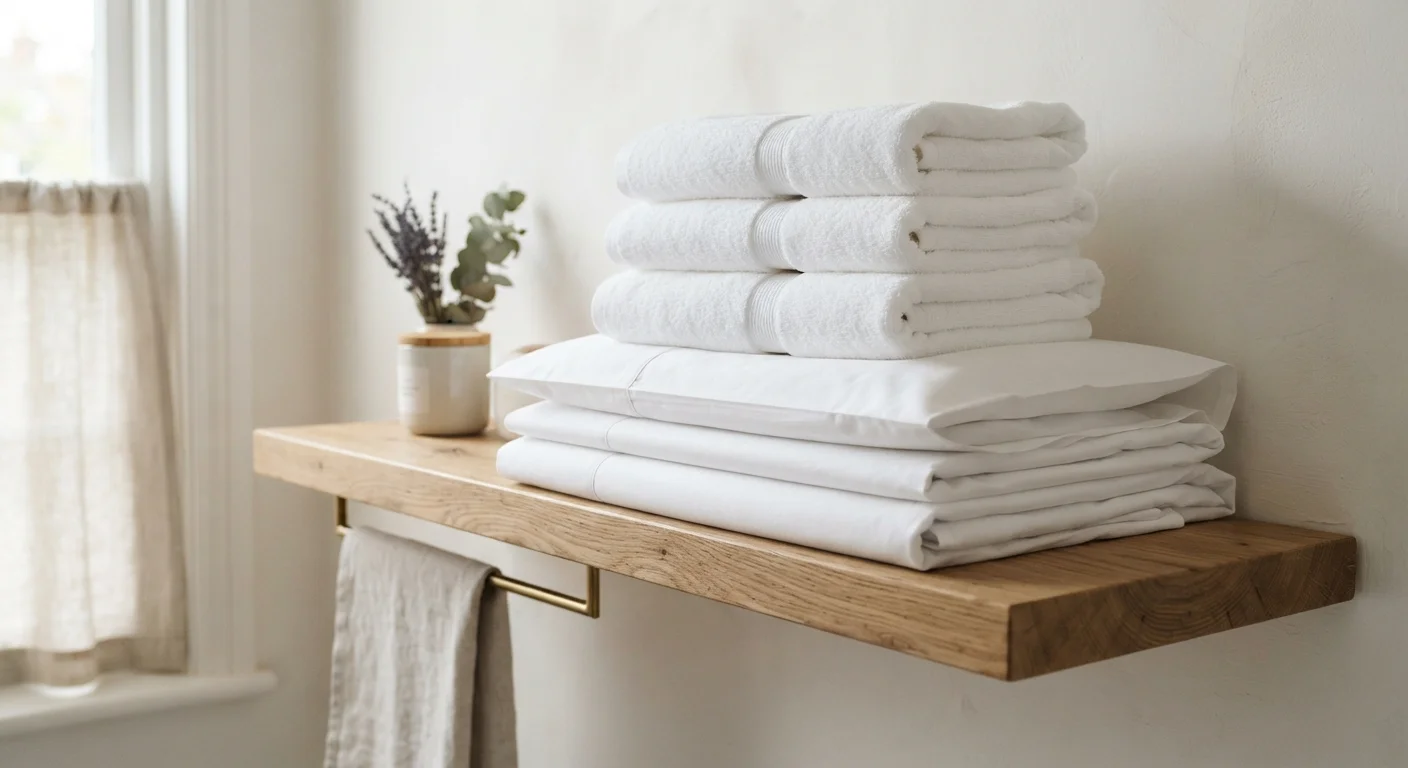
You spend roughly a third of your life on a mattress, making it one of the highest-contact items in any home. Construction quality - coil count, foam density, edge support - directly affects how long a mattress holds its shape and how well you sleep on it. Budget mattresses often compress noticeably within two to three years.
Bedding follows similar logic. Higher thread-count sheets made from long-staple cotton tend to soften over time and resist pilling; cheaper alternatives often feel rough after repeated washing. The hidden costs of cheap bedding add up when you're replacing items every year instead of every five.
Budget mattresses often compress noticeably within two to three years of regular use.
Chef's knives: One quality knife beats a full cheap set
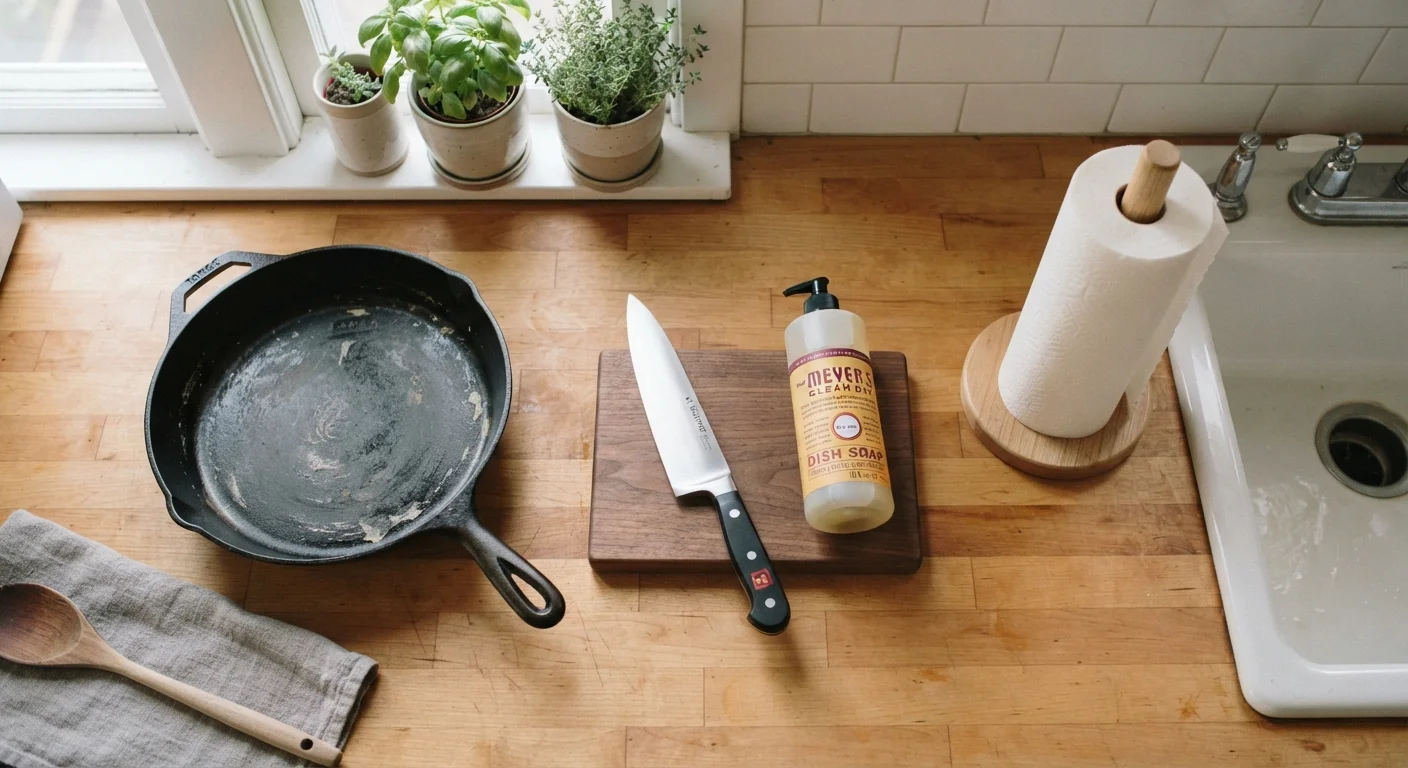
A single well-made chef's knife - properly cared for and periodically sharpened - outperforms an entire block of inexpensive knives in both performance and longevity. High-carbon steel holds an edge longer, making cutting safer and more efficient. Cheap knives dull quickly, require more force, and are actually more likely to cause accidents than a sharp, quality blade.
This doesn't mean spending on a complete knife collection. Most cooks need a reliable chef's knife, a paring knife, and a serrated bread knife. Invest in the chef's knife; the others can be mid-range without meaningful sacrifice.
A single well-made chef's knife outperforms an entire block of inexpensive ones.
Cleaning supplies: Budget options almost always perform adequately
Multi-surface sprays, dish soap, toilet bowl cleaners - these are areas where premium branding rarely translates to meaningfully better cleaning performance for everyday household tasks. The active ingredients in cleaning products are regulated and relatively standardized. A store-brand all-purpose cleaner typically contains the same functional chemistry as a premium-branded one.
The exception: some specialized cleaning tasks (grout, stainless steel, specific surfaces) do have formulations that perform differently. But for routine cleaning, this is a reliable category to default to generic or store-brand without expecting a performance trade-off.
Store-brand cleaners typically share the same active ingredients as premium counterparts.
Basic storage and organization: Price rarely predicts performance
Plastic bins, drawer organizers, basic shelving units - these are categories where the budget option is frequently identical in function to a higher-priced version. The structural demands on a bin holding folded clothes or pantry dry goods are minimal. A $6 storage container holds pasta just as reliably as a $25 one with a recognizable logo.
The caveat here is outdoor or high-humidity storage, where material quality (UV resistance, moisture sealing) can genuinely matter. Indoors, in closets and pantries, most basic storage solutions perform comparably regardless of price point.
Indoors, most basic storage solutions perform comparably regardless of price point.
Paper goods and single-use items: Diminishing returns above mid-range
Paper towels, napkins, and basic single-use kitchen items are areas where there is some quality difference - ultra-cheap paper towels disintegrate faster and require more sheets per task - but the difference levels off quickly above the mid-range tier. Spending significantly more than mid-range rarely yields proportional improvement in performance for most household uses.
This is also a category where buying in bulk can offer real savings if you have storage space, since these items don't expire quickly and price-per-unit drops substantially at larger pack sizes.
Paper goods quality improvement levels off quickly above the mid-range tier.
Small appliances: Depends heavily on usage frequency
A blender used daily for years is a different purchasing decision than a blender used twice a month. Frequent, high-demand use - blending fibrous vegetables, crushing ice regularly - will expose motor quality differences in short order. For high-frequency tasks, motor wattage, build quality, and warranty terms are worth comparing carefully.
For occasional-use small appliances, mid-range or budget options are usually adequate. The key question to ask before any small appliance purchase is realistic: how many times per week will this actually be used? The honest answer to that question should drive how much scrutiny the purchase deserves. For a broader framework, these comparison questions help you apply that thinking systematically.
Usage frequency is the most reliable guide for deciding how much to spend on small appliances.
Using This Framework Without Overcomplicating It
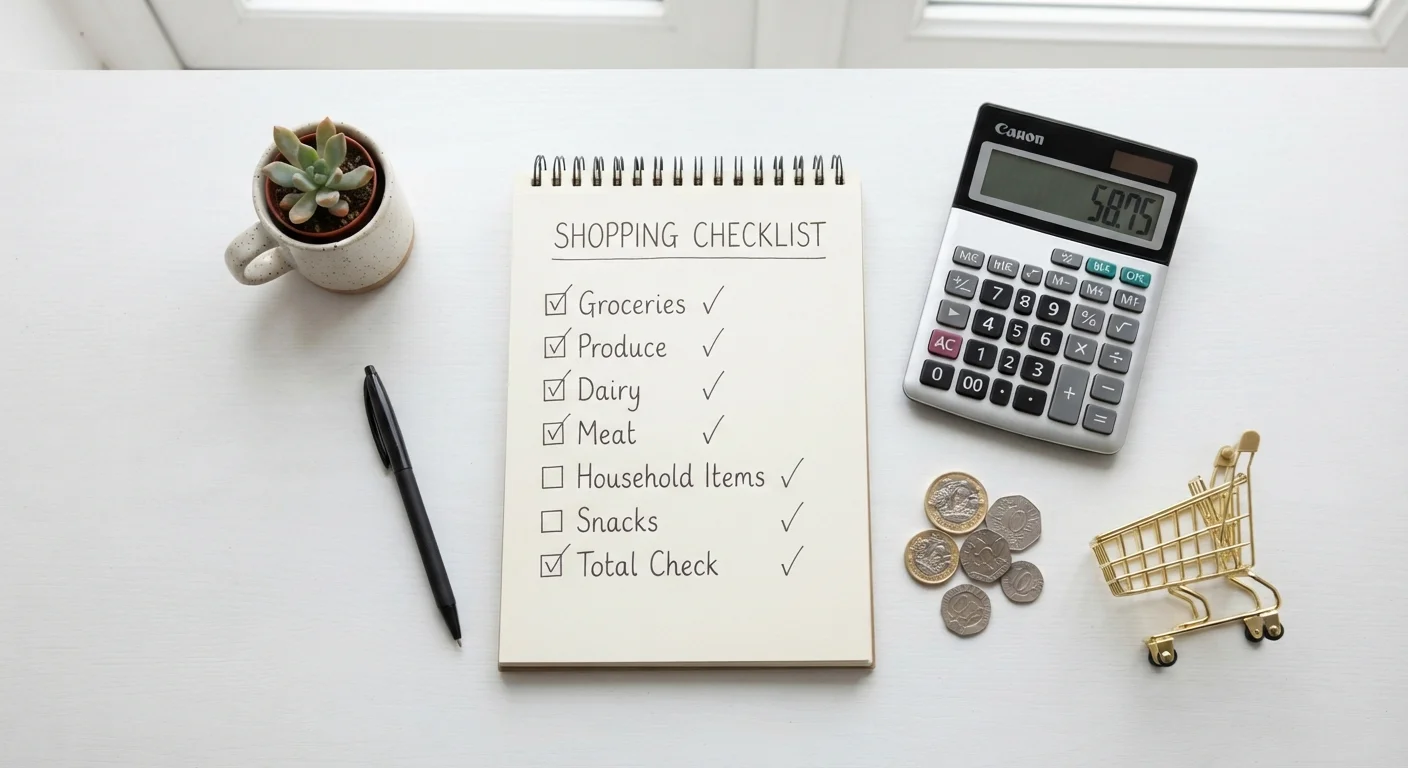
The goal here isn't to build a spreadsheet before every shopping trip. It's to have a rough mental map of which categories deserve real comparison research and which ones you can default to the lower-priced option on without much risk.
Use the "replacement frequency" test
Before defaulting to a budget option, estimate honestly how often you'd replace it if it wore out quickly. If the replacement hassle or recurring cost adds up, the higher-quality version may be the more economical choice over time. If replacement is easy and cheap, the budget option is probably fine.
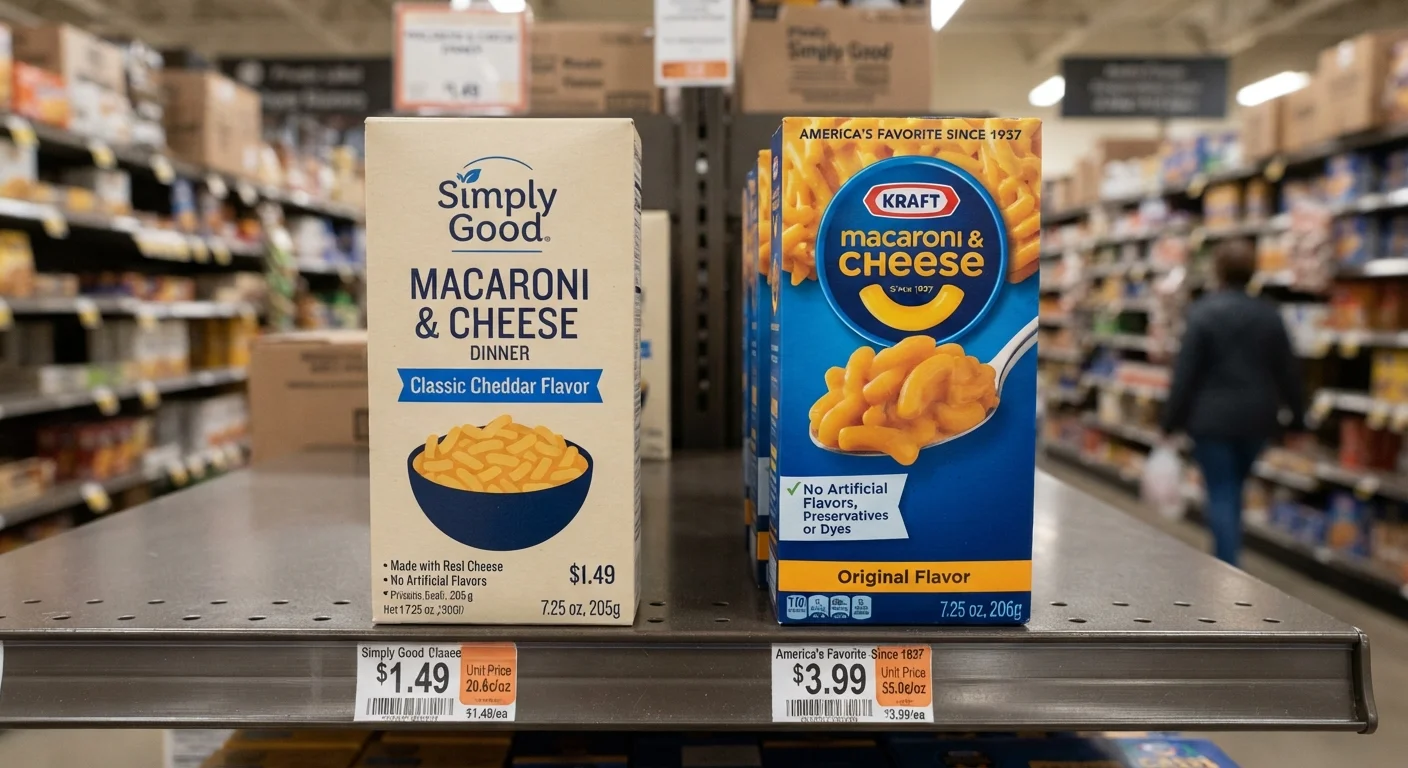
For anything in the "worth spending more" column, it's worth reading past the price tag to understand specific quality indicators - thread counts, material composition, and construction quality matter more than the number on the shelf tag. For lower-stakes categories, store brands frequently perform as well as name brands and are worth defaulting to first.
When you're genuinely unsure whether a price gap is justified, a structured set of comparison questions can help you cut through marketing language and focus on what actually differs between options.