Why Cheap Linens Cost More Than They Appear
A four-pack of towels for under $15 or a sheet set priced well below the category average can look like a smart find. But the real cost of bedding and bath linens isn't just what you hand over at checkout - it's how much you spend over months and years of actual use.
Budget-priced textiles are often manufactured with short-staple cotton, loose weave structures, or heavy dye treatments that mask poor base fabric quality. These shortcuts reduce production cost, but they also accelerate wear. A towel that loses absorbency after a dozen washes, or a sheet set that pills and thins within a season, generates replacement spending that adds up fast.
This is the core principle behind cost-of-ownership thinking: a lower sticker price doesn't automatically mean you're spending less. When it comes to textiles used daily and washed frequently, durability is the variable that determines real value.
2-5 years
Expected lifespan of quality bath towels
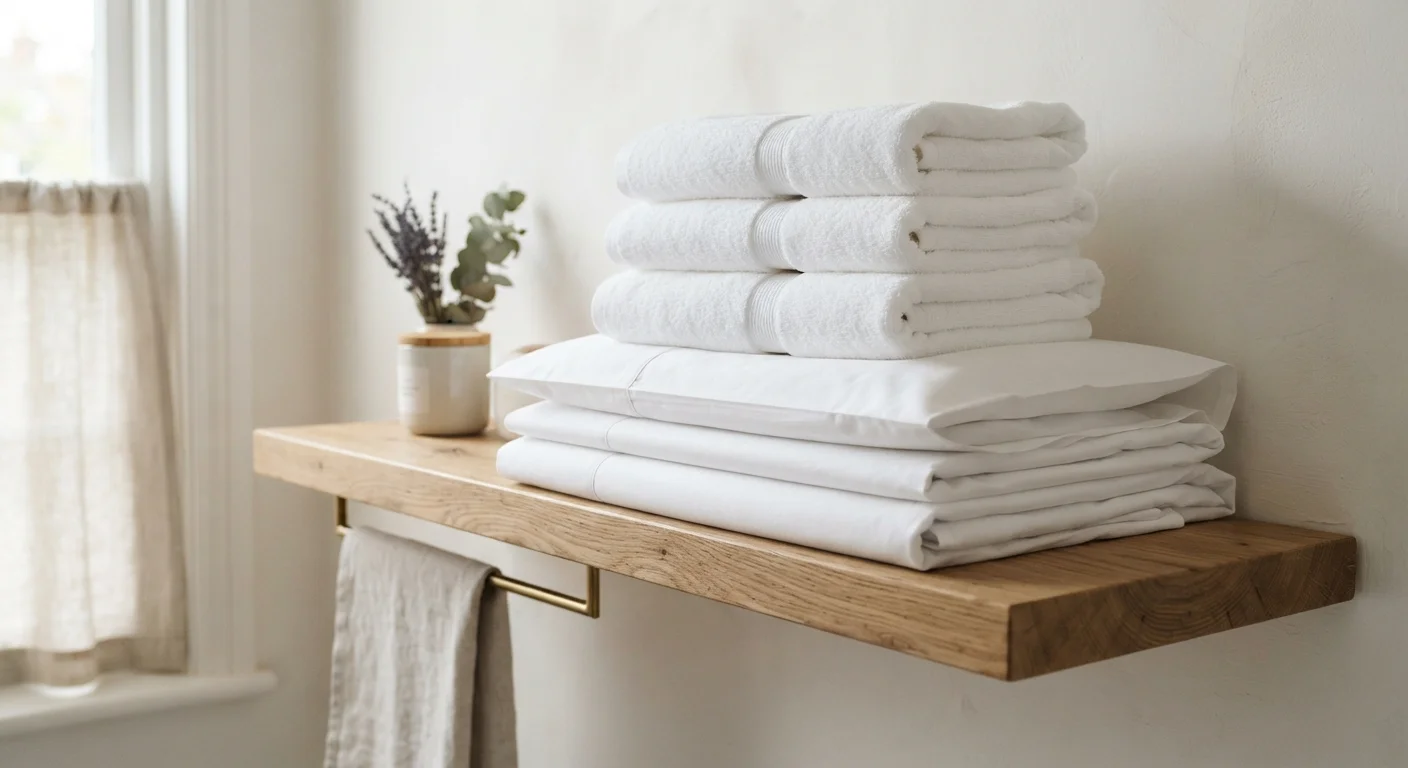
Consumer textile guides generally indicate that well-constructed towels last two to five years with regular use; budget options often need replacing within six to twelve months.
400-600 GSM
Practical GSM range for everyday towels
Textile industry references consistently identify this weight range as a balance between absorbency and reasonable drying time for daily household use.
3×
Potential replacement frequency of budget towels
A towel replaced three times per year at a low price point can cost more annually than a single mid-range towel purchased once and used for two or more years.
Key Quality Indicators on the Label
Most shoppers rely on price and feel-in-hand to judge linens, but those signals are unreliable. Here's what to actually look for:
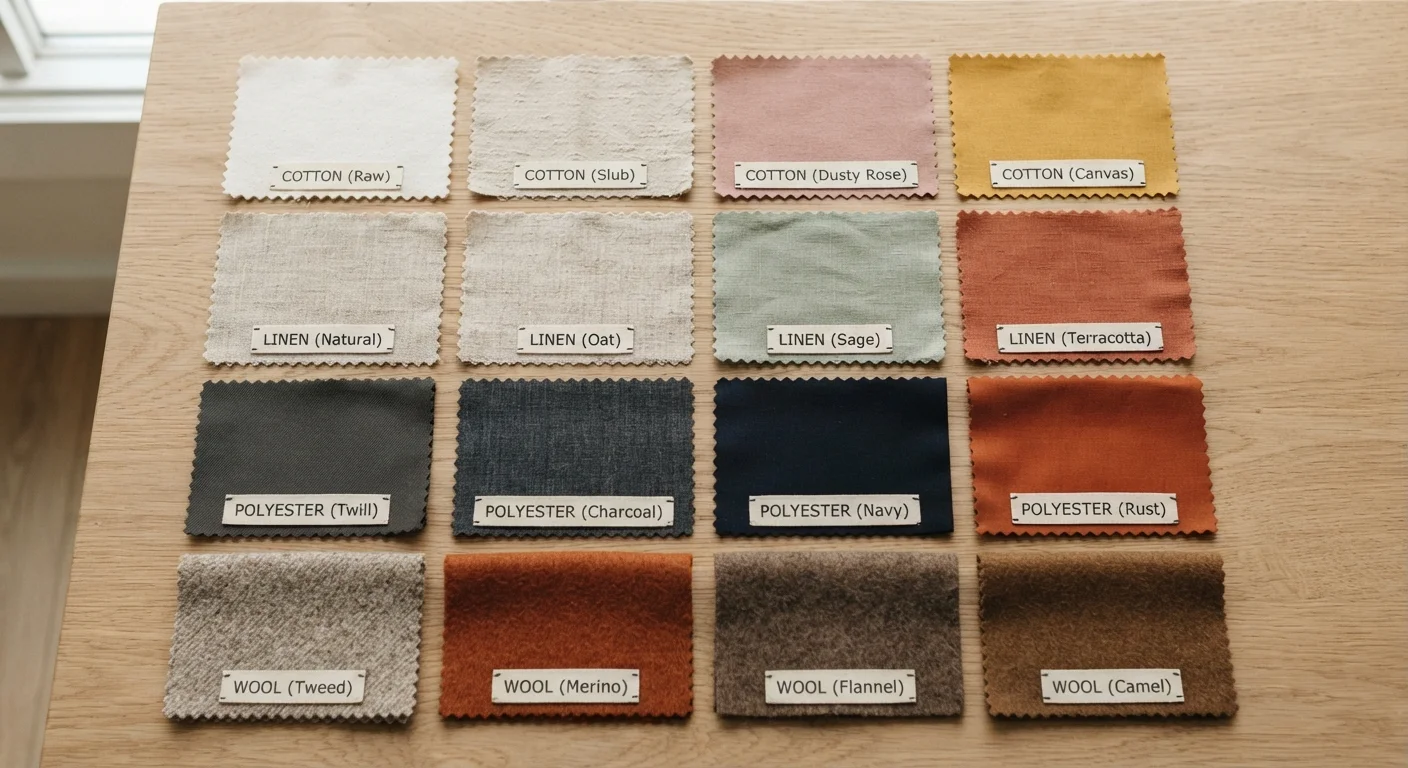
- Fiber type: Long-staple cotton (sometimes labeled as Pima or Egyptian cotton) produces stronger, smoother yarns that hold up through repeated washing. Short-staple cotton is cheaper to produce but breaks down faster, leading to pilling and thinning.
- GSM (grams per square meter): This weight measurement applies to towels and indicates fabric density. A higher GSM generally means more material per towel - but very high GSM can mean slow drying. A practical range for everyday use is typically 400-600 GSM.
- Thread count (sheets): Useful within limits, but easily manipulated. Focus on fiber quality first. Our companion piece on bedding specs that actually matter explains how these numbers are calculated and where they mislead.
- Weave type: Percale (plain weave) tends to be crisp and durable. Sateen weaves feel smoother but can snag more easily. For towels, terry loop length and density affect absorbency and longevity.
Understanding fabric basics applies equally to clothing and home textiles - the same principles of fiber quality and construction determine how long something lasts.
Read the Fiber Content Label First
Before checking the price, find the fiber content label - usually stitched into a seam or sewn onto the hem. Look for specific fiber names and percentages rather than vague terms like 'cotton blend.' A sheet labeled '100% Pima cotton' or a towel with a stated GSM gives you something concrete to evaluate. Vague labels are often a signal that the underlying materials aren't worth highlighting.
Recognizing Wear Before It's Too Late
Low-quality linens often signal their shortcomings early. Watch for these patterns:
- Pilling: Small fiber balls on the surface appear after just a few washes with cheap cotton or polyester-blend sheets. This is a sign of short-fiber or low-twist yarn construction.
- Loss of absorbency in towels: Fabric softeners and poor cotton quality both reduce a towel's ability to absorb moisture over time. Budget towels often reach this point quickly.
- Color fading or bleeding: Heavy dye applications used to make low-cost textiles look vibrant tend to fade rapidly - sometimes within the first few washes.
- Thinning or transparency: Sheets that visibly thin after a season of use were likely woven with insufficient thread density or low-grade fiber.
These aren't signs that you need to wash differently - they're signs of underlying material quality. The same logic applies across product categories: as explored in home essentials worth spending more on, linens are a category where quality differences tend to be real and measurable, not just marketing.
How to Make a Smarter Buying Decision
The goal isn't to spend as much as possible - it's to spend effectively. A few practical approaches help:
- Calculate cost per use: Estimate how long a product will realistically last. Divide the purchase price by expected uses. A $30 towel that lasts three years outperforms a $10 towel replaced every eight months.
- Check the label, not the packaging: Packaging often highlights marketing terms. The care label and fiber content label give you the actual material composition.
- Look for mid-range options with stated specs: Products that list GSM, fiber type, or construction details are generally more transparent - and more consistent in quality - than those relying purely on brand or price signaling.
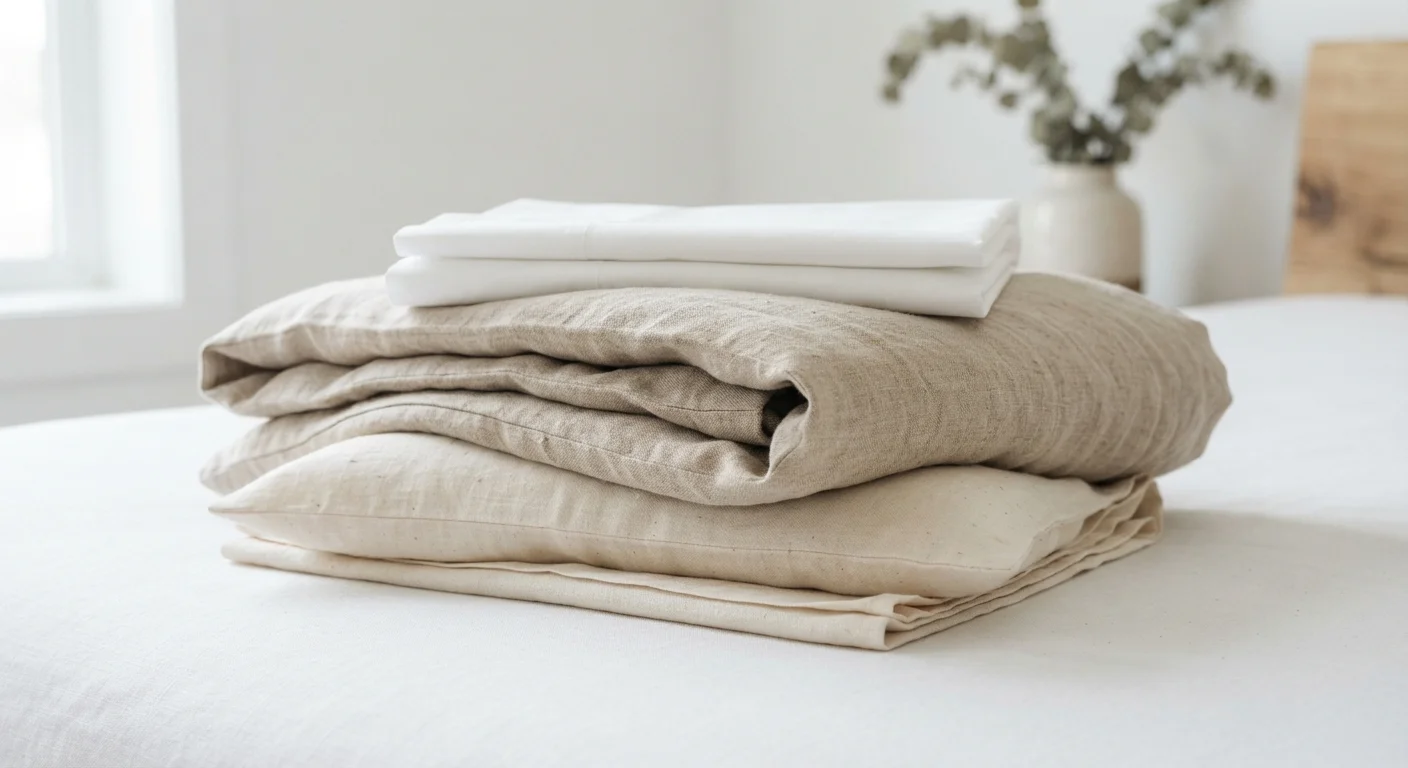
- Buy fewer, better items: Two well-constructed sheet sets typically serve better than four cheap ones. Fewer items in rotation also means fewer trips through the washing machine, which extends lifespan further.
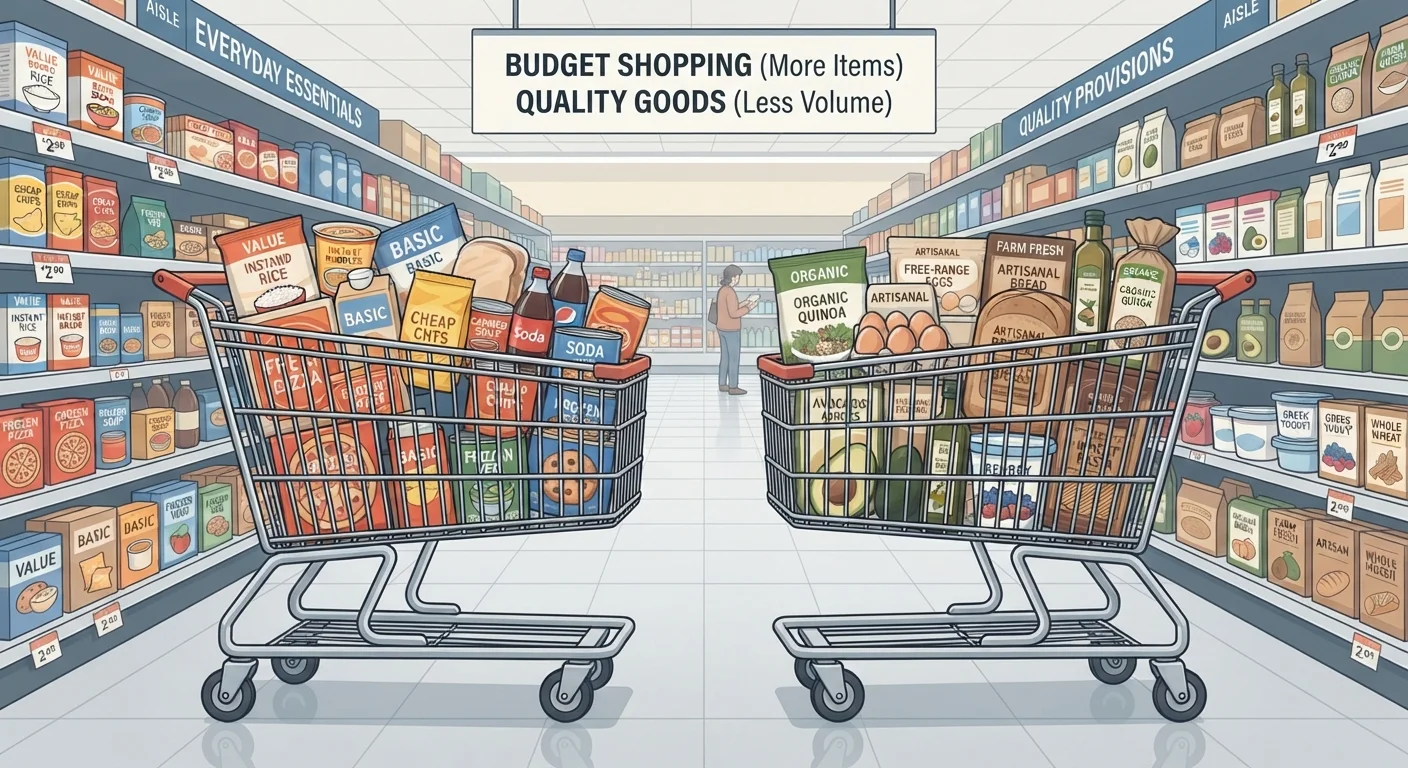
The broader principle at work here - that buying cheap can cost more in the long run - applies consistently across home textiles. For budget-conscious shoppers, the most financially sound approach is usually mid-range quality with verified specifications, not the lowest available price.
This article provides general consumer information for educational purposes. Product performance varies based on manufacturing, care practices, and individual use. Always review product specifications and care instructions before purchasing.