The Sticker Price Is Just the Starting Point
When most shoppers compare two products, they look at the price tag and stop there. It feels logical - pay less, save more. But purchase price is only one variable in what something actually costs you over time. The concept of total cost of ownership (TCO) accounts for ongoing expenses: maintenance, consumables, energy use, repairs, and how often you'll need to replace the item entirely.
Consider a basic example: a lower-priced appliance that uses significantly more electricity each year, or one that requires proprietary replacement parts at a steep markup. By year two or three, the cheaper unit may have cost more than a pricier alternative would have. The same logic applies across categories - from vehicles and electronics to clothing and household goods.
For a deeper look at how this plays out specifically with vehicles, see common car ownership assumptions that routinely lead to budget surprises.
Myth
If one product costs less than another, I'm automatically saving money by choosing it.
Fact
You're saving money upfront, but total savings depend on lifetime costs - including maintenance, replacement, and operating expenses.
Purchase price and total cost are different figures. A product that wears out twice as fast, requires expensive consumables, or draws more power eliminates any upfront savings - and may exceed what the pricier option would have cost. Comparing sticker prices without accounting for lifespan and ongoing costs gives an incomplete picture of which option is actually cheaper.
Myth
A sale price means I'm definitely getting a good deal.
Fact
Discounts are measured against a reference price, which isn't always what the item normally sells for.
Retailers sometimes inflate original prices to make markdowns appear larger than they are. A 40% discount off an inflated reference price may still represent a higher cost than a competing product with no discount at all. Understanding how retailers set reference prices helps you recognize when a sale is meaningful versus theatrical.
Myth
Expensive products are higher quality; cheap products are lower quality.
Fact
Price reflects many factors beyond quality, including brand positioning, packaging, and marketing spend.
A higher price doesn't guarantee better performance, durability, or ingredients. In categories like beauty, food staples, and basic home goods, lower-cost alternatives frequently match or replicate the performance of premium versions. What the price gap in beauty products actually reflects is a useful illustration - formulas are often closer than the packaging suggests.
Myth
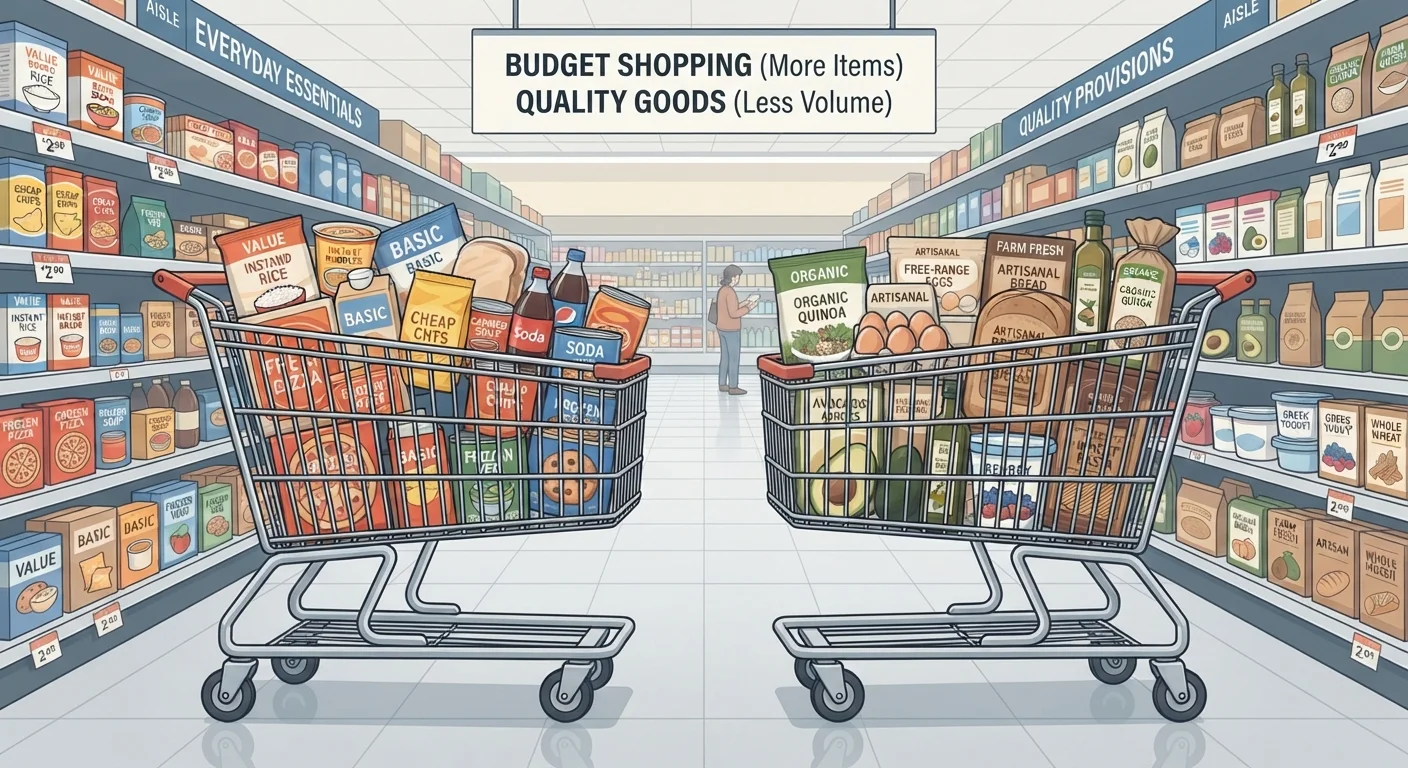
Buying in bulk always saves money because the per-unit cost is lower.
Fact
Bulk savings only materialize if you use all of what you buy before it expires or goes to waste.
The per-unit math on bulk purchases looks appealing, but the total cost rises if products are discarded unused. Perishables, items with limited shelf life, and products you haven't tried before all carry this risk. A balanced look at bulk buying breaks down exactly when volume purchasing helps and when it backfires.
Myth
Monthly payments are the right way to compare the cost of two financing options.
Fact
Monthly payments obscure total cost - loan term, interest rate, and fees determine what you actually pay.
A lower monthly payment achieved through a longer loan term typically means paying more in total interest. Two options with similar monthly payments can differ significantly in total cost depending on the term length and interest rate. This is especially relevant for large purchases like vehicles, where new versus used cost comparisons require looking past the payment to depreciation, insurance, and repair differences.
Where the Hidden Costs Actually Show Up
Hidden costs tend to cluster in predictable places. Knowing where to look helps you ask better questions before you buy.
~$1,000+
Annual energy cost difference between appliance efficiency tiers
The U.S. Department of Energy notes that ENERGY STAR certified appliances can use significantly less energy than standard models, with cumulative savings varying by product category and usage.
3x
Typical replacement frequency for low-durability vs. quality goods
Consumer research consistently finds that products purchased at the lowest price point in a category are replaced more frequently, often tripling the effective cost over a multi-year period.
- Consumables and accessories: Some products - printers, razors, single-serve coffee machines - are priced low intentionally because the manufacturer profits on recurring supplies. The unit is the entry point; the ink, blades, or pods are the actual revenue stream.
- Energy efficiency: Appliances, HVAC equipment, and electronics carry an ongoing electricity cost. A unit rated for lower energy consumption may carry a higher sticker price but cost less to operate across years of use.
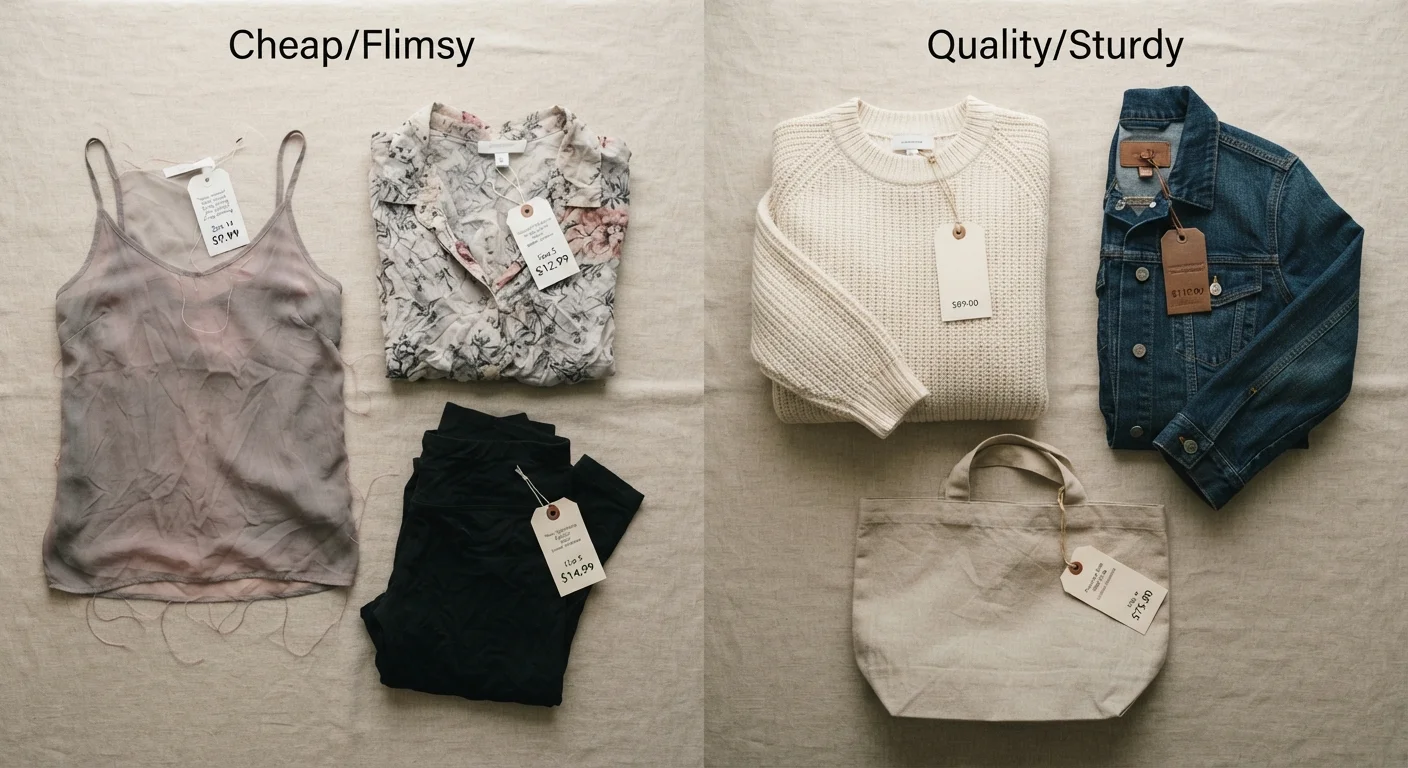
- Durability and replacement cycles: A product bought twice costs twice as much, minus any savings at point of purchase. Fast fashion illustrates this clearly - frequent replacement erodes any per-item savings quickly.
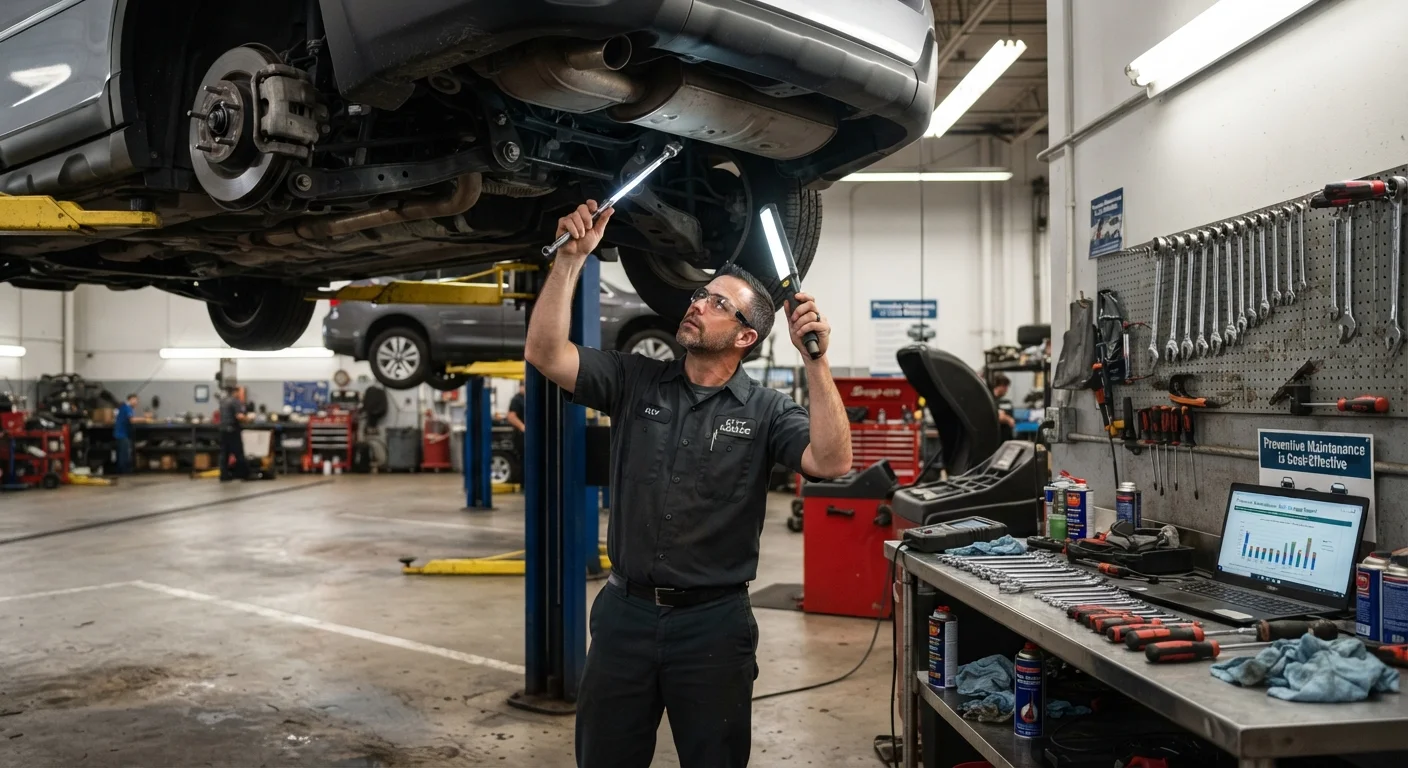
- Maintenance requirements: Some products need professional servicing, proprietary parts, or specialized cleaning products. These add up. Skipping maintenance rarely saves money - it typically shifts costs forward at a higher total.
- Warranty and repair coverage: A product without meaningful warranty coverage transfers financial risk to you. If a repair costs $150 on a $120 item, the math is straightforward. Electronics are especially prone to overlooked ownership costs.
Watch for Proprietary Consumable Lock-In
Some products are deliberately priced low at purchase because the manufacturer expects recurring revenue from branded supplies - ink cartridges, filter pods, and replacement blades are common examples. Before buying, check what the ongoing consumable costs look like and whether third-party alternatives are available. In some cases, the consumables cost more per year than the device itself.
Not every category punishes low-price choices equally. Some household staples perform identically regardless of brand or price. Understanding which home categories reward higher spending - and which don't - is itself a money-saving skill. Similarly, store brands often share formulations with name brands, making the premium purely cosmetic in those cases.
Making Smarter Comparisons Before You Buy
Reframing how you evaluate a purchase - from price to cost-per-use - changes what looks like a good deal. A $40 item used 200 times costs $0.20 per use. A $15 version used 30 times costs $0.50 per use. The cheaper option is more expensive in practice.
A few questions worth asking before any significant purchase:
- How long is this realistically expected to last?
- What ongoing costs does ownership involve (supplies, energy, servicing)?
- What happens when it needs repair - is that feasible or prohibitively expensive?
- Does the lower price reflect a genuine value difference, or just a stripped-down feature set that will frustrate you?
For structured guidance on building this kind of evaluation habit, this end-to-end purchase decision guide covers price history, total cost of ownership, and other factors worth weighing. If you're also looking at larger financial decisions, the same cost-of-ownership logic applies to things like vehicle leasing versus buying, where the monthly payment tells only part of the story.
Being a savvy shopper isn't about always buying cheap or always spending more - it's about knowing which costs are visible at point of sale and which ones come later.