What the Monthly Payment Actually Measures
When shoppers compare leasing and buying, the monthly payment is usually the first number on the table. It's also one of the most misleading. A lower monthly payment doesn't mean a lower total cost - it means a different financial structure, with tradeoffs that only become visible months or years later.
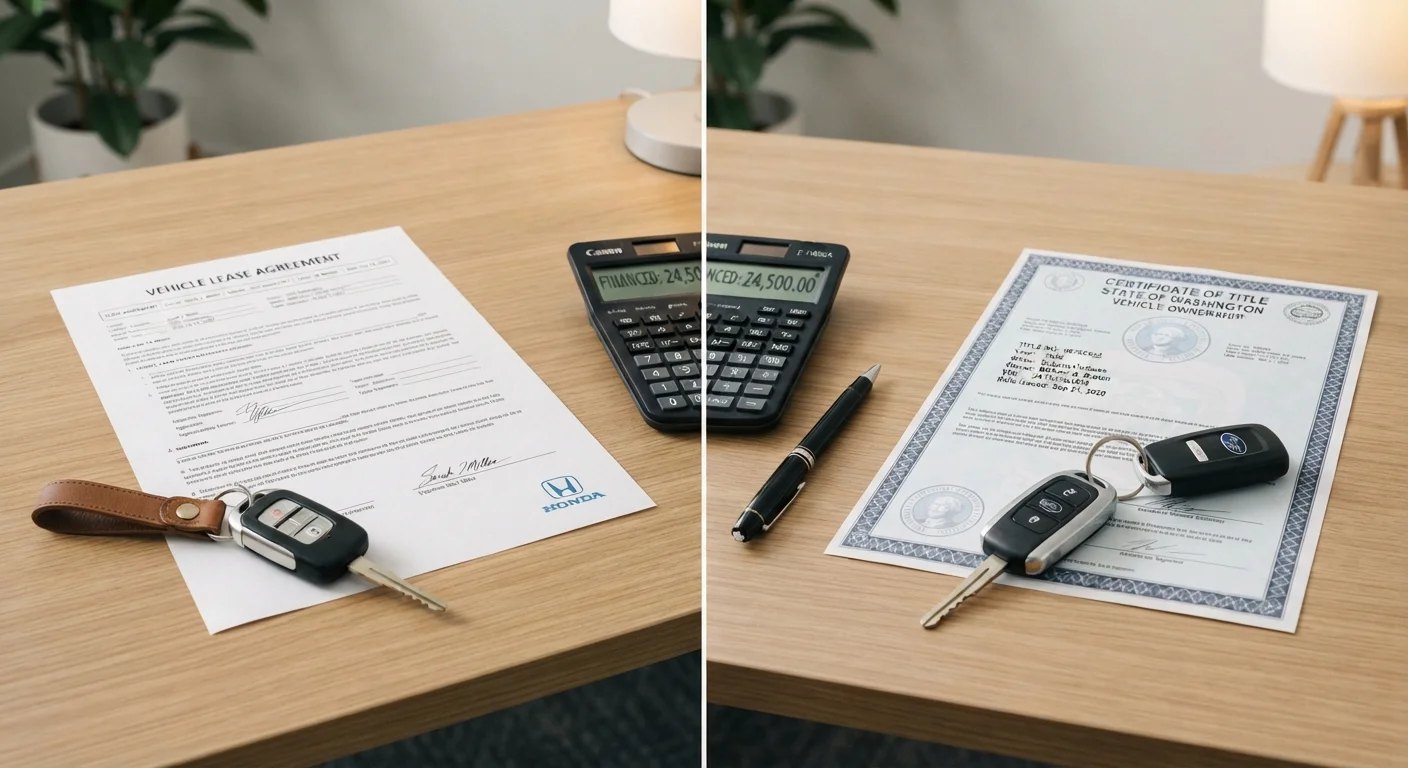
A lease payment covers vehicle depreciation during the contract term plus a financing fee (called the money factor), not the full vehicle price. A loan payment amortizes the purchase price minus any down payment over the loan term. The math behind each is fundamentally different, which is why comparing them dollar-for-dollar misses the point.
As we explore in why a lower price doesn't always mean a better deal, the upfront figure often obscures the true long-term cost. That principle applies directly here.
| Criterion | Leasing | Buying |
|---|---|---|
| Monthly Payment | Generally lower | Generally higher |
| Equity Built | None | Yes, over time |
| Mileage Flexibility | Capped (overage fees apply) | Unlimited |
| End-of-Term Cost | Disposition fee or new lease | Own the vehicle outright |
| Modification Freedom | Not permitted | Full flexibility |
| Long-Term Total Cost | Higher (continuous payments) | Lower if vehicle is kept long-term |
| Upfront Costs | Acquisition fee, first month, security deposit | Down payment, taxes, registration |
| Maintenance Responsibility | Often covered by warranty | Owner's responsibility after warranty |
The Hidden Costs Buried in Every Lease
Lease contracts include terms that can quietly inflate your total cost at signing, during the lease, and especially at turn-in. These include:
- Acquisition fees: Charged by the lender at the start of the lease, often $600-$1,200.
- Mileage caps: Most leases allow 10,000-12,000 miles per year. Overages typically cost $0.15-$0.30 per mile - a significant penalty for high-mileage drivers.
- Wear-and-tear charges: At turn-in, inspectors assess damage beyond "normal use." Scratches, interior stains, and tire wear can each trigger fees.
- Disposition fee: If you don't lease another vehicle from the same brand, you may owe $300-$500 just to return the car.
These charges aren't hypothetical - they're contractual. For a complete picture of what car ownership involves at every stage, see our guide on car ownership costs from purchase to resale.
$0.25
Typical per-mile overage charge on leases
Driving 5,000 miles over a lease cap can add $1,250 in fees at turn-in, according to commonly published lease contract terms.
~49%
New vehicles leased in the U.S.
Experian's automotive finance data has consistently shown that roughly half of all new vehicle transactions involve a lease rather than a purchase.
11.5 yrs
Average age of vehicles on U.S. roads
S&P Global Mobility data indicates the average American vehicle in operation is over 11 years old, suggesting many buyers hold their cars long-term.
What Buyers Pay That Lessees Don't - and Vice Versa
Buying comes with its own set of upfront and ongoing costs. A larger down payment, sales tax on the full vehicle price (in most states), registration, and loan interest add up fast. Buyers who finance a vehicle over 72 months may pay thousands in interest over the life of the loan.
However, buyers build equity. Once the loan is paid off, the vehicle has residual value that can be applied toward a future purchase. The depreciation that makes leasing cost-effective in the short term is the same depreciation that erodes a buyer's asset - but the buyer still owns something at the end.
Repeat lessees, by contrast, never exit the payment cycle. Every new lease resets the clock. Over a 10-year horizon, a driver who leases continuously typically pays more total than one who buys and keeps their vehicle. For a detailed breakdown of ongoing costs, our true annual cost of owning a car in America covers fuel, insurance, maintenance, and depreciation in full.
Insurance Costs Differ Too
Leased vehicles typically require higher insurance coverage minimums than lenders impose on purchased vehicles, because the leasing company retains ownership. Gap coverage - which pays the difference if a totaled vehicle is worth less than the lease balance - is often required or strongly advisable. This adds to the monthly cost of leasing beyond the base payment. Always review insurance requirements before signing a lease agreement, and compare them to what you currently carry.
Making the Right Call for Your Situation
There is no universally correct answer - leasing and buying each serve different financial situations and lifestyles. The key is matching the structure to your actual driving patterns and financial goals, not just the monthly number.
Ask yourself: How many miles do you drive annually? How long do you typically keep a vehicle? Do you need flexibility to sell quickly if circumstances change? Are you financing a vehicle through a budget that needs to stay tight long-term? Answering those questions honestly will point you toward the better structure.
Before committing to either path, map out your monthly vehicle budget thoroughly. Our guide on building a realistic monthly car budget walks through how to calculate your true monthly cost - including expenses that vary throughout the year.
Whichever route you choose, understanding the full financial picture from day one prevents the sticker shock that comes at contract end or trade-in time.
This article is for general informational and educational purposes only and does not constitute personalized financial or legal advice. Consult a qualified financial professional for guidance specific to your situation.