What You Can Realistically Do Yourself
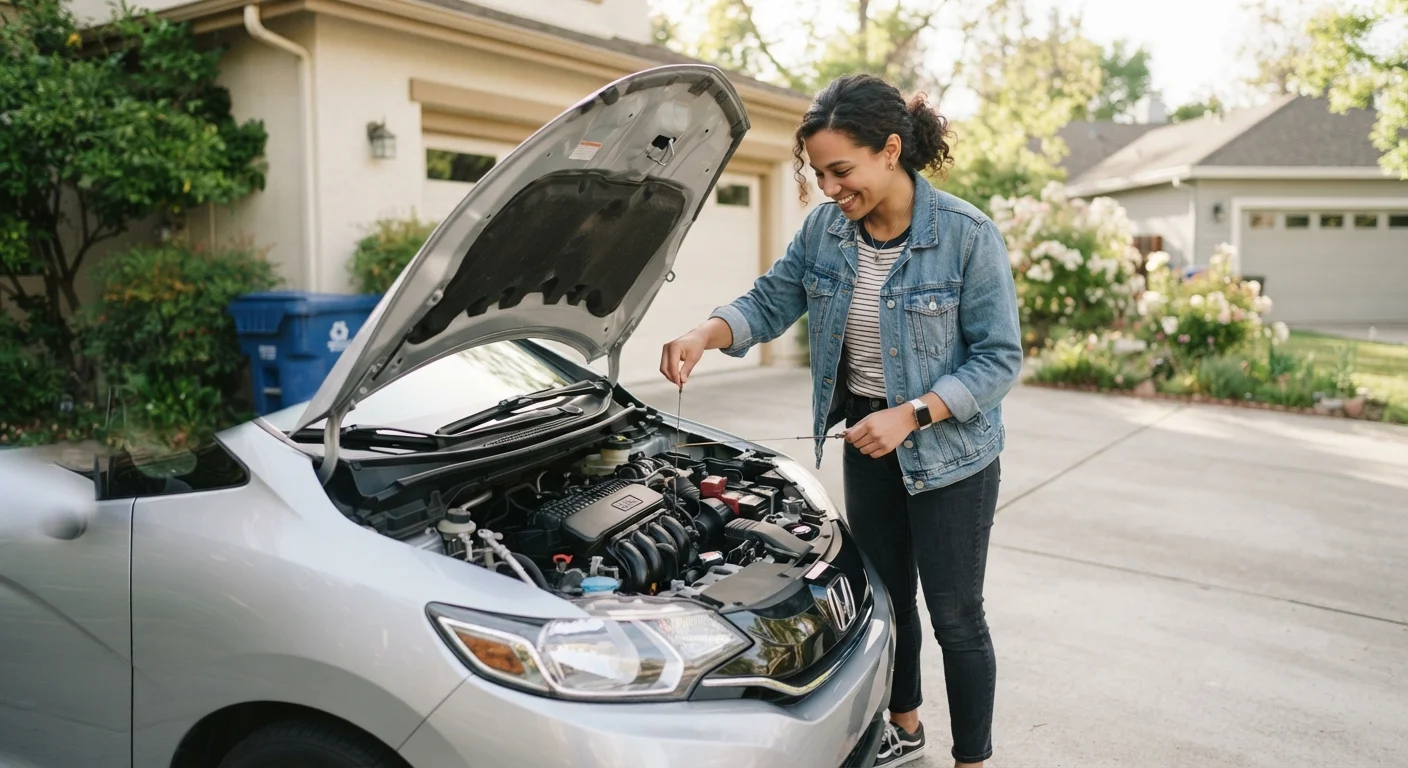
Several routine maintenance tasks are genuinely within reach for most drivers - no formal training required. The key is choosing jobs where the consequences of a small mistake are minor, the steps are clearly documented, and the tools are affordable.
Common DIY-friendly tasks include:
- Engine air filter replacement - Usually a matter of unclipping a housing, swapping filters, and re-securing it. Takes under 10 minutes.
- Windshield wiper blades - Most blades use a standard clip mechanism. Instructions are often printed on the packaging.
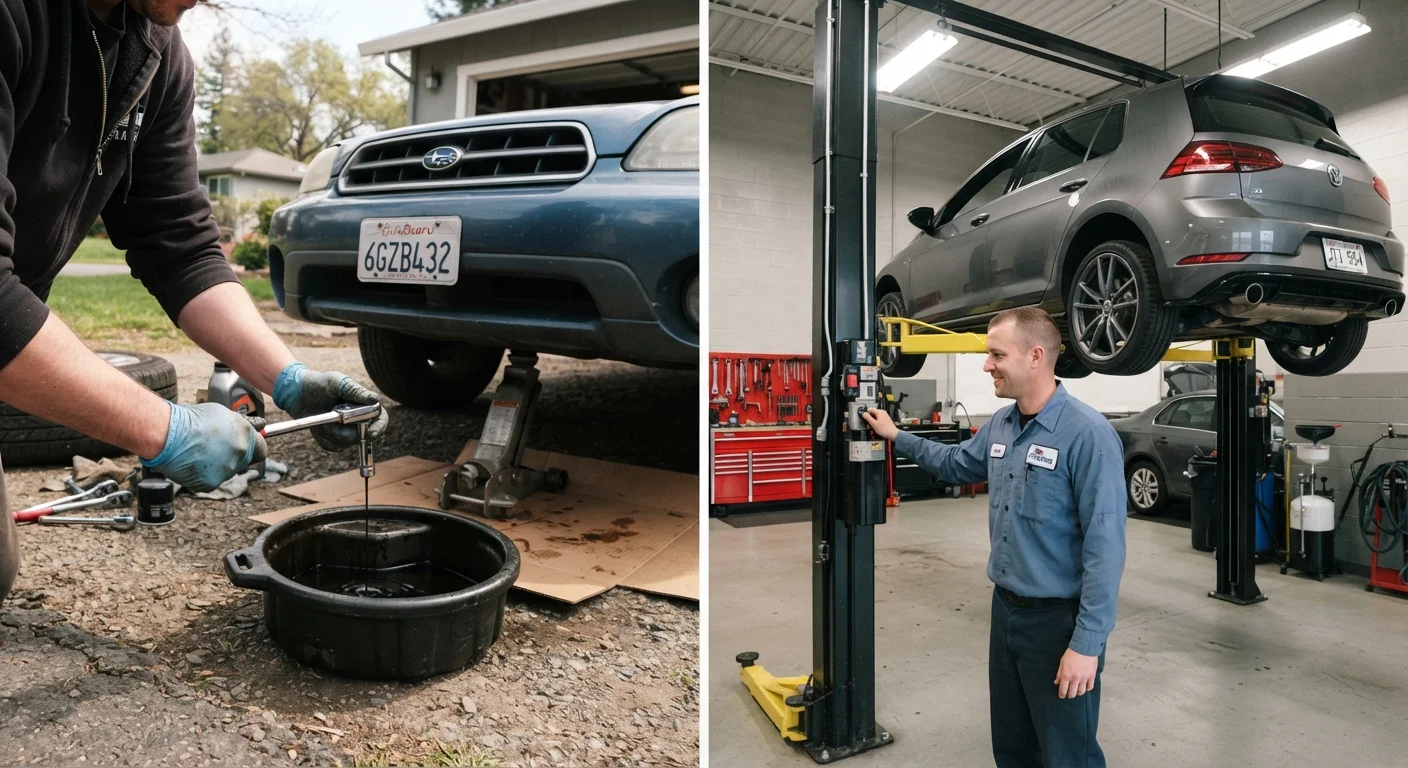
- Oil and oil filter changes - Requires more preparation (drain pan, jack stands, correct oil spec), but is well within reach for someone willing to follow the steps carefully.
- Cabin air filter - On most vehicles, this is accessible behind the glove box without any tools.
- Battery terminal cleaning - Disconnecting and cleaning corroded terminals takes basic tools and gloves.
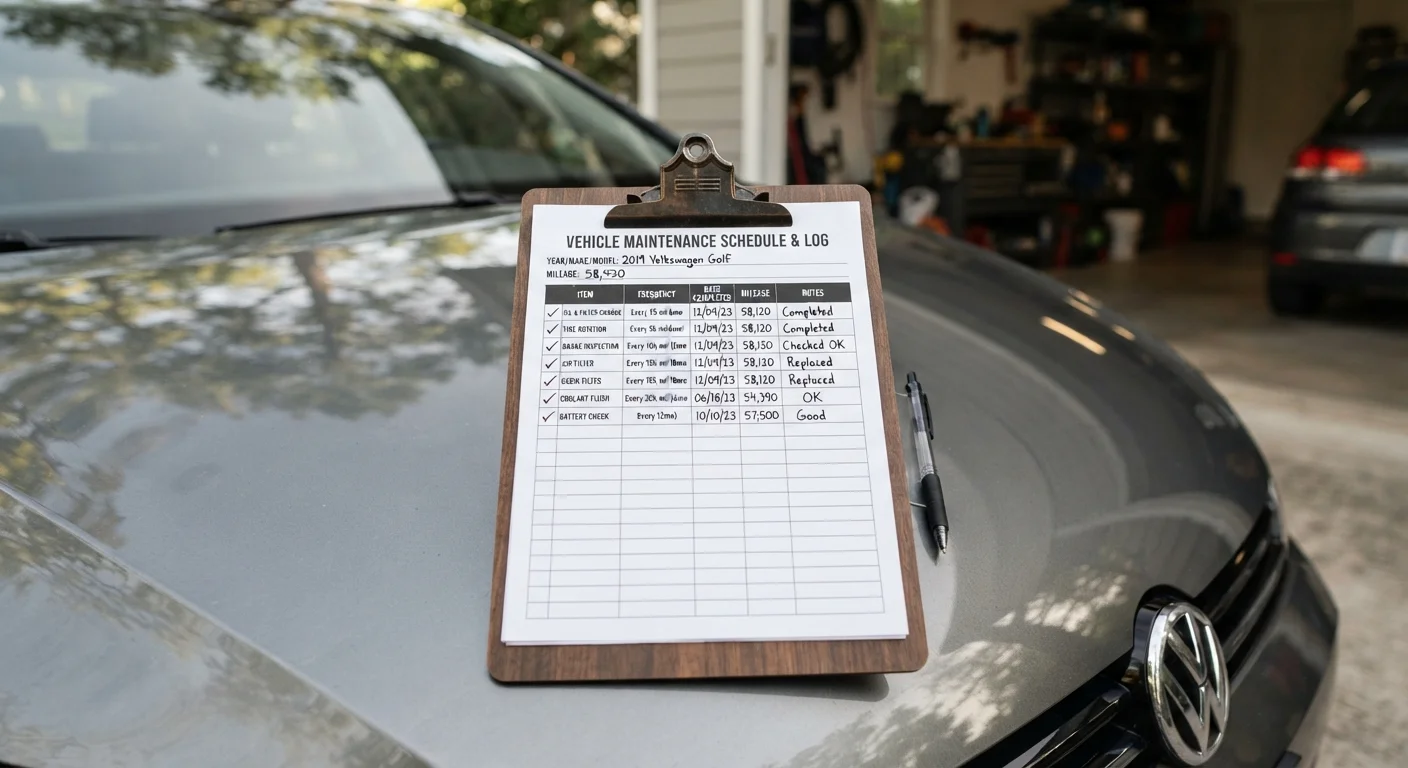
Before attempting any of these, consult your vehicle's owner's manual for specifications - particularly for oil type and filter part numbers. See your car's maintenance schedule explained for guidance on what each service interval actually requires.
Significant savings on labor costs
Labor often represents the majority of a shop bill. Handling straightforward tasks yourself can cut per-service costs by half or more over time.
Builds genuine knowledge of your vehicle
Hands-on maintenance helps you recognize what normal looks and sounds like, making it easier to catch problems early before they escalate.
Flexible scheduling on your own terms
No appointment needed, no waiting room. You work when it's convenient, which is especially useful for routine tasks that don't require shop equipment.
Control over parts quality
When you source your own parts, you choose the spec and quality tier rather than relying on whatever a shop has in stock or marks up.
When the Shop Is the Right Call
Some jobs sound approachable until you're halfway through them. Others involve safety-critical systems where an error doesn't just waste your afternoon - it puts you and others at risk on the road.
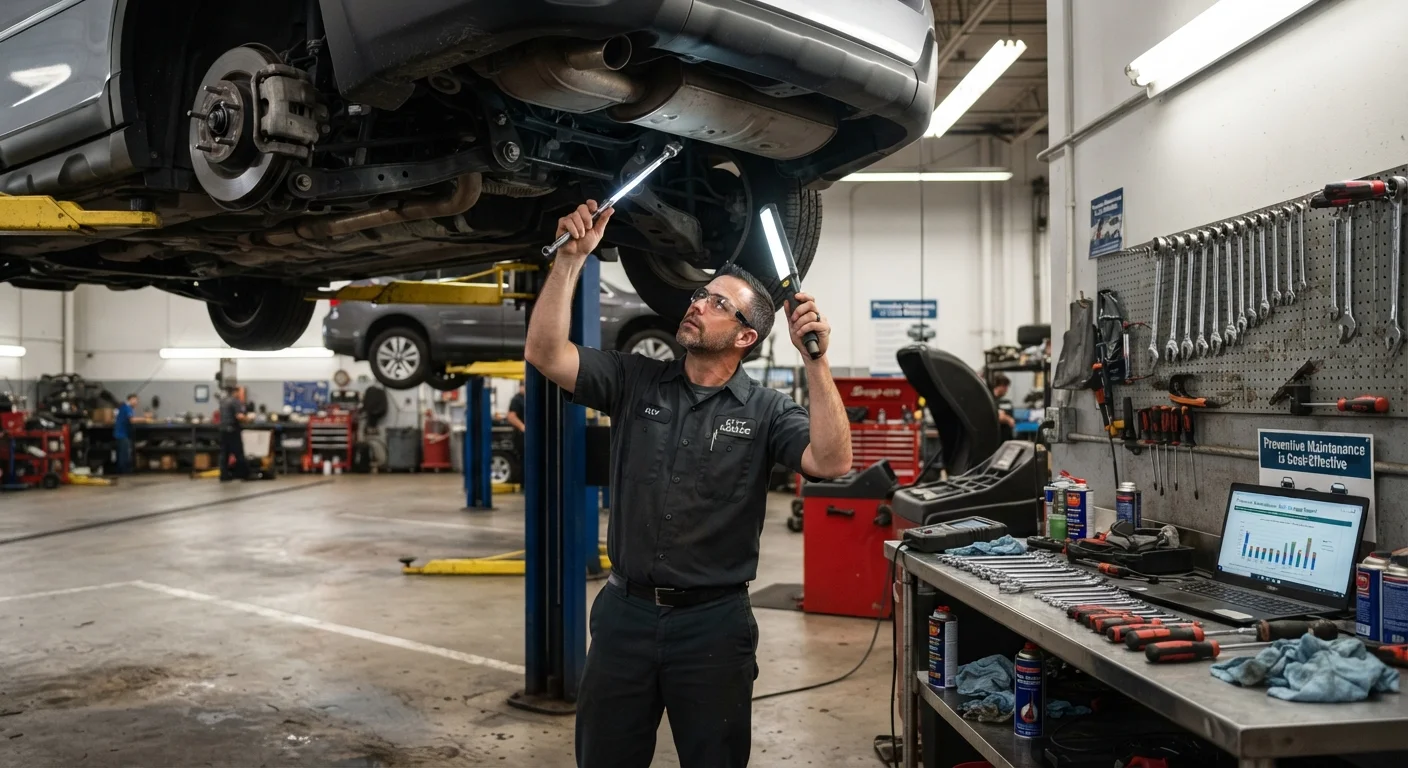
Tasks that generally belong in a professional shop include:
- Brake system work - Pad replacement is sometimes tackled by experienced DIYers, but anything involving calipers, brake lines, or ABS components warrants a mechanic.
- Timing belt or chain service - Requires precise torque specs and engine positioning. A mistake can cause serious engine damage.
- Suspension and steering components - Incorrect reassembly can make a vehicle dangerously unpredictable at speed.
- Electrical diagnosis - Without a professional scan tool and wiring diagrams, chasing an electrical fault is an expensive guessing game.
- Transmission service - Fluid and filter changes are manageable for some; internal transmission work is not.
It's also worth noting that some repairs require a lift, specialty tools, or calibration equipment that simply aren't practical to own for a one-time job. Understanding why skipping maintenance costs more applies here too - cutting corners on a repair can compound into a far larger bill.
Mistakes on safety systems carry serious consequences
An error on brakes, steering, or suspension doesn't just cause inconvenience - it can create dangerous driving conditions. The cost of getting it wrong far exceeds any labor savings.
Upfront tool costs offset early savings
A floor jack, jack stands, torque wrench, and drain pan represent a real investment. For occasional tasks, the tool cost may not break even for several service cycles.
Time investment can be significant
A job that takes a trained technician 30 minutes can take a first-timer two hours or more, including research, setup, and cleanup.
Warranty and liability considerations
On newer vehicles, certain repairs performed outside a certified shop may affect warranty coverage. Always verify your warranty terms before doing your own work.
Weighing the Real Trade-Offs
The honest calculus on DIY versus shop work comes down to four factors: safety risk, tool requirements, your time, and potential cost of error.
50-70%
Typical share of a repair bill that is labor
Industry estimates from automotive repair trade data consistently show labor makes up the majority of most service invoices.
~$40
Typical DIY cost for a basic oil change
Parts-only cost for a standard oil and filter change at home, versus $70-$100 or more at many quick-lube shops, depending on oil type and region.
Labor typically accounts for 50-70% of a shop repair bill, which is why DIY can produce meaningful savings on simple jobs. An oil change that costs $80 at a quick-lube shop might cost $30-$40 in parts when done at home. Multiply that across several services per year and the savings are real.
But factor in the other side: a stripped oil drain plug, an improperly seated brake caliper, or a disconnected vacuum line can turn a $30 savings into a $300 repair - or worse. New drivers especially should start with the simplest tasks and build up gradually. Car maintenance for new drivers covers the foundational habits worth building first.
Check Local Disposal Rules Before You DIY
Used motor oil, old batteries, and spent coolant can't go in household trash or poured down drains - they require proper disposal. Most auto parts retailers accept used oil and batteries at no charge. Check your municipality's guidelines before tackling any fluid-related job at home.
For drivers who want a middle path: some tasks - like tire rotation - can be done at home with a jack and stands, but many drivers find the cost at a shop modest enough that the convenience wins out. See tire rotation, balancing, and alignment explained to understand which of those three services you can realistically evaluate yourself.
This article provides general vehicle maintenance information for educational purposes. For repairs involving safety systems, always consult a qualified mechanic. Maintenance specifications vary by vehicle - refer to your owner's manual or a certified technician for guidance specific to your car.