The Habits That Add Up
Most cars don't wear out all at once - they wear out gradually, through hundreds of small decisions made behind the wheel. The habits covered here aren't reckless driving; they're the ordinary, forgettable things drivers do every day without realizing the cost. Understanding them is one of the most practical steps you can take toward managing your long-term car ownership costs.
None of this requires mechanical expertise. It just requires knowing what to stop doing - or do differently.
Driving Habits That Quietly Cause Damage
These practices are common, often feel harmless, and add up to real repair bills.
Brake progressively, not abruptly - begin slowing down earlier than you think you need to.
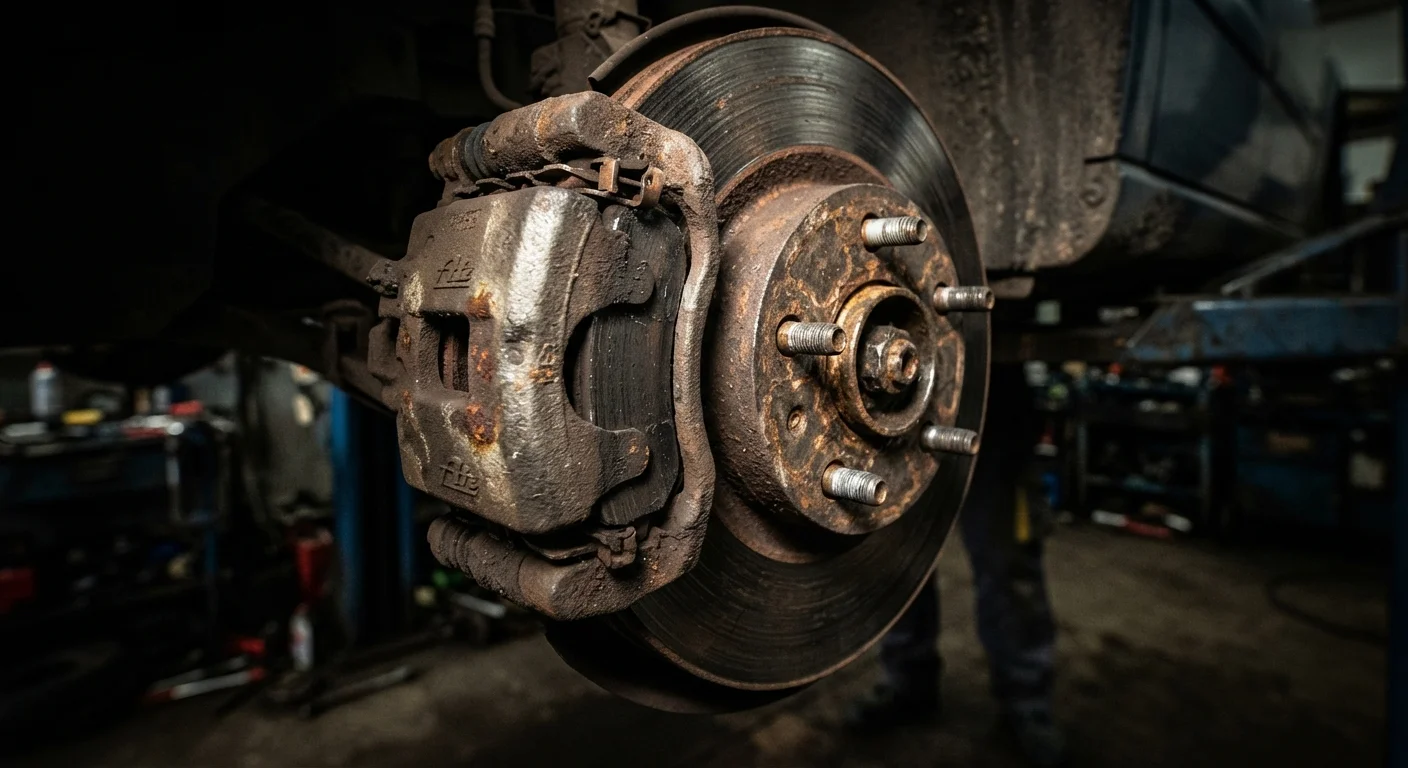
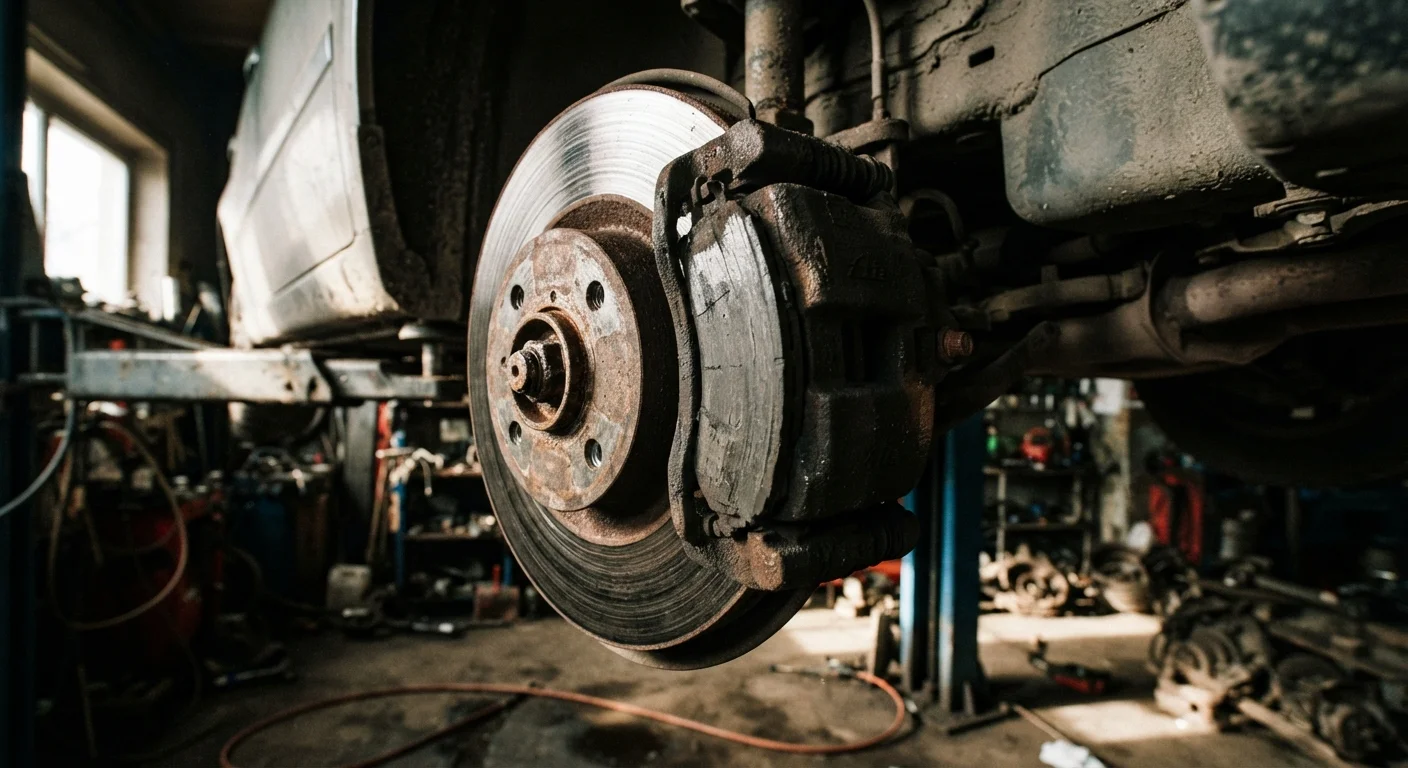
Hard, late braking generates enormous heat in the braking system, glazing rotors and compressing brake pads far faster than gradual stops do. Drivers who habitually brake late can wear through pads in half the expected mileage, turning a routine pad swap into a rotor replacement as well.
Avoid taking only very short trips when possible - combine errands into single longer drives.
Cold starts are the hardest thing an engine endures. Oil hasn't fully circulated, metal components haven't expanded to their designed tolerances, and combustion byproducts haven't burned off. A car that never warms fully - because every trip is under five miles - accumulates this stress constantly, accelerating internal engine wear and reducing oil life.
Keep your foot off the clutch pedal unless you're actively shifting gears.
Resting even light pressure on the clutch pedal partially disengages the clutch disc from the flywheel, creating constant friction and heat. Over time this wears the release bearing and pressure plate - components that are expensive to replace because accessing them requires removing the transmission.
Check and correct tire pressure monthly, not just when a warning light appears.
Under-inflated tires flex more than they're designed to, generating heat and uneven tread wear. They also increase rolling resistance, which forces the engine and drivetrain to work harder. Consistently low pressure accelerates tread wear unevenly and stresses sidewalls, shortening tire life well before the tread wears out. Handling on wet roads also deteriorates significantly with under-inflated tires.
Don't use your car as a storage unit - remove heavy, unnecessary cargo from the trunk and back seat.
Excess weight directly loads the suspension, brakes, and drivetrain. Springs, shocks, and wheel bearings are engineered for specific load ranges; consistently exceeding those ranges accelerates fatigue and wear. Braking distances also increase with added mass, which compounds brake wear over time.
For a closer look at what deferred maintenance actually costs, see why small car problems turn into expensive repairs.
Quick Changes You Can Make Today
You don't need to overhaul your driving style overnight. A few targeted adjustments will meaningfully reduce wear and extend the intervals between repairs.
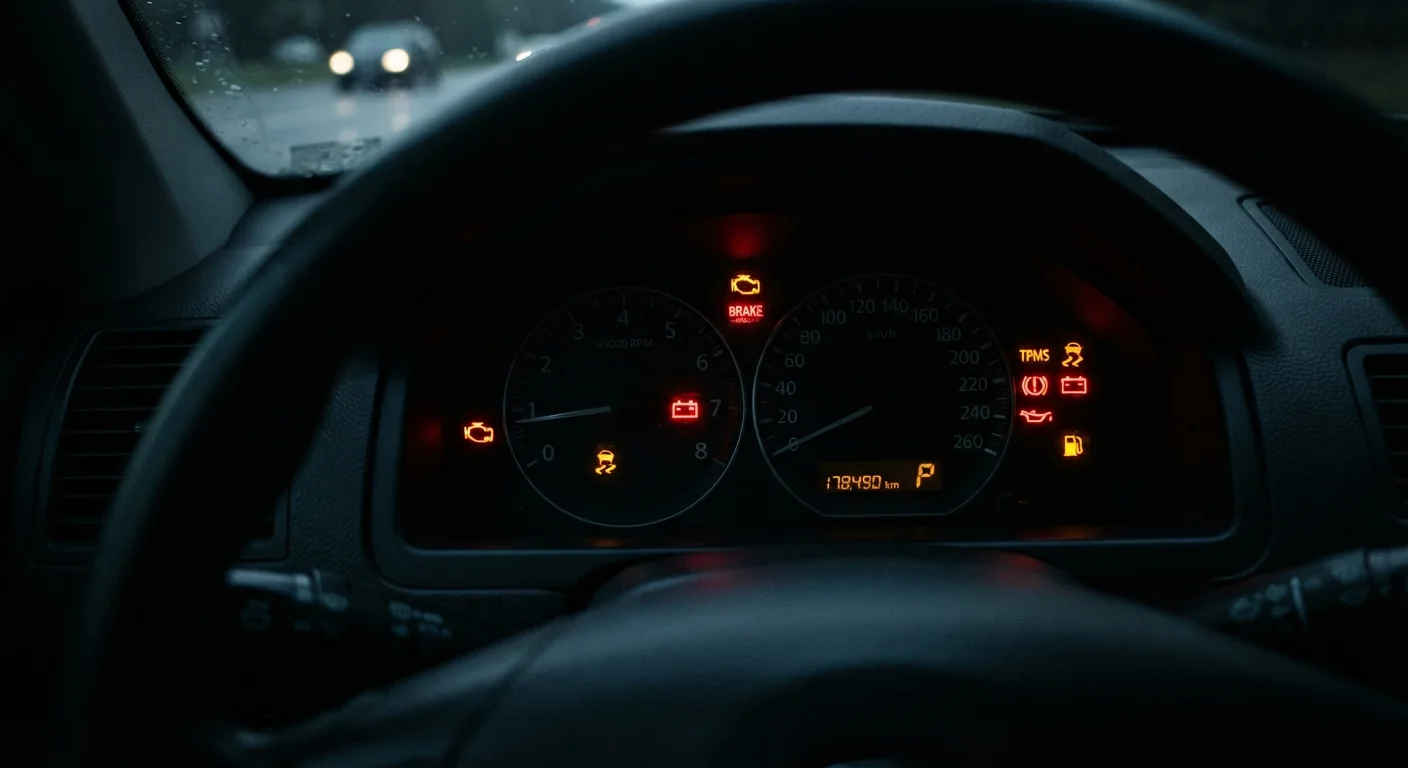
Keeping an eye on your dashboard is equally important - warning lights most drivers ignore are often the first signal that a habit has already caused damage.
What This Means for Your Maintenance Routine
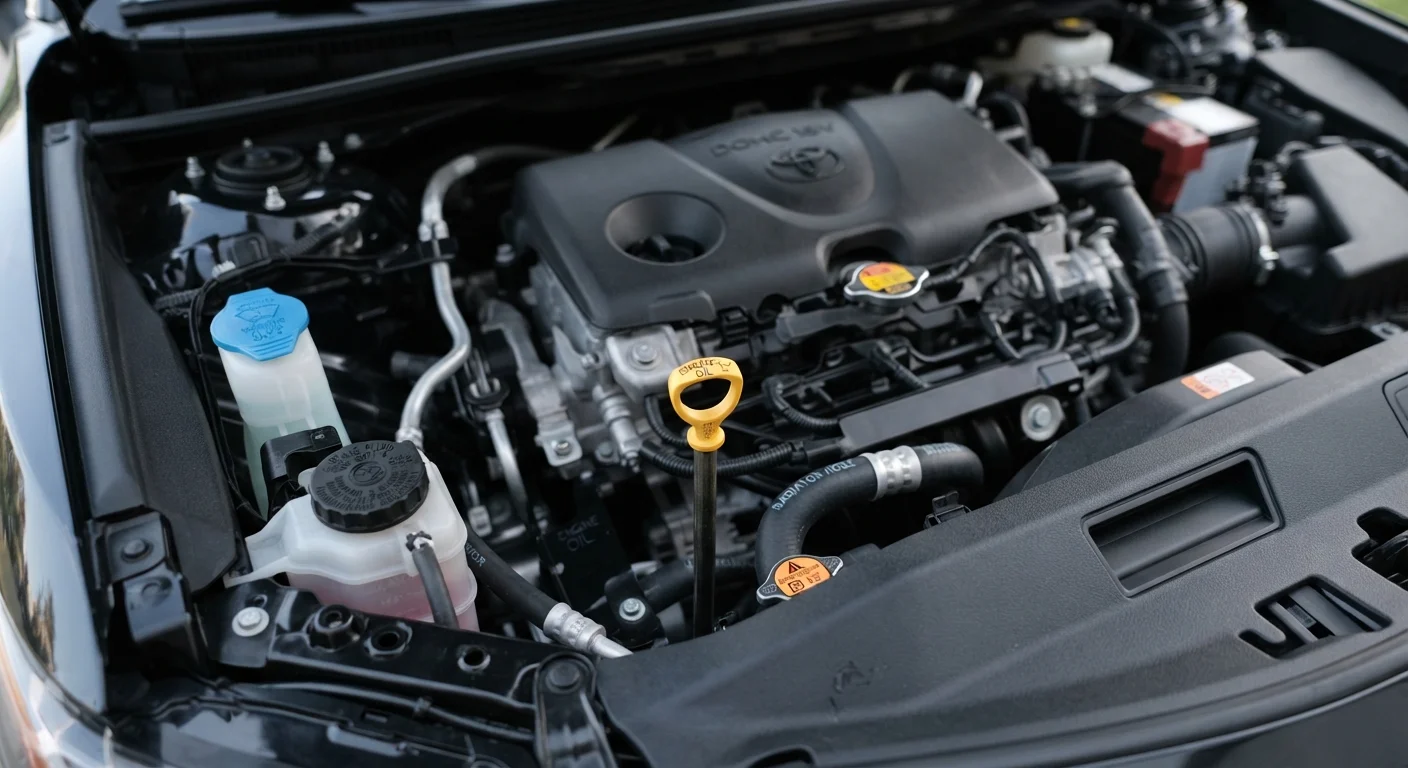
Driving habits and maintenance schedules work together. Even if you correct every habit listed here, skipping oil changes, ignoring fluid levels, or delaying inspections will still shorten your car's life. Review the basics with our guide to car fluids every driver should know about, and understand why skipping routine maintenance ends up costing more.
These Habits Compound Over Time
None of these patterns causes catastrophic damage immediately - that's why they're easy to dismiss. The harm is cumulative: each hard stop, each cold short trip, each mile on low tires adds a small increment of wear. Over 50,000 to 100,000 miles, those increments translate directly into repair costs and shortened component life. Consistency in correcting them is what produces measurable results.
Your braking system in particular deserves attention if you've been a habitual hard-braker. Learn how the components interact in our explainer on brake pads, rotors, and calipers.
This article is for general informational purposes. For diagnosis or repair of specific vehicle issues, consult a qualified mechanic.