The Real Math Behind 'Saving' on Maintenance
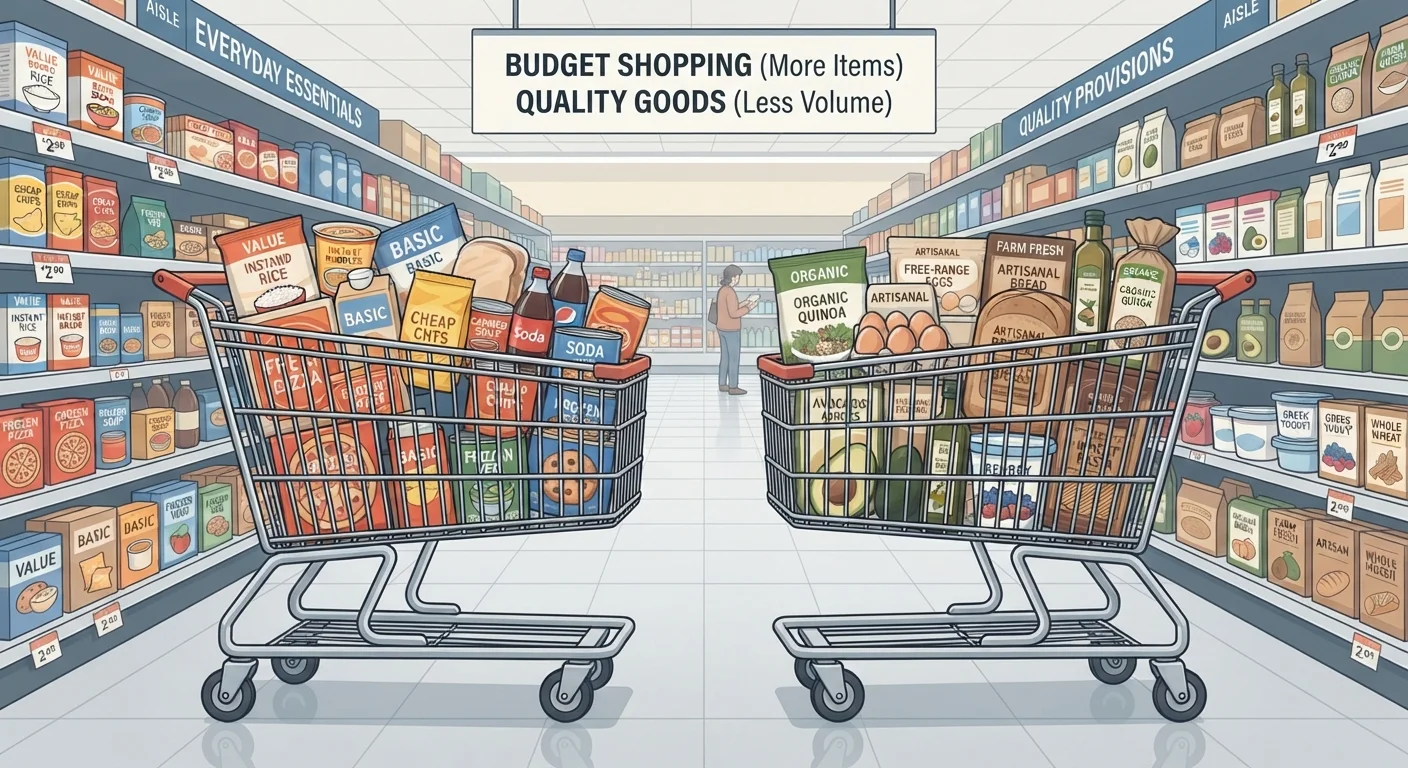
Skipping a $60 oil change feels like a win for your wallet. But when that decision leads to sludge buildup, premature engine wear, and a repair bill measured in thousands, the math falls apart quickly. This is the core trap of deferred vehicle maintenance: the short-term savings are visible, while the long-term costs stay hidden until something fails.
Budget-conscious drivers often treat maintenance as optional spending rather than protective spending. But routine services - oil changes, tire rotations, brake inspections, air filter replacements - exist to preserve components that are far more expensive to replace than to maintain. Understanding that distinction changes how you think about every service interval. For a broader look at how upfront savings can hide long-term costs, see why a lower price tag doesn't always mean a better deal.
Delaying oil changes past the manufacturer's recommended interval.
Why it happens: Oil changes feel routine and low-urgency, especially when the car seems to be running fine. Many drivers assume that as long as nothing feels wrong, they're okay.
Skipping tire rotations, leading to uneven tread wear and early replacement.
Why it happens: Tire rotation feels optional because tires don't immediately signal the problem - uneven wear develops gradually and invisibly until grip or handling is already compromised.
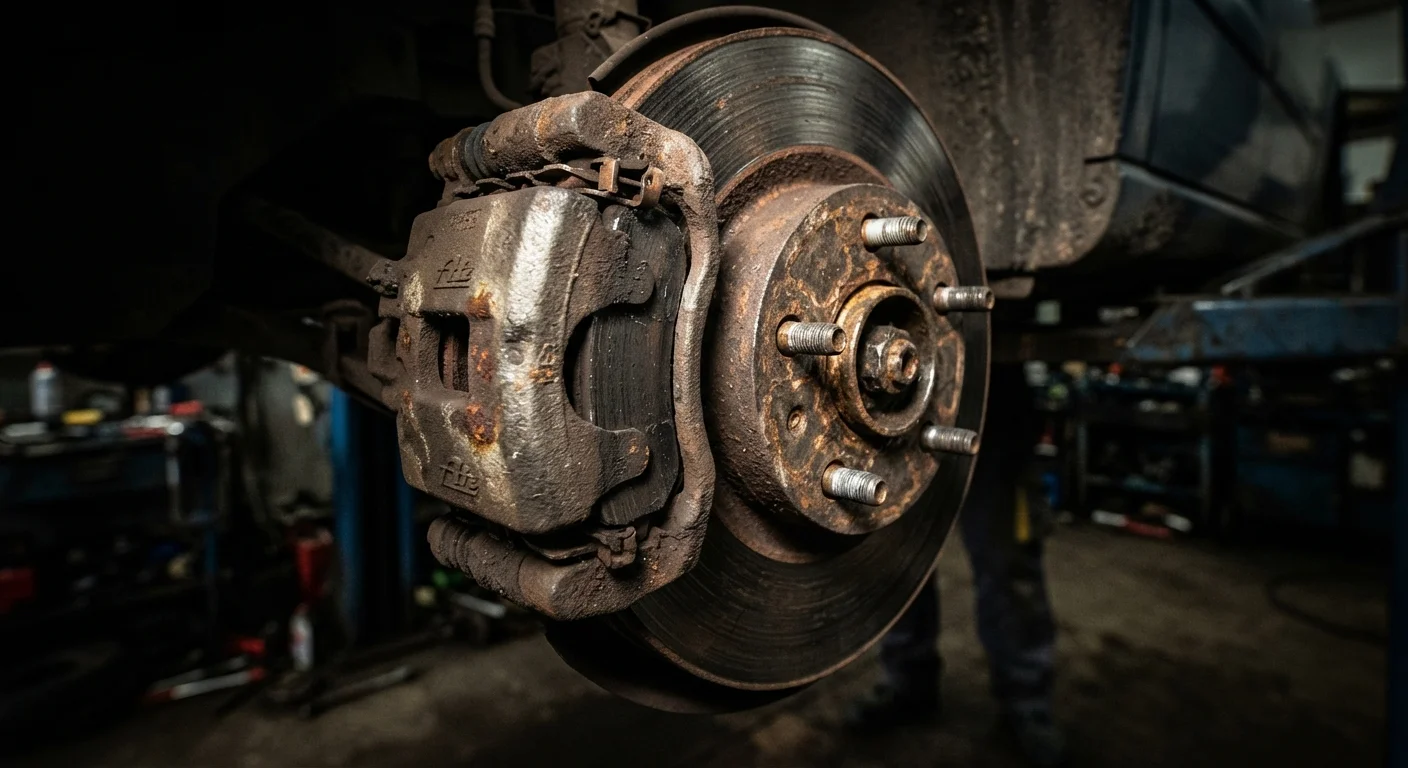
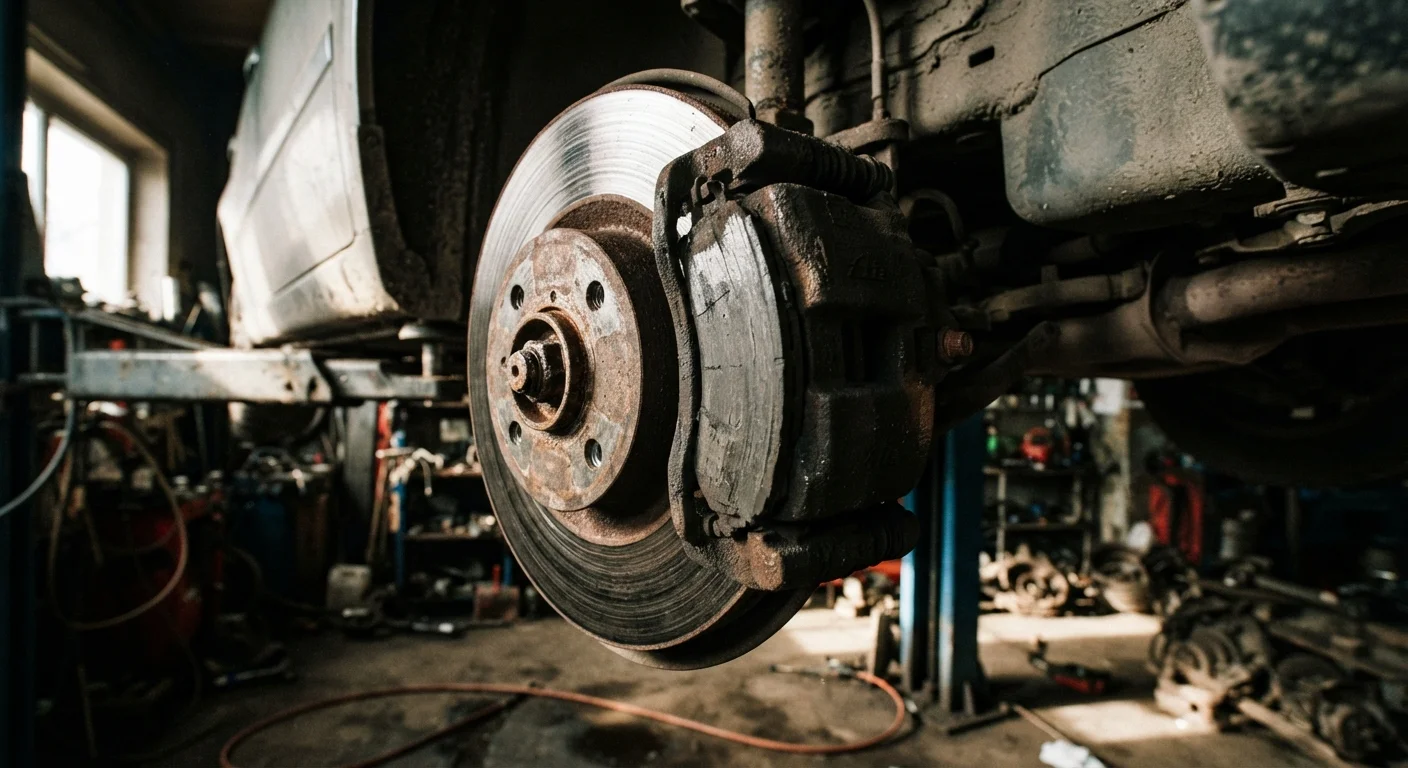
Ignoring the brake inspection schedule until brakes audibly fail.
Why it happens: Brakes often give warning signs - squealing, increased stopping distance - that drivers attribute to temporary conditions rather than wear. Waiting for the obvious sign of grinding means the pads are already gone.
Neglecting coolant, transmission, and brake fluid changes.
Why it happens: Fluid changes are invisible services with no dramatic warning signs when skipped. Drivers rarely think about fluids until a component fails, at which point the fluid's condition is the last thing on anyone's mind.
Putting off air filter and cabin filter replacements.
Why it happens: Filters are inexpensive to replace but easy to forget. Because their decline is gradual, drivers rarely notice the effect on fuel economy or air quality until the difference is significant.
Why These Mistakes Keep Happening
Most maintenance mistakes aren't the result of carelessness - they come from a combination of budget pressure, unclear information, and how auto shops sometimes communicate service needs. When a service advisor presents a long list of recommended items, it can feel like a sales pitch rather than a priority list, making it easy to dismiss everything.
Not Every Recommended Service Is Equally Urgent
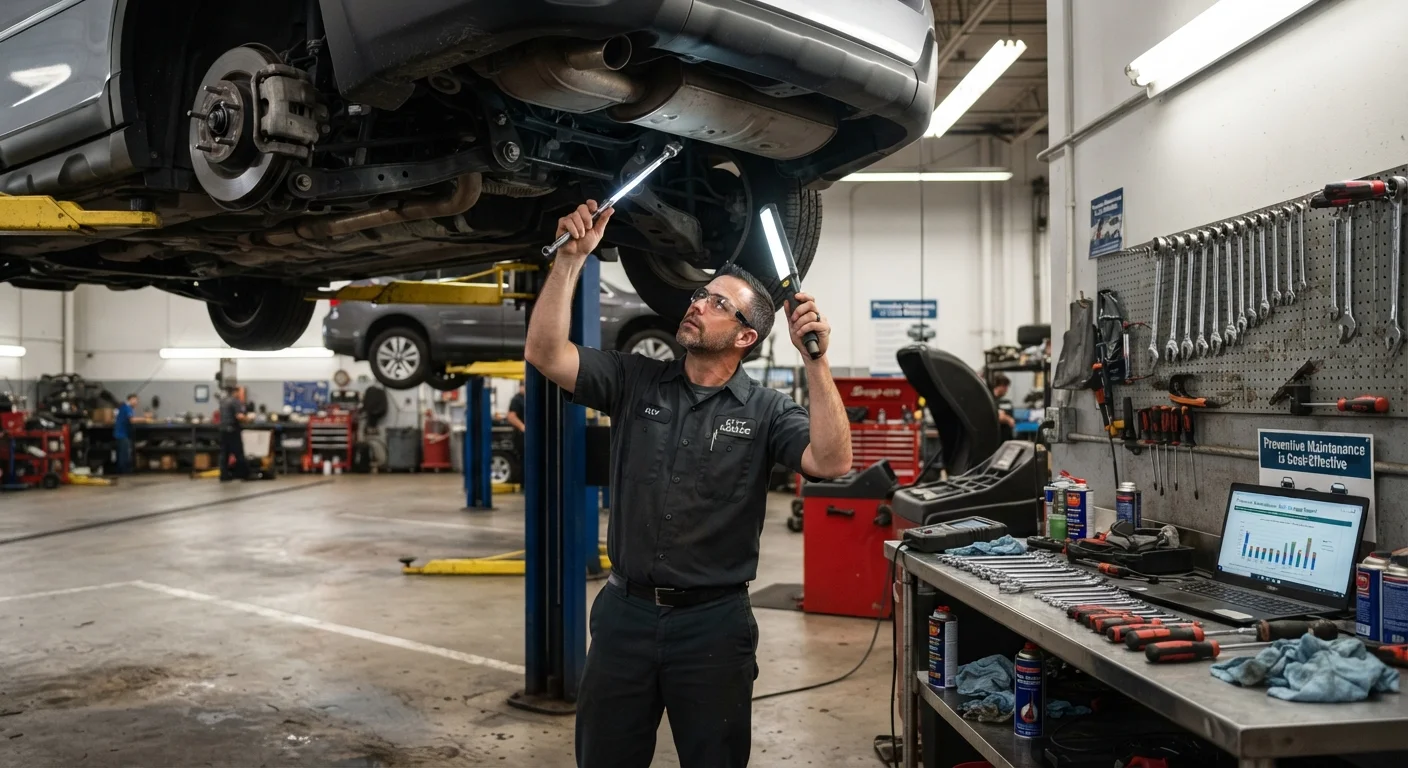
Shops may present a full list of services at each visit, but not every item carries the same urgency. Learn to distinguish safety-critical maintenance - brakes, tires, fluids - from items that can wait another interval without serious consequence. Your owner's manual is the reference point, not the service menu. When in doubt, ask the mechanic to explain exactly what will happen if you delay a specific service.
The result: drivers defer even the genuinely critical items. Over time, those deferrals stack up. A missed coolant flush doesn't show consequences immediately, but it quietly degrades the cooling system. A delayed brake inspection doesn't announce itself until you hear grinding metal. These are predictable outcomes, not bad luck. The chain reaction that makes deferred maintenance expensive is well-documented - and entirely avoidable with consistent attention.
The habits you drive with also matter. Hard braking, frequent short trips, and other everyday patterns accelerate wear in ways that make maintenance intervals more critical, not less. See habits that quietly wear out your car faster for a fuller picture.
$0.09/mile
Average U.S. vehicle maintenance cost per mile
According to AAA's annual "Your Driving Costs" study, routine maintenance averages around nine cents per mile - a figure that rises sharply when preventive services are skipped and repairs become necessary.
4-5x
Cost multiplier of repairs vs. prevention
Industry estimates consistently show that repairing a failed component costs four to five times more than the preventive service that would have avoided the failure - a ratio that holds across most common maintenance categories.
The most practical tool available to any driver is the owner's manual. It specifies maintenance intervals based on your actual vehicle - not a generic schedule designed to maximize shop revenue. If you're unsure whether the 3,000-mile oil change rule still applies to your car, it almost certainly doesn't: the 3,000-mile oil change is largely a myth for modern engines. Following your manual's guidance, combined with proven habits for keeping long-term ownership costs under control, puts you in control of what you spend and when.
For a clearer picture of what you can handle yourself versus what's worth paying a professional for, DIY car maintenance vs. taking it to a shop lays out a practical framework. And if tire services are on your list, understanding the difference between rotation, balancing, and alignment - three jobs that sound similar but aren't - helps you ask better questions: tire rotation, balancing, and alignment explained.
This article provides general vehicle maintenance information for educational purposes. Always consult a qualified mechanic for diagnosis, safety-critical repairs, or when in doubt about your vehicle's condition.