What Each Component Actually Does
Think of the braking system as a sequence: pressure, clamp, friction, stop. Each part plays a distinct role in that chain.
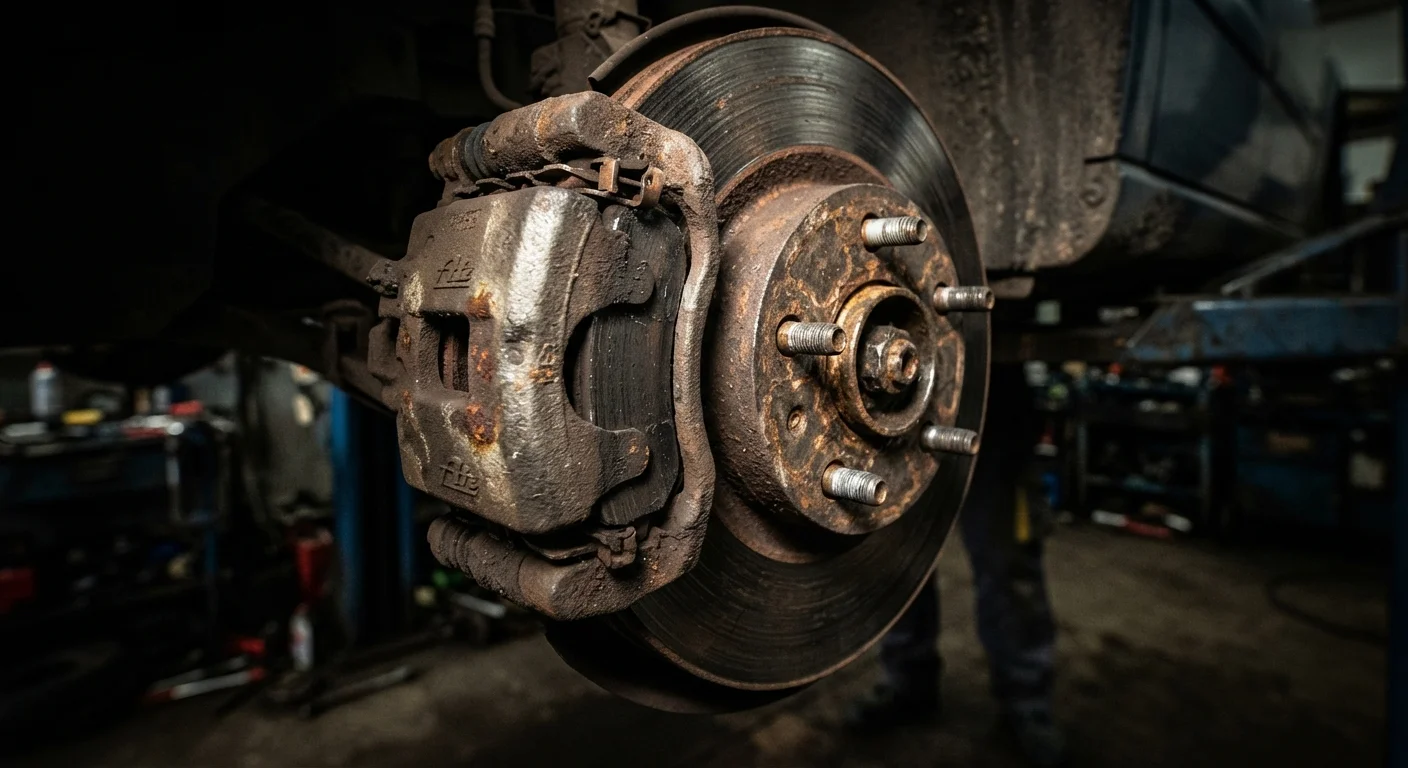
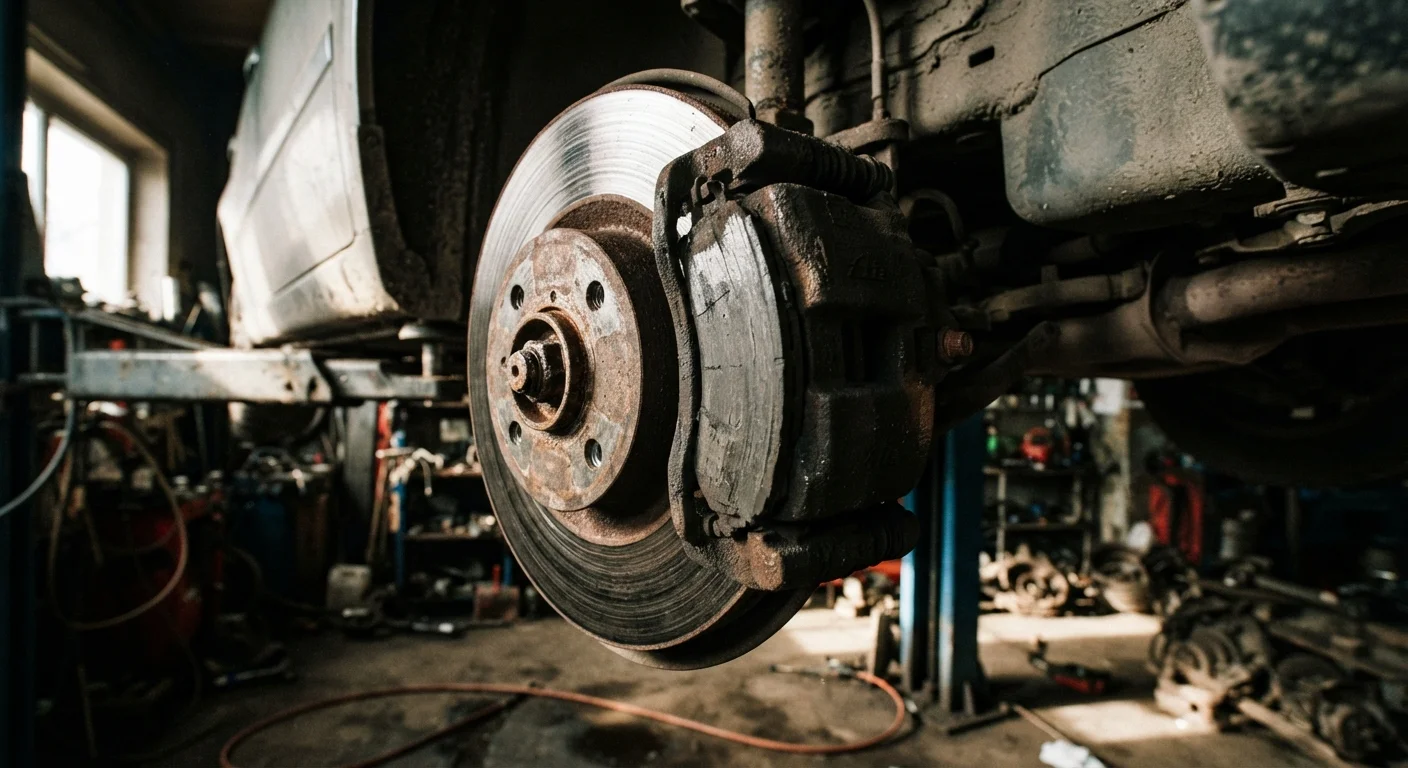
Brake pads are the friction material that physically contacts the rotor. They're made from a composite of materials - organic, semi-metallic, or ceramic - bonded to a steel backing plate. When you press the pedal, the pads are forced against the spinning rotor, converting kinetic energy into heat. Pads are designed to wear gradually and are the part you'll replace most often.
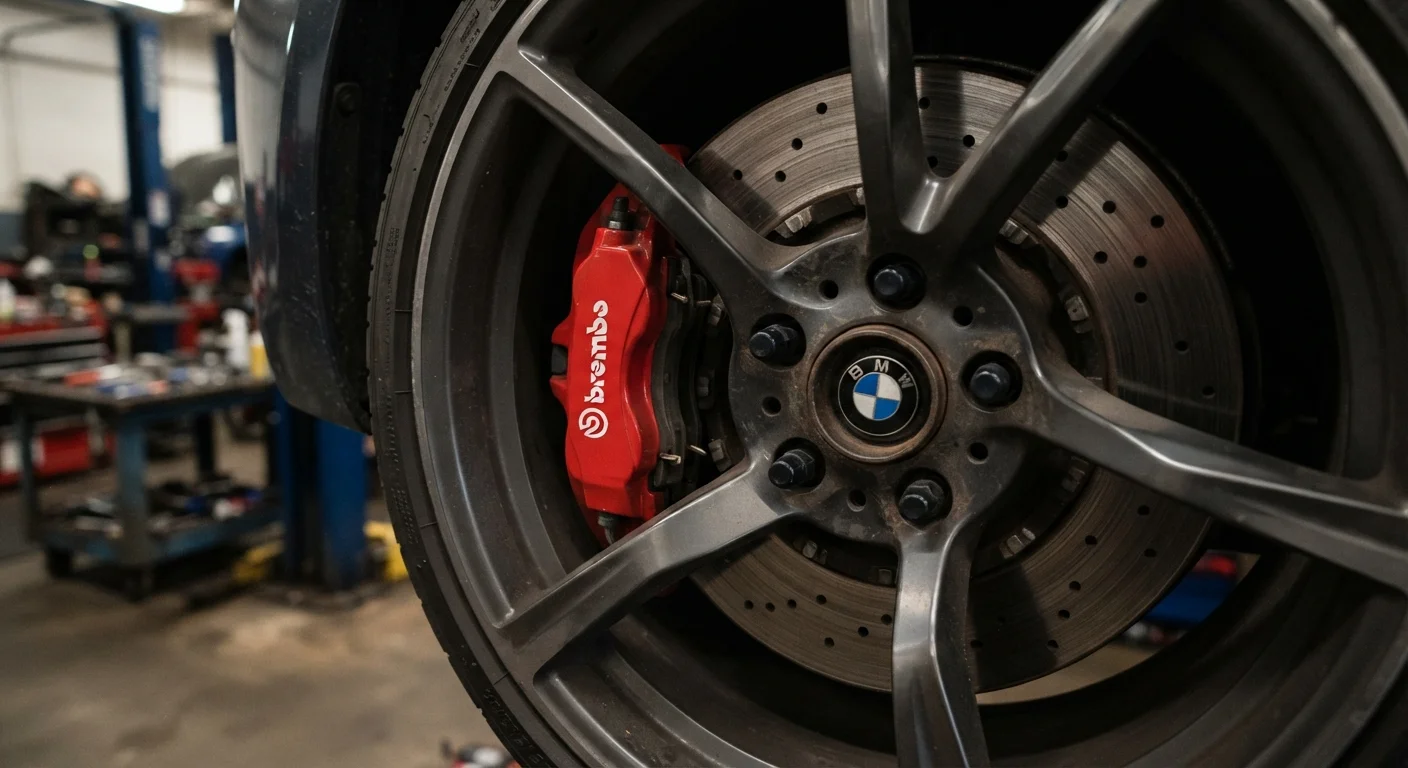
Rotors (also called brake discs) are the flat metal discs mounted to the wheel hub. The pad clamps against both flat faces of the rotor. They must dissipate enormous heat quickly and maintain a smooth, flat surface for even braking. A rotor that's too thin, warped, or deeply grooved can no longer do its job reliably.
Calipers are the hydraulic clamps that squeeze the pads against the rotor. When you press the brake pedal, brake fluid pressure pushes a piston (or multiple pistons) inside the caliper outward, clamping the pads. For more on the fluid that powers this process, see brake fluid and what it does.
Drum Brakes: A Different Design
Some vehicles - particularly older models or the rear axles of economy cars - use drum brakes instead of disc brakes. Drum brakes use curved brake shoes that press outward against the inside of a drum rather than clamping a rotor. The wear principles are similar, but the components and service procedures differ. Check your owner's manual or ask a mechanic to confirm what type your vehicle uses.
Warning Signs of Brake Wear
Your brakes communicate wear in predictable ways. Learning to recognize them early saves money and keeps you safe.
- Squealing or squeaking: Most brake pads have a small metal wear indicator that contacts the rotor when pads get thin, producing a high-pitched squeal. This is the system working as designed - telling you service is due soon.
- Grinding: Metal-on-metal contact. The pad material is gone. Stop driving and get the brakes inspected immediately.
- Pedal pulsing or vibration: A brake pedal that pulses underfoot during normal stops usually indicates a warped rotor. The rotor's uneven surface causes the caliper to catch and release unevenly.
- Pulling to one side: Could be a sticking caliper applying uneven pressure, or uneven pad wear across the axle.
- Longer stopping distances: If the car feels like it takes more effort or distance to stop, the braking system needs professional inspection.
A small brake squeal that's ignored can turn a simple pad replacement into a full rotor and pad job - roughly two to three times the cost.
Get Brakes Checked at Every Tire Rotation
Most tire rotations include a visual brake inspection - the wheel is already off the car. Ask your mechanic to measure pad thickness and check rotor condition at that time. It costs nothing extra and gives you a clear picture of wear before it becomes urgent.
Service Intervals and Cost Context
Brake service intervals aren't fixed mileage numbers - they depend on how and where you drive. Stop-and-go city commuting, towing, or frequent hard braking all accelerate pad wear significantly compared to highway driving.
70%
Braking force handled by front brakes
Weight transfers forward during braking, placing the majority of stopping load on front brake components - which is why front pads wear faster than rear pads.
30K-70K
Typical brake pad lifespan in miles
The wide range reflects how dramatically driving style and environment affect wear - city stop-and-go use can halve the life of pads compared to highway driving.
As a general reference: brake pads are commonly inspected every 12,000-15,000 miles and replaced somewhere between 30,000 and 70,000 miles. Rotors typically outlast two to three sets of pads, but they have a minimum thickness specification stamped on them - once they wear past that point, replacement is required regardless of surface condition.
Calipers rarely need replacement on a normal schedule, but a seized piston or leaking seal is a failure that must be addressed. Driving on a faulty caliper risks brake fade, uneven stopping, and potential loss of braking control.
Your vehicle's scheduled maintenance plan is the right starting point for brake inspection intervals. See your car's maintenance schedule explained for how brake checks fit into broader service milestones.
This article is for general informational purposes. Brake system maintenance involves safety-critical components - always consult a qualified mechanic for diagnosis, inspection, or repair.