Why Maintenance Intervals Exist
Every vehicle is a collection of components that wear down at predictable rates. Engineers design maintenance schedules by testing how long fluids, filters, belts, and other parts perform reliably under real-world driving conditions. Those test results become the intervals printed in your owner's manual.
The goal isn't to generate shop revenue - it's to prevent cascading failures. A $15 air filter left too long can starve an engine of clean airflow. A neglected coolant flush can lead to corrosion that damages a water pump or radiator. Routine maintenance is, fundamentally, cheap insurance against expensive repairs.
Understanding the true cost of car ownership means looking beyond the purchase price. Maintenance is one of the most controllable line items in that budget - and skipping it rarely saves money over time.
$1,200+
Average annual vehicle maintenance cost for U.S. drivers
According to AAA's annual 'Your Driving Costs' study, maintenance and tire costs are among the most significant recurring ownership expenses.
5,000-10,000 mi
Typical modern oil change interval
Many automakers now recommend this range for vehicles using full-synthetic oil, replacing the outdated 3,000-mile rule.
~35%
Drivers who skip or delay recommended services
Industry service data consistently shows a large share of vehicles arrive at shops overdue for at least one scheduled maintenance item.
The Key Milestones and What They Cover
Maintenance schedules are organized around mileage checkpoints, typically every 5,000 to 10,000 miles for routine items and every 30,000, 60,000, or 90,000 miles for major services. Here's what generally happens at each tier:
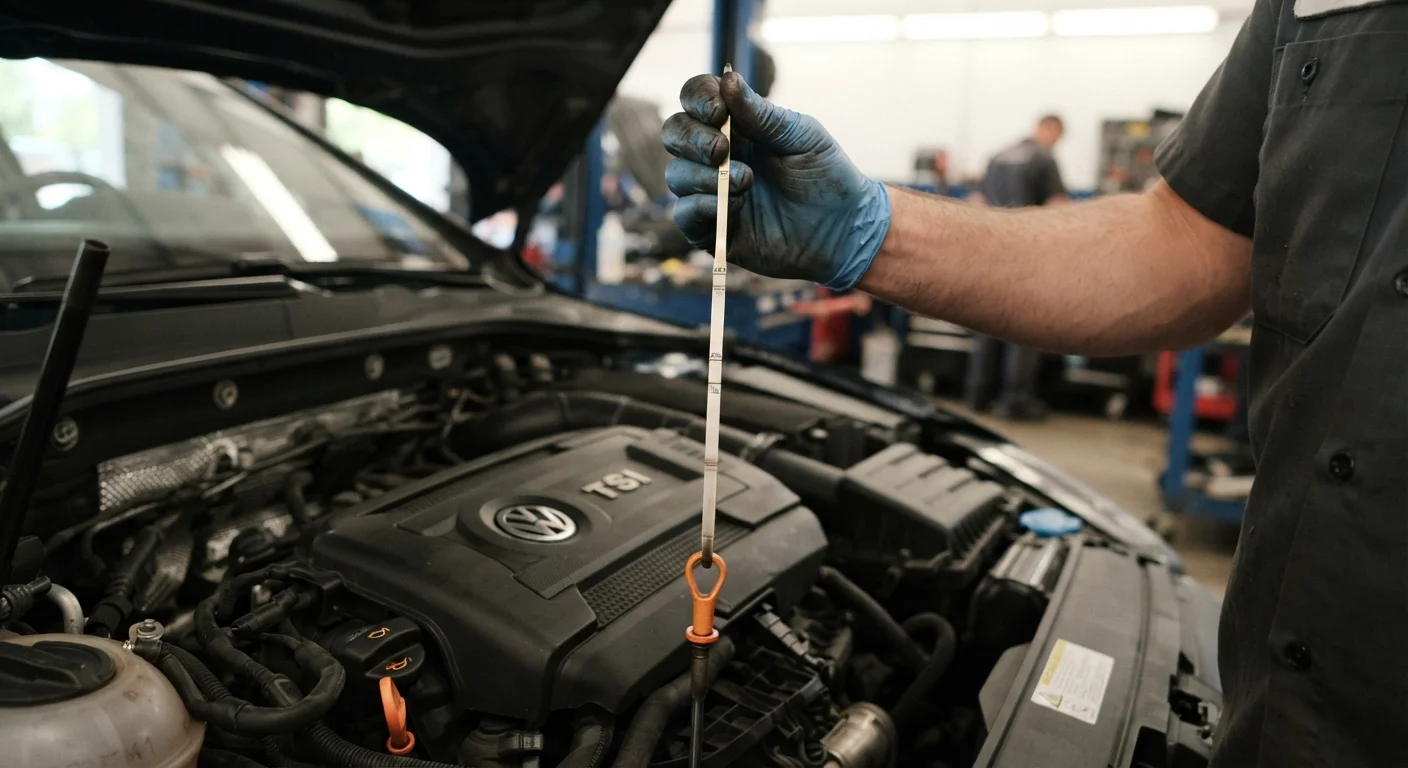
- Every 5,000-10,000 miles: Oil and filter change, tire rotation, visual inspection of brakes and fluid levels. The exact interval depends on your oil type and engine. The 3,000-mile rule is outdated for most modern vehicles.
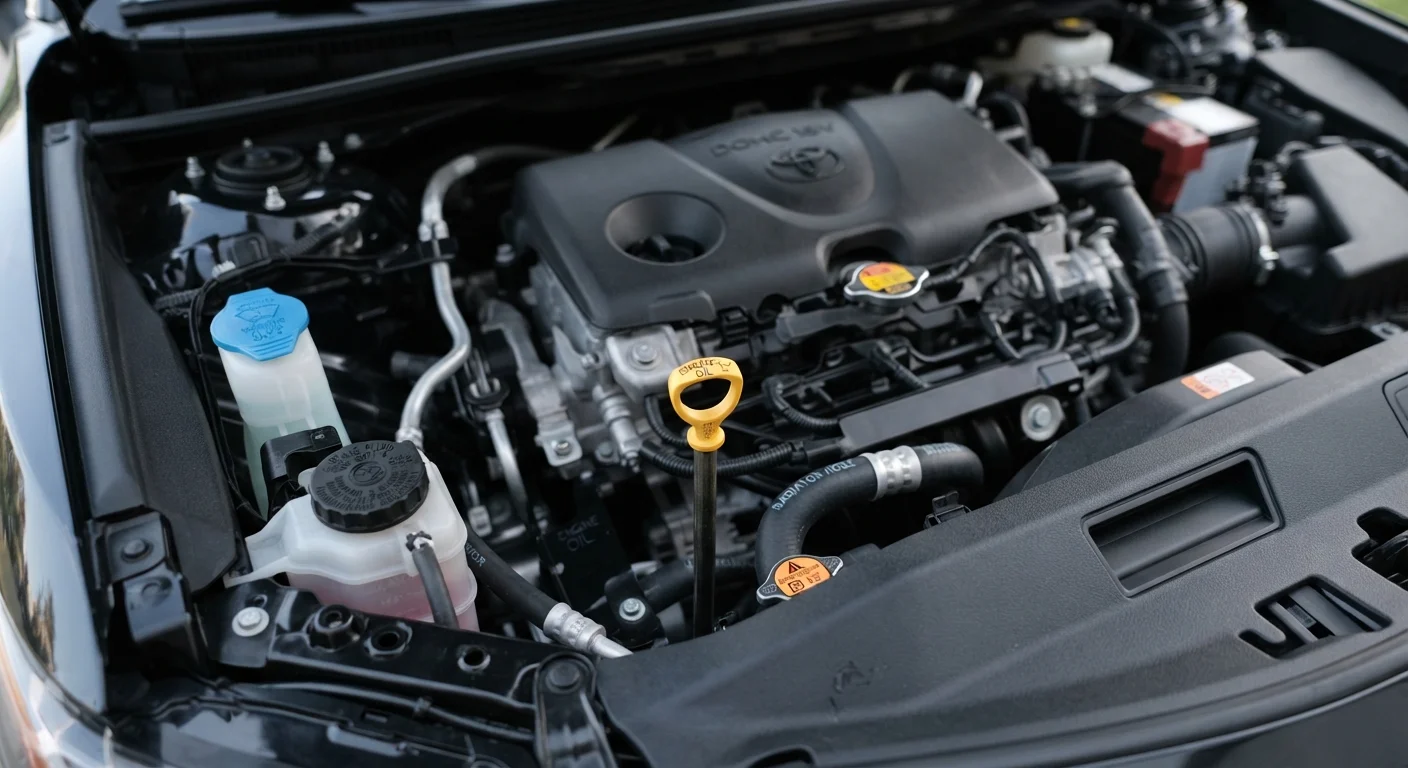
- Every 15,000-30,000 miles: Air filter replacement, cabin air filter check, brake inspection, battery test, and topping off or replacing fluids as needed.
- Every 30,000-60,000 miles: Transmission fluid, coolant flush, spark plugs (depending on type), and drive belt inspection. These are the services most drivers skip - and the ones most likely to cause expensive repairs if ignored.
- Every 60,000-90,000 miles: Timing belt replacement (if applicable - not all engines have one), differential fluid, and a comprehensive inspection of suspension and steering components.
For a detailed breakdown of what each fluid does and when it needs attention, see our guide to car fluids every driver should know about.
Use the Mileage or Months Rule
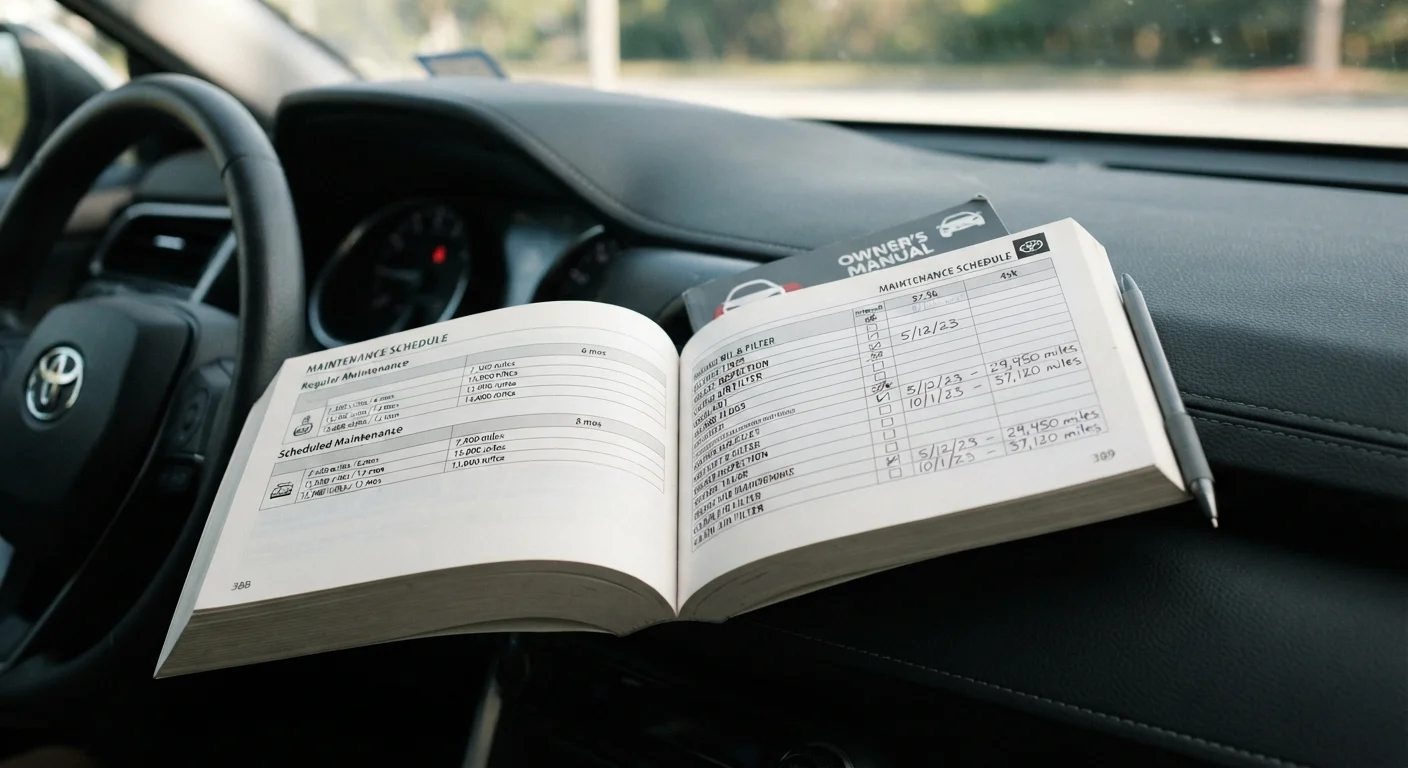
Owner's manual intervals are almost always expressed as 'every X miles or X months, whichever comes first.' Don't ignore the time component. If you drive very little, fluids and seals still degrade with age. A car driven only 3,000 miles in a year may still need an oil change based on elapsed time alone - check your manual for the specific time limit.
Normal vs. Severe Driving: Which Schedule Applies to You?
Most drivers assume they fall under the 'normal' schedule. In reality, a significant portion qualify as 'severe' - and many don't know it. Severe conditions include:
- Frequent short trips under 5 miles, especially in cold weather
- Regular stop-and-go city driving
- Towing, hauling heavy loads, or driving on hilly terrain
- Dusty, muddy, or sandy environments
- Extreme heat or cold climates
Short trips are especially hard on engines because the oil never fully heats up to burn off moisture and combustion byproducts. Over time this degrades the oil faster than highway miles would. If your commute fits this profile, follow the severe schedule - it exists for a reason.
Not sure how to read the interval charts in your manual? The maintenance sections of your owner's manual walk through exactly how to interpret them.
Keeping Records and Staying on Track
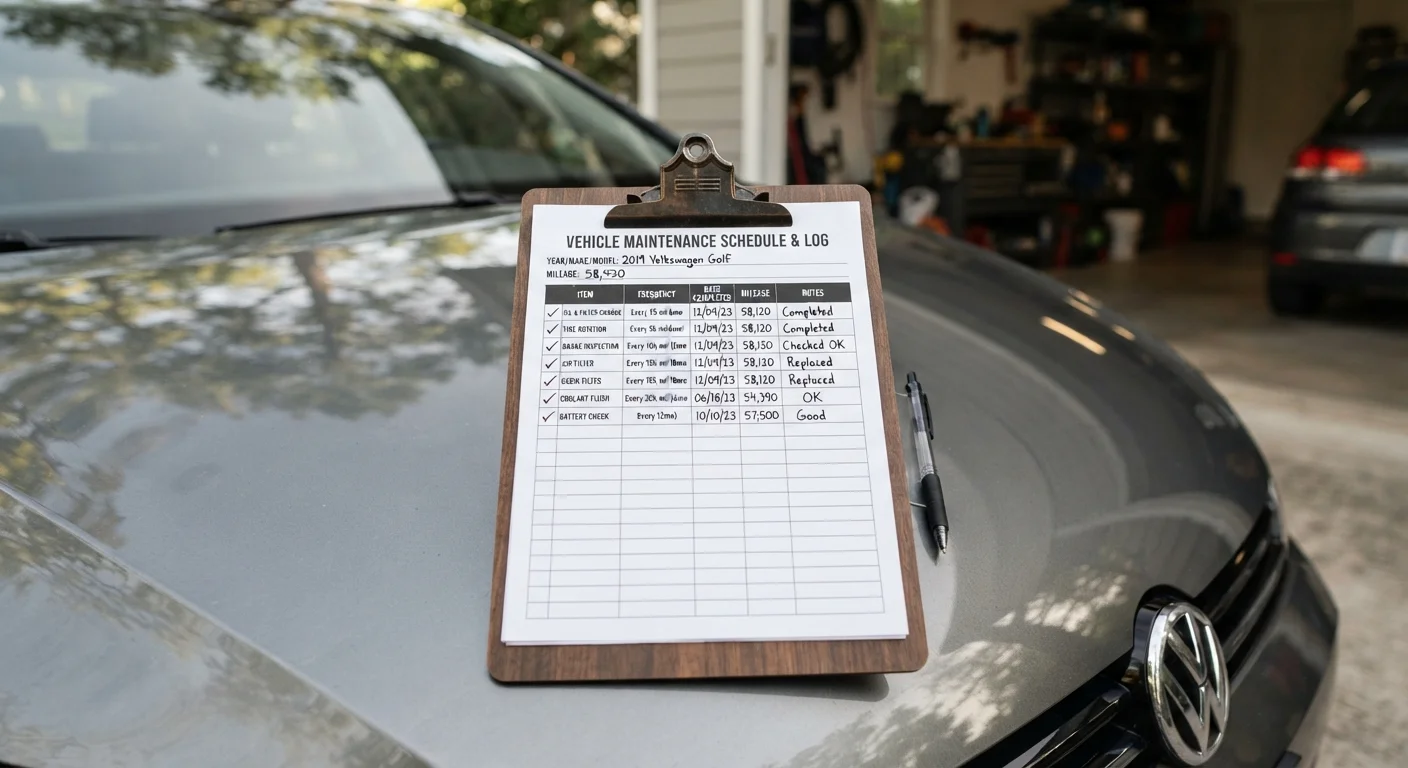
A maintenance log - even a simple folder of receipts - pays dividends. It proves to future buyers that the car was serviced, helps mechanics identify recurring issues, and keeps you from guessing when something was last done.
Many modern vehicles display an oil life percentage or a service reminder on the dashboard. These systems adjust intervals based on actual driving data, not fixed mileage. Trust them, but don't rely on them exclusively - they typically only track oil changes, not the full range of scheduled services.
For tasks you're comfortable handling yourself, knowing which jobs to DIY and which to leave to a mechanic can meaningfully reduce your annual maintenance spend. And if your vehicle is due for a state inspection, it's worth knowing what inspectors actually examine - a well-maintained car should pass with few surprises.
This article is for general informational purposes only. Always consult your vehicle's owner's manual and a qualified mechanic for service decisions specific to your car.