Why Most Drivers Skip the Manual - And Why That's Expensive
The average owner's manual runs 300 to 500 pages, and most drivers open it once - to figure out how to turn off the seat-warmer chime - and never touch it again. That's understandable. It's not written for bedtime reading. But burying it in the glove box means you're likely relying on whoever's changing your oil to tell you what your car needs. That's a conflict of interest worth thinking about.
Your manual contains maintenance intervals engineered for your specific engine, transmission, and climate system. Generic service reminders from a shop or a mileage sticker on your windshield are not the same thing. Following your manual's schedule - rather than a one-size-fits-all rule - is one of the more straightforward ways to keep long-term ownership costs under control.
You don't need to read the whole thing. You need to know which four or five sections are genuinely useful - and what to look for when you open them.
What you will need
The Sections Worth Finding Right Now
Pull your manual out before you continue - or download a PDF from your manufacturer's website if the glove box version has gone missing. Here are the sections that do real work:
Scheduled Maintenance Chart
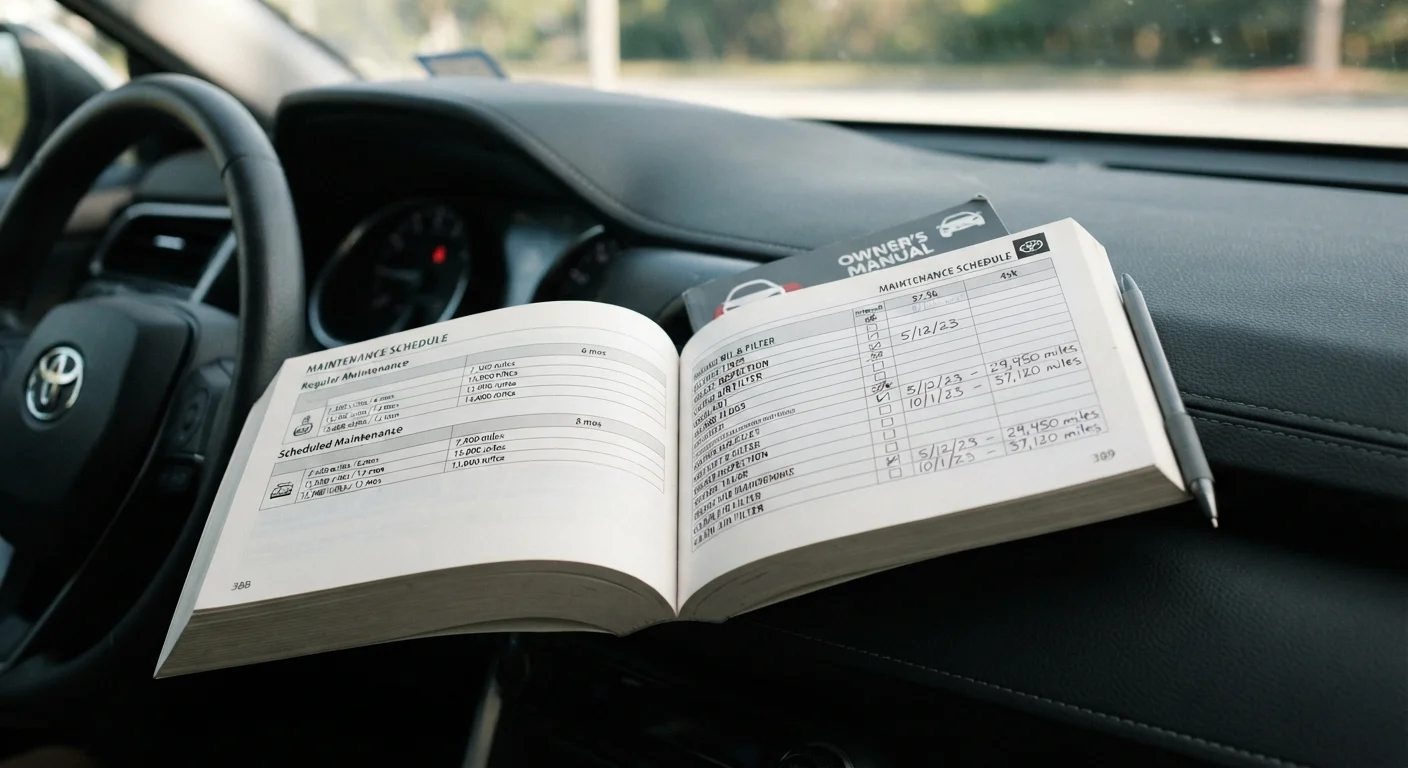
This is the most important section in the manual. It lists every service item - oil changes, air filters, spark plugs, brake fluid, timing belt or chain inspection, and more - organized by mileage or time intervals. Each service milestone has a specific meaning tied to component wear rates for your vehicle.
Pay close attention to whether the chart has two columns: one for Normal driving conditions and one for Severe. Most manufacturers define severe as: frequent short trips under five miles, stop-and-go city traffic, towing or hauling, dusty environments, or extreme temperatures. If any of those describe your typical driving - and for many American commuters, they do - the severe schedule applies to you.
Severe Driving Is More Common Than You Think
Manufacturers define 'normal' conditions as steady highway driving in mild climates with minimal idling - conditions that describe fewer drivers than the label implies. If you drive in a city, experience cold winters, or regularly make short trips, the severe schedule is almost certainly the right one for you. Applying the wrong schedule can lead to genuinely premature wear on components like timing chains, transmission fluid, and engine oil.
Fluid Specifications Page
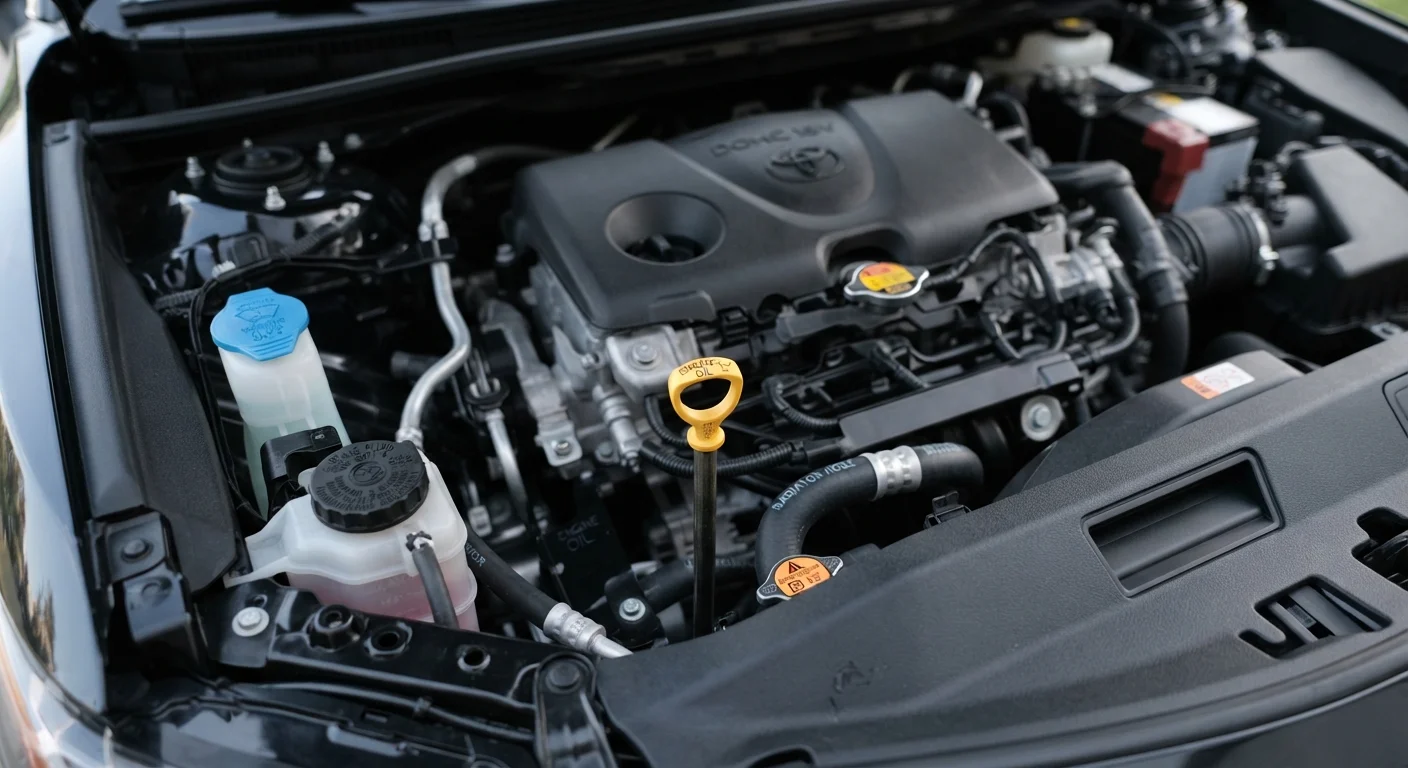
This page lists the exact grade and type of oil, coolant, brake fluid, transmission fluid, and power steering fluid your vehicle requires. It matters more than most drivers realize. Using the wrong coolant mixture, for instance, can accelerate corrosion in aluminum components. The fluids your car depends on are not all interchangeable across vehicles, even within the same brand.
Warning and Indicator Lights
Dashboard icons are designed to grab attention, not explain themselves. The manual's warning light section tells you whether a given light signals stop immediately, drive cautiously to a shop, or schedule a routine appointment. That distinction directly affects both your safety and your repair bill. For a closer look at which alerts are genuinely urgent, see warning lights most drivers ignore until it's too late.
Tire Information and Inflation
The correct tire pressure for your vehicle is listed in the manual and on the sticker inside the driver's door jamb - not on the tire sidewall, which lists the maximum pressure, not the recommended pressure. Running tires at the correct pressure affects fuel economy, handling, and tread wear. Checking your own tire pressure takes about five minutes and costs nothing.
Owner's Manual (print or PDF)
The primary source for your vehicle's exact maintenance intervals, fluid specifications, and warning light descriptions.
Notepad or notes app
For recording upcoming service items and mileage milestones so you have a reference before shop visits.
Tire pressure gauge
To verify that current tire inflation matches the vehicle manufacturer's specified pressure listed in the manual.
How to Read the Service Interval Chart Without Getting Lost
Service interval charts look complicated but follow a consistent pattern once you know how to scan them. Here's the method:
Find your current mileage and locate the chart
Write down your current odometer reading before you open the manual. The service chart is organized by mileage intervals - typically every 5,000, 7,500, 15,000, or 30,000 miles depending on the item. Knowing where you are in the cycle tells you immediately which column is relevant.
Determine whether normal or severe conditions apply to you
Read the definitions your manufacturer uses for each category. If your daily driving includes frequent trips under five miles, significant idling, consistent stop-and-go traffic, or extreme heat or cold, use the severe schedule. When in doubt, the severe schedule is the safer default - it was built for higher-stress operation, not for being overly cautious.
Identify every item due at your next interval
Scan the row corresponding to your next mileage milestone. Note every item marked for inspection, replacement, or service. Some charts use check marks; others use codes like 'I' (inspect) and 'R' (replace). The chart's legend - usually printed at the top or bottom - defines each symbol.
Cross-reference time-based intervals alongside mileage
Many service items have dual triggers: mileage or elapsed time, whichever comes first. Brake fluid, for example, may be listed as every 30,000 miles or every two to three years - and if you drive infrequently, the time trigger will arrive first. Check both columns for every item and apply whichever threshold you'll hit sooner.
Record what you find and flag upcoming services
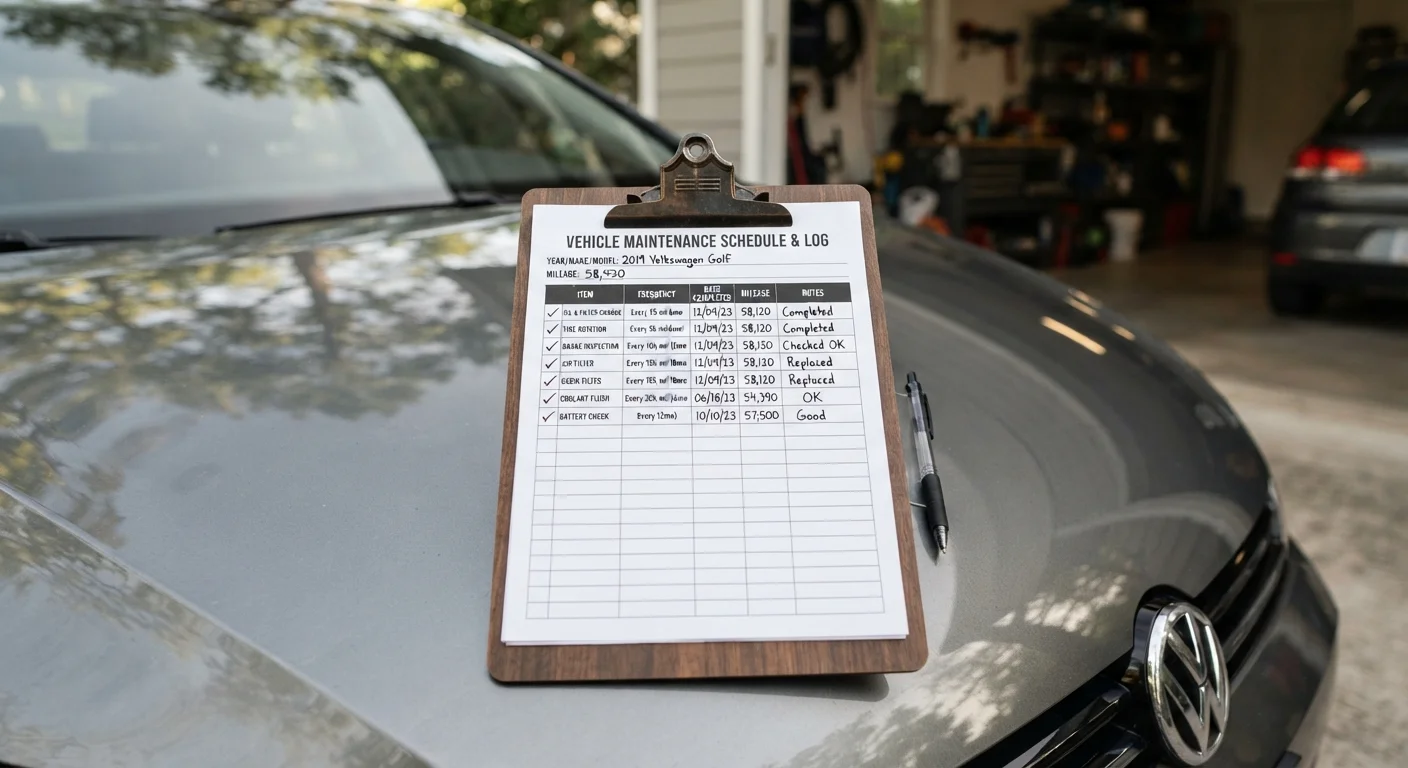
Write down or photograph the list of services due at your next interval and the one after it. Keep this somewhere accessible - a notes app on your phone works fine. This gives you a reference point before any shop visit so you can confirm that proposed services match what the manual actually calls for, and so you can plan for higher-cost items before they arrive unexpectedly. For high-mileage vehicles, this habit becomes even more valuable - see the complete guide to keeping a high-mileage car on the road for additional guidance.
Once you're comfortable reading the chart, you'll likely notice some intervals you've been skipping and others you've been paying for early. Either outcome is useful information. For drivers new to interpreting this kind of schedule, this beginner's maintenance overview provides helpful additional context.
Knowing what's actually due - and what isn't - is also the foundation for deciding which tasks you might handle yourself versus which ones warrant a professional. That decision is covered in detail in DIY car maintenance vs. taking it to a shop.
Don't Rely on the Shop's Computer Reminder Alone
Many service centers use generic mileage-based reminder systems that may not match your vehicle's actual manufacturer schedule. These systems are designed for efficiency, not for your specific model's engineering requirements. Always cross-reference any recommended service against your own manual before authorizing work - particularly for higher-cost items like transmission flushes or coolant exchanges.