Why Long-Term Costs Catch Most Drivers Off Guard
The sticker price of a car is just the opening bid. Over five to ten years of ownership, the real expenses - fuel, insurance, maintenance, tires, registration, and unexpected repairs - routinely exceed what the vehicle originally cost. According to the American Automobile Association (AAA), the average American driver spends well over $10,000 per year on total vehicle ownership when all costs are factored in. For budget-conscious drivers, this is the number that actually matters.
Most of those costs are not random. They follow predictable patterns, which means they can be planned for and, in many cases, reduced. The habits you build in year one of ownership shape how much you spend in year seven. Understanding the full cost picture - not just the monthly payment - is the first step toward keeping it under control. See our budgeting basics hub for a broader framework to track all your major expenses alongside vehicle costs.
$10,000+
Average annual cost of U.S. vehicle ownership
AAA's annual Your Driving Costs study consistently shows total ownership expenses - including depreciation, fuel, insurance, and maintenance - exceed $10,000 per year for the average American driver.
5x
Cost difference: prevention vs. repair
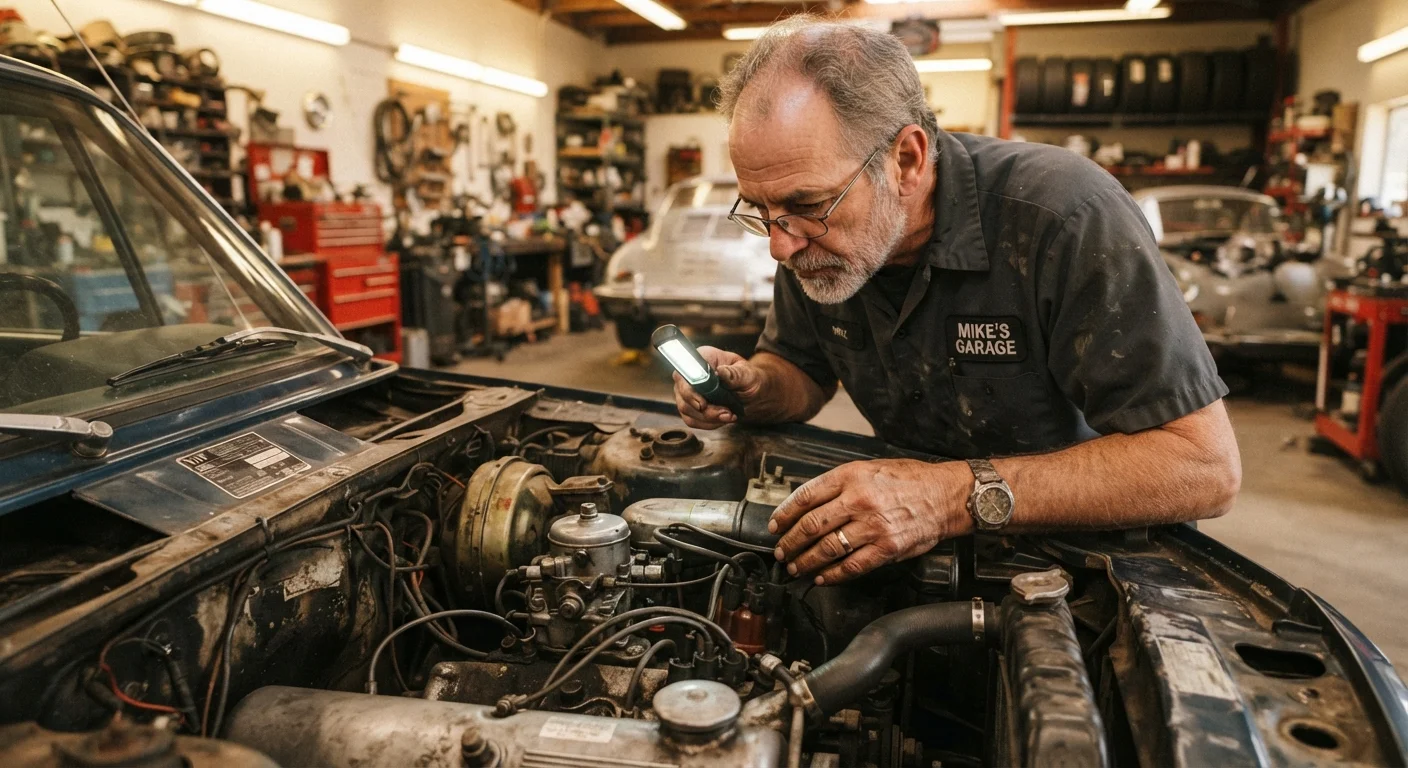
Industry mechanics and automotive engineers broadly estimate that neglected maintenance leads to repair bills five times or more higher than the original preventive service would have cost.
Best Practices for Reducing What You Spend on Your Vehicle
The practices below aren't about cutting corners - they're about spending smarter so your car stays reliable longer while costing you less over time.
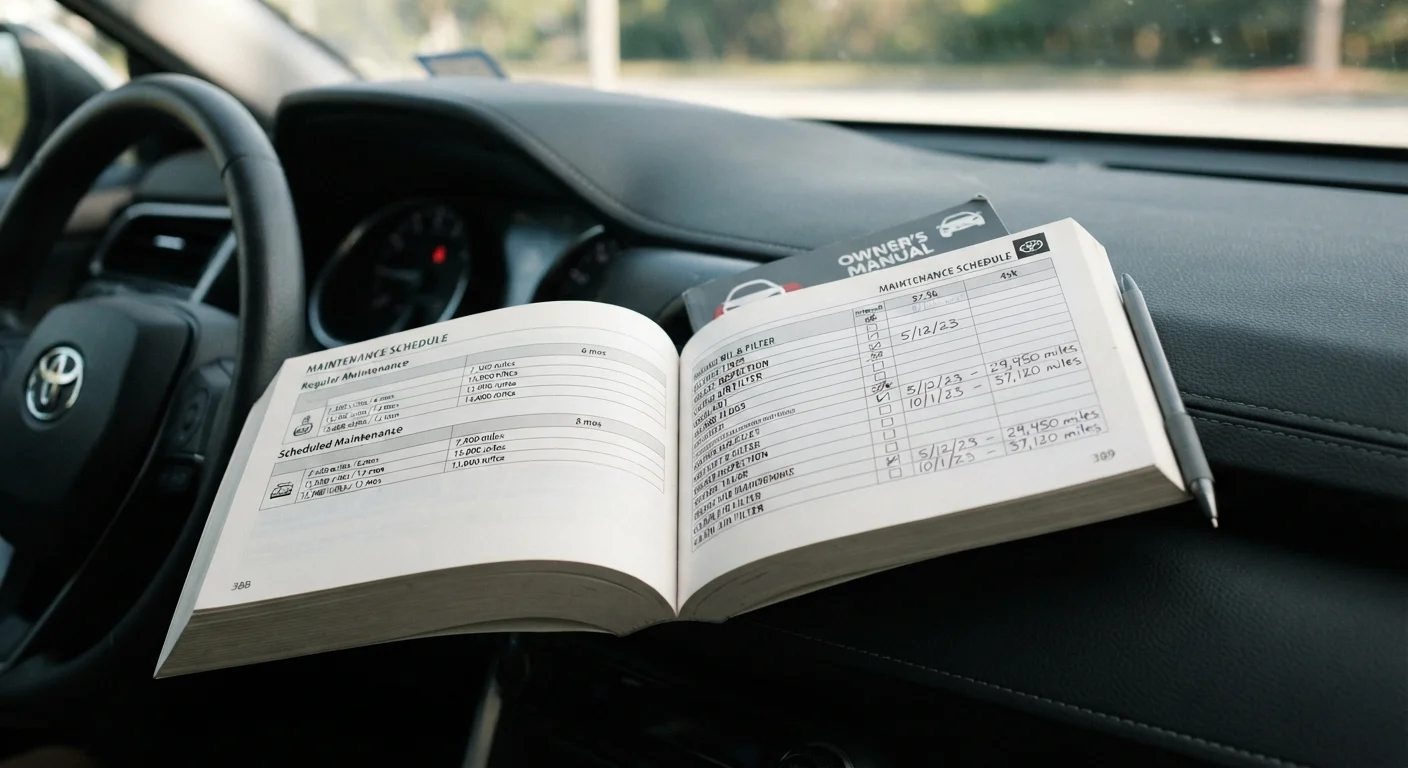
Follow your manufacturer's maintenance schedule - not the shop's default recommendation.
Service intervals in your owner's manual are based on engineering data for your specific engine and drivetrain. Many shops default to conservative intervals (like 3,000-mile oil changes) that may be unnecessary for your vehicle, costing you money without benefit.
Keep a running log of every vehicle expense, no matter how small.
Without a written record, most drivers significantly underestimate what they spend on their cars. A log reveals patterns - like recurring brake or tire costs - that signal deeper issues worth addressing proactively.
Maintain correct tire pressure and rotate tires on schedule.
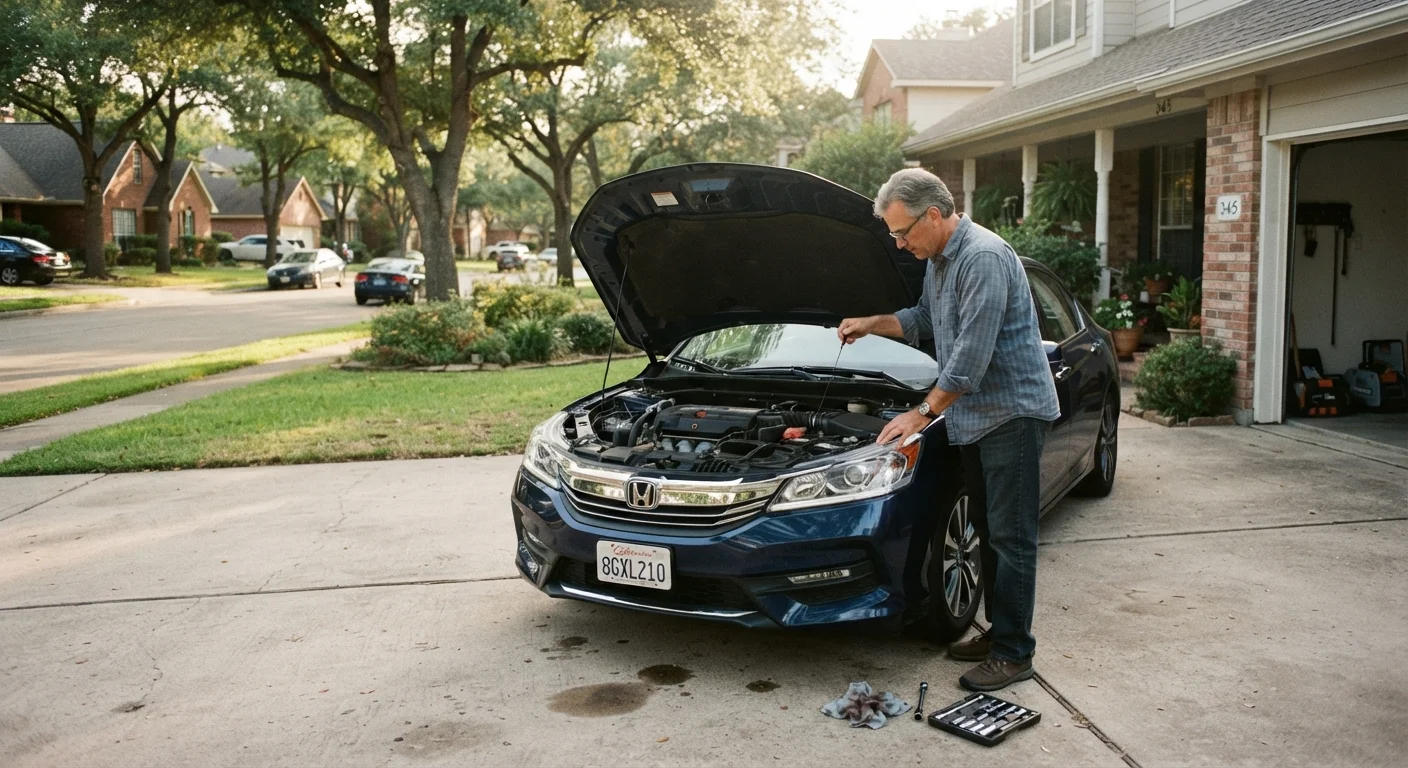
Underinflated tires increase fuel consumption and wear unevenly, shortening tire life by thousands of miles. Proper inflation and regular rotation are among the highest-return maintenance habits available.
Build a dedicated vehicle emergency fund of at least $1,000.
Unexpected repairs are not a matter of if but when. Without a cash reserve, drivers often finance repairs on high-interest credit, turning a $600 problem into an $800 one. A dedicated fund breaks that cycle.
Review your auto insurance coverage annually and shop for quotes.
Insurance premiums change based on your driving record, vehicle age, and market conditions. Many drivers pay for coverage levels that no longer match their vehicle's actual value, especially as it depreciates.
Quick Actions You Can Take This Week
You don't need a full financial overhaul to start reducing ownership costs. A few targeted actions this week can make a measurable difference over the months ahead.
For owners of older vehicles, our guide to keeping a high-mileage car on the road covers exactly which systems deserve the closest attention as miles accumulate.
The Mindset That Makes the Difference
Controlling long-term vehicle costs isn't about obsessive frugality - it's about treating your car as a managed asset rather than a passive expense. Drivers who log their costs, follow manufacturer-recommended service intervals, and build a small repair cushion consistently spend less per mile over a vehicle's lifetime than those who react to problems as they arise.
“The bitterness of poor quality remains long after the sweetness of low price is forgotten. The same principle applies to deferred car maintenance - skipping service today almost always costs more tomorrow.”
— Benjamin Franklin, Founding Father and proponent of thrift - commonly paraphrased in maintenance and quality contexts
Your owner's manual is one of the most underused tools available. Our article on reading your owner's manual breaks down which maintenance sections are genuinely worth your attention and how to interpret service interval charts. Combined with regular check-ins at our car maintenance hub, these resources give you a solid foundation for proactive ownership.
This article provides general vehicle ownership information for educational purposes only. Costs vary significantly by vehicle type, location, and individual circumstances. Consult a qualified mechanic for advice specific to your vehicle.