Why Fluids Matter More Than Most Drivers Realize
Your car depends on a handful of fluids to move, stop, stay cool, and protect its mechanical parts. Let one run low or go bad, and you're looking at anything from a rough ride to a blown engine. The good news: checking most fluids takes under five minutes and costs nothing. If you're new to vehicle ownership, our beginner's maintenance guide covers how fluid checks fit into a broader care routine.
This reference walks through each major fluid - what it does, where to find it, what healthy looks like, and the warning signs that mean it's time to act.
| Most critical fluid to check | Engine oil |
| Typical oil change interval (full synthetic) | 10,000-15,000 miles (Consult your owner's manual for your specific vehicle) |
| Brake fluid flush frequency | Every 2-3 years (General manufacturer guidance; varies by vehicle) |
| Number of major fluids to monitor | 6 |
| Warning sign of coolant contamination | Brown or rusty color |
| Sign of degraded transmission fluid | Dark color and burnt smell |
The Six Fluids You Should Be Able to Identify
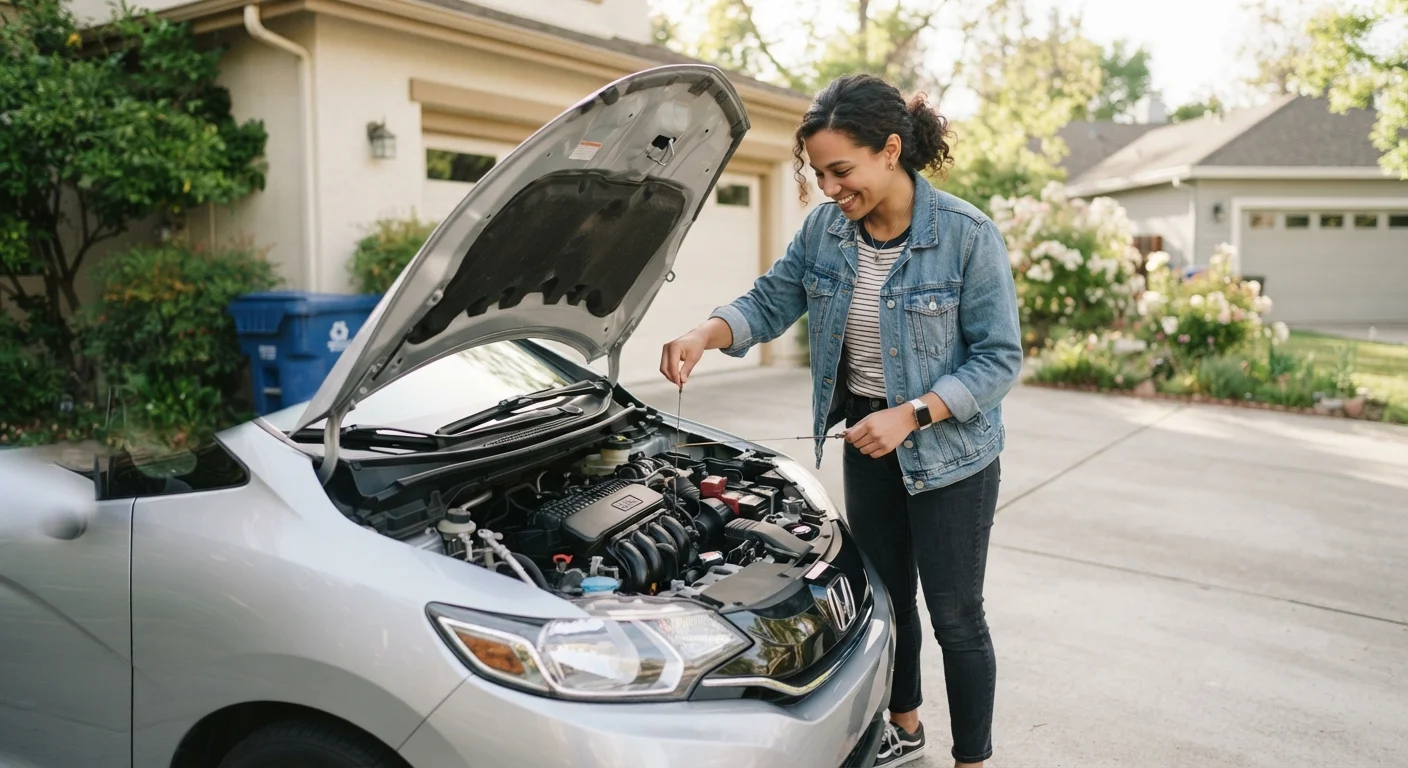
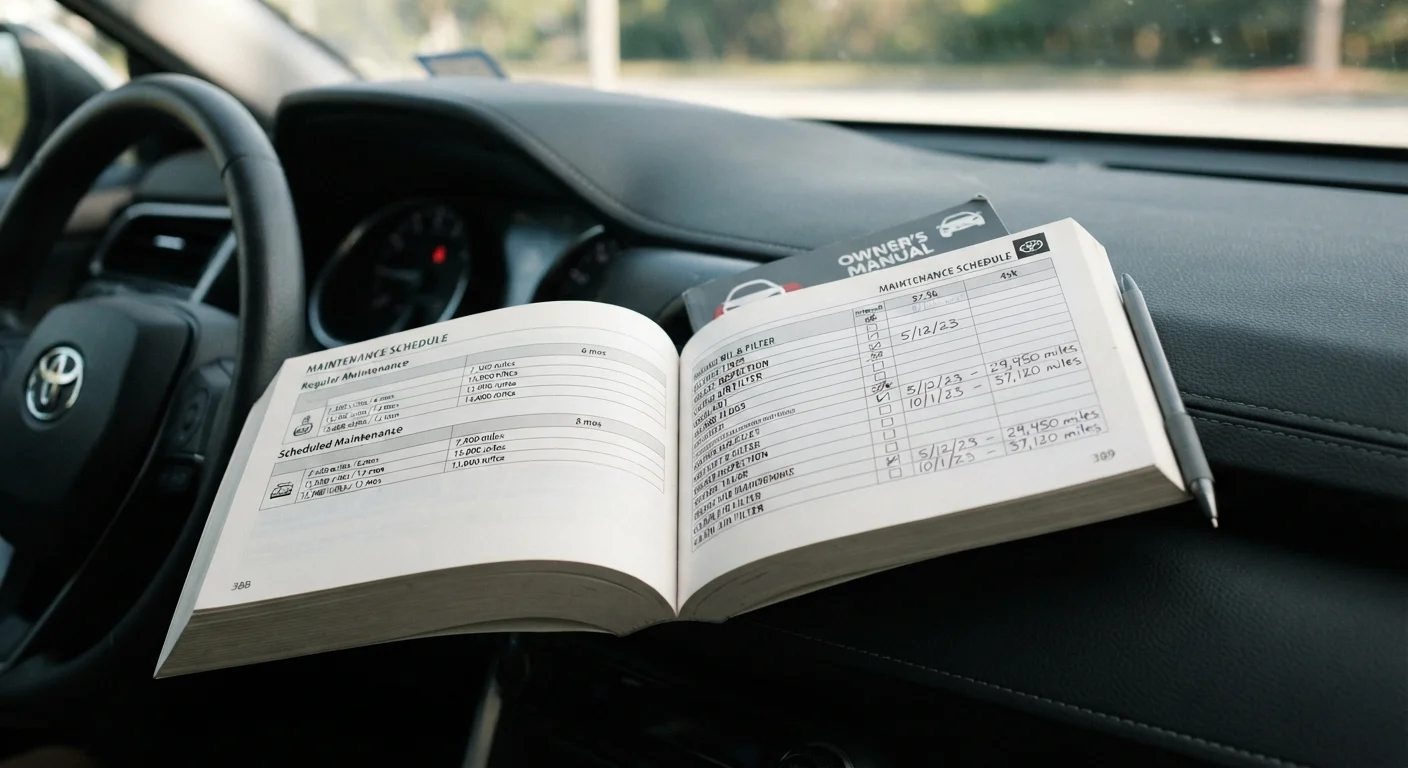
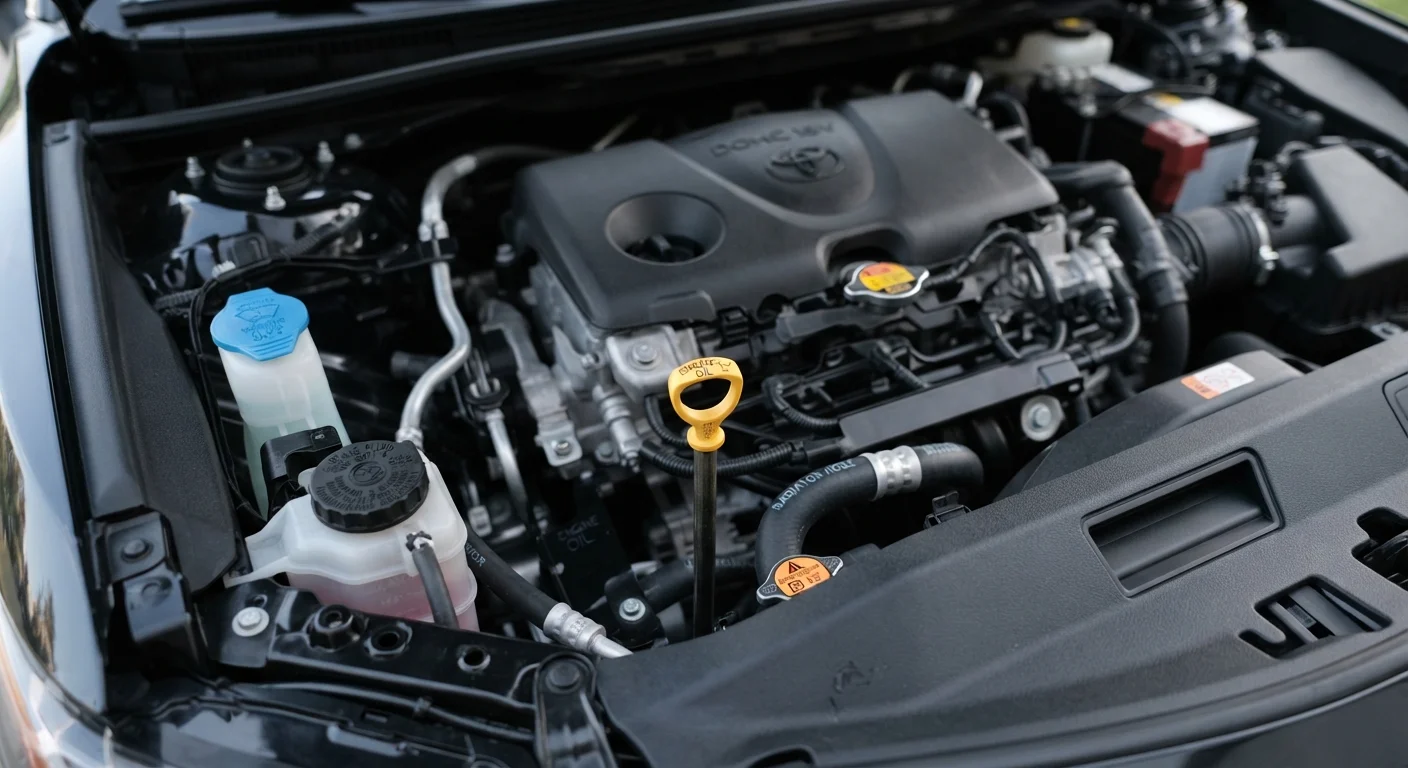
Engine Oil is the most familiar. It lubricates moving metal parts inside the engine, reduces friction, and carries heat away. Check it with the dipstick - oil should sit between the MIN and MAX marks and look amber to light brown. Black, gritty oil or a level that keeps dropping signals it's time for a change or a mechanic's look. Most vehicles call for an oil change every 5,000-7,500 miles with conventional oil, or 10,000-15,000 miles with full synthetic, but always verify in your owner's manual. See our guide to reading your owner's manual for help decoding those intervals.
Coolant (Antifreeze) keeps the engine from overheating in summer and freezing in winter. It lives in a translucent reservoir near the radiator. Healthy coolant is typically green, orange, or pink depending on the formula - never brown or rusty, which indicates contamination. Never open the radiator cap when the engine is hot.
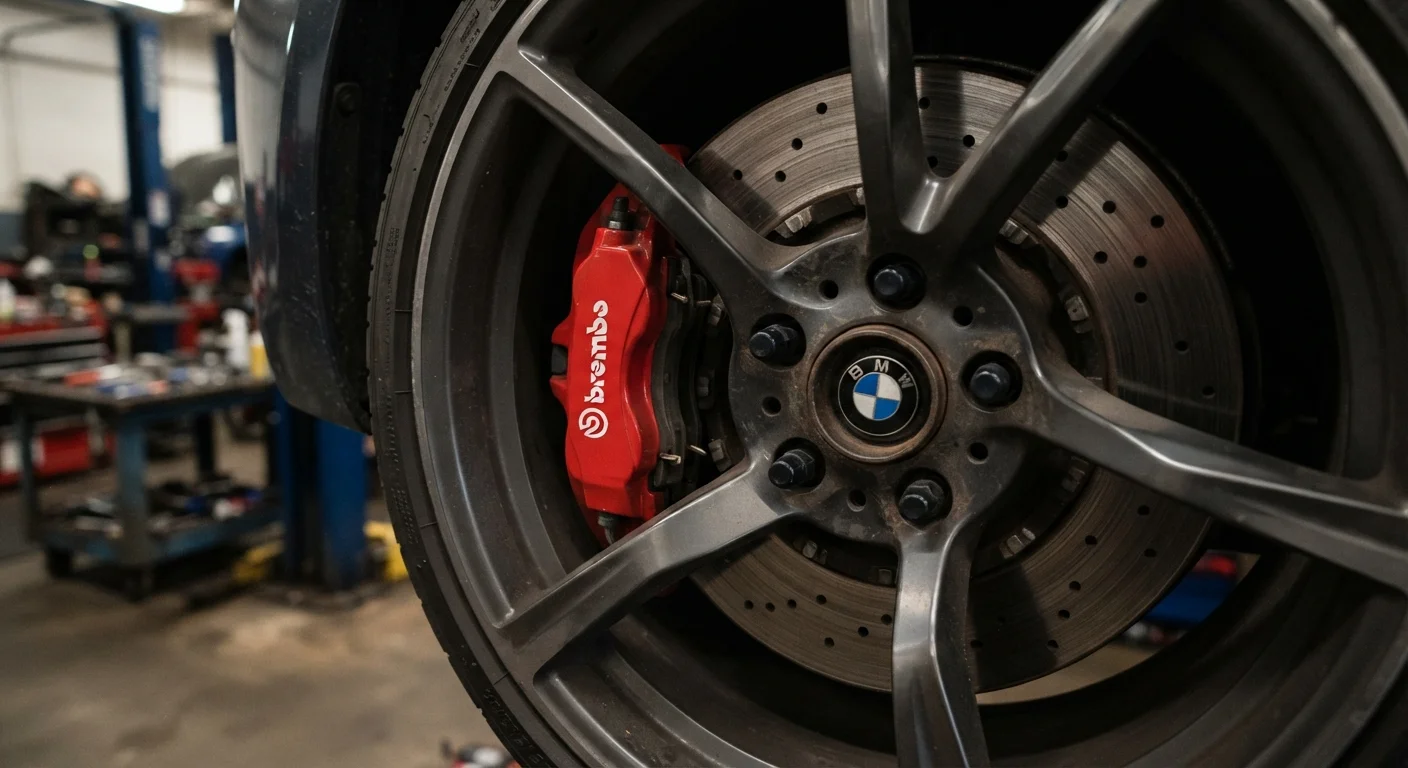
Brake Fluid transfers the force of your foot on the pedal into stopping power at the wheels. It lives in a small reservoir on top of the brake master cylinder. Fresh brake fluid is nearly clear to light yellow; dark or murky fluid absorbs moisture over time and loses effectiveness. Because brake fluid is hygroscopic (it absorbs water from the air), most manufacturers recommend flushing it every two to three years regardless of mileage. For a deeper look at how braking components work together, see our braking system explainer.
Power Steering Fluid (on vehicles without electric power steering) makes turning the wheel easier. Its reservoir is usually labeled and located near the firewall. Low fluid makes steering feel heavy or causes a whining noise when turning.
Transmission Fluid lubricates the gears that move power from the engine to the wheels. Some vehicles have a dipstick for this; others require a mechanic to check it. Healthy fluid is red or pink and slightly sweet-smelling. Dark, burnt-smelling fluid is a red flag.
Windshield Washer Fluid is the one fluid that won't strand you if it runs low, but driving with a dirty windshield is a safety risk. Use a formula rated for your climate - plain water freezes and can crack the reservoir.
Hygroscopic
Describes a substance that absorbs moisture from the surrounding air. Brake fluid is hygroscopic, which is why it degrades over time even in a sealed system and needs periodic flushing.
Dipstick
A long, thin metal rod inserted into a fluid reservoir - most commonly used for engine oil - that lets you check the fluid level and condition without tools.
Coolant (Antifreeze)
A liquid mixture of water and ethylene glycol that circulates through the engine to regulate temperature, preventing both overheating in summer and freezing in winter.
Master Cylinder
The hydraulic component that converts brake pedal pressure into fluid pressure sent to the brakes at each wheel. The brake fluid reservoir sits directly on top of it.
Transmission Fluid
A specialized lubricant that cools and protects the gears and clutch packs inside an automatic or manual transmission, allowing smooth gear shifts.
How to Spot Trouble Before It Becomes Expensive
Puddles under a parked car are the clearest warning sign. Oil is brown or black and typically appears under the engine. Coolant is often brightly colored and sweet-smelling. Brake fluid is thin and clear to light yellow. Transmission fluid is reddish. Any leak warrants attention - some everyday driving habits accelerate fluid degradation and can make minor leaks worse over time.
Dashboard warning lights for oil pressure, coolant temperature, or brake fluid are serious - don't ignore them or drive long distances hoping the problem resolves. Pull over safely, let the engine cool if needed, and check fluid levels before continuing.
Never Mix Different Coolant Types
Coolant formulas - conventional green, OAT (orange), and HOAT (yellow or pink) - are not universally compatible. Mixing them can cause a gel-like reaction that clogs the cooling system. Always check your owner's manual or the existing reservoir label before topping off, and use the correct type or a universal-compatible formula.
For a complete picture of when each fluid service falls due alongside other maintenance milestones, refer to our maintenance schedule explainer.
This article is for general informational purposes only. For vehicle-specific guidance or safety-critical repairs, consult a qualified mechanic.