Why These Terms Appear on Every Phone Listing
When you shop for a smartphone, connectivity terms like 5G, LTE, VoLTE, and Wi-Fi calling appear in spec sheets and carrier descriptions - but rarely with plain explanations. Knowing what each one means prevents you from paying for a feature your carrier doesn't support, or overlooking a limitation that affects daily call quality.
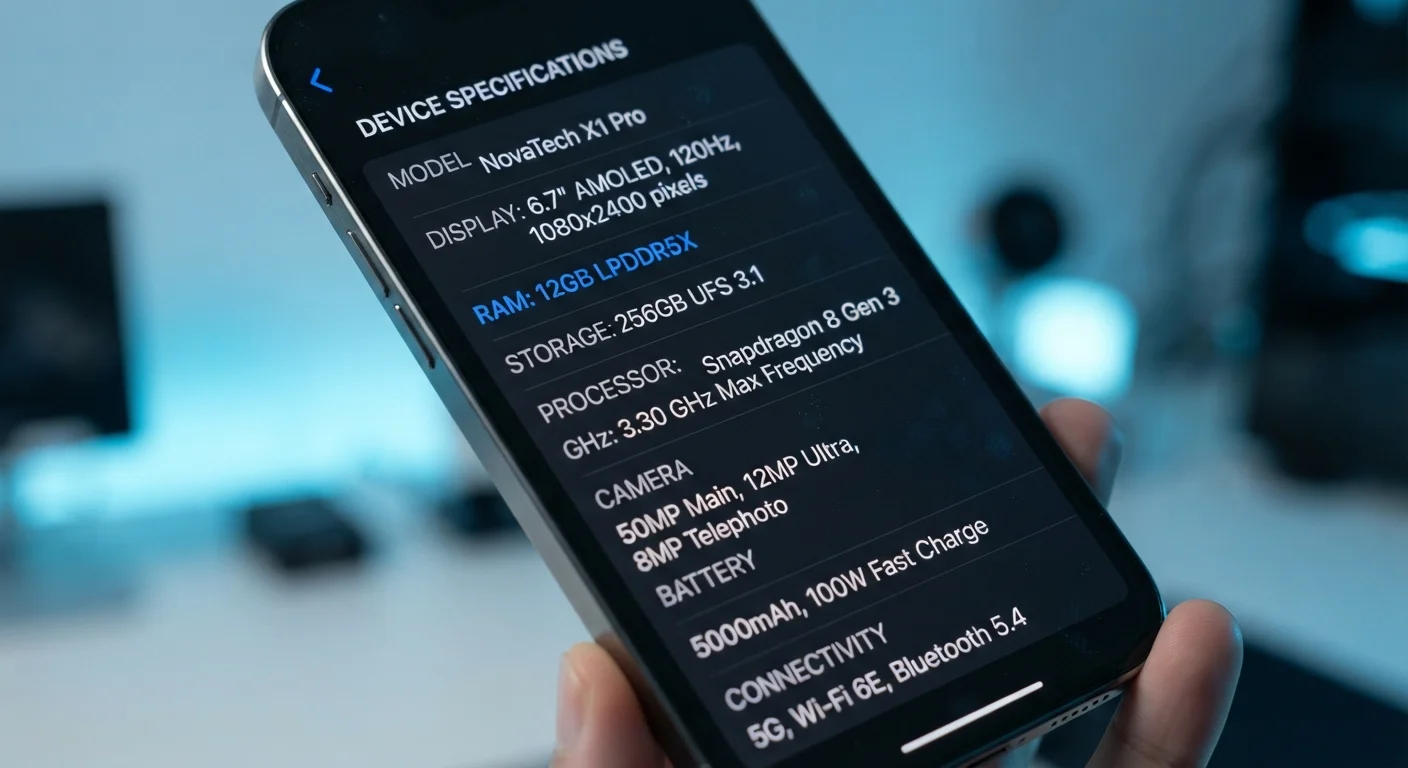
This reference guide defines each term precisely so you can cross-reference it against a phone's spec sheet and your carrier's network map before committing. For a broader look at hardware specs, see what smartphone specs actually mean.
5G
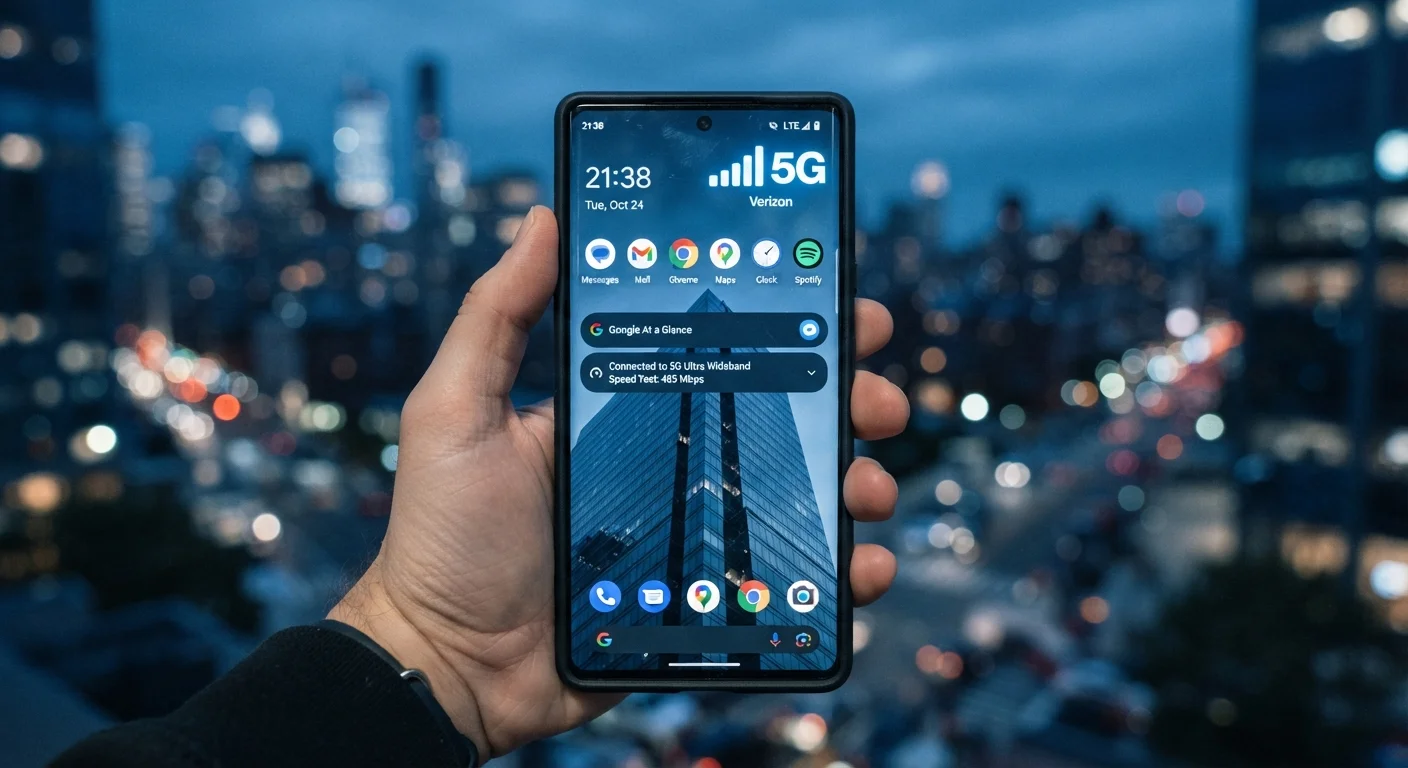
The fifth generation of cellular network technology, designed to deliver faster data speeds, lower latency, and greater network capacity than LTE. In the U.S., 5G is deployed across multiple frequency bands, and real-world performance varies significantly by band and carrier coverage.
LTE (Long-Term Evolution)
The fourth-generation (4G) cellular standard that remains the backbone of most U.S. carrier networks. LTE provides reliable data speeds for streaming, browsing, and app use, and continues to serve as the fallback when 5G isn't available.
VoLTE (Voice over LTE)
A technology that transmits voice calls as data packets over an LTE network rather than older circuit-switched voice channels. VoLTE enables HD voice quality, simultaneous voice and data use, and faster call connection times.
Wi-Fi Calling
A feature that routes phone calls over a Wi-Fi network instead of a cellular tower. It is useful in low-signal environments like basements or rural areas, provided the carrier and device both support it.
mmWave (Millimeter Wave)
The high-frequency band of 5G spectrum (roughly 24-100 GHz) capable of delivering very high data speeds over short distances. Coverage is limited to dense areas near transmitters, such as sports venues, airports, or downtown city blocks.
Sub-6 GHz 5G
5G operating on frequency bands below 6 GHz, including low-band and mid-band spectrum. It covers wider geographic areas than mmWave and delivers meaningfully faster speeds than LTE, making it the most commonly experienced form of 5G in the U.S.
Band
A specific range of radio frequencies licensed to a carrier for transmitting data and voice. Phones must support the specific bands used by a carrier to connect to that network; a mismatch can result in no service or limited network access.
Carrier Aggregation
A technique that combines multiple frequency bands simultaneously to increase data throughput and stability. Phones supporting carrier aggregation can achieve faster speeds by drawing from more than one band at once.
Latency
The time it takes for a data signal to travel from a device to a server and back, measured in milliseconds (ms). Lower latency improves responsiveness for video calls, gaming, and real-time applications. 5G targets significantly lower latency than LTE.
Hotspot (Mobile Hotspot)
A feature that allows a smartphone to share its cellular data connection with other devices via Wi-Fi. Hotspot availability and data caps are determined by the carrier plan, not solely the phone's hardware.
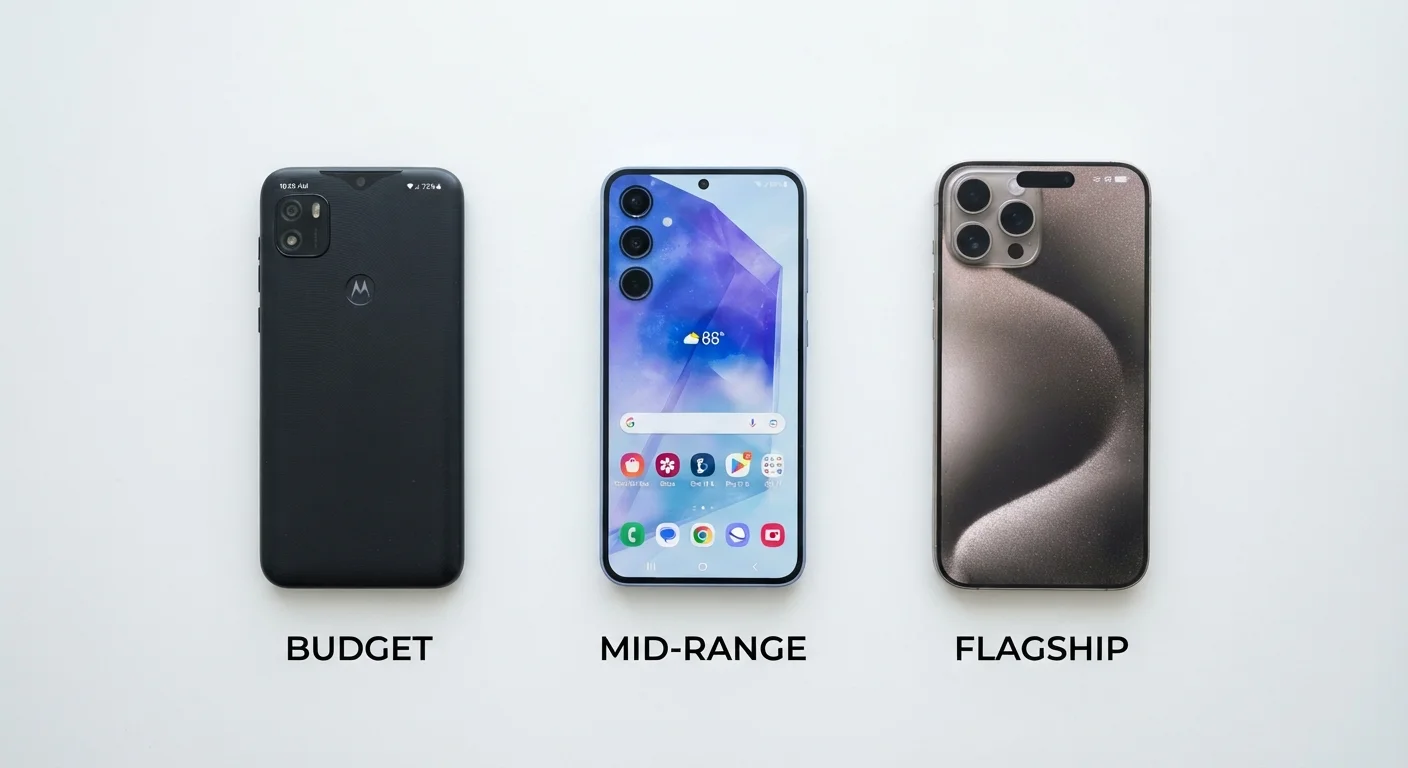
If you're still deciding which phone tier makes sense for your situation, the real differences between budget, mid-range, and flagship phones explains what you gain and give up at each price level.
Key Connectivity Specs Decoded
Mobile connectivity specs break into two categories: network generation (how data moves between towers and your device) and calling technology (how voice traffic is handled). Both matter independently - a phone can support 5G data while still routing calls over an older standard if the carrier or device isn't configured for VoLTE.
| Current U.S. cellular standard | LTE (4G) with expanding 5G overlay (FCC and carrier network maps) |
| 5G speed advantage over LTE | Up to 10x faster (theoretical peak); 2-4x in typical real-world mid-band use (GSMA Intelligence, 2023) |
| Wi-Fi calling requirement | Must be supported by both the carrier and the device (Carrier support documentation) |
| VoLTE HD voice standard | AMR-WB (Adaptive Multi-Rate Wideband) codec (3GPP specification TS 26.071) |
| mmWave 5G typical range | Under 1,000 feet from a transmitter (FCC 5G Fast Plan technical documentation) |
| LTE sunset risk | U.S. carriers have begun phasing out 3G; LTE remains active with no announced sunset (Carrier network announcements, 2022-2024) |
Wi-Fi calling is often overlooked but practically valuable. It routes voice calls over any Wi-Fi network instead of a cellular tower, which is useful in buildings with poor signal. The feature must be enabled by both the carrier and the phone's settings. Most major U.S. carriers support it on certified devices, but coverage quality depends on your internet connection's upload speed.
Band compatibility is another spec worth checking. 5G operates across low-band, mid-band (Sub-6 GHz), and high-band (mmWave) frequencies. Low-band 5G covers wide areas but delivers speeds only modestly faster than LTE. Mid-band offers the best balance of speed and coverage currently available in the U.S. High-band mmWave delivers very high speeds but only within short distances of a transmitter, limiting it to dense urban environments.
Check Band Compatibility Before You Switch Carriers
A phone that works perfectly on one U.S. carrier may show limited or no 5G on another because carriers use different licensed frequency bands. Before switching, compare the phone's supported bands (listed in its spec sheet) against the new carrier's published band list. This is especially relevant for unlocked phones purchased outside the U.S.
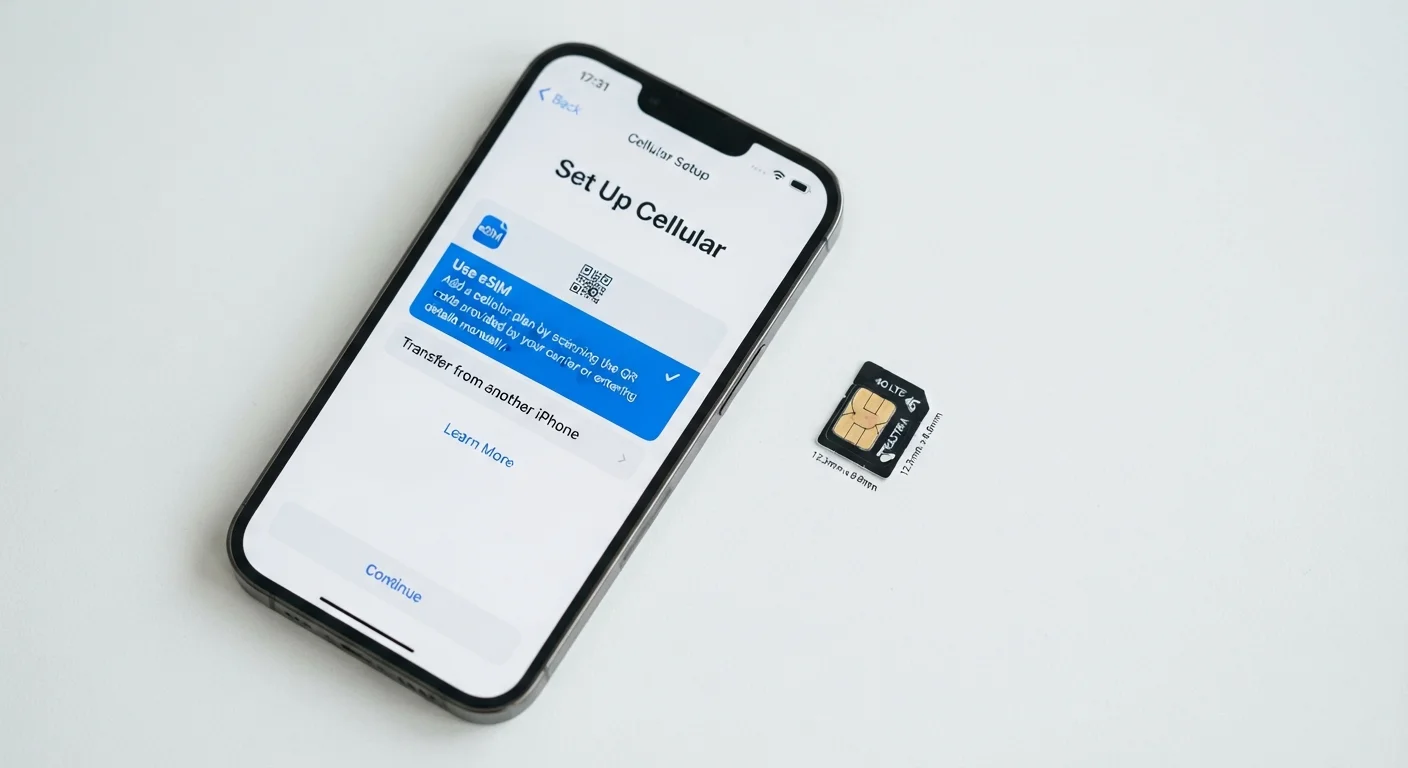
For questions about how a SIM card interacts with these network features, eSIM vs. physical SIM explains how each format works and when the distinction matters. For first-time buyers navigating all of these decisions at once, everything to know before buying your first smartphone is a practical starting point.