How a Physical SIM Works
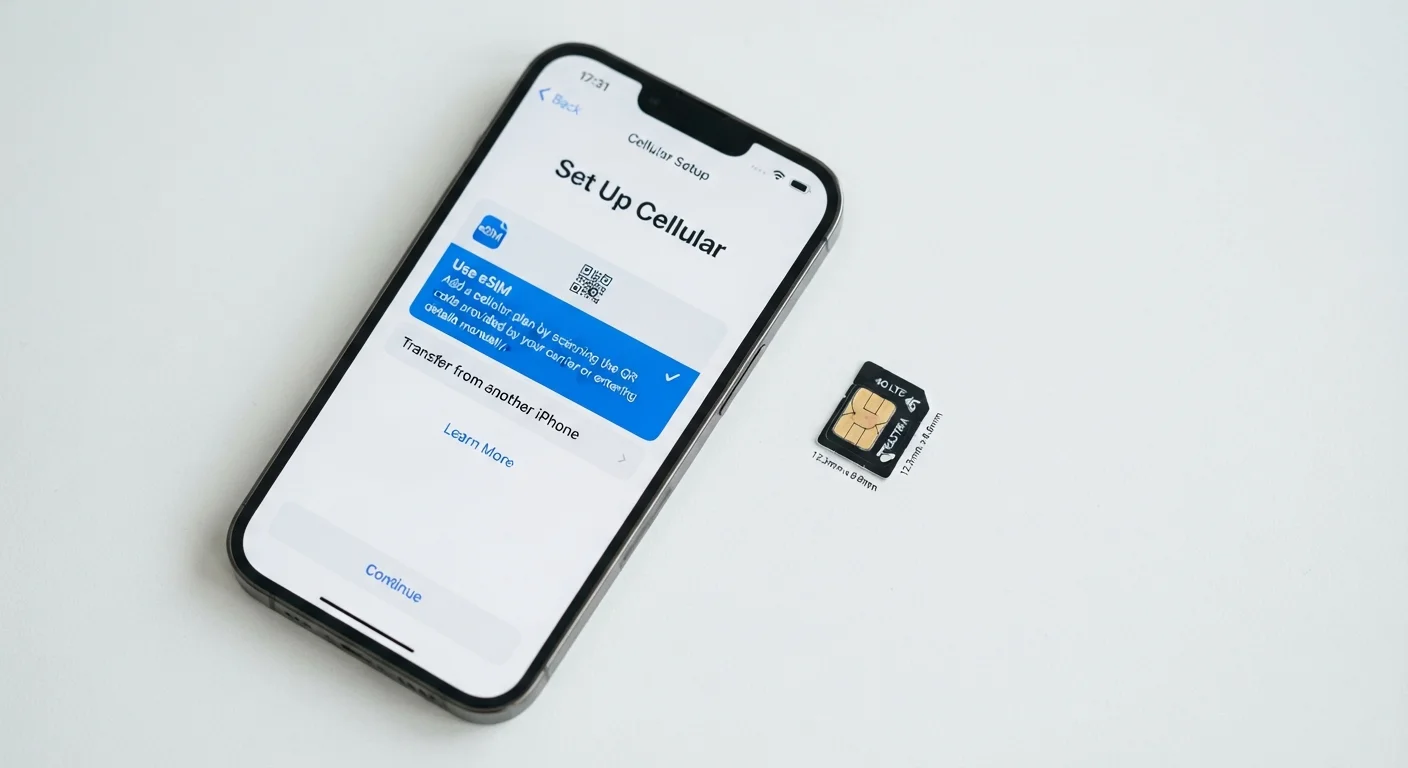
A physical SIM card is a small, standardized chip - most modern phones use the nano-SIM format - that stores your carrier credentials. When inserted into a device's SIM tray, it identifies you to the network, authenticates your account, and enables calls, texts, and mobile data.
Because the card is removable, switching carriers is straightforward: you eject the old SIM, insert one from your new carrier, and the device connects to the new network. Physical SIMs also make it easy to share a device between users or quickly swap hardware when a phone breaks.
The limitation is physical: you need access to a SIM card, a compatible tray, and a carrier that provides one. Some devices - particularly those designed for markets where eSIM infrastructure is still developing - rely entirely on physical SIMs, making this format far from obsolete.
SIM Form Factors Have Evolved Over Time
Physical SIMs have shrunk considerably since their introduction - from full-size SIM to mini, micro, and the current nano-SIM standard. The underlying function has remained the same across all formats. Some older devices may require an adapter to use a nano-SIM, though this is increasingly rare in devices manufactured in the past several years.
How eSIM Works
An eSIM (embedded SIM) performs the same authentication function as a physical card but is soldered directly onto the device's motherboard. Instead of swapping hardware, you activate a carrier plan digitally - typically by scanning a QR code, using a carrier's app, or entering an activation code.
Once activated, the eSIM stores your carrier profile in its secure memory. Most eSIM-capable devices can hold multiple carrier profiles simultaneously, though only one or two are active at a time. Switching between profiles is a settings-level action, not a hardware task.
200+
Countries with some eSIM carrier support
According to GSMA intelligence data, eSIM-capable consumer devices are supported by carriers across more than 200 countries and territories, though coverage density varies significantly by region.
~30%
Reduction in SIM swap fraud risk with eSIM
Industry analysts note that eSIM's digital authentication process raises the barrier for SIM swap fraud compared to physical SIM transfers, which rely on in-store or phone-based identity verification.
For carriers, eSIM simplifies provisioning. For consumers, the practical advantage is flexibility: adding a travel plan, switching carriers, or setting up a second line requires no physical card. This also matters for device design - removing the SIM tray creates space for larger batteries or contributes to improved water resistance ratings.
When Each Format Has a Real Advantage
The choice between eSIM and physical SIM isn't purely technical - it's situational. Understanding which scenario favors each format helps you make a more informed decision when selecting a device or a plan.
Where eSIM Has the Edge
- International travel: Add a local data plan without hunting for a SIM vendor. Many travel-focused carriers offer eSIM plans downloadable before you land.
- Dual-line setups: Maintain a personal and work number on one device without carrying two phones.
- Carrier switching: Move to a new carrier in minutes without waiting for a physical SIM to arrive by mail.
Where Physical SIM Still Makes Sense
- Limited eSIM support regions: In many countries, eSIM carrier support is sparse. A physical SIM from a local carrier is often the only practical option.
- Device resale or sharing: Handing off a device to someone else is simpler when a SIM can be physically removed and swapped.
- Older or budget hardware: Devices without eSIM hardware require a physical card - there's no workaround.
For a broader look at how connectivity features affect real-world phone use, see our guide to mobile connectivity terms.
Confirm eSIM Support Before You Travel
Before relying on eSIM for an international trip, verify two things: that your device supports eSIM, and that your target carrier in that country offers eSIM activation for foreign visitors. Some carriers only offer eSIM to local residents with domestic ID. Having a backup plan - like a physical SIM from an international travel provider - ensures you stay connected.
What This Means When You're Buying a Phone
SIM type is one of several specs worth confirming before purchasing a device. If you travel internationally, plan to switch carriers, or want Dual SIM capability, verifying eSIM support on the spec sheet is worthwhile. If you're buying in a region where eSIM carrier support is limited, a device with a physical SIM slot - or both - gives you more flexibility.
Carrier compatibility is the other variable. Even if a device supports eSIM, your specific carrier plan must also support eSIM activation. Prepaid and MVNO (Mobile Virtual Network Operator) plans vary widely in eSIM support. Confirming with your carrier before committing to a device avoids activation headaches.
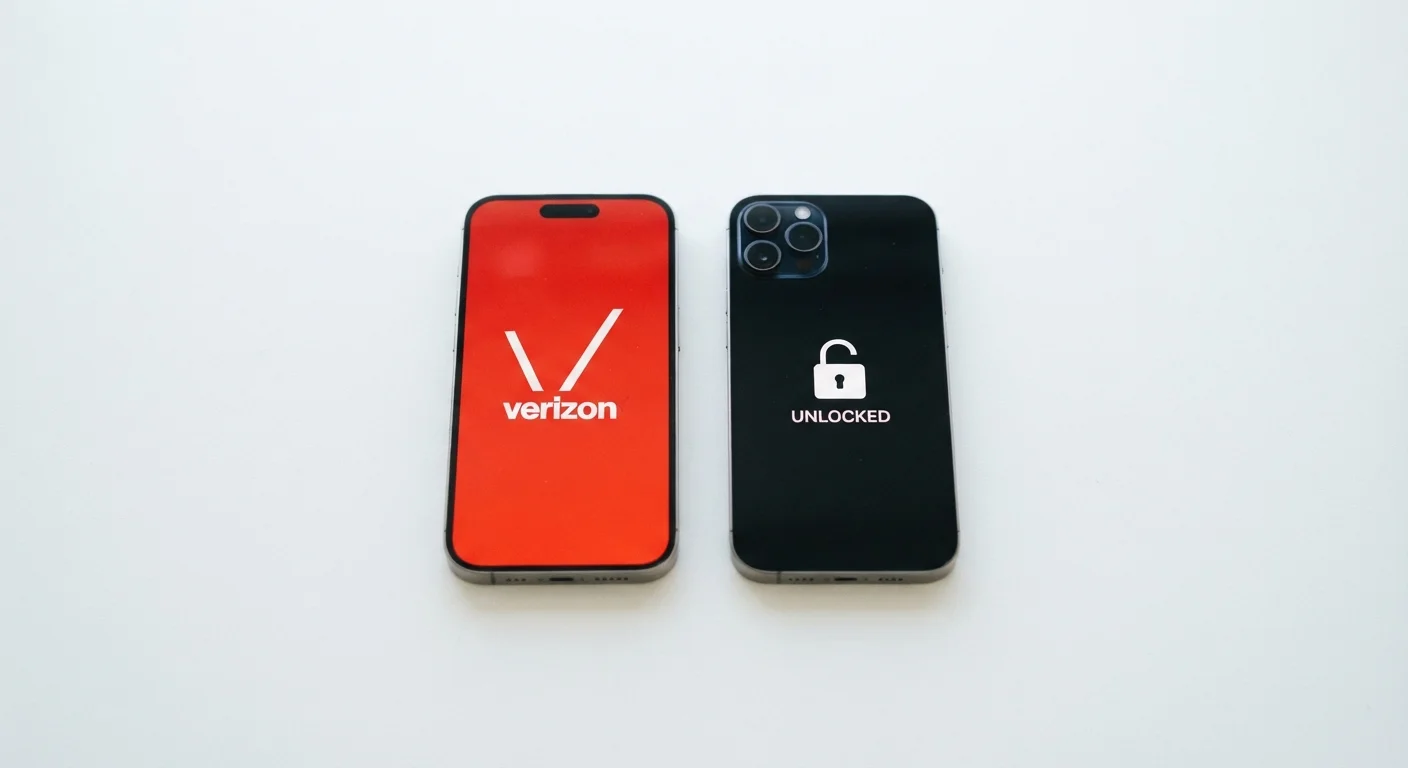
SIM type also intersects with carrier locking. An unlocked phone with eSIM gives you maximum flexibility to switch carriers digitally. Understanding what changes between unlocked and carrier-locked phones can help clarify what restrictions apply to your specific device.
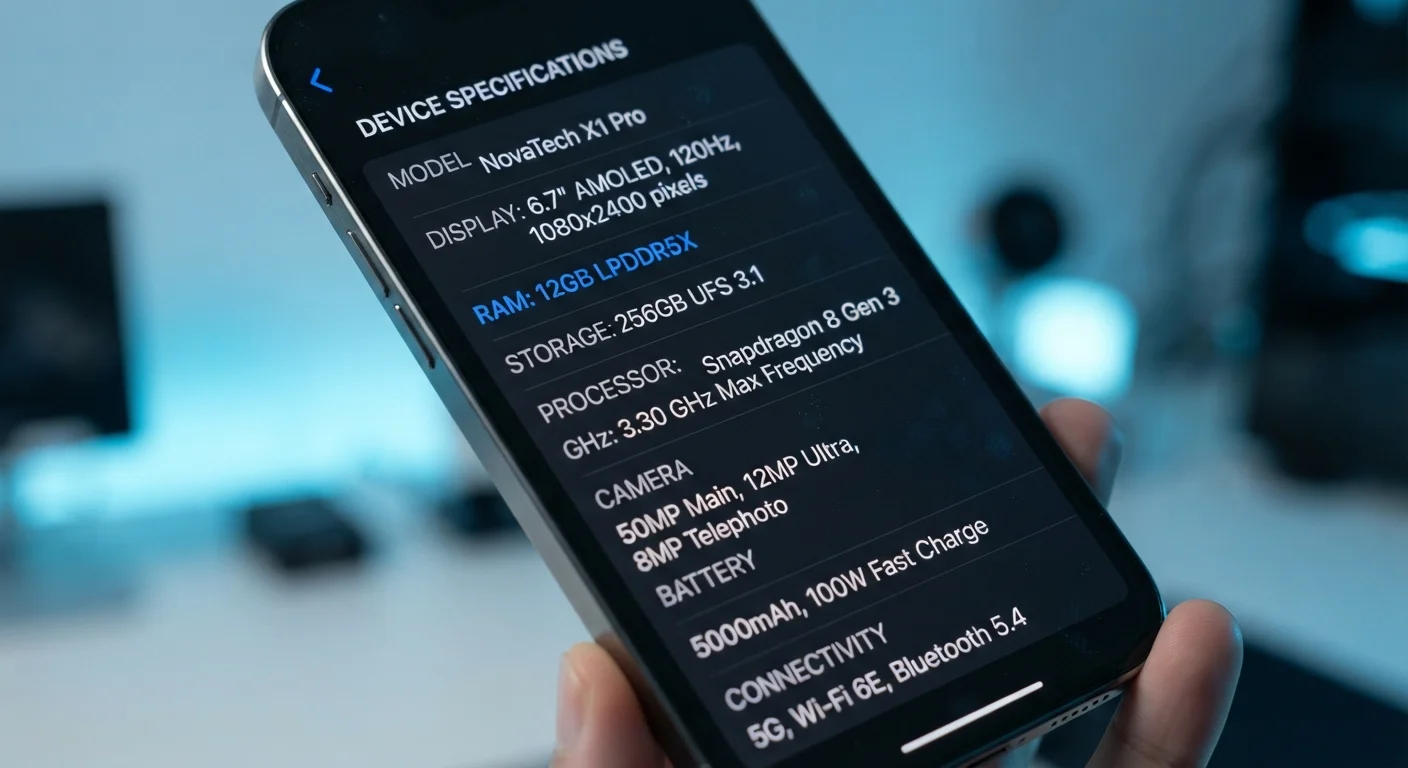
For a complete picture of what smartphone specs mean in practice, our breakdown of RAM, storage, and processors covers the technical details that affect everyday performance.