Heat Performance: Where Each Material Actually Differs
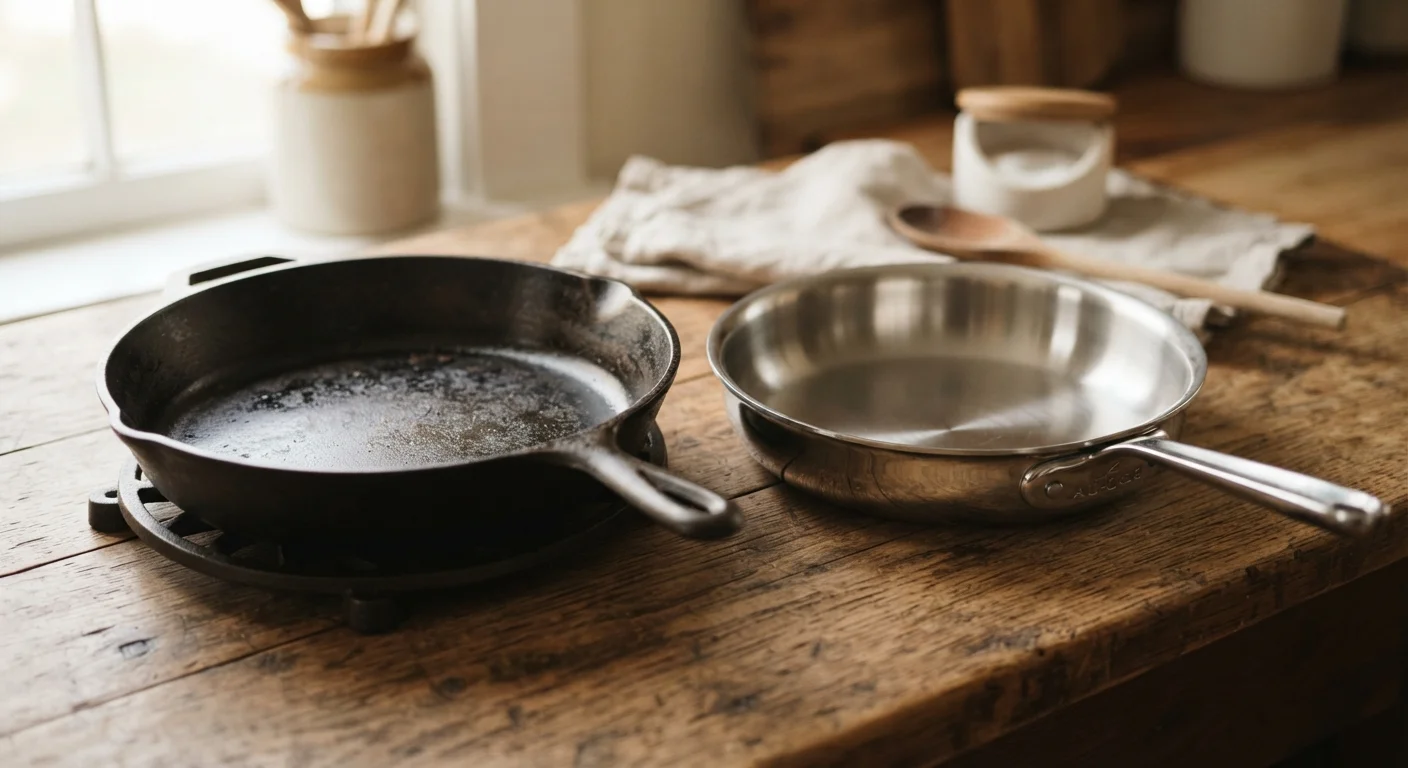
The most meaningful difference between cast iron and stainless steel isn't brand or price - it's how each material handles heat. Cast iron is slow to heat but holds that heat exceptionally well once it's up to temperature. That thermal mass makes it effective for tasks like searing proteins, pan-frying, or going from stovetop to oven for dishes that need sustained, even heat.
Stainless steel heats faster and responds more quickly when you turn the burner up or down. For sauces, sautéed vegetables, or anything where you need to react quickly to prevent burning, that responsiveness matters. However, stainless steel is less forgiving with uneven heat - hot spots are common unless the pan has a thick, multi-ply base (often described as tri-ply or five-ply construction, meaning layers of different metals bonded together for improved conductivity).
| Criterion | Cast Iron | Stainless Steel |
|---|---|---|
| Heat retention | Excellent - holds heat long | Moderate - loses heat faster |
| Heat responsiveness | Slow to adjust | Quick to adjust |
| Weight (12-inch pan, approx.) | 6-8 lbs | 3-5 lbs |
| Maintenance required | Seasoning, hand wash, dry fully | Minimal - dishwasher safe |
| Reaction with acidic foods | Can strip seasoning, affect flavor | Non-reactive, no flavor transfer |
| Induction compatible | Yes | Usually yes - verify base |
| Relative upfront cost | Lower for basic skillets | Higher for quality multi-ply |
| Lifespan with care | Decades or more | Very long - no coating to fail |
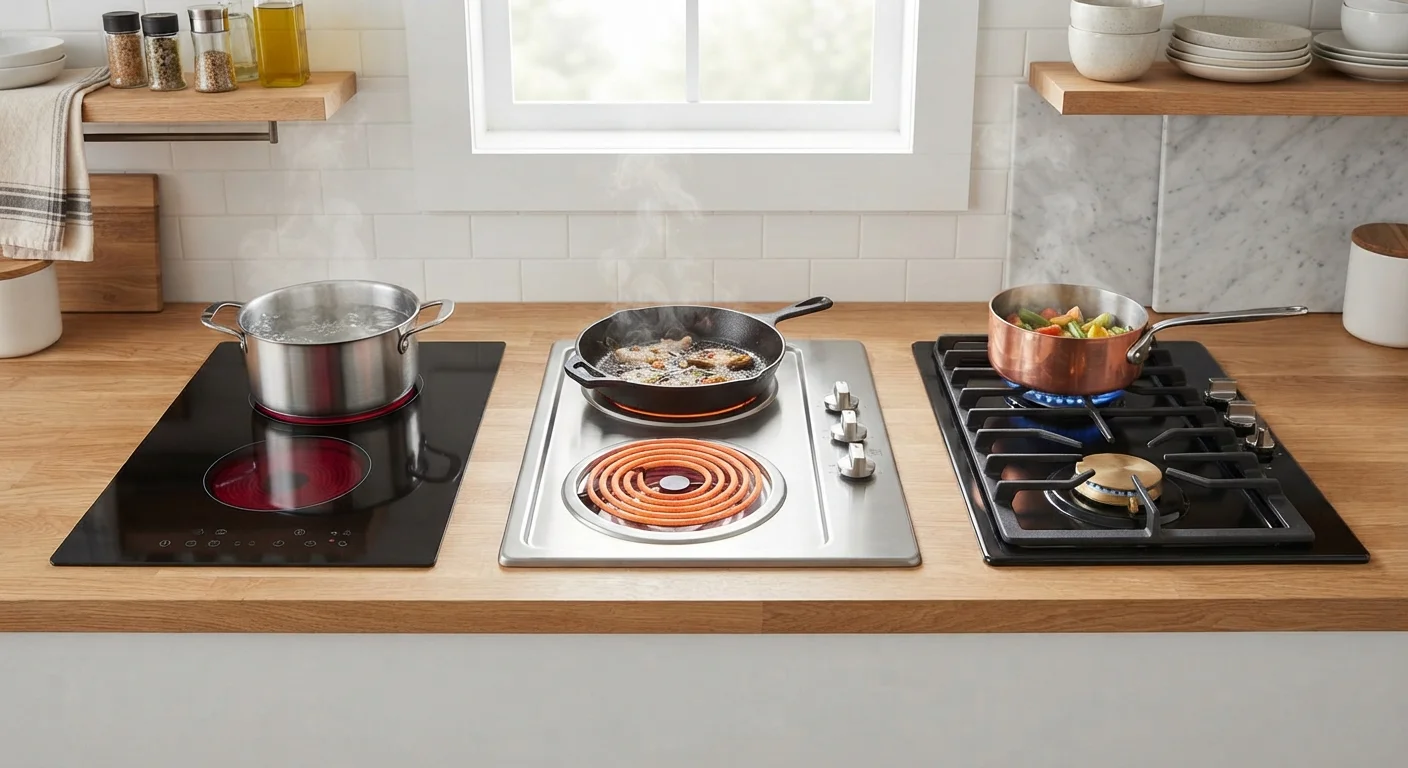
If your cooktop type factors into this decision, see our breakdown of induction, electric, and gas cooktops - cooktop type can influence which pan material performs better in your specific kitchen.
Maintenance, Durability, and Long-Term Value
Cast iron requires seasoning - a process of baking thin layers of oil into the surface to build a protective, semi-nonstick coating. Without it, cast iron will rust. With proper care, though, a cast iron pan can genuinely last decades or longer. The maintenance learning curve is real but not complicated: hand wash, dry thoroughly, apply a light coat of oil before storing.
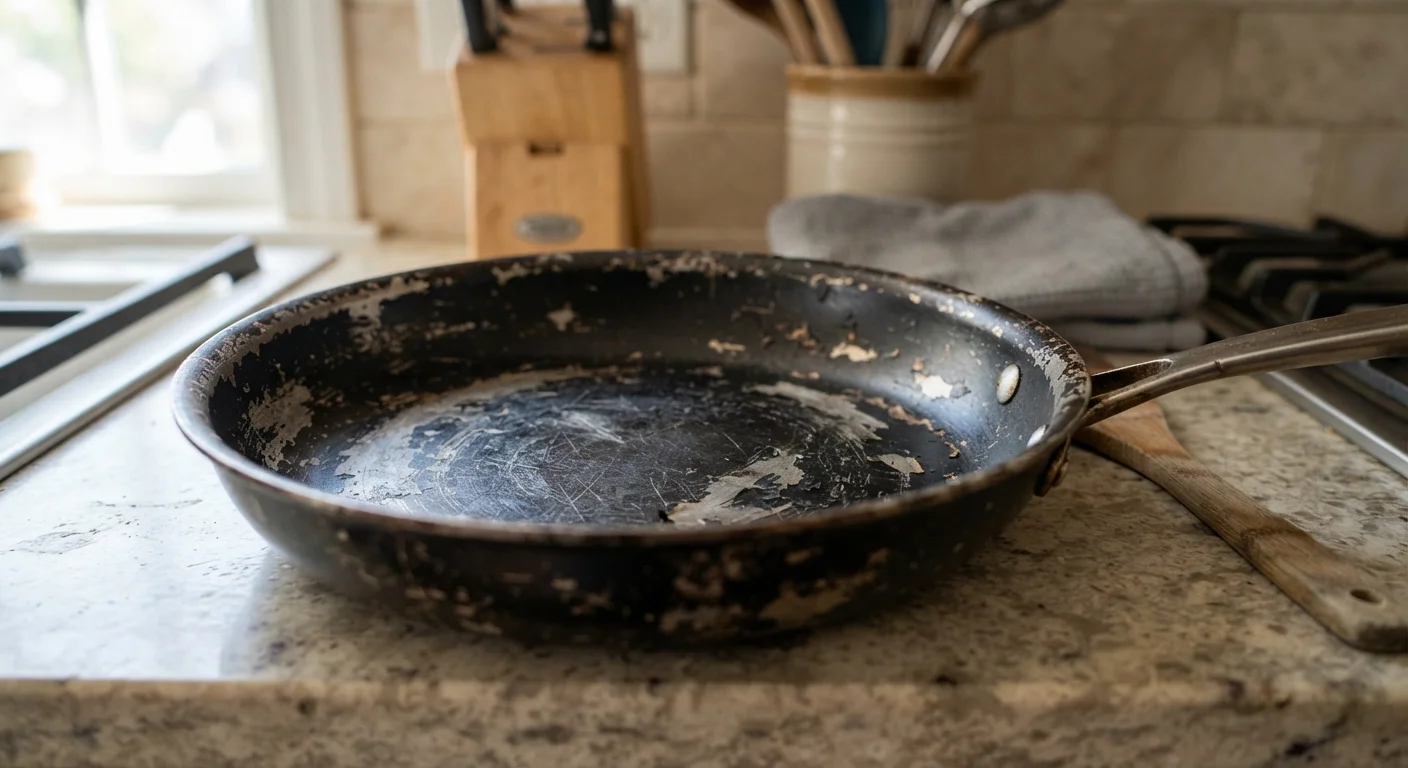
Stainless steel asks far less of you. It tolerates soap, dishwashers, and acidic foods without damage. It won't rust under normal kitchen conditions, and there's no coating to protect or replace. That said, stainless steel can discolor from heat or develop a sticky residue if food is cooked at the wrong temperature - a phenomenon that cleans off but can frustrate new users. Unlike nonstick coatings that wear down over time (see our look at why nonstick coatings break down), both cast iron and stainless steel maintain their cooking surface indefinitely with reasonable care.
6-8 lbs
Typical weight of a 12-inch cast iron skillet
Cast iron's density is what drives both its heat retention advantages and the handling challenges some cooks experience.
3-5 layers
Metal layers in quality stainless cookware
Multi-ply stainless construction - typically tri-ply or five-ply - bonds aluminum or copper cores between steel layers to improve heat distribution.
From a long-term value standpoint, both materials compare favorably to coated cookware - neither requires replacement due to surface degradation.
Practical Considerations: Weight, Versatility, and Cooking Style
Weight is a practical factor that's easy to overlook in the abstract. A 12-inch cast iron skillet can weigh between 6 and 8 pounds - noticeably heavier than a comparable stainless steel pan, which typically runs 3 to 5 pounds. For cooks who need to move pans frequently, drain liquids, or have wrist or grip limitations, stainless steel is the more manageable choice.
Both materials handle stovetop and oven use, and both are generally compatible with induction cooktops (though you should confirm induction compatibility on any specific stainless pan, as not all bases are magnetic). Cast iron's weight becomes an advantage in the oven - it stays stable and distributes heat evenly for baking cornbread, finishing steaks, or slow-roasting.
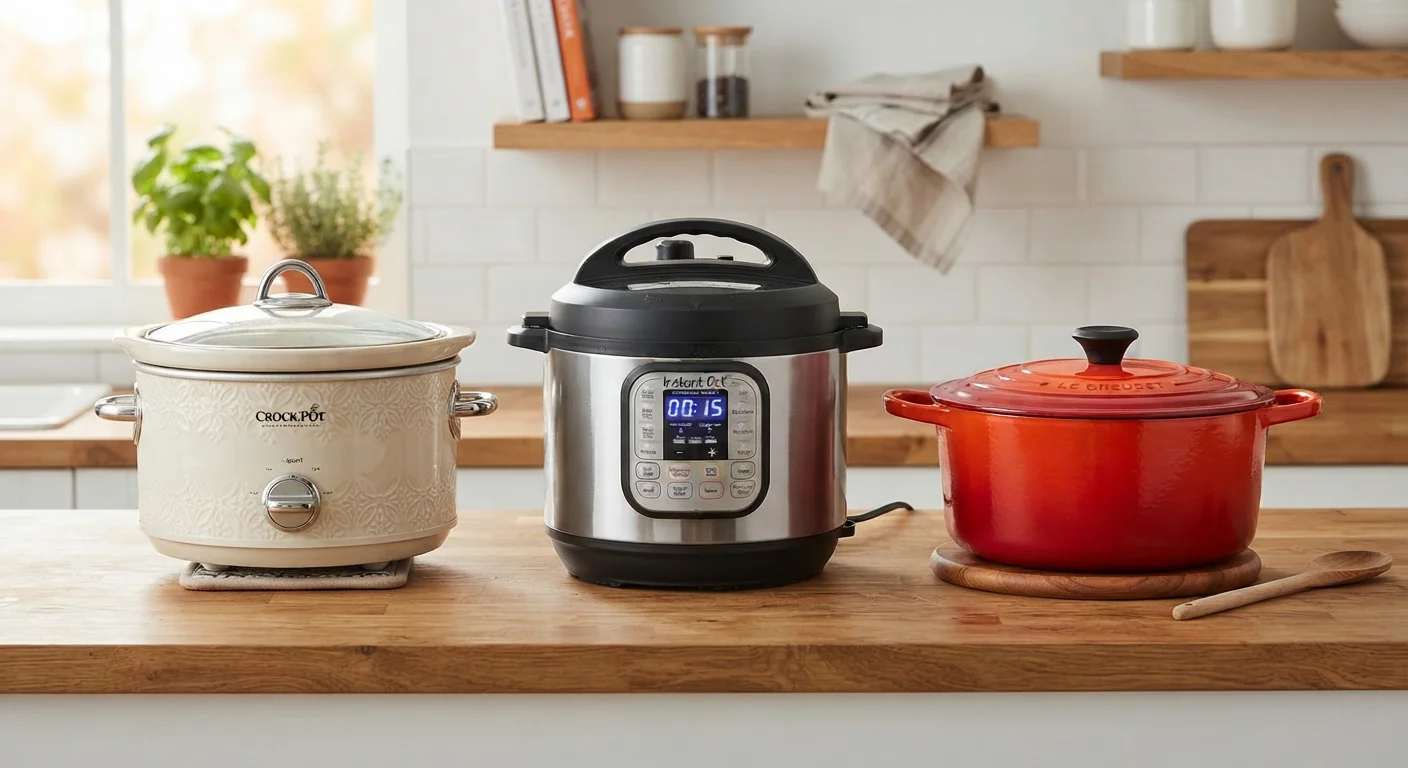
If you're considering other kitchen tools that serve overlapping functions - like a Dutch oven for long braises - it's worth comparing how all your equipment fits together. Our guide on matching slow cookers, Instant Pots, and Dutch ovens to your cooking habits covers that ground in more detail.
A Note on Nonstick Comparisons
Neither cast iron nor stainless steel is truly nonstick in the way coated pans are. Seasoned cast iron develops a smoother cooking surface over time, but it still requires adequate fat and proper preheating to prevent sticking. Stainless steel requires even more attention to heat management - preheating the pan before adding oil helps significantly. If low-stick performance is a priority, these materials involve a learning curve that coated cookware does not.