How Each Cooktop Actually Heats Food
Understanding what's happening beneath the pan matters, because it determines heat speed, control, and energy waste.
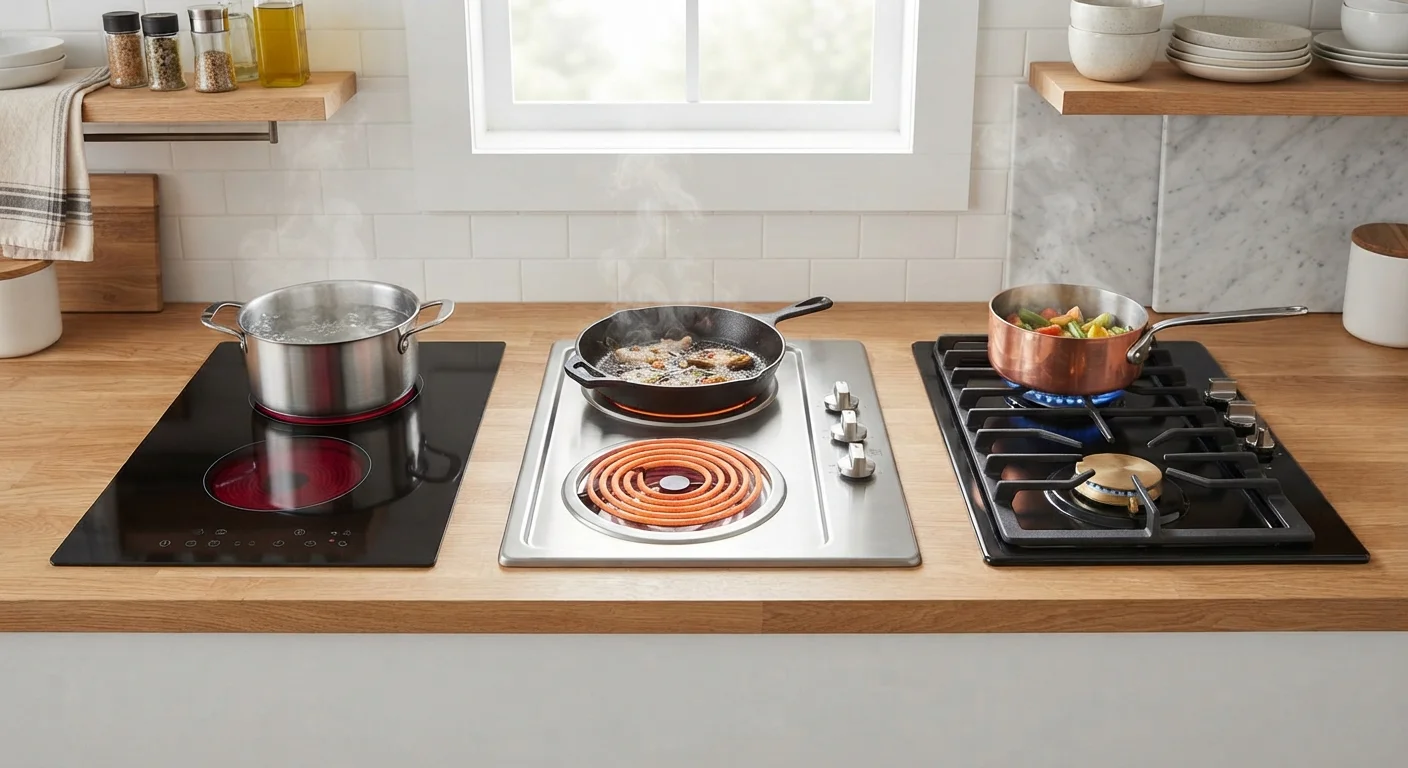
Gas burns natural gas or propane through open burners. The flame heats the cookware directly and the surrounding air - which means heat loss around the pan's edges. You see and hear the flame, giving immediate visual feedback for adjustments.
Smooth-top electric (also called radiant electric) uses heating elements beneath a ceramic-glass surface. Heat transfers by conduction through that glass into the pan. The surface stays hot long after the burner is off, which creates a lag in both heating up and cooling down.
Induction uses electromagnetic coils beneath the glass to generate heat directly inside the pan's metal. The cooktop surface itself stays relatively cool - only the pan gets hot. This is why induction is faster to respond and wastes far less energy than the other two types.
Test Your Cookware Before Switching to Induction
Before committing to an induction cooktop, do a simple magnet test on every pan you own. Hold a refrigerator magnet firmly to the bottom of each pan - if it clings securely, that pan will work. If it slides or doesn't stick, that pan won't heat on induction. Replacing an entire cookware set can add significantly to the total cost of switching.
Feature-by-Feature Comparison
The table below covers the criteria that matter most to everyday home cooks making a long-term purchase decision.
| Induction | Smooth-Top Electric | Gas | |
|---|---|---|---|
| Heat-up speed | Very fast | Moderate | Fast (instant flame) |
| Heat control precision | Excellent | Moderate (slow response) | Good (visual feedback) |
| Energy efficiency | ~85-90% | ~70-75% | ~40-55% |
| Cookware compatibility | Magnetic pans only | Any flat-bottomed pan | Any pan (including round-bottom) |
| Surface cleaning ease | Easy (flat glass) | Easy (flat glass) | More involved (grates/caps) |
| Upfront appliance cost | Moderate to high | Low to moderate | Moderate |
| Installation complexity | 240V dedicated circuit | Standard 240V outlet | Gas line required |
| Surface burn risk | Low | High (stays hot invisibly) | Moderate (open flame) |
| Ventilation requirement | Recommended | Recommended | Required |
| Works during power outage | No | No | Often yes (manual ignition) |
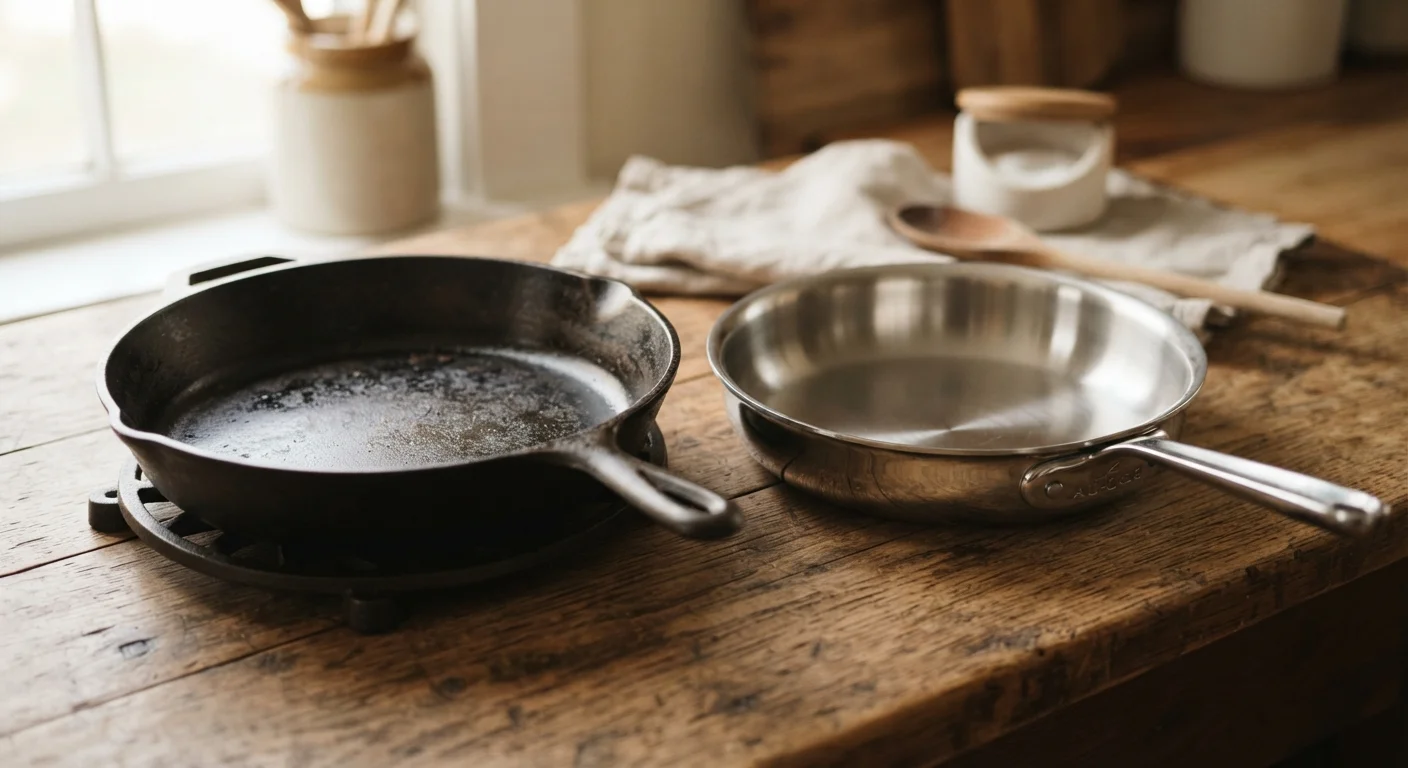
A few notes worth expanding: cookware compatibility is the biggest practical hurdle for induction. To test whether your existing pans work, hold a refrigerator magnet to the bottom - if it sticks firmly, the pan will work on induction. Most cast iron and some stainless steel qualify; aluminum, copper, and glass do not. For more on cookware materials, see how cast iron and stainless steel compare.
Installation costs also vary widely. Gas requires an existing gas line or the expense of running one, plus local permitting. Induction requires a 240V dedicated circuit, which many older kitchens lack. Smooth-top electric typically needs only a standard 240V outlet - common in most U.S. homes already wired for an electric range.
Energy Use and Operating Costs
Efficiency ratings differ substantially between types. Induction converts roughly 85-90% of electrical energy into heat in the pan. Smooth-top electric converts around 70-75%. Gas is the least efficient at roughly 40-55%, since a significant share of heat escapes around the pan and into the kitchen.
~85-90%
Induction cooking efficiency rate
The U.S. Department of Energy has cited induction efficiency in this range, compared to roughly 40-55% for gas burners.
3x
Faster water boiling vs. gas
Independent appliance testing has found induction can boil the same volume of water significantly faster than equivalent gas burners in controlled conditions.
That said, local energy prices matter as much as efficiency ratios. In areas where natural gas is significantly cheaper per BTU than electricity, gas's lower efficiency may not translate to a higher monthly bill. Induction's advantage is most pronounced where electricity rates are moderate or where time-of-use pricing rewards off-peak cooking.
Ventilation adds another cost layer for gas. Adequate exhaust - either a range hood vented outdoors or at minimum a recirculating filter - is a meaningful expense that's often underestimated at purchase time.
Safety, Cleaning, and Long-Term Considerations
Safety: Induction has the clearest edge. Because the surface doesn't heat up independently, spilled food is less likely to burn onto the glass, and the risk of accidental burns from touching the cooktop is lower (though the pan itself gets very hot). Gas carries combustion byproducts - carbon monoxide, nitrogen dioxide - that require ventilation. Smooth-top electric surfaces stay hot invisibly after the burner turns off, a burn risk that's easy to underestimate.
Cleaning: Smooth-top electric and induction share the same flat glass surface, making both easy to wipe down. Gas grates require more effort - grates, burner caps, and crevices collect grease and food debris. A standard rule: sealed gas burners are easier to clean than open-burner designs.
Durability: Gas cooktops have fewer electronic components to fail. Glass surfaces on induction and electric units can crack from heavy pans or thermal shock. Induction units have electronic components that can be costlier to repair than a gas valve or burner element.
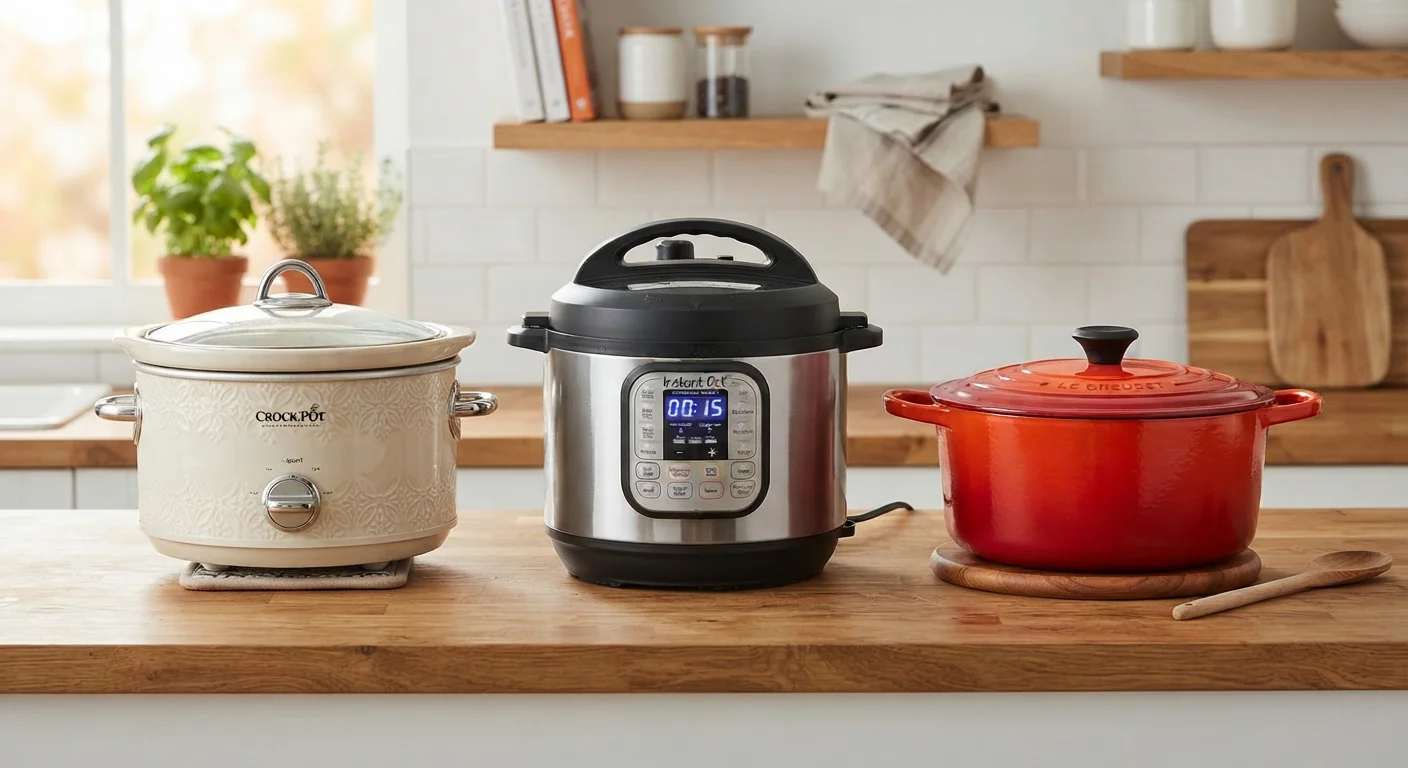
If you're weighing broader kitchen appliance decisions, our breakdown of slow cooker, Instant Pot, and Dutch oven trade-offs applies similar feature-level thinking to countertop cooking tools.