Why Small Appliances Fail Before They Should
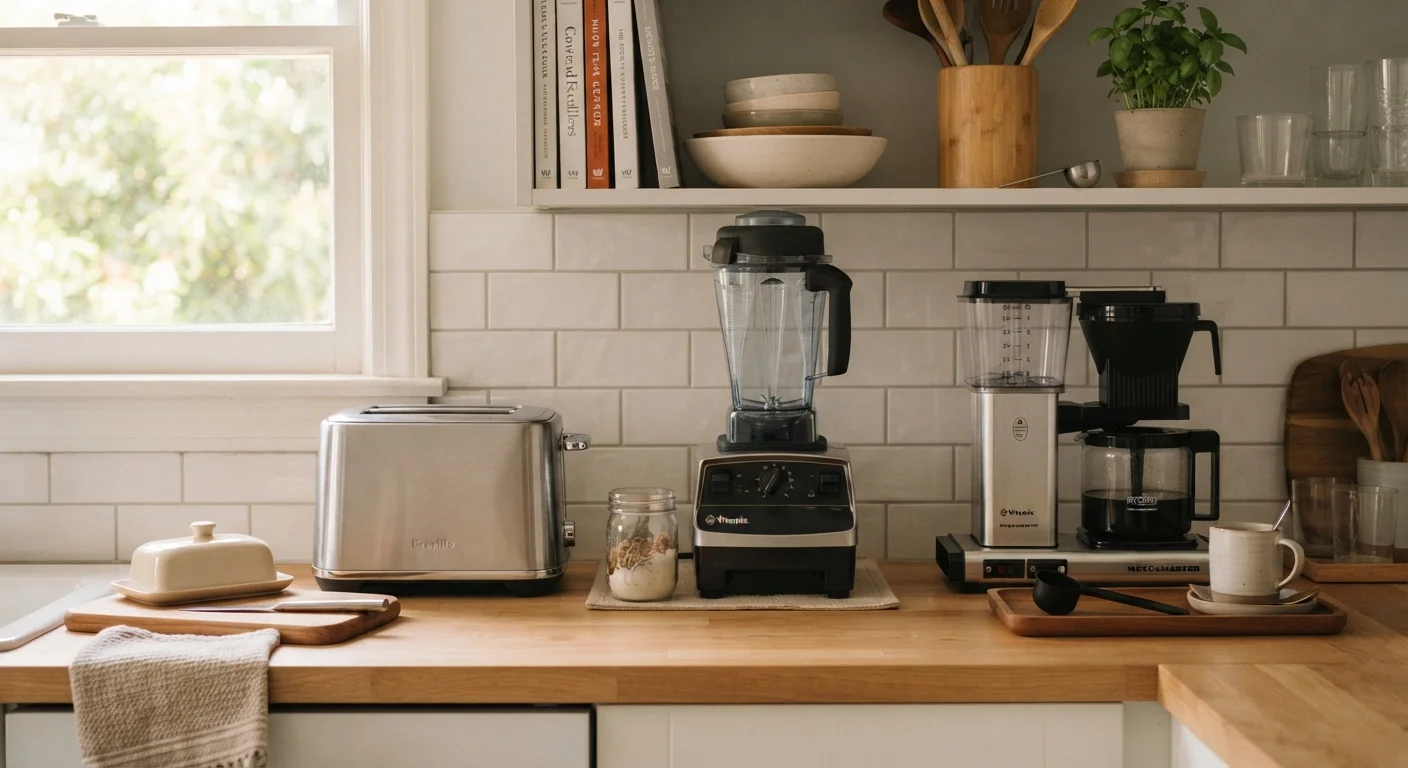
Small kitchen appliances - toasters, blenders, coffee makers, food processors - rarely break down overnight. Failure is usually the slow result of accumulated neglect: grease buildup around heating elements, mineral deposits clogging water lines, or worn gaskets that were never wiped clean. Understanding this pattern matters, because it means most premature failures are avoidable.
If you're equipping a kitchen on a tight budget, stretching the useful life of every appliance you own is just as important as choosing the right one to begin with. The same logic applies to your other household equipment - the habits that quietly wear out your car mirror the ones that quietly degrade your kitchen gear.
Clean appliances immediately after each use, before residue hardens.
Food oils, coffee oils, and starchy residues are easiest to remove when fresh. Once baked or dried onto heating elements or motor housings, they require more abrasive cleaning that can damage surfaces - and if left long enough, they contribute to overheating and motor strain.
Descale water-using appliances on a regular schedule based on your local water hardness.
Hard water leaves calcium and magnesium deposits that narrow water channels, force heating elements to work harder, and reduce output temperature consistency. Over time, scale buildup is a leading cause of premature coffee maker failure.
Never exceed the maximum fill line or rated capacity of any appliance.
Overloading forces motors and heating elements beyond their designed operating range. Even occasional overloads generate excess heat and mechanical stress that compound over time, degrading components that are difficult or impossible to replace affordably.
Store appliances in dry, stable environments away from direct steam or heat sources.
Moisture infiltration corrodes internal circuitry and promotes mold growth in crevices. Heat from adjacent stoves or dishwasher vents can degrade plastic housings and seals over time, leading to cracks that compromise the appliance's structure.
Read the manual once - specifically the cleaning and maintenance section.
Manufacturers specify which parts are dishwasher-safe, which lubricants (if any) are recommended, and what the duty cycle limits are. Ignoring these voids most warranties and often accelerates the exact failures the design was meant to prevent.
Appliance-Specific Care That Actually Makes a Difference
General cleaning habits go a long way, but each appliance category has its own failure points worth knowing.
Coffee Makers
Mineral scale - from hard tap water - builds up inside boilers and heating elements faster than most people expect. Descaling every one to three months (depending on your water hardness) keeps flow rates normal and prevents overheating. Use a manufacturer-approved descaling solution or a diluted white vinegar cycle, then run two to three plain water cycles afterward to flush residue.
Blenders
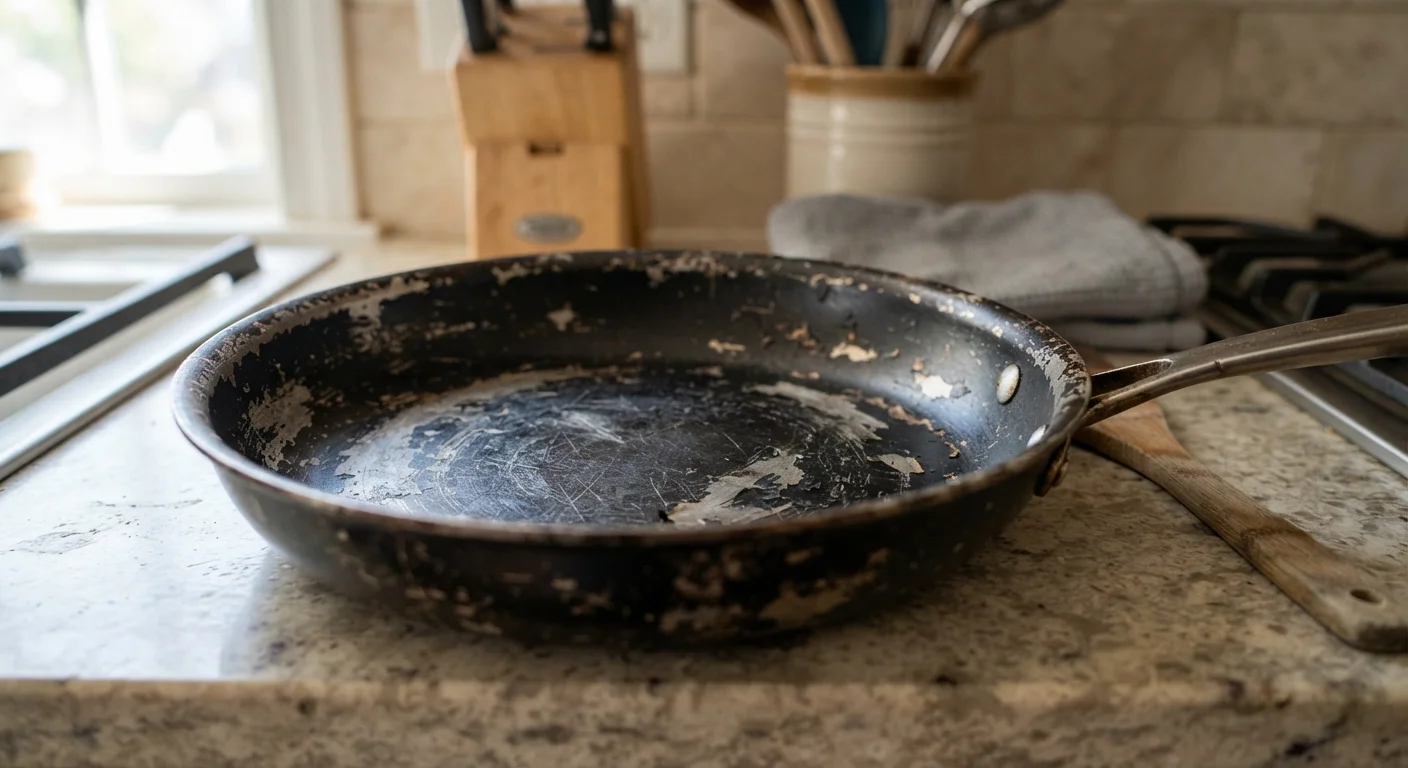
The gasket seal beneath the blade assembly is the most commonly overlooked part of a blender. Food particles trapped there promote mold and cause the seal to degrade, which eventually leads to leaks that can damage the motor base. Remove and hand-wash the blade assembly after every use rather than running the whole unit through a dishwasher - most manufacturers recommend this, and it preserves both the gasket and the blade edge. This parallels the care logic behind why nonstick pans lose their coating: small, repeated stresses accumulate into irreversible damage.
Toasters and Toaster Ovens
Crumb trays exist for a reason. Ignoring them allows buildup that can char, create odors, and - in toaster ovens - become a fire risk near exposed heating elements. Empty the tray weekly if you use the appliance daily; wipe interior walls monthly with a barely damp cloth while unplugged.
Check Before You Dishwasher
Many blender jars and food processor bowls are technically dishwasher-safe, but blade assemblies and gaskets usually are not. High heat and harsh detergents degrade rubber seals and dull cutting edges faster than hand-washing. When in doubt, check the manual or the manufacturer's website for part-specific guidance.
Storage, Power, and Overload Habits
How you store and operate appliances matters as much as how you clean them.
Moisture is a consistent enemy of small appliances. Storing a blender base or toaster near a sink - where steam and splashes are common - accelerates corrosion on internal components. Keep appliances at least a few inches from direct steam sources when possible. When storing seasonally-used appliances, keep them in a dry cabinet rather than a basement or garage where humidity fluctuates.
On the electrical side, avoid running appliances at maximum capacity for extended periods if the task doesn't require it. A blender rated for 60-second continuous runs under full load will wear out faster if you routinely exceed that. Check the manual for duty cycle guidance - it's there for a reason. This kind of incremental care mirrors the habits that keep laptops running longer: consistent, low-effort maintenance outperforms reactive repair every time.
Warranty Terms and DIY Repairs
Most small appliance warranties are voided by user-performed internal repairs or by using non-approved cleaning agents. If an appliance is still under warranty and malfunctions, contact the manufacturer before attempting any fix yourself. For out-of-warranty units, weigh repair costs against replacement value - replacement parts for small appliances can sometimes cost more than a comparable new unit.
Replacing a single small appliance typically costs $30-$150 or more depending on the category. Building simple care routines costs almost nothing and can meaningfully extend the window before replacement becomes necessary.