
Why Routine Beats Reaction in Pet Health
Most pet owners don't neglect their animals out of indifference - they get busy, miss a few weeks, and then feel the routine is already broken. The result is a pattern of reactive care: responding to problems rather than preventing them. Veterinary consensus consistently points the other way. Pets whose owners maintain basic preventive habits tend to have longer healthy lifespans and lower lifetime care costs than those seen only when something goes wrong.
This isn't about doing everything perfectly. It's about identifying the handful of habits that deliver the most value and making them genuinely sustainable. For most households, that means weekly observation, dental attention, scheduled veterinary visits, and grooming folded into daily life - not added on top of it.
For a broader look at what those vet visits actually involve, see our article on why wellness visits matter more than sick visits.
This Is General Information, Not Medical Advice
The guidance in this article reflects general preventive care principles for companion animals. Every pet has individual health needs that vary by species, breed, age, and medical history. Always consult a licensed veterinarian before making changes to your pet's health or care routine.
The Core Practices That Make the Biggest Difference
Not every pet care task carries equal weight. The practices below are grounded in veterinary preventive care guidance and target the areas most commonly missed by otherwise attentive owners. The goal is consistency, not complexity.
Weigh your pet and inspect their coat on the same day each week.
Gradual weight changes are easy to miss by eye but are often the first sign of metabolic issues, dental pain, or dietary problems. A consistent weekly check creates a personal baseline that no single vet snapshot can replicate.
Establish a tooth-brushing or dental care habit at least three times per week.
Periodontal disease affects the majority of pets over age three and is directly linked to systemic health complications including kidney and heart issues. Daily mechanical disruption of plaque is far more effective than treats or water additives alone.
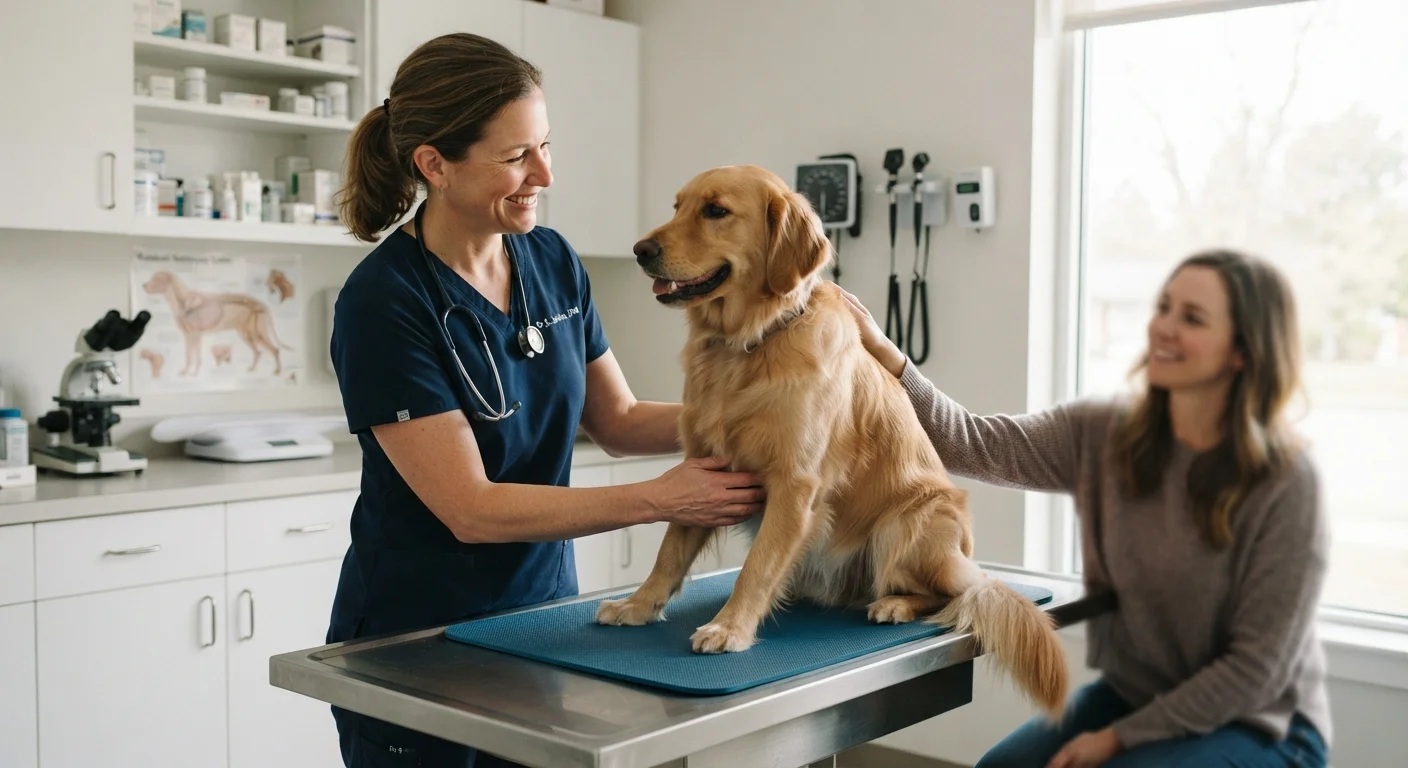
Schedule all annual and semi-annual vet appointments at the start of each calendar year.
Reactive scheduling - waiting until something seems wrong - means problems are caught later and appointments are harder to fit in. Pre-booking also helps you budget for costs across the year rather than absorbing them as surprises.
Build grooming into an existing daily habit rather than treating it as a separate chore.
Habit stacking - attaching a new behavior to an existing one - dramatically improves follow-through. Grooming checks done in passing also surface lumps, skin irritation, or parasite activity that scheduled baths might miss.
Log health observations in a running notes document you bring to every vet visit.
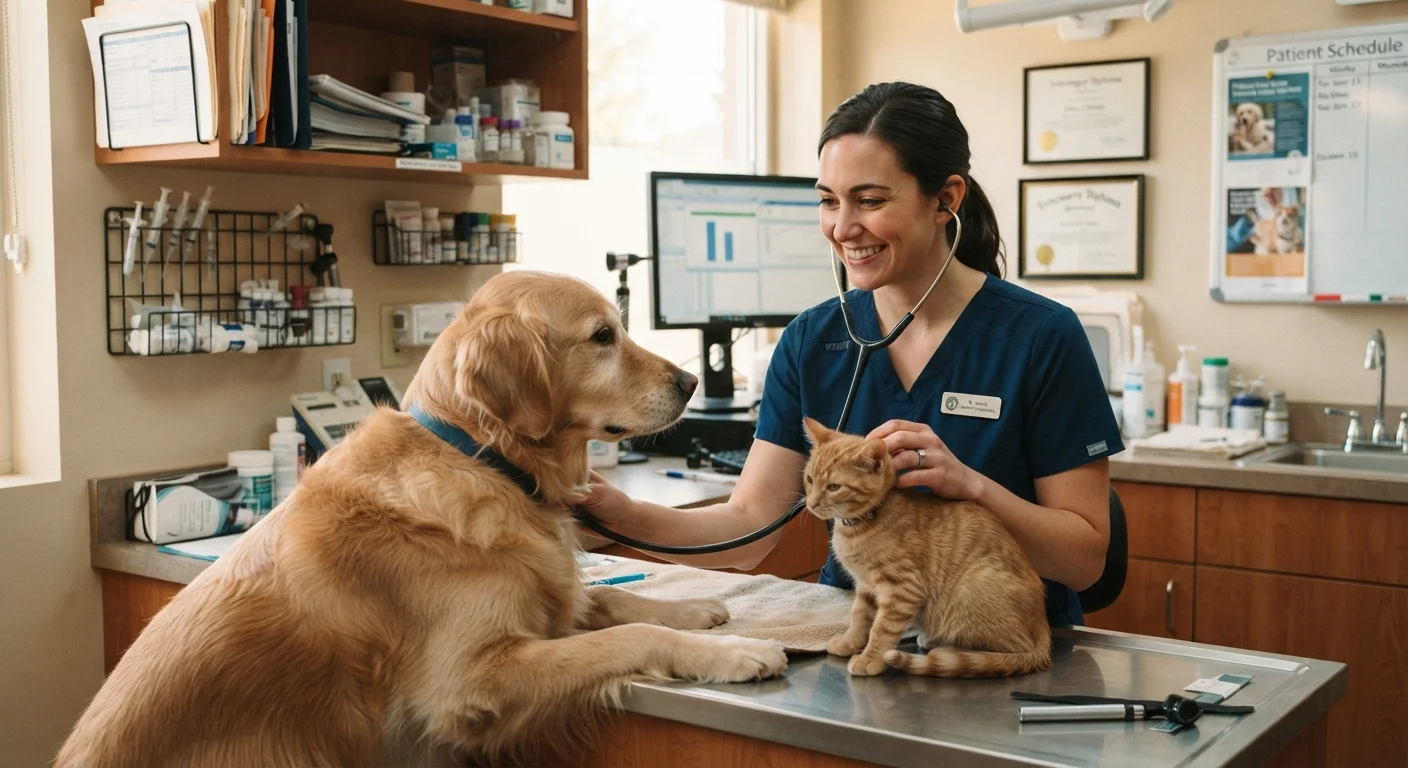
Vets work from short appointment windows and rely on owner-reported history. Documented patterns - changes in water intake, sleep posture, stool consistency - are diagnostic gold that pure memory rarely captures accurately.
Start Small: Quick Wins You Can Build From
A sustainable routine doesn't begin with a complete overhaul. It starts with two or three anchored habits that feel manageable, then grows from there. The following actions are chosen because they require minimal equipment and produce observable results quickly - both of which reinforce the habit loop.
Once these basics are steady, you can layer in more specific care - vaccination tracking, parasite prevention, and life-stage nutrition adjustments. Our vaccination schedule guide for dogs and cats covers the timing questions that come up most often.
Connecting Pet Health to Your Household Budget
Preventive routines have a financial logic that's easy to underestimate. A wellness visit that catches early dental disease or a thyroid issue typically costs a fraction of the treatment required once symptoms are advanced. Building these costs into a predictable annual schedule - rather than absorbing them as emergencies - makes them far more manageable for budget-conscious households.
If feeding costs are already a pressure point, the same discipline that helps you maintain a health routine can extend to nutrition decisions. Our article on stretching your pet food budget without cutting nutritional corners walks through practical strategies that don't compromise your animal's diet quality.
80%
Pets with dental disease by age 3
According to the American Veterinary Medical Association, the majority of dogs and cats show signs of periodontal disease by age three - making early dental habits especially important.
2-4×
Higher treatment cost for late-stage conditions
Veterinary health economists generally estimate that treating conditions caught at advanced stages costs multiple times more than early intervention - reinforcing the value of routine checkups.
This article is for general informational purposes only and does not constitute veterinary medical advice. Consult a licensed veterinarian for guidance specific to your pet's health needs.