Wellness Visits Versus Sick Visits: An Important Distinction
Most pet owners bring their animals to the vet when something is visibly wrong - limping, vomiting, lethargy. These sick visits are necessary, but they are inherently reactive. By the time symptoms appear, a condition has often progressed well past its earliest, most treatable stage.
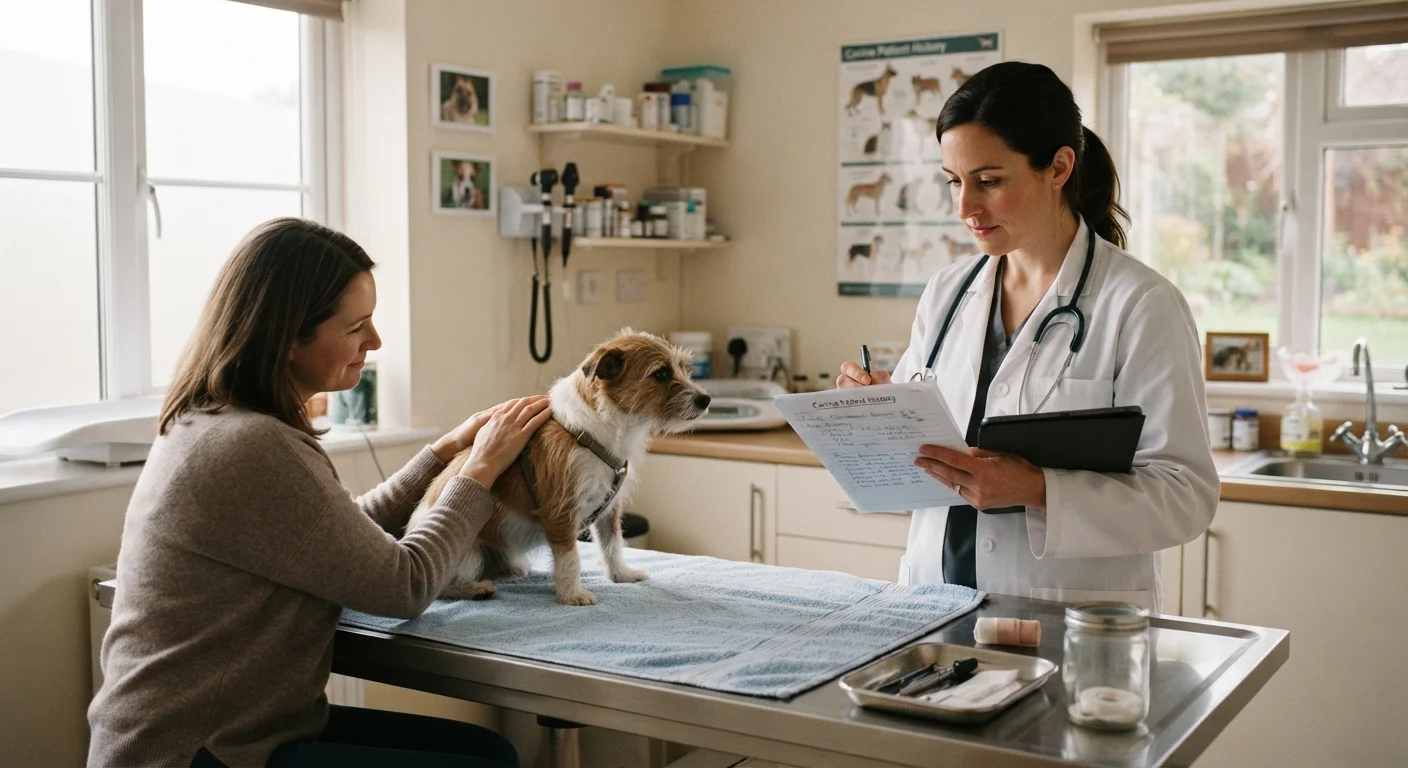
Wellness visits operate on a different logic. They are scheduled when your pet appears completely healthy, and that is precisely the point. A vet who sees your animal regularly builds a detailed picture of what "normal" looks like for that individual - their weight range, resting heart rate, coat quality, and organ function. When something shifts, even slightly, it registers against that baseline in a way a first-time sick visit never could.
For owners who want to understand what to bring and ask at any vet appointment, our guide to preparing for a vet visit walks through the essentials.
70%
Dogs over age 3 with dental disease
The American Veterinary Medical Association estimates that the majority of adult dogs show signs of periodontal disease by age three - a condition frequently identified during routine wellness exams.
2×
Recommended exam frequency for senior pets
Most veterinary guidelines advise twice-yearly wellness visits for pets in their senior life stage, reflecting the faster rate of physiological change in older animals.
Early
Stage at which most conditions are most treatable
Veterinary consensus holds that conditions including kidney disease, hyperthyroidism, and diabetes respond better to intervention when detected before clinical symptoms emerge.
What a Standard Wellness Exam Actually Covers
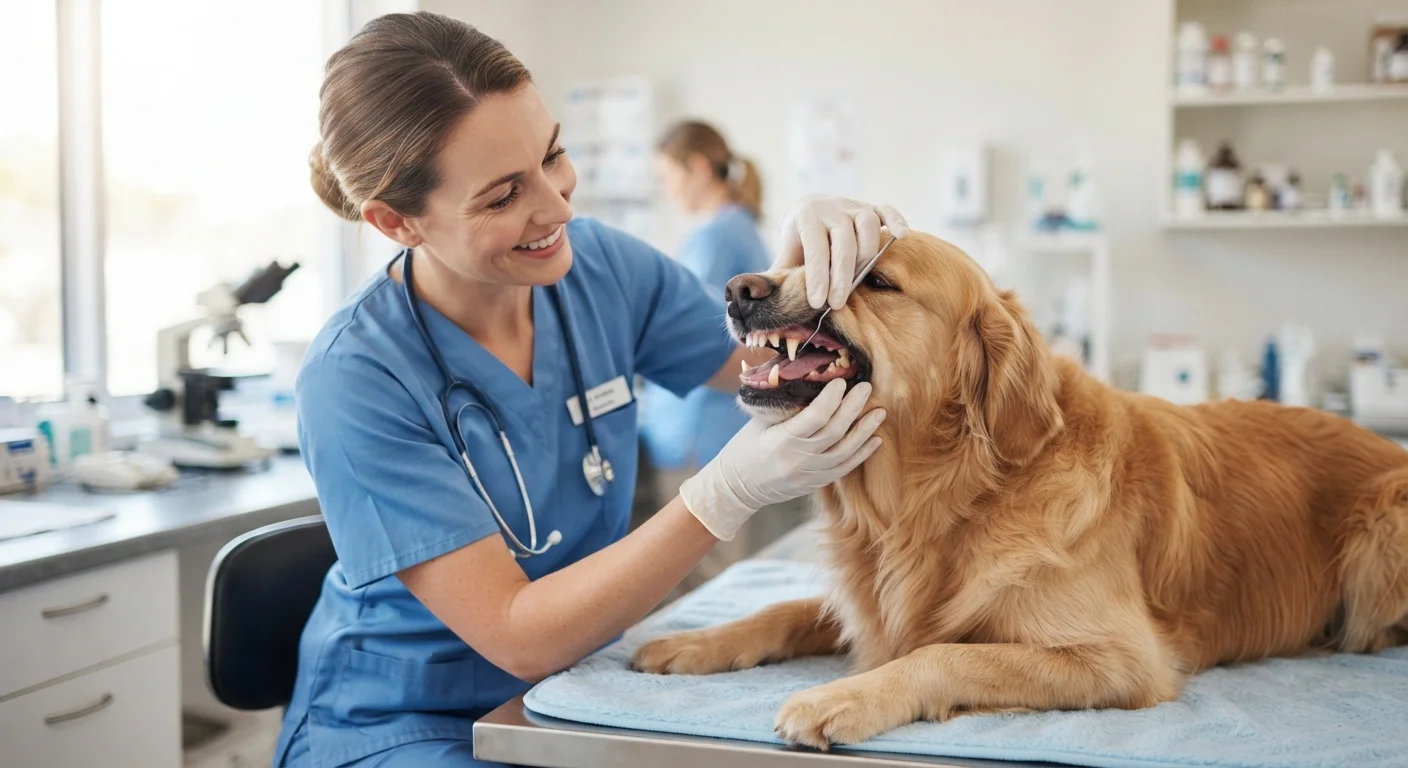
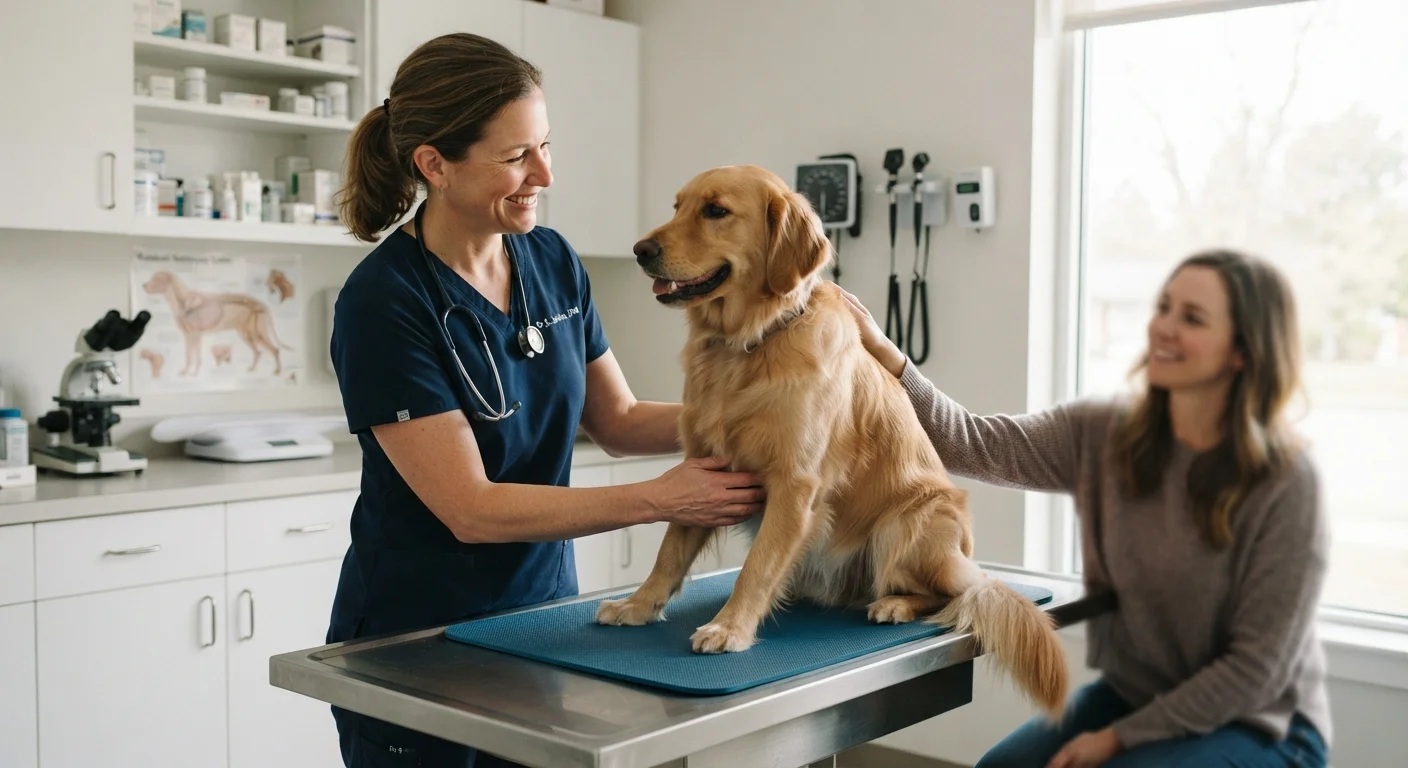
A routine wellness visit is more thorough than many owners expect. The veterinarian conducts a systematic physical examination from nose to tail: checking teeth and gums for tartar buildup or disease, inspecting ears for infection or mites, palpating lymph nodes and the abdomen, assessing muscle tone, and evaluating coat and skin condition.
Beyond the physical exam, most wellness visits include:
- Parasite screening - fecal tests for intestinal parasites; discussion of flea, tick, and heartworm prevention status. See our overview of parasite prevention basics for how each type of protection works.
- Vaccine review - confirming which vaccines are current and which are due, based on age, lifestyle, and local disease risk.
- Weight and body condition assessment - obesity is one of the most common and consequential preventable health problems in companion animals.
- Bloodwork and urinalysis - typically recommended annually for senior pets or those on long-term medications, but sometimes offered for younger animals as well.
Dental disease deserves particular attention: it is among the most frequently missed conditions during owner self-assessment. Our article on dental health in pets explains how oral disease progresses and why it matters systemically.
Make the Most of Every Wellness Visit
Write down any behavioral changes, appetite shifts, or physical observations you have noticed since the last exam and bring that list with you. Vets rely heavily on owner observations to flag issues that may not appear during a short clinical exam. Even subtle changes - drinking more water, sleeping differently, or losing interest in play - can be diagnostically meaningful.
Preventive Care Across Different Pets and Life Stages
Dogs and cats receive the most attention in preventive care discussions, but small mammals - rabbits, guinea pigs, ferrets - and birds also benefit meaningfully from routine exams. These species are often skilled at hiding illness, which makes scheduled check-ins with an exotic-animal-experienced vet especially valuable.
Life stage matters significantly. Puppies and kittens need frequent early visits to complete vaccine series and monitor rapid development. Healthy adult animals generally require annual exams. As pets move into their senior years, physiological changes accelerate and screening frequency should increase accordingly - typically to every six months. Our article on senior pet health needs covers what changes to expect and when to adjust care routines.
A pet's lifestyle also shapes their specific risk profile. Indoor and outdoor environments expose animals to very different hazards, and preventive recommendations should reflect those differences.
The Real Cost of Skipping Preventive Visits
Budget concerns lead many owners to defer routine care, reasoning that a healthy-looking pet does not need an immediate vet visit. This logic carries a hidden financial risk. Conditions like chronic kidney disease, diabetes, and early-stage cancer are substantially more manageable - and less expensive - when caught before symptoms escalate.
Emergency and specialist visits triggered by advanced, untreated illness routinely cost several times more than the preventive exams that might have intercepted the problem earlier. Our dedicated piece on the financial cost of deferred pet care offers a realistic look at these downstream expenses.
Pet insurance can offset some of these costs. General information about insurance planning is available in our savings and insurance resource hub for context on how coverage decisions work.
Building consistent preventive habits at home also reinforces what the vet does clinically. Regular grooming, weight monitoring, and dental hygiene are part of the equation - see our guide to building a lasting pet health routine for a practical framework.
“The goal of a wellness exam is not to find something wrong - it's to establish what right looks like, so we can recognize deviation early.”
— Veterinary Preventive Medicine Consensus Panel, Published guidance on companion animal preventive care frameworks
This article is for general informational and educational purposes only and does not constitute veterinary advice. Always consult a licensed veterinarian for guidance specific to your pet's health needs.