
When Does a Pet Become 'Senior'?
There is no single age that marks the start of a pet's senior years - it varies significantly by species, breed, and size. For dogs, body size is the primary determinant: small breeds tend to age more slowly and may not reach senior status until age 10 to 12, while large and giant breeds often cross that threshold as early as 6 or 7. Cats are generally considered senior around age 11, though this classification varies between veterinary organizations.
Small mammals age on an accelerated timeline. Rabbits, guinea pigs, and hamsters have comparatively brief lifespans, meaning health monitoring should intensify much earlier - sometimes within the first few years of life. For guidance on their specific requirements, see our small pet care breakdown.
Senior pet
A classification based on age and size indicating a pet has entered the later stage of its lifespan, where age-related health changes become more likely and preventive monitoring becomes more important.
Sarcopenia
The gradual loss of muscle mass that occurs naturally with aging in both humans and animals, even when activity levels and diet appear unchanged.
Chronic kidney disease (CKD)
A progressive, long-term decline in kidney function that is especially common in senior cats. It often develops without obvious symptoms until the condition is fairly advanced.
Canine cognitive dysfunction
An age-related neurological condition in dogs that resembles aspects of dementia in humans, causing disorientation, sleep disruption, and changes in behavior or social interaction.
Wellness panel
A set of routine diagnostic tests - typically bloodwork and urinalysis - run during a preventive vet exam to assess organ function and detect early signs of disease.
Osteoarthritis
A degenerative joint condition in which cartilage breaks down over time, causing pain, inflammation, and reduced mobility. It is one of the most common conditions in senior dogs and cats.
Your veterinarian is the most reliable source for determining when your specific pet has entered their senior phase, since individual health history matters as much as age.
How Physiology Changes With Age
Aging affects nearly every body system in pets, often gradually enough that owners miss the early signs. Metabolism typically slows, making weight management more critical. Muscle mass tends to decline - a process called sarcopenia - even when food intake stays constant. Organ function, particularly in the kidneys and liver, may become less efficient, affecting how pets process nutrients, medications, and waste products.
Immune function also weakens with age, making older pets more susceptible to infections and slower to recover from illness. Dental disease, which is common across all life stages, tends to accelerate and carry greater systemic risk in senior animals because bacteria from inflamed gums can affect heart and kidney health. Joint cartilage degrades over time, laying the groundwork for osteoarthritis even in pets that appeared athletic in their younger years.
Track Changes Over Time, Not Just in the Moment
Subtle physiological shifts are easy to miss during a single exam or observation. Taking brief notes - or even photos - of your senior pet's weight, mobility, coat condition, and energy level every few weeks gives you and your vet a more reliable picture than memory alone. Patterns across weeks matter more than any single data point.
Cognitive changes are also documented in older dogs and cats. Canine cognitive dysfunction - sometimes compared loosely to dementia in humans - can present as disorientation, disrupted sleep cycles, or changes in social interaction. These are medical signs, not simply personality quirks, and warrant veterinary evaluation.
Common Health Conditions in Older Pets
Several conditions appear with notably higher frequency in senior pets. Understanding what to watch for enables earlier intervention, which often improves outcomes and reduces treatment costs over time.
- Osteoarthritis: Joint inflammation and pain are widespread in older dogs and cats. Because pets instinctively conceal discomfort, stiffness or reluctance to jump may be the primary visible sign. Our guide to recognizing pain in pets covers behavioral cues to monitor.
- Chronic kidney disease (CKD): Particularly common in senior cats, CKD progresses quietly. Increased thirst, frequent urination, and weight loss are warning signals.
- Hyperthyroidism: Affects cats far more than dogs. An overactive thyroid accelerates metabolism and can cause weight loss despite a strong appetite.
- Diabetes mellitus: More common in older, overweight pets. Weight management throughout life is one of the most evidence-supported ways to reduce risk. Our article on obesity and body condition scoring explains how vets assess healthy weight.
- Cancer: Incidence increases with age across species. Regular physical exams are the primary tool for early detection of lumps, lymph node changes, or unexplained weight loss.
Do Not Attribute Symptoms to 'Just Old Age'
It is tempting to assume that slowing down, eating less, or sleeping more are simply signs of normal aging - and sometimes they are. But these same signs can indicate treatable conditions like pain, thyroid disease, or early organ failure. Any noticeable change in a senior pet's baseline behavior or physical condition warrants a veterinary evaluation, not a wait-and-see approach.
Vet Visit Frequency and Preventive Screenings
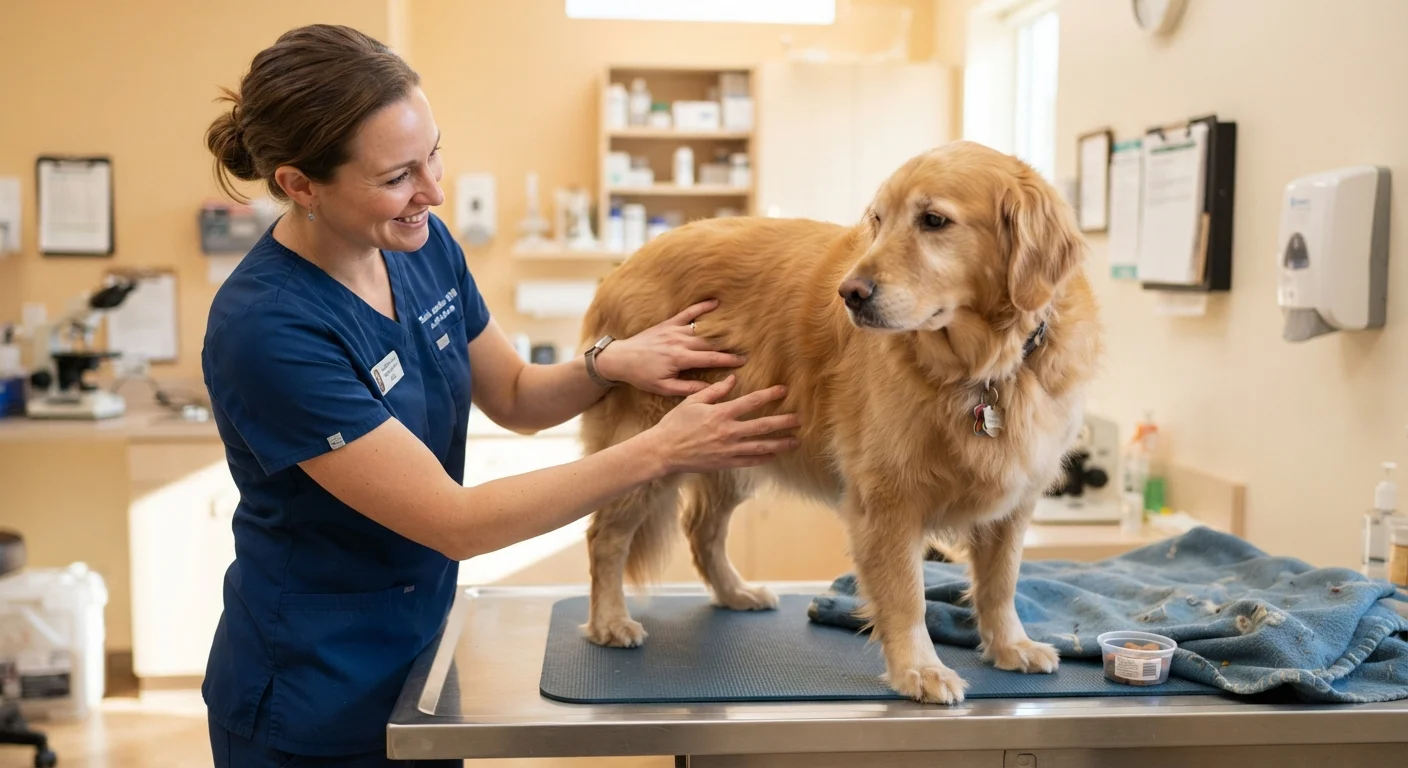
Annual wellness exams are a reasonable baseline for healthy adult pets, but most veterinary organizations recommend increasing to twice-yearly visits once a pet reaches senior status. This is not about being overly cautious - it reflects how quickly conditions like kidney disease or cancer can progress in older animals. A six-month interval gives veterinarians a meaningful window to compare bloodwork trends and catch deterioration before symptoms appear.
Standard senior wellness panels typically include bloodwork assessing organ function, a urinalysis, thyroid screening (especially for cats), blood pressure measurement, and a thorough physical exam covering lymph nodes, teeth, eyes, and joints. X-rays may be added when arthritis or internal organ changes are suspected.
For context on what routine preventive care looks like at all life stages, see our overview of why wellness visits matter. Vaccination protocols also shift in senior pets - your vet can review which boosters remain appropriate based on your animal's lifestyle and health status.
This article is for general informational purposes only and does not constitute veterinary advice. Always consult a licensed veterinarian for guidance specific to your pet's health.
Adjusting Daily Care Routines
The practical changes senior pets need are often straightforward, but they require deliberate adjustment rather than simply continuing what worked before. Nutrition is one of the most impactful levers. Senior pets frequently benefit from adjusted calorie levels and formulations that support kidney health, joint function, or cognitive maintenance - though the right approach varies considerably by individual. Our life stage nutrition guide covers how dietary needs evolve across a dog's life.
Gear and home setup also matter. Orthopedic bedding reduces joint pressure during rest. Ramps or steps allow pets with arthritis to access furniture or vehicles without painful leaping. Non-slip mats on hard floors can prevent falls in dogs with weakened hindquarters. For a detailed look at how supplies should evolve, our article on how pet supply needs shift with age provides practical guidance.
Daily observation is perhaps the most underrated tool in senior pet care. Owners who know their pet's normal appetite, energy level, litter box habits, and gait are best positioned to notice early deviations. Building structured check-in habits - weekly weight checks, monthly body condition assessments - creates a baseline that makes changes easier to spot. Our guide to building lasting pet health habits offers a practical framework for making these routines stick.
Indoor Lifestyle Affects Senior Risk Profile Too
A pet's living environment influences which health risks are most relevant as they age. Indoor-only cats, for example, face lower infectious disease exposure but are more prone to obesity-related conditions. Our guide on indoor vs. outdoor pet health explains how lifestyle shapes preventive care needs across all life stages.