Why Life Stage Matters More Than One-Size Buying
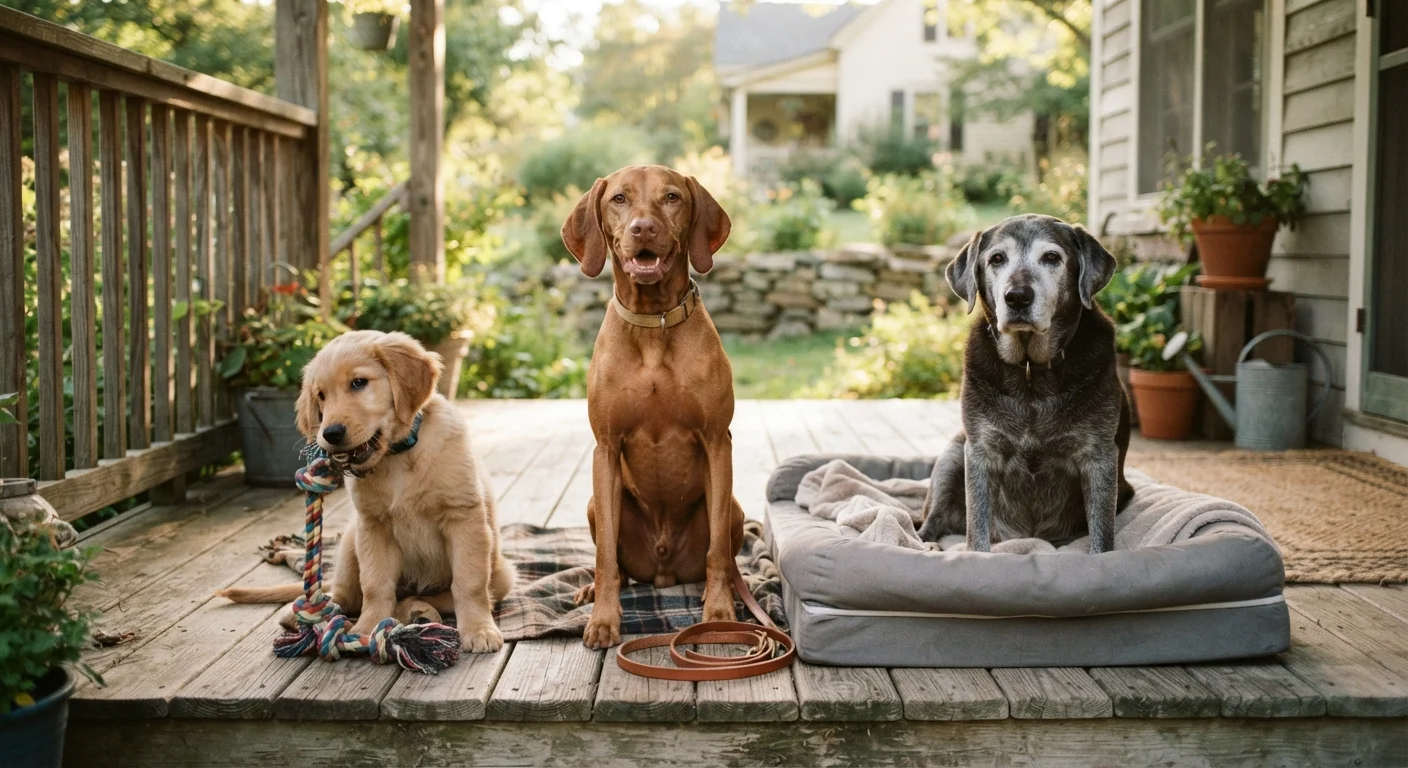
Pet supply aisles are full of products marketed broadly to "all dogs," but a 10-week-old puppy and a 12-year-old senior have bodies, behaviors, and health profiles that are genuinely different. Buying the wrong gear isn't just a minor inconvenience - it can mean nutritional gaps, physical discomfort, or safety issues that go unnoticed until they become vet visits.
Understanding how a dog's needs shift across three broad life stages - puppy, adult, and senior - helps you spend on what actually matters and avoid replacing gear that never fit in the first place. The Pet Food Nutrition hub covers nutritional depth across stages, and this guide addresses the full supply picture, from food to bedding to walking gear.
Life Stage Boundaries Are Not Exact
The dividing lines between puppy, adult, and senior are guidelines, not strict rules. Breed size, individual health status, and genetics all affect when a dog transitions from one stage to another. Use these categories as a starting framework, and rely on your veterinarian's assessment to make stage-specific decisions for your specific dog.
The Puppy Stage: Building the Right Foundation
Puppies are growing rapidly, which shapes every supply decision. Their caloric and nutrient needs are higher per pound of body weight than adult dogs, making life-stage-appropriate food a genuine priority - not marketing. Look for formulas meeting AAFCO's growth standard rather than "maintenance," and pay attention to portion guidance since overfeeding during growth can stress developing joints. The article life stage nutrition for dogs explains the nutritional science in detail.
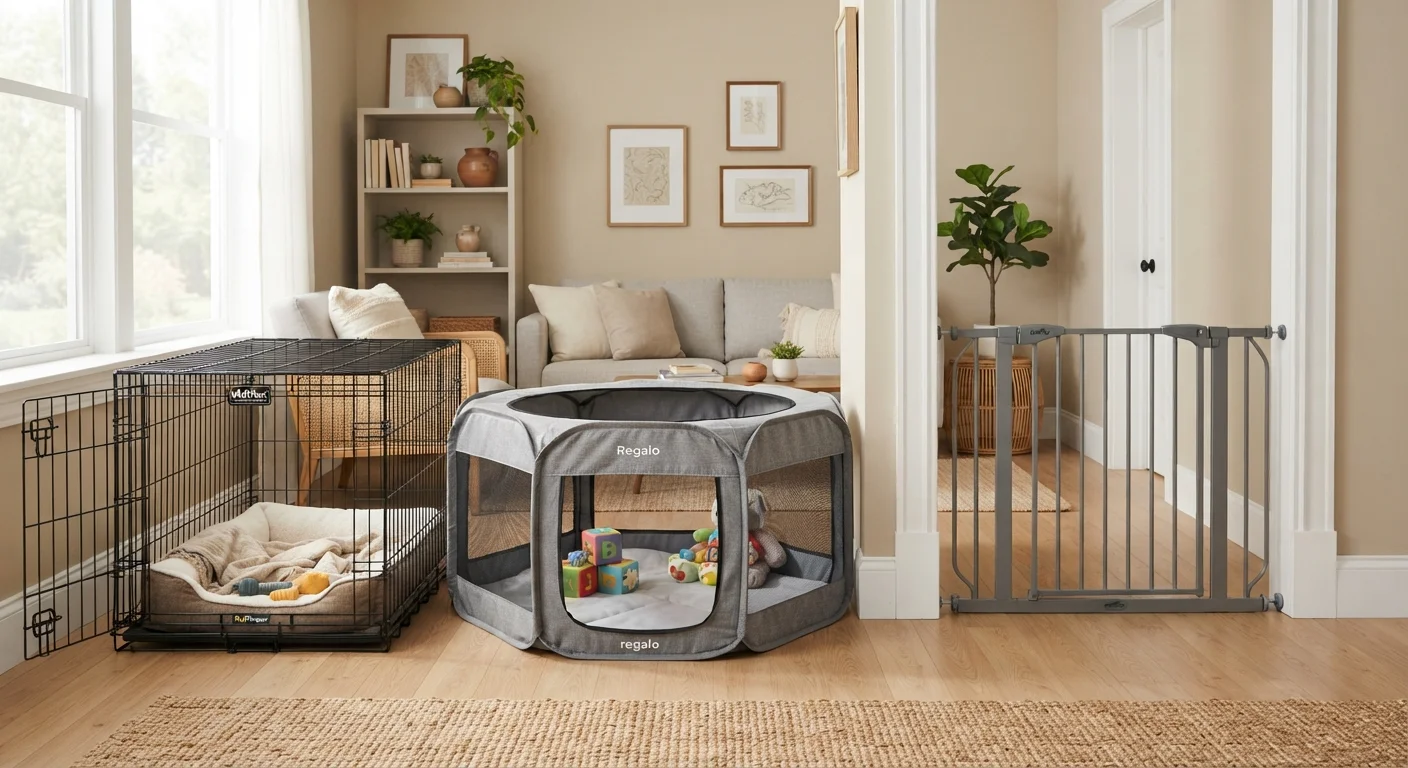
For gear, puppies need containment solutions suited to training. A crate, playpen, or baby gate setup helps establish safe boundaries and supports housetraining - our guide to crates, playpens, and gates walks through the differences. Leashes and harnesses should fit snugly without restricting breathing; expect to resize at least once as your puppy grows. Toys should be sized to prevent choking and soft enough for developing teeth.
Budget Tip: Buy Adjustable Gear for Puppies
Puppies grow so fast that fixed-size gear is quickly outgrown. Look for harnesses, collars, and playpens with adjustable sizing to extend usability without buying multiple versions in the first year. That said, never compromise on fit - a too-large harness can allow escape or restrict movement unsafely.
The Adult Stage: Matching Gear to Activity and Size
Once a dog reaches physical maturity - typically 12 to 24 months depending on breed size - their supply needs stabilize considerably. Nutrition shifts to a maintenance formula, and calorie needs depend heavily on activity level, spay/neuter status, and body condition rather than growth demands. Owners sometimes continue feeding puppy food into adulthood, which can contribute to excess weight gain due to higher calorie density. Our article on why dogs stay hungry after meals discusses how food quality and calorie density affect satiety.
Walking gear becomes more stable at this stage since the dog has reached full size, but it's worth revisiting whether a collar or harness better suits your dog's build and behavior. Some adult dogs, particularly brachycephalic breeds or those prone to pulling, do better in a harness regardless of training. See the harness vs. collar guide for a functional comparison. Bedding at this stage is largely about comfort and durability rather than therapeutic support.
~7 years
Age large breeds are considered senior
Veterinary guidelines generally classify large and giant breed dogs as senior around age 7, while smaller breeds may not reach this threshold until age 10 or later.
56%
U.S. dogs estimated overweight or obese
According to the Association for Pet Obesity Prevention's annual survey, more than half of dogs in the U.S. are overweight - a condition often linked to life-stage mismatched feeding.
The Senior Stage: Prioritizing Comfort and Joint Support
Senior dogs face physiological changes that make supply choices matter more, not less. Muscle mass tends to decrease, joints become stiffer, and many dogs develop conditions like arthritis or dental disease that affect what they can comfortably eat, where they can rest, and how far they can walk. For a broader look at how aging affects dog health, the article senior pet care and health shifts is a useful companion read.
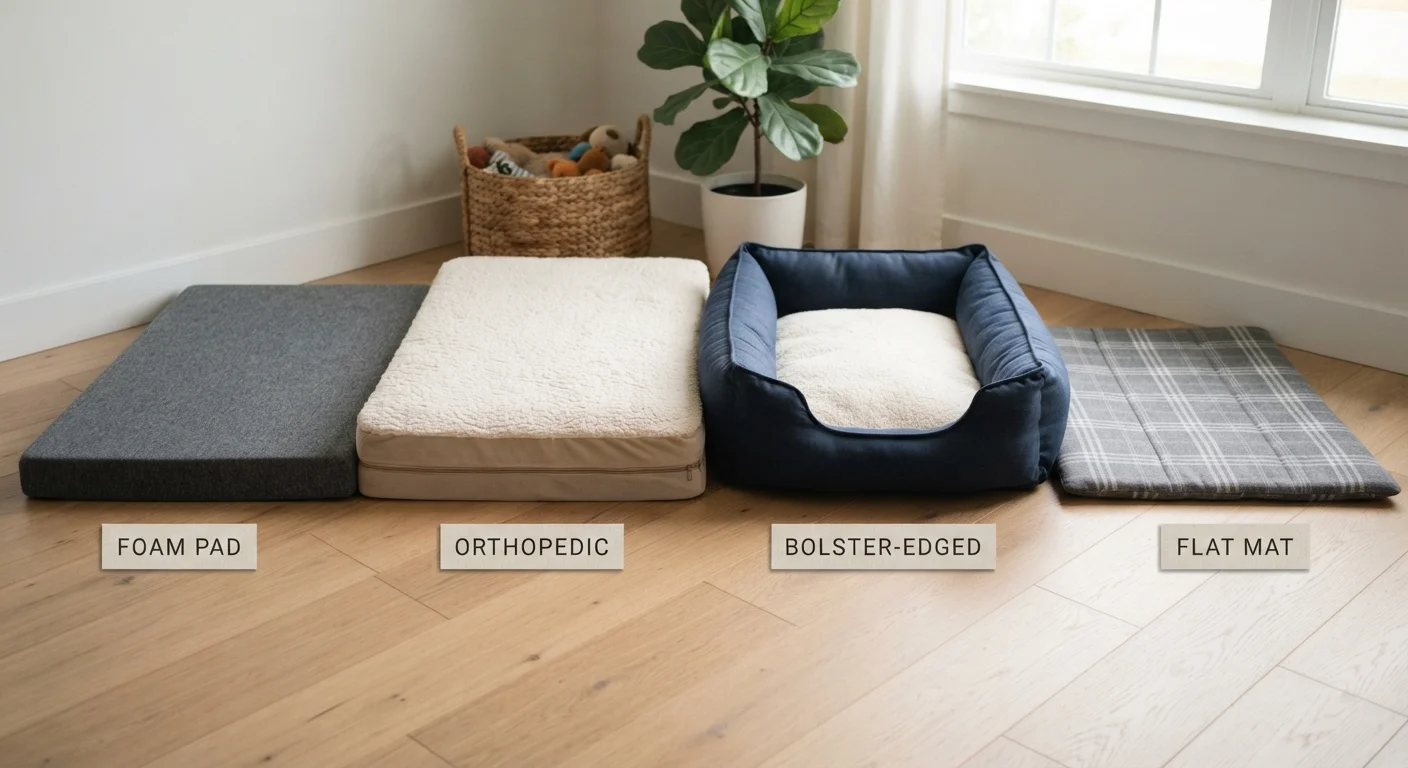
Orthopedic or memory foam bedding is one of the most evidence-backed supply upgrades for older dogs - distributing body weight evenly can meaningfully reduce pressure on arthritic joints. The comparison of pet bedding types covers foam, orthopedic, bolster, and flat mat options. Senior-specific food formulas often include adjusted protein levels and ingredients like glucosamine to support joint health, though not all formulas are equal. Grooming may also need adjustment as older dogs tolerate less handling - the guide to grooming tools by coat type can help you find gentler options suited to your dog's coat.
This article provides general information about dog care across life stages and is not a substitute for veterinary advice. Consult your veterinarian for guidance tailored to your dog's specific health needs.