What Actually Separates Android from iOS
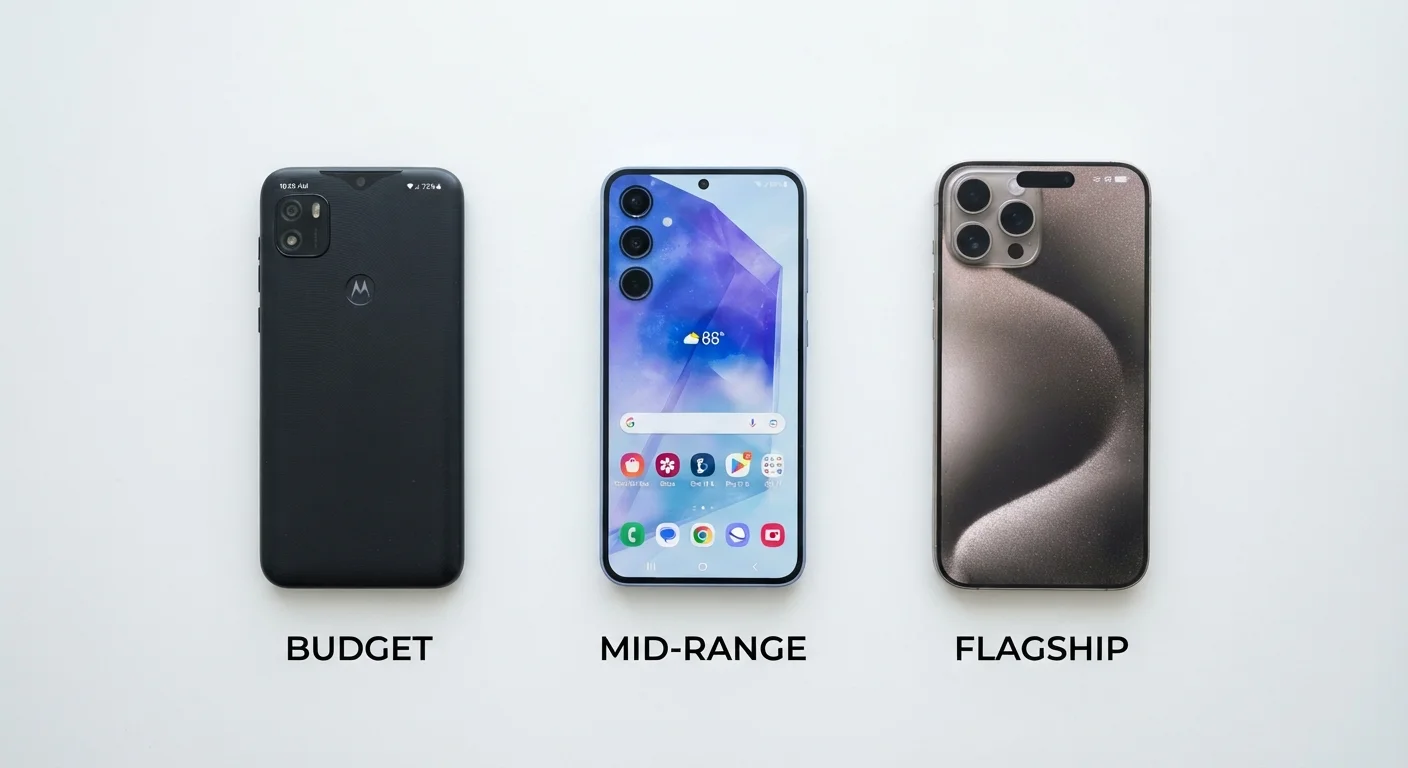
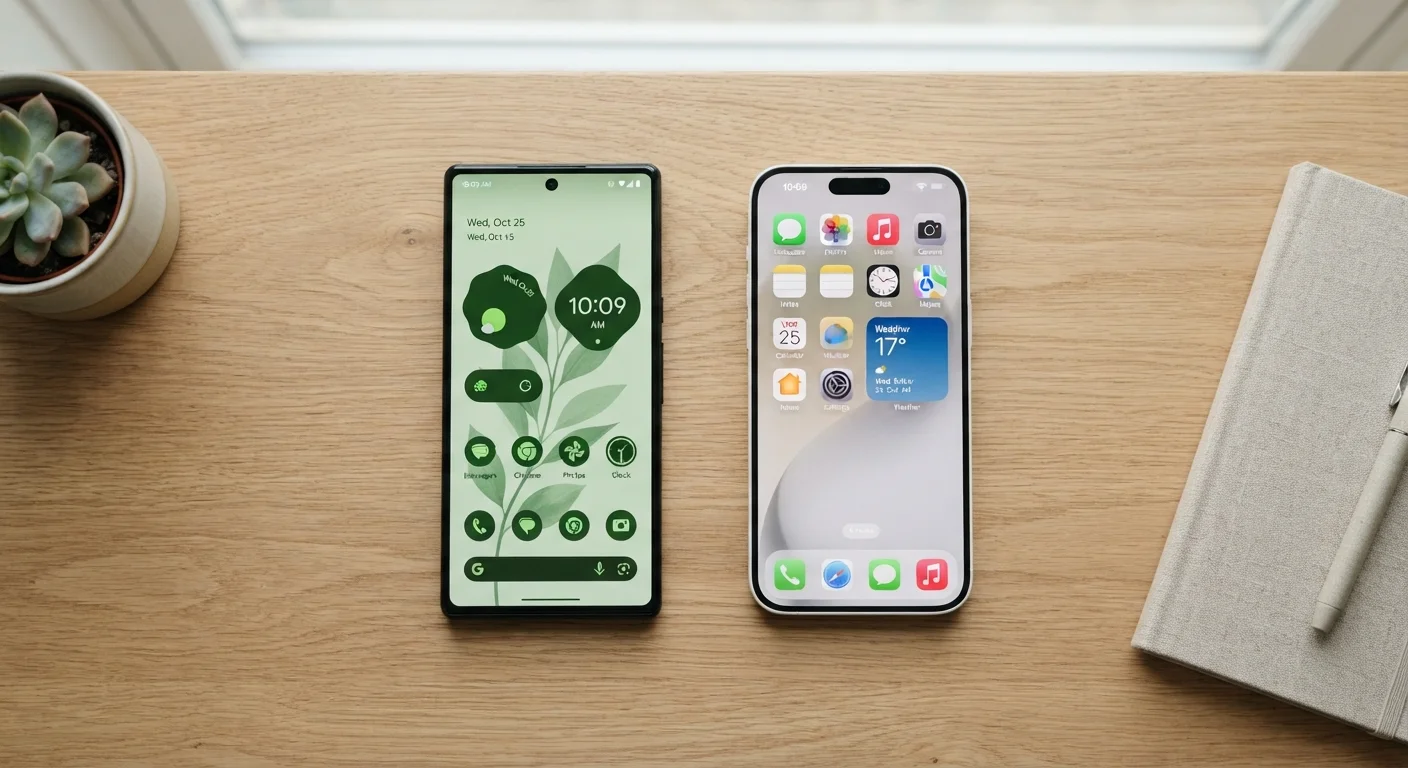
Android and iOS are both mobile operating systems, but they are built on very different philosophies. Android, developed by Google, is open-source and licensed to many hardware manufacturers - meaning you'll find it on phones ranging from entry-level models to premium flagships. iOS is Apple's proprietary system that runs exclusively on iPhones, giving Apple full control over both the software and the hardware it runs on.
That foundational difference shapes almost every practical distinction you'll encounter as a user. For a broader look at how to approach this kind of decision thoughtfully, see our guide to avoiding common product comparison mistakes - the same habits that trip up buyers in other categories apply here too.
| Criterion | Android | iOS |
|---|---|---|
| Hardware availability | Many manufacturers, wide price range | Apple iPhones only |
| Software update consistency | Varies by manufacturer | Simultaneous, multi-year support |
| Customization depth | High - launchers, defaults, file access | Moderate - more controlled environment |
| App store | Google Play Store (plus sideloading) | App Store only |
| Privacy controls | Granular, expanding with each release | Strong defaults, App Tracking Transparency |
| Ecosystem integration | Deep Google services integration | Deep Apple device integration |
| Entry price point | Available at many price levels | Starts at a higher baseline |
Apps, Ecosystem, and What You Leave Behind When You Switch
Both platforms host millions of apps, and the most widely used applications - social media, streaming, banking, navigation - are available on both. However, some apps appear first or exclusively on one platform, and certain features (such as iMessage's blue-bubble experience or Google's direct Android integrations) don't carry over.
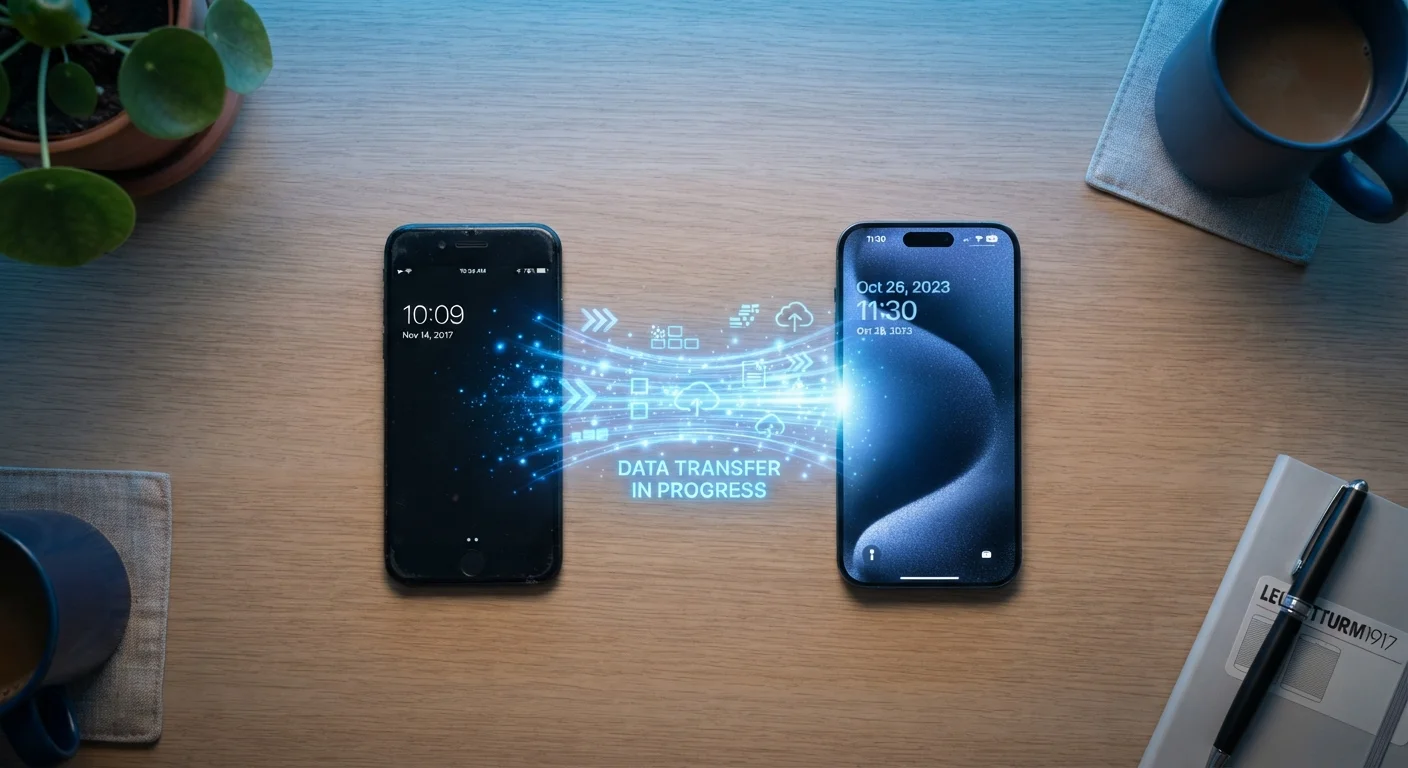
The harder reality for switchers is paid app purchases and in-app content. Apps bought on the Google Play Store don't transfer to the App Store, and vice versa. Subscriptions tied to a platform's billing system may need to be managed separately. If you're planning a switch, our article on moving your data to a new phone covers what transfers cleanly and what requires extra steps.
Ecosystem lock-in is real on both sides. Apple's ecosystem - iMessage, FaceTime, iCloud, AirDrop, Handoff - works seamlessly between Apple devices but is largely unavailable on Android. Google's services work on both platforms, though they integrate more deeply on Android.
72%
U.S. smartphone market share held by iOS
According to Statcounter data, iOS holds a majority share of smartphone web traffic in the United States, reflecting strong consumer adoption.
6+ years
iOS software support window (recent models)
Apple has provided major OS updates to iPhone models for six or more years after release, based on publicly documented update histories.
3.5M+
Apps available on Google Play Store
As of publicly reported figures, Google Play hosts over 3.5 million apps, comparable in breadth to Apple's App Store catalog.
Privacy, Updates, and Long-Term Value
Privacy has become a genuine differentiator. iOS includes App Tracking Transparency, which requires apps to request permission before tracking your activity across other apps and websites. Android has expanded its privacy controls significantly in recent versions, including more granular permission settings and a privacy dashboard, but the approach differs: Google's business model is more advertising-driven, which shapes some defaults.
Software update longevity is where iOS has historically held a structural advantage. Apple pushes updates simultaneously to all supported iPhones, and support windows have extended to six or more years on recent models. Android update timelines vary by manufacturer - some commit to four or five years of OS updates, while others offer fewer. This affects not just features, but security patches.
Carrier Lock and Platform Choice
The phone you buy may come carrier-locked, which affects which devices you can choose - but it doesn't change which operating system runs on them. If you're also weighing locked versus unlocked options, see our breakdown on unlocked vs. carrier-locked phones for what that distinction actually means for day-to-day use.
For buyers weighing overall phone value beyond just the platform, the differences between budget, mid-range, and flagship phones matter as much as the OS choice itself. And if you're still early in the decision process, our beginner's guide to buying your first smartphone covers the full landscape before you commit.