
Why Product Comparisons So Often Go Wrong
Most shoppers spend real time comparing products before buying - yet still end up with something that doesn't quite work. The problem usually isn't lack of effort. It's that certain deeply ingrained habits undermine the comparison process before it even gets started.
These habits feel reasonable in the moment: scanning price, sorting by rating, reading the top few reviews. But they routinely cause shoppers to overlook the details that determine whether a product will actually serve them. The result is buyer's remorse that feels mysterious - even when the signals were there all along.
Understanding where comparisons go wrong is the first step to making them genuinely useful. See how framing the right questions upfront can also sharpen the process before you start.
Using price as the primary filter before evaluating whether a product meets basic requirements.
Why it happens: Price is the most immediately legible number on any listing, so shoppers naturally sort or filter by it first - often before they've established what they actually need.
Comparing products designed for different use cases as though they're direct substitutes.
Why it happens: Marketing descriptions are written to appeal broadly, which makes products with very different intended applications look interchangeable on the surface.
Skipping physical dimensions, weight, and installation requirements entirely.
Why it happens: Dimensions feel like a secondary detail, and shoppers often assume a product will fit without measuring or checking clearance requirements.
Treating overall star ratings as a reliable signal of product quality.
Why it happens: A visible aggregate score feels like a shortcut to crowd-sourced truth, and review volume amplifies that sense of reliability.
Comparing spec numbers without understanding what those numbers mean in practical use.
Why it happens: Shoppers assume higher numbers on wattage, RPM, or thread count automatically mean better performance, when the relationship is often more nuanced or context-dependent.
Building a Comparison Process That Actually Holds Up
The habits above share a common thread: they optimize for speed or comfort rather than accuracy. Fixing them doesn't require more time - it requires redirecting your attention toward the details that matter for your specific situation.
1 in 3
Online purchases returned due to product mismatch
Industry return data consistently shows that product-expectation mismatches - not defects - drive a significant share of returns across home goods categories.
74%
Shoppers who check reviews before purchasing
According to consumer research from the Spiegel Research Center, the vast majority of online shoppers consult reviews - but fewer apply structured criteria to evaluate them.
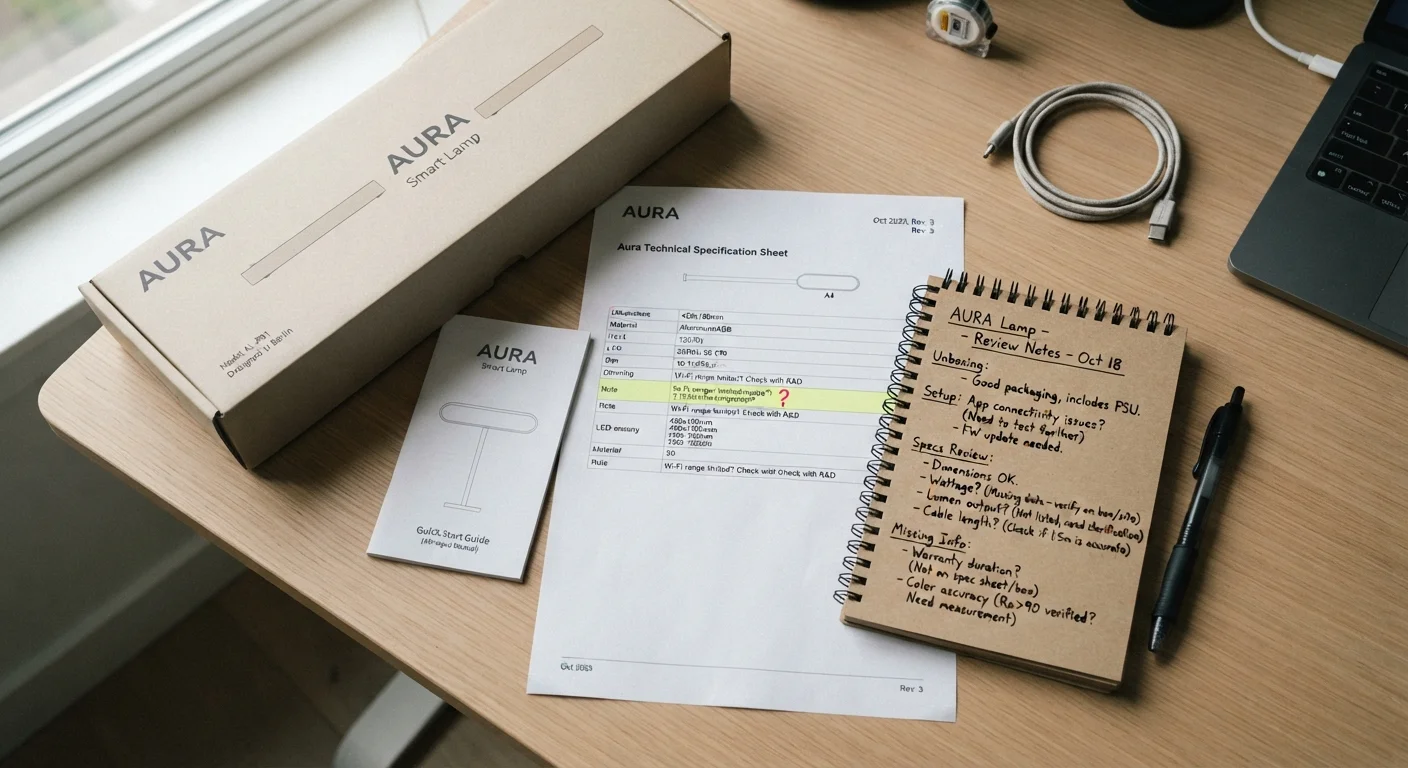
Start by writing down what the product must do, what space it needs to fit, and what trade-offs you're genuinely willing to make - before opening any product listing. This simple step prevents price anchoring and use-case drift from shaping your conclusions before you've looked at any real specs.
When you move into research, treat specs as a checklist against your own requirements rather than a raw data dump to compare side by side. Spec sheets routinely omit details that affect daily use, so budget time to cross-reference user feedback with a critical eye. For guidance on reading that feedback without being misled, evaluating reviews critically is worth building into your routine.
If you're working across multiple retailer sites - where product names vary and key specs are often missing - strategies for aligning information across sources can prevent you from comparing listings that aren't actually equivalent. And if organizing multiple tabs and prices is becoming a problem on its own, these habits for tracking comparisons without the chaos are worth adopting.
Don't Conflate 'Popular' With 'Right for You'
A product that dominates search results or carries thousands of reviews has achieved visibility - not necessarily fit. Popularity reflects purchasing volume across a wide range of buyers with different needs, spaces, and budgets. Before letting a bestseller label or high review count weigh heavily in your decision, confirm that the majority of reviewers were using the product in conditions similar to yours.
Not every purchase warrants the same level of scrutiny. Some categories reward extra research; others don't. Knowing which is which helps you focus your comparison energy where it will actually pay off.