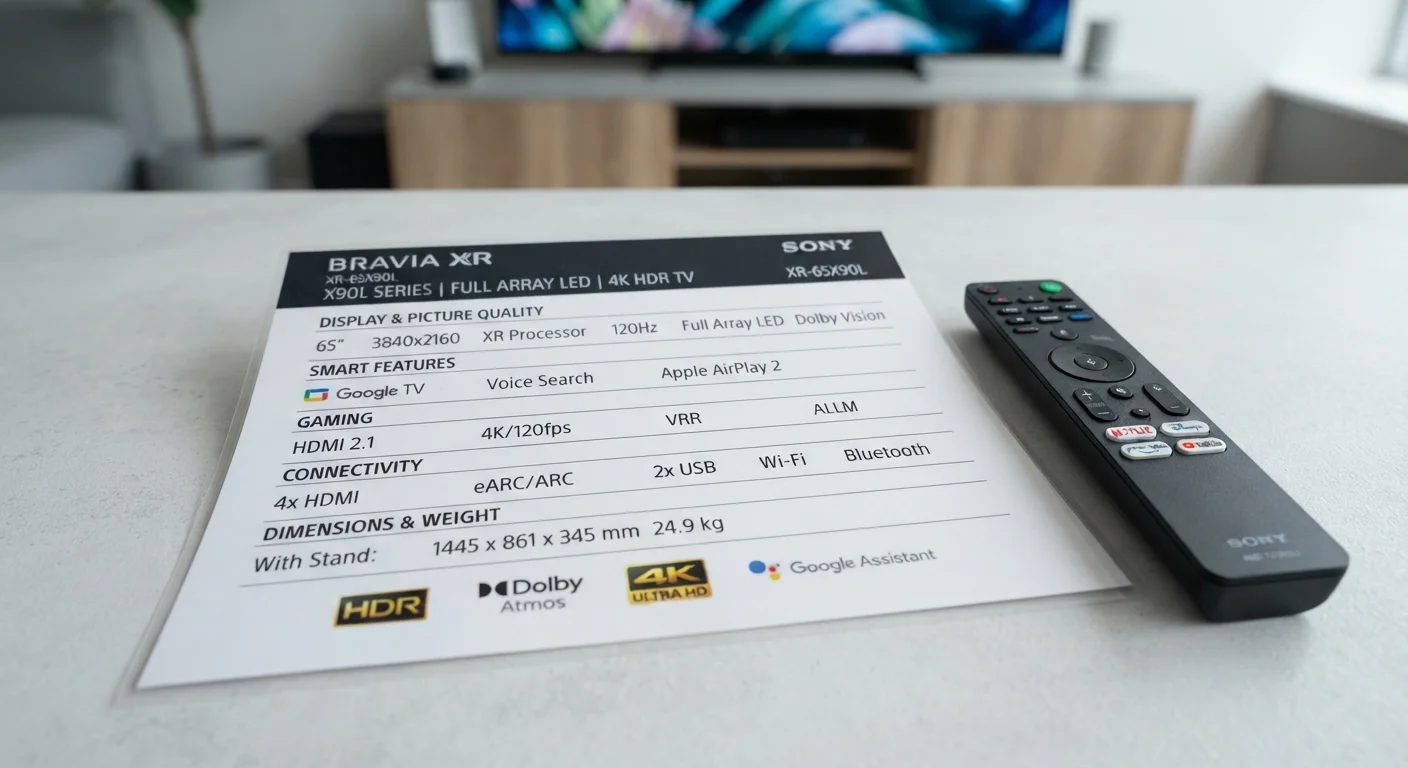

The Purpose Spec Sheets Actually Serve
A spec sheet answers one question reliably: what did the manufacturer choose to measure and publish? That's useful as a starting point, but it's not the complete picture of how a product performs in your home, on your schedule, and under your conditions.
Spec sheets serve a dual purpose. They provide standardized technical reference for procurement and compatibility decisions - voltage, dimensions, weight - and they function as marketing collateral. The two purposes conflict. Marketing favors favorable numbers; standardized reference requires complete ones. In consumer goods, marketing typically wins the tiebreaker.
Understanding this dynamic is the first step toward reading specs more critically. The question isn't only "what does this number mean?" but "what number isn't listed here, and why?"
Spec Sheets vs. Label Tactics in Other Categories
The selective disclosure pattern isn't limited to electronics and appliances. In food and pet products, similar practices appear - such as ingredient splitting, where a single ingredient is divided into multiple entries to push it lower on a list. The label tactics explainer describes how this works in that context.
What Routinely Gets Left Out
Certain categories of information are systematically absent from spec sheets across product types. Recognizing these gaps by category helps you know where to look next.
Noise and vibration output
Appliance manufacturers rarely publish decibel measurements under realistic load. A dishwasher's noise rating, if listed at all, may reflect operation at minimum cycle intensity. Blenders, vacuums, and HVAC units share this gap. Third-party reviews that measure dB under actual use conditions are more reliable here.
Long-term durability indicators
Cycle ratings - how many open/close operations a hinge survives, how many washes before a finish degrades - exist in industrial procurement contexts but almost never appear on consumer spec sheets. Owner forums for products that have been on the market 18-24 months are among the few places this data surfaces organically.
Real-world energy consumption
Energy Star ratings describe a tested scenario, not your usage pattern. A refrigerator's rated annual kWh assumes a set ambient temperature and specific door-open frequency. Actual consumption varies. Some third-party testing organizations publish real-world energy draw figures worth tracking down.
Material quality beneath the surface
"Stainless steel" describes a surface, not a gauge. "Solid wood" may mean a solid-wood veneer over engineered core. Spec sheets rarely disclose material thickness, hardware grade, or coating depth. This is where bedding spec breakdowns become instructive - the same selective disclosure pattern applies broadly across home goods.
~40%
Consumers who returned a product due to unmet expectations
A 2022 Narvar consumer survey found roughly 40% of returns involved a product that didn't match the buyer's expectations formed during research - often due to gaps between listed specs and actual experience.
3-5x
Range in real-world energy use vs. rated figures
Independent testing organizations have documented real-world energy consumption varying significantly from rated figures for certain appliance categories, depending on usage patterns and ambient conditions.
How Measurement Methods Create False Comparisons
Even when two brands list the same spec, the figures may not be comparable. Measurement methodology - how a number was produced - determines whether two identical-looking figures actually describe the same thing.
Battery life is the clearest example. One manufacturer tests at 50% screen brightness with Wi-Fi off; another tests at 30% brightness with background sync active. Both list "up to 12 hours." The numbers match; the experience may not. The same dynamic affects lumen ratings on light bulbs, CFM ratings on range hoods, and BTU claims on portable heaters.
For smartphone specs specifically, chipset benchmarks and RAM figures are subject to similar inconsistencies - something our smartphone spec explainer covers in detail. The habit of comparing raw numbers without checking methodology is one of the most common traps in product research, and it's worth examining as described in common comparison habits that lead to regret.
Where to Fill the Gaps
Closing the information gap requires combining sources deliberately, not just reading more listings.
- Independent lab reviews: Look for publications that physically test products and publish methodology. These are the most reliable source of real-world performance data not found on spec sheets.
- Owner forums and Q&A sections: Long-tenured owner communities surface durability issues, firmware quirks, and wear patterns that show up after months of use - well past the review cycle.
- Regulatory and certification databases: Energy Star, UL, and similar bodies publish test data and certification criteria that can confirm or complicate manufacturer claims.
- Retailer Q&A sections: Direct questions from buyers sometimes elicit specific answers about dimensions, clearance requirements, or compatibility that aren't in the product listing.
TV spec sheets are a useful case study in how much context a number requires - refresh rate handling, HDR tier, and local dimming implementation all matter significantly more than a raw number suggests. Our TV spec sheet breakdown demonstrates this approach applied to a single product category.
Ask the Specific Question the Spec Doesn't Answer
Before purchasing, write down the two or three things that would make the product fail for your use case - then search specifically for those. If noise matters, search "[product name] noise review dB" rather than reading the general listing. Targeted searches surface the information that selective spec sheets leave out.