What RAM Actually Does in a Smartphone
RAM - short for Random Access Memory - is the phone's short-term working memory. When you open an app, the phone loads it into RAM so it can respond quickly to your inputs. The more RAM available, the more apps can stay loaded simultaneously without being force-quit in the background.
In practical terms, low RAM means that switching between apps triggers constant reloads. You tap back into your browser and the page refreshes from scratch. You return to a game and it restarts your session. With sufficient RAM, those transitions feel instant because the app was never unloaded.
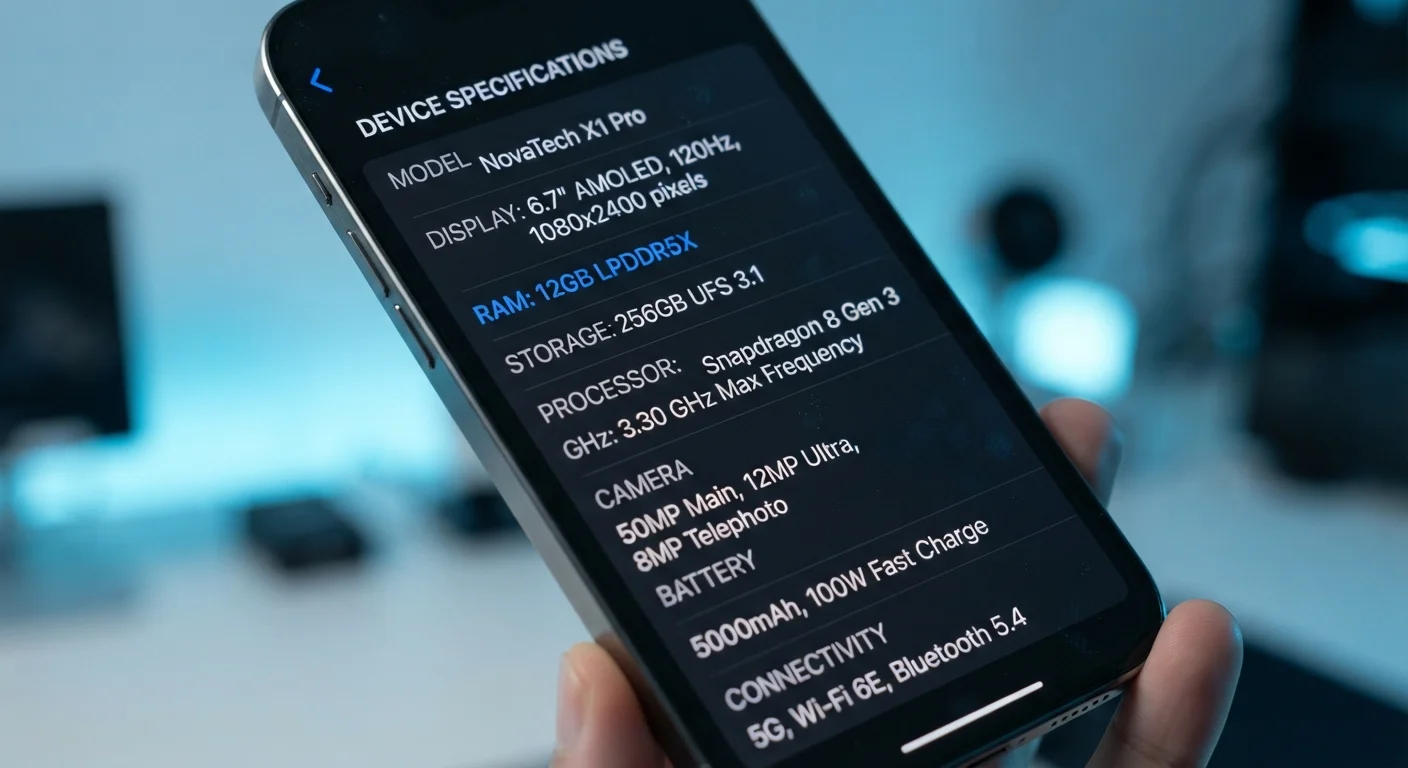
For most everyday users, 6GB to 8GB of RAM covers browsing, messaging, social media, and music streaming comfortably. Power users running navigation, music, and productivity apps simultaneously - or heavy mobile gamers - will benefit from 12GB or more. Going below 4GB in a modern phone typically results in noticeable lag within a year of regular use.
Match Specs to Your Actual Usage
Before evaluating any spec, write down the three or four things you do most on your phone. If that list is calling, texting, and social media, you don't need flagship-tier RAM or a top-generation chipset. Matching specs to real habits helps you avoid overpaying for headroom you'll never use.
RAM matters less for storage and more for responsiveness. If your phone frequently reloads apps when you switch between them, insufficient RAM is often the culprit - not a slow processor.
Storage: Capacity, Speed, and Why Both Matter
Storage is where your phone permanently holds everything: apps, photos, videos, music, and system files. Unlike RAM, storage retains data when the phone is powered off. The number you see listed - 128GB, 256GB, 512GB - represents total capacity, though the operating system reserves a portion for itself.
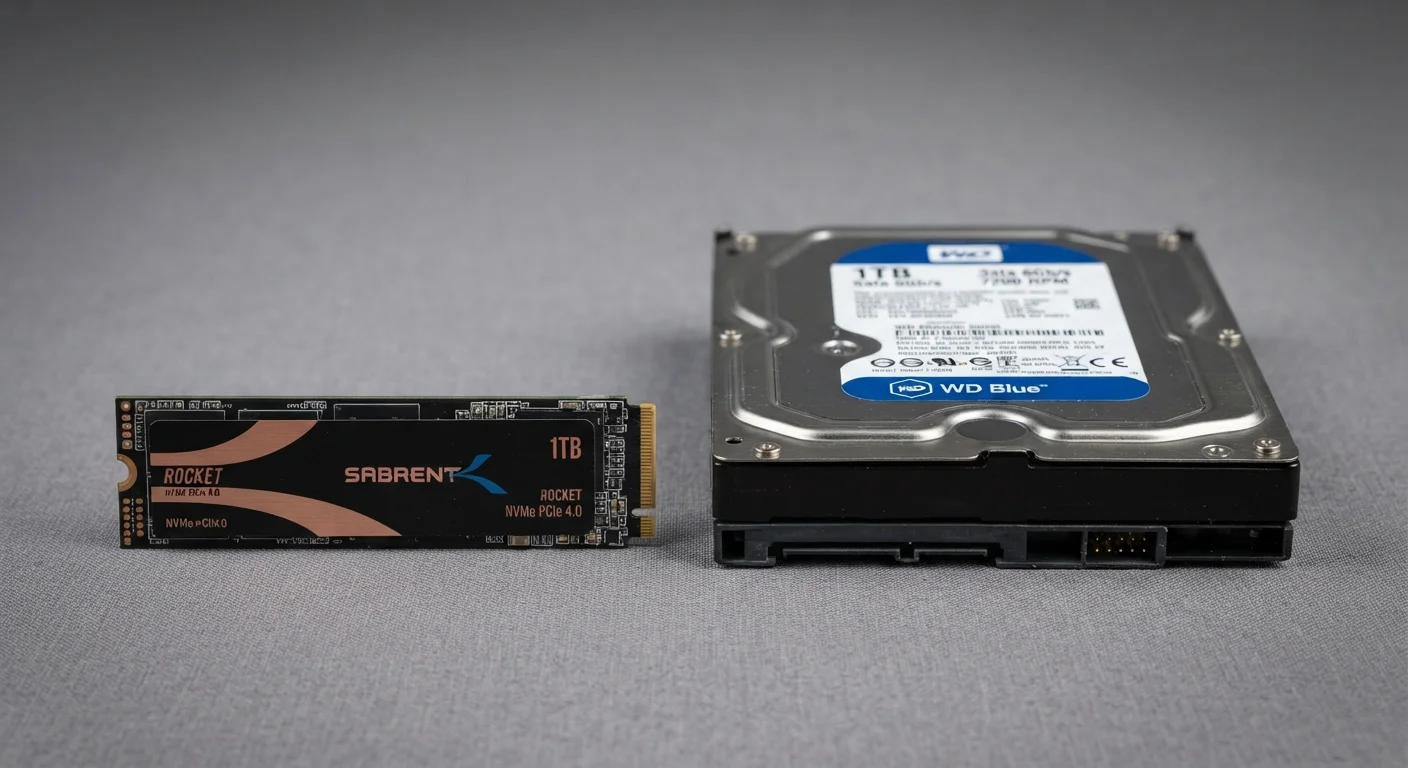
Storage type matters just as much as capacity. Most current smartphones use UFS (Universal Flash Storage), with newer generations (UFS 3.1, UFS 4.0) offering substantially faster read and write speeds than older versions. Faster storage means apps install quicker, large files transfer faster, and the phone feels snappier overall - even with the same processor.
For a practical baseline, 128GB accommodates thousands of photos, dozens of apps, and offline media for most users. Frequent video shooters or offline content downloaders should target 256GB or more. If a phone supports expandable storage via microSD, that option can provide a cost-effective way to extend capacity. See our guide to storage speed differences for a deeper look at how storage technology affects real-world performance.
Expandable Storage Has Limits
Not all phones support microSD cards, and those that do may restrict certain features - like storing downloaded streaming content - to internal storage only. Always verify which apps and functions require internal storage before relying on a card to fill your capacity needs.
Processors: Cores, Clock Speed, and Chipset Generations
The processor - often called a chipset or SoC (System on a Chip) - is the central engine running every operation on the phone. It handles everything from rendering your display to running AI-assisted camera features. Chipset performance is influenced by three main factors: core count, clock speed (GHz), and chip generation.
Modern smartphone chips use a cluster design with multiple core types - high-performance cores for demanding tasks and efficiency cores for lighter operations like music playback or idle processing. This approach conserves battery while maintaining responsiveness. Clock speed alone (measured in gigahertz) is an incomplete measure; a newer generation chip running at lower GHz often outperforms an older chip with higher GHz due to architectural improvements.
Chip generation is particularly important to understand. A chipset manufactured on a more advanced process node (measured in nanometers - smaller is newer and more efficient) delivers better performance per watt, runs cooler, and supports newer features like advanced AI processing. That's why a phone with a current mid-range chip can outperform an older device that once carried a flagship chip.
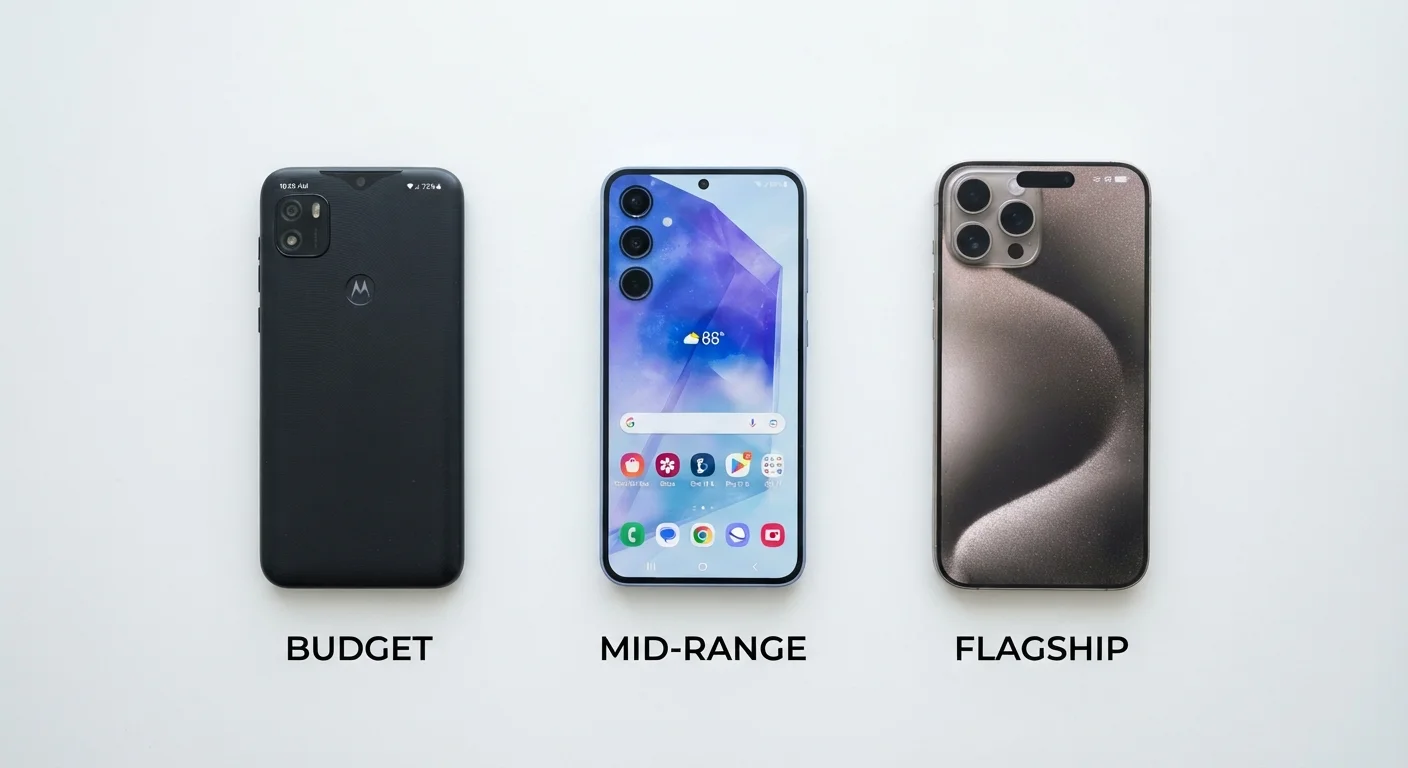
For context on how these differences play out across price tiers, see what separates budget, mid-range, and flagship phones.
128GB
Practical storage baseline for most users
Industry analysts broadly cite 128GB as the starting point that accommodates apps, photos, and offline media for average smartphone users without frequent capacity issues.
6-8GB
RAM range covering most everyday multitasking
Mobile hardware analysts generally identify 6-8GB of RAM as the sweet spot for smooth multitasking on modern Android and iOS devices for non-power users.
3-5 nm
Process node range for current flagship chipsets
Leading chipset manufacturers have moved to 3-5 nanometer process nodes, delivering meaningful gains in performance-per-watt compared to previous 7-10 nm generations.
Reading Specs in Context: What the Numbers Leave Out
Spec sheets present numbers in isolation, but real-world performance emerges from how hardware and software work together. A phone with impressive RAM and a fast chipset can still feel sluggish if the operating system is bloated with background processes or if the manufacturer ships infrequent software updates.
Thermal management is another invisible factor. Under sustained load - prolonged gaming or video recording - phones throttle their processor speeds to prevent overheating. A phone with a top-tier chip but poor heat dissipation may perform below a mid-range device that sustains consistent speeds longer.
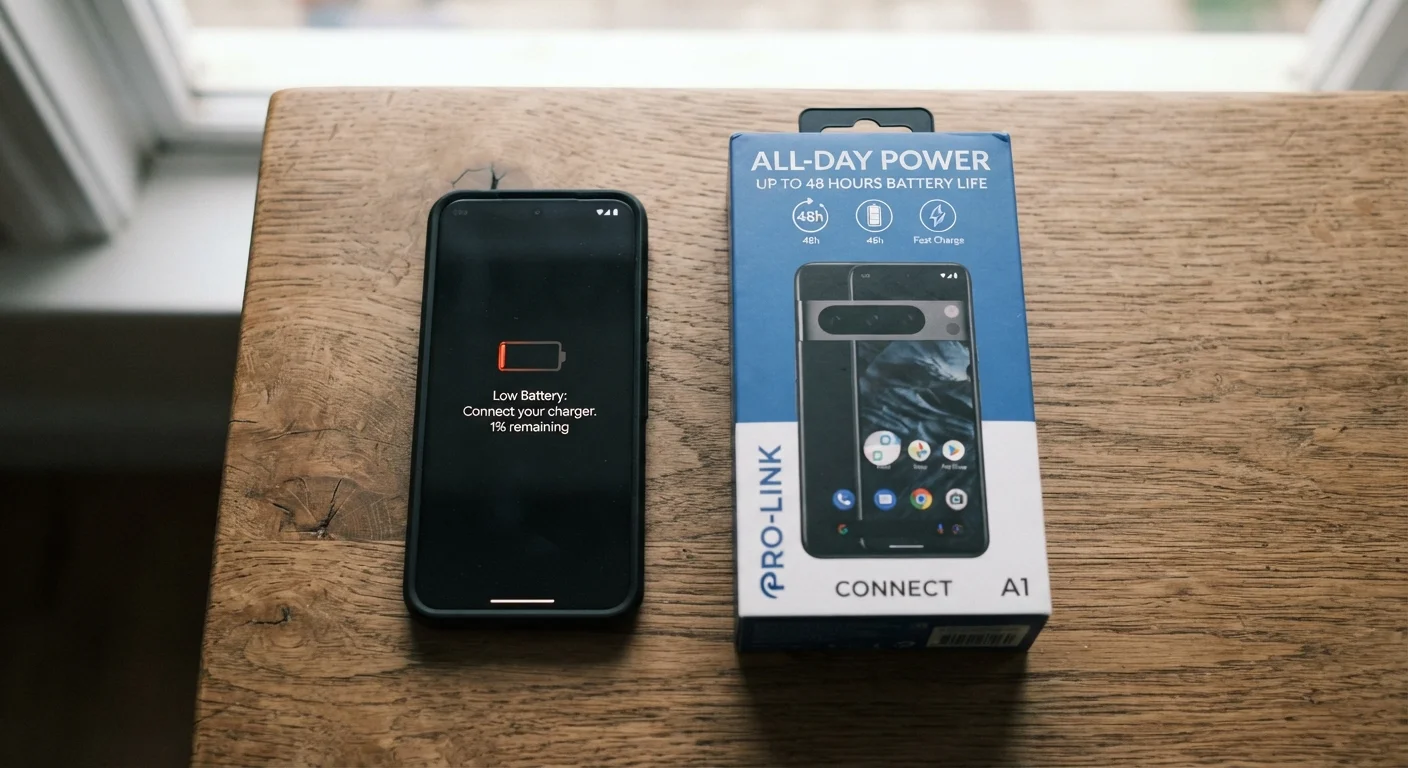
Battery efficiency is closely tied to the chipset's process node. Newer, more efficient chips draw less power for equivalent tasks, which translates directly to longer screen-on time. Specs like mAh (milliamp-hours) describe battery capacity but not efficiency - two phones with identical mAh ratings can have very different real-world endurance based on chipset generation alone. Our article on battery life claims vs. reality breaks down why those quoted figures rarely match everyday use.
For a broader look at what manufacturers routinely leave off the spec sheet entirely, see what product spec sheets leave out. And if you're approaching your first phone purchase and want to apply these concepts to a full buying decision, our beginner's smartphone guide walks through every major consideration.