Why Pet Obesity Is a Medical Concern, Not Just an Aesthetic One
Pet obesity has reached a level where veterinary organizations consistently describe it as the most common preventable disease in companion animals. According to the Association for Pet Obesity Prevention, more than half of dogs and cats in the United States are classified as overweight or obese by their veterinarians. Despite this, many owners do not recognize their pet as having a weight problem - partly because a heavier animal has become normalized, and partly because extra weight can be genuinely hard to assess by appearance alone.
Carrying excess body fat is not merely a cosmetic issue for animals. Obesity is mechanically and metabolically damaging. The joints bear greater load, accelerating the onset and severity of osteoarthritis. Insulin resistance and type 2 diabetes become more likely. The cardiovascular and respiratory systems work harder. In cats specifically, hepatic lipidosis - a dangerous liver condition - is closely tied to abnormal fat metabolism. Studies in dogs and cats have found measurable reductions in lifespan associated with being even moderately overweight.
Understanding these consequences matters because it changes how owners frame their pet's weight. This is a health issue that warrants the same attention as vaccinations or dental care. Routine wellness exams are one of the most reliable ways to catch weight creep before it becomes a clinical problem.
59%
U.S. dogs classified as overweight or obese
According to surveys conducted by the Association for Pet Obesity Prevention, roughly 59% of dogs in the U.S. fall into the overweight or obese category.
61%
U.S. cats classified as overweight or obese
The same Association for Pet Obesity Prevention data indicate that approximately 61% of domestic cats in the U.S. are overweight or obese.
2.5 years
Estimated lifespan reduction from obesity in dogs
Research published in veterinary literature has associated moderate-to-severe obesity in dogs with a reduction in lifespan of roughly 2 to 2.5 years compared to lean counterparts.
Common Causes of Weight Gain in Pets
Weight gain in pets almost always reflects an imbalance between caloric intake and energy expenditure - but identifying why that imbalance exists requires looking at several factors.
- Overfeeding: Free-choice feeding, oversized portions, and frequent treats are the most common culprits. Feeding instructions on pet food labels are often calibrated for active, unaltered animals and can overestimate what a typical indoor pet needs.
- Low physical activity: Indoor and sedentary lifestyles significantly reduce daily calorie burn. Dogs that skip regular walks and cats with no environmental enrichment are at particular risk.
- Neutering: Spaying and neutering can reduce resting metabolic rate in some animals, meaning the same diet that maintained a healthy weight before the procedure may lead to gradual gain afterward.
- Age: Senior pets tend to be less active and may have slower metabolisms, making weight management an ongoing part of geriatric care.
- Underlying medical conditions: Hypothyroidism in dogs and hyperadrenocorticism (Cushing's disease) can promote weight gain independent of diet. If weight gain is sudden or unexplained, a veterinary workup is warranted before assuming diet is the sole cause.
Check Treat Calories Against Daily Intake
Treats should make up no more than 10% of a pet's daily caloric intake - a threshold that is easy to exceed with standard-sized commercial treats. Look for the calorie count on treat packaging (now required by AAFCO guidelines) and factor it into the daily total. Low-calorie options like plain cooked green beans or carrot pieces can satisfy the urge to reward without significant caloric impact, but confirm any new food is safe for your specific pet with your vet.
How Body Condition Scoring Actually Works
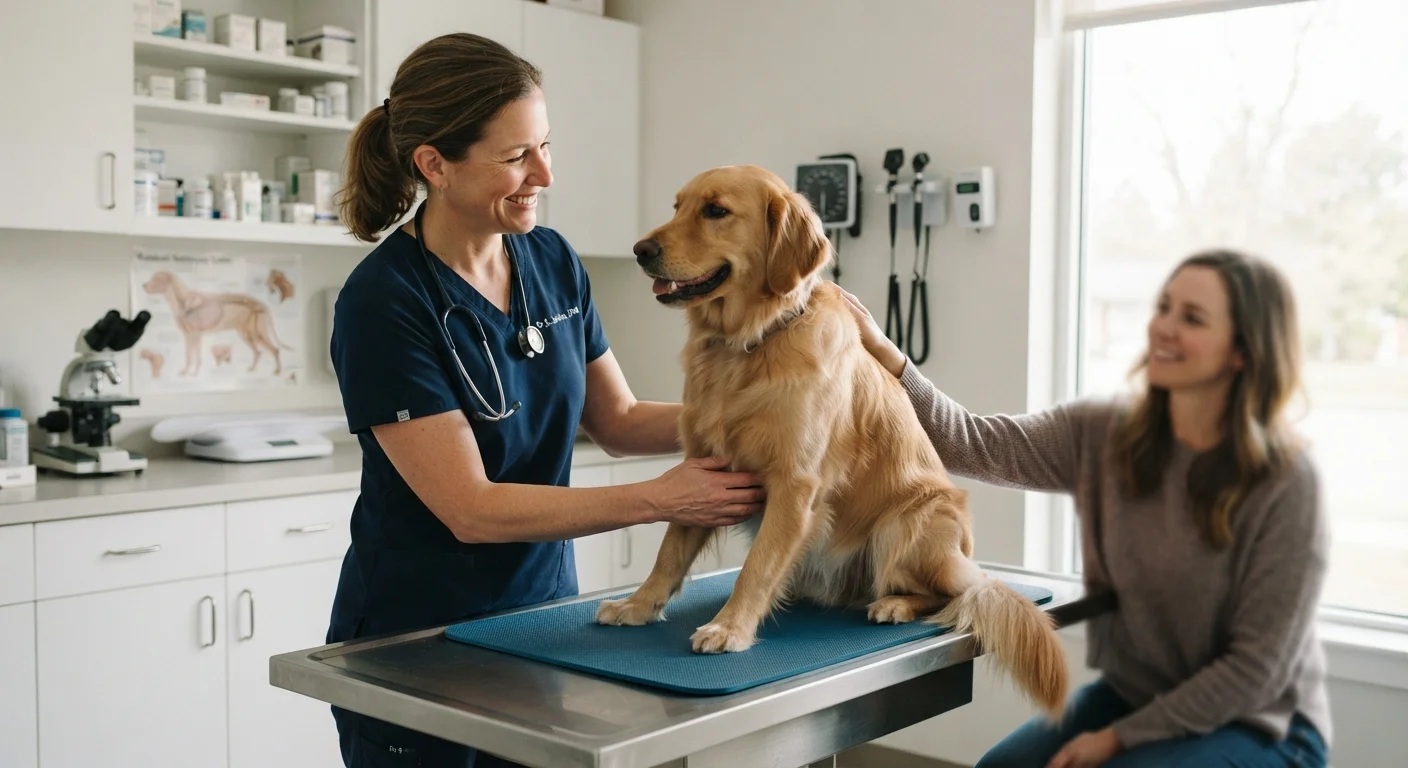
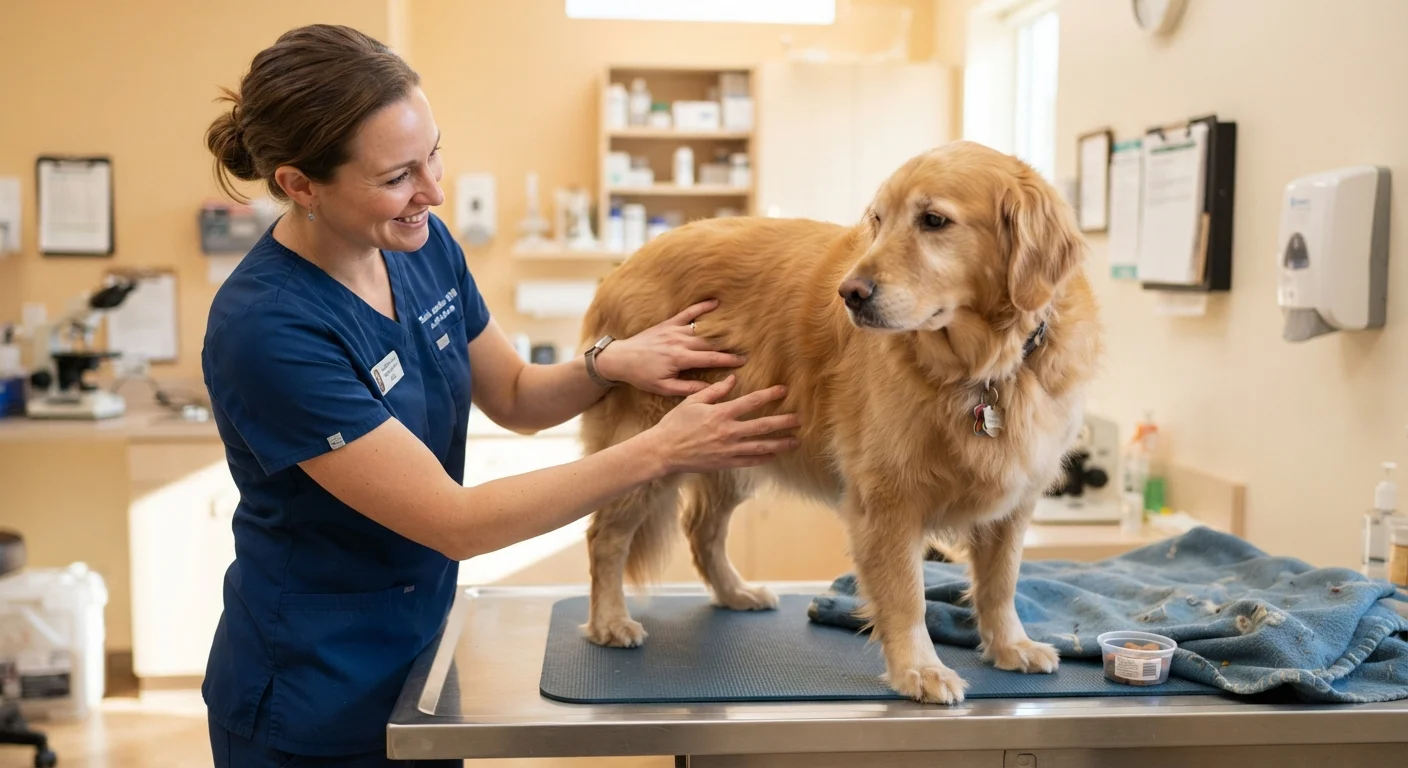
A scale weight tells you how much your pet weighs - it does not tell you how much of that weight is fat versus muscle versus lean body mass. Body condition scoring (BCS) fills that gap by evaluating observable and palpable physical landmarks.
On the widely used 9-point scale, a veterinarian or trained technician evaluates fat coverage over specific areas: the ribs, spine, waist, and hips. Each area is both looked at and felt. The goal is to determine how much padding exists between the skin and underlying bone structure.
- Underweight (1-3): Ribs, spine, and hip bones are clearly visible and easily felt with little or no fat covering.
- Ideal (4-5): Ribs are easily felt but not prominently visible. A defined waist is visible behind the ribs when viewed from above, and there is a slight abdominal tuck from the side.
- Overweight (6-7): Ribs are felt only with moderate pressure. Waist and abdominal tuck are reduced or absent. Fat deposits may be visible over the lumbar area and tail base.
- Obese (8-9): Ribs are difficult to feel. There is no discernible waist. Significant fat deposits are present on the chest, spine, and limbs.
The practical value of BCS is that it gives owners and veterinarians a shared, reproducible language for tracking changes over time. A pet scoring 6 at one visit that climbs to 7 by the next is a clear, actionable signal - regardless of whether the number on the scale changed. Keeping track of how a diet is performing between vet visits is a practical extension of this monitoring approach.
“Body condition scoring gives us a reproducible, practical way to communicate about weight that goes beyond the number on the scale. A pet can weigh within a breed-typical range and still carry too much fat - or too little muscle. BCS captures what the scale misses.”
— Veterinary Nutrition Specialist, Board-certified veterinary nutritionist, academic veterinary medicine
What Owners Can Realistically Do
Weight management in pets is straightforward in principle and genuinely difficult in practice. The most important first step is getting an accurate BCS from a veterinarian - not estimating at home - and then building a realistic plan together.
From there, a few evidence-supported principles guide effective management:
- Measure food accurately. Eyeballing portions is one of the most common sources of inadvertent overfeeding. Using a digital kitchen scale or at minimum a standardized measuring cup prevents unintentional calorie creep.
- Account for all calories. Treats, table scraps, and dental chews all contribute to daily intake. Many owners underestimate treat calories by 30% or more.
- Structure meal times. Timed, portioned meals make it easier to monitor intake than free-choice feeding.
- Increase movement appropriately. Exercise must match the pet's current fitness level. An obese dog with joint pain cannot safely begin vigorous exercise. Your vet can advise on a safe starting point.
- Schedule rechecks. Weight management in pets benefits from regular monitoring. A follow-up every four to eight weeks allows the plan to be adjusted based on actual progress.
For pets showing signs of discomfort or pain - which obesity can mask or worsen - veterinary assessment should happen before any exercise program begins. For broader nutritional guidance, the Pet Food Nutrition hub covers feeding fundamentals in practical terms.
This article is for general informational purposes only and does not constitute veterinary or medical advice. Always consult a licensed veterinarian for guidance specific to your pet's health and weight management needs.