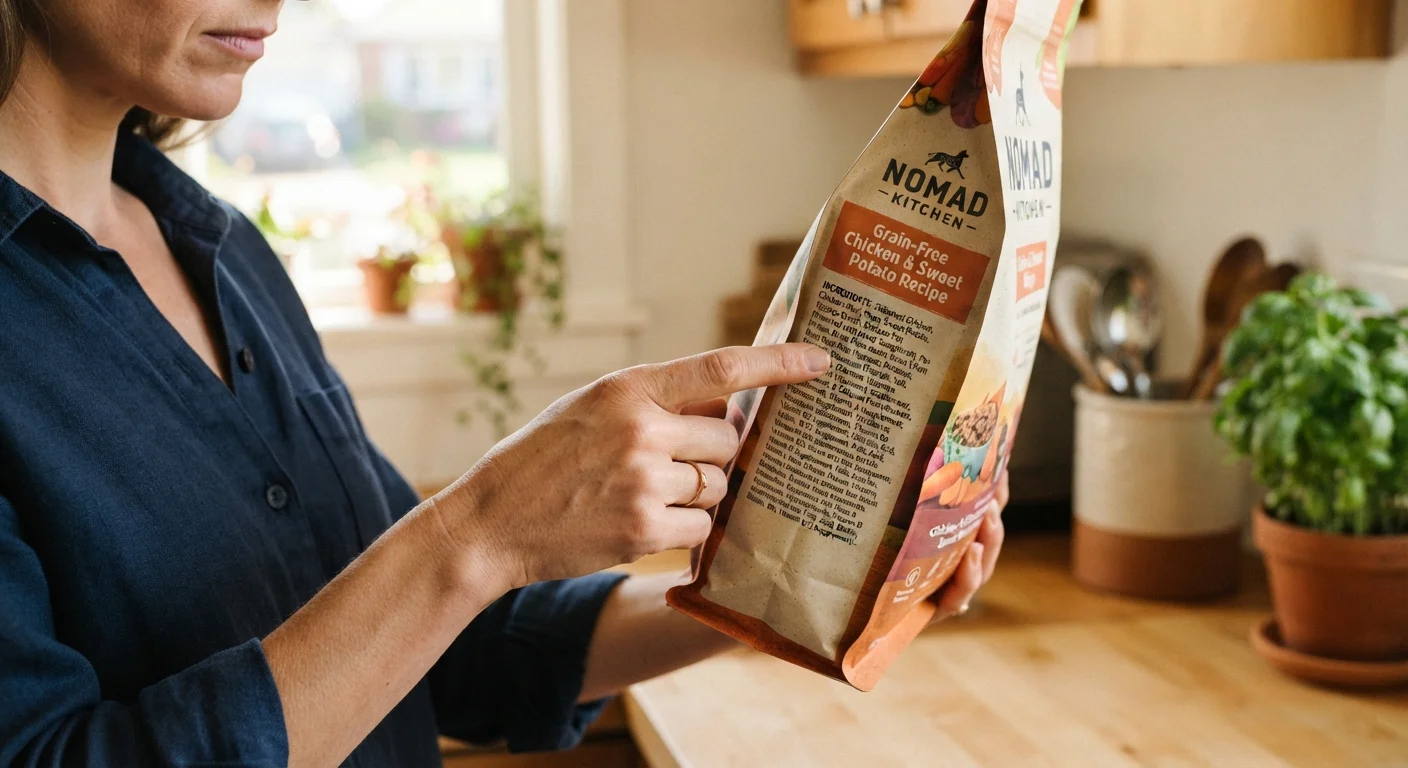
Coat condition, energy, weight, and digestion are all windows into nutritional health. Know what to look for between vet visits.
Key Takeaways
Coat quality, energy level, weight stability, and stool consistency are the four most reliable diet indicators.
Changes in any of these signs can appear within weeks of a diet shift - in either direction.
Not every diet problem requires an expensive fix; some issues trace back to portion size or feeding frequency.
Persistent or worsening signs always warrant a veterinary evaluation, not a trial-and-error food switch.
Why At-Home Diet Monitoring Matters
A vet visit gives you a snapshot. What happens between appointments is where nutritional success or failure actually plays out. For budget-conscious owners, catching diet problems early can prevent costly medical interventions later - and catching what's working means you don't overspend chasing unnecessary upgrades.
The checklist below is organized around the body systems most sensitive to nutrition. Work through it once a month, or any time you introduce a new food. If you're still building your label-reading skills, our guide to decoding pet food labels can help you understand what you're actually feeding your pet before evaluating how it's landing.
Coat and Skin
Check that the coat is shiny or has a healthy sheen appropriate to the breed - dullness or brittleness can reflect inadequate fat or protein intake.Must
Run your fingers through the coat and note whether the skin underneath appears flaky, red, or greasy, which can point to fatty acid imbalances.Must
Monitor shedding volume relative to the season - excessive out-of-season shedding is sometimes diet-related, though it can also have other causes.Should
Check for persistent hot spots, itching, or skin irritation that began or worsened after a food change.Should
Weight and Body Condition
Weigh your pet monthly and record it - gradual unintended weight gain or loss is one of the clearest diet signals.Must
Perform a rib check: you should be able to feel your pet's ribs with light pressure but not see them prominently - adjust portions if the result is off in either direction.Must
Look at your pet from above to check for a visible waist tuck; from the side, check for a slight abdominal tuck behind the rib cage.Should
Compare current weight against veterinary records to identify trends over multiple months rather than reacting to single-point readings.Should
Energy and Behavior
Observe whether your pet's activity level and playfulness are consistent with their age and breed expectations.Must
Note any new lethargy or sluggishness that cannot be explained by weather, aging, or recent illness - caloric deficit or excess can both suppress energy.Must
Check that your pet is alert and engaged during normal waking hours; chronic dullness or restlessness after meals can suggest digestive discomfort.Should
Digestion and Stool Quality
Evaluate stool consistency at least a few times per week - well-formed, firm but not hard stools are a reliable sign that the current diet is being digested efficiently.Must
Watch for chronic loose stools, mucus, or undigested food particles in stool, which can indicate poor ingredient digestibility or food sensitivity.Must
Notice stool volume relative to food intake - unusually large stool volume from a modest portion can suggest low ingredient digestibility.Should
Track frequency of vomiting or regurgitation; occasional isolated incidents differ significantly from a pattern that coincides with meals.Should
Check for excessive gas, bloating, or audible gut sounds after meals, which may signal a mismatch between your pet and a particular protein or fiber source.Nice to have
Appetite and Eating Behavior
Confirm that your pet is eating their full portion within a reasonable window - food refusal lasting more than one to two meals warrants attention.Must
Monitor for gulping, food guarding, or frantic eating that suggests caloric hunger, which may mean portions are inadequate for your pet's actual energy needs.Should
How to Use What You Find
A single red flag rarely signals a crisis. A cluster of concerns - especially ones that emerged after a food change - is meaningful. Before switching foods, rule out simpler explanations: portion creep, stale food stored improperly, a new treat that's throwing off caloric balance, or seasonal shedding being mistaken for coat decline.
Don't Self-Diagnose Through Food Switching
Cycling through multiple foods in quick succession to find the "right one" can cause its own digestive disruption and makes it harder to identify the true cause of a problem. Any food transition should take at least seven to ten days and ideally happen under veterinary guidance when there is an underlying health concern. Unexplained weight loss, blood in the stool, or prolonged vomiting always require a vet visit - not a new bag of food.
If signs are ambiguous, document them. A short photo log or written note with dates gives your veterinarian far more to work with than a vague "she seems off lately." For pets that may be showing discomfort alongside dietary changes, the signs your pet is in pain article covers behavioral and physical cues worth knowing. Incorporating these checks into a consistent routine is easier than it sounds - see building a pet health routine that actually sticks for a practical framework.
This article provides general educational information about pet nutrition and is not a substitute for professional veterinary advice. Always consult a licensed veterinarian for concerns about your individual pet's health or diet.
Pets Animal Care Editorial Team is the collective byline for our editorial team and contributor network. Articles published under this byline or an editorial pen name are researched, written, and reviewed according to our editorial standards for clarity, consistency, and independence before publication.
The content on this site is for informational purposes only and is not a substitute for professional advice. Always consult a qualified professional for guidance specific to your situation.