
Why Pain Is So Hard to See in Pets
Animals do not communicate pain the way humans do, and they are biologically motivated to hide it. By the time a pet displays obvious distress - limping dramatically, crying constantly - the problem has often been progressing for some time. As owners, the most useful skill is learning your individual animal's normal behavior well enough to notice when something shifts.
Pain Masking Is an Evolutionary Trait
Dogs and cats evolved as both predators and prey, which means concealing weakness was a survival advantage. Domestic pets retain this instinct - a pet may be experiencing significant discomfort long before showing obvious signs. This is why behavioral changes that seem minor can carry real diagnostic weight, and why a veterinarian's hands-on assessment is irreplaceable.
This article covers common behavioral and physical signals that may indicate pain in dogs and cats. It is general educational information, not a diagnostic guide. Only a licensed veterinarian can assess and treat your pet's condition.
Six Signs That Deserve a Closer Look
Unusual Stillness or Reluctance to Move
A pet that suddenly avoids stairs, resists jumping onto furniture it normally claims, or simply lies in one spot far longer than usual is communicating something. This behavioral shift often accompanies musculoskeletal pain - arthritis, soft-tissue injury, or spinal discomfort. Dogs may hesitate to rise after sleeping; cats may stop leaping to favored perches.
The key distinction is change from baseline. An already low-energy pet resting is not alarming; a normally active animal going still deserves attention. Senior pets are especially prone to hiding mobility pain until it becomes severe.
A normally active animal going still is one of the clearest signs something is wrong.
Changes in Vocalization
Whimpering, growling when touched, uncharacteristic yowling, or unusual silence can all indicate pain - and they mean different things. Dogs in acute pain may vocalize loudly; cats in chronic pain often go quieter. A cat that stops meowing or a dog that yelps when its side is touched should be examined promptly.
Context matters: a dog that growls or snaps when you approach a particular area is signaling that area hurts. This is protective aggression driven by pain, not a personality problem, and it should never be punished.
A pet growling when touched in a specific area is telling you exactly where it hurts.
Altered Eating, Drinking, or Grooming Habits
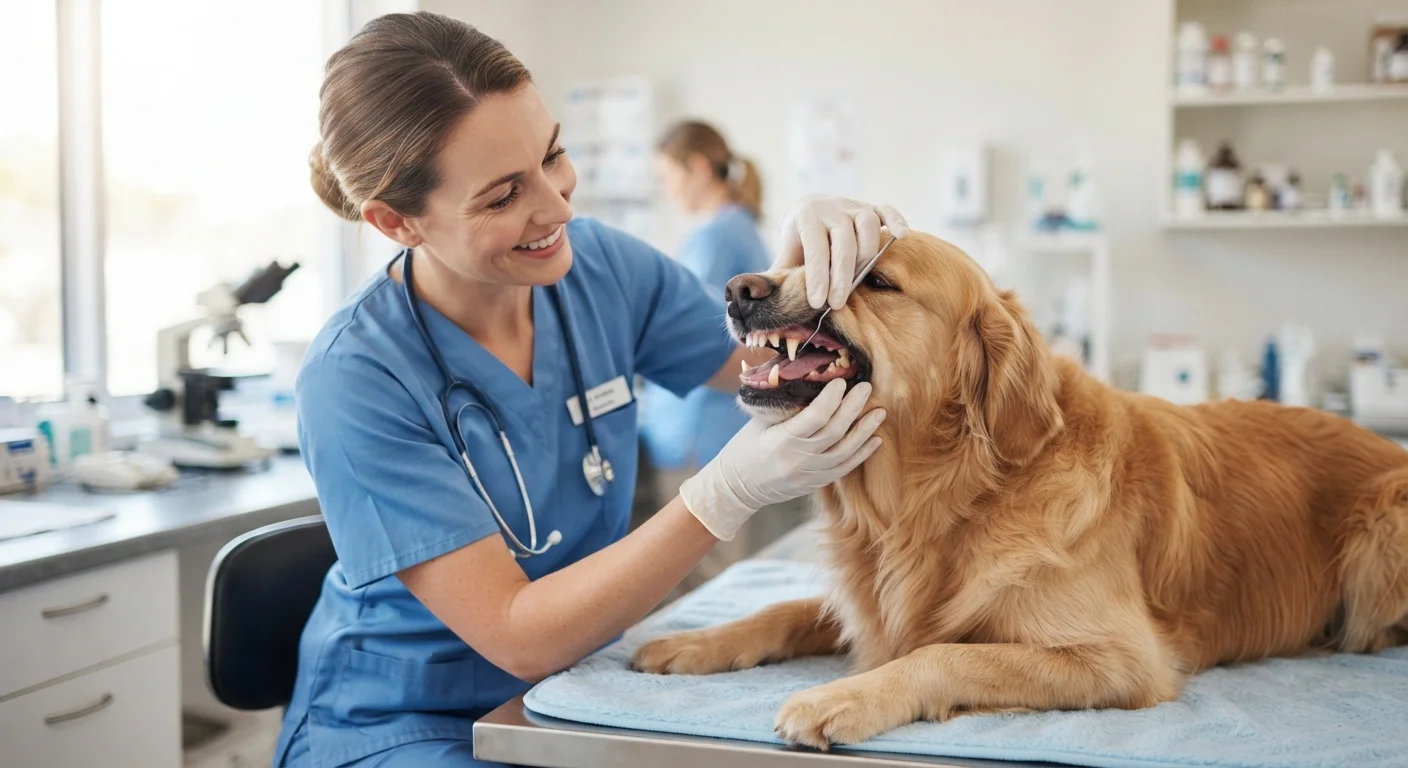
Pain frequently disrupts routine. A pet eating noticeably less, dropping food, chewing on one side only, or approaching the bowl and then walking away may be experiencing oral pain - dental disease is a common culprit. See why dental health is frequently overlooked for context on how significant this can become.
Over-grooming a specific patch of skin or fur, or conversely, a cat that stops self-grooming entirely, also warrants investigation. Coat condition and eating habits are closely linked to overall health - changes in either can reveal nutritional or systemic problems.
Dropping food or chewing only on one side often points directly to undiagnosed oral pain.
Postural and Facial Changes
Pain reshapes how animals hold their bodies. An arched back, tucked abdomen, hunched posture, or a dog that stands with its weight shifted forward may be guarding a painful area. Facial cues - squinted eyes, flattened ears, a tense muzzle, or a furrowed brow - are increasingly recognized by veterinary researchers as reliable pain indicators in both dogs and cats.
The Feline Grimace Scale, developed by veterinary pain researchers, specifically uses facial action units (orbital tightening, ear position, whisker changes) to assess cat pain. Owners familiar with their pet's normal expression are often the first to notice these shifts.
Squinted eyes and a tense muzzle are facial cues that veterinary science now uses to assess animal pain.
Withdrawal, Hiding, or Sudden Clinginess
Animals in pain often seek isolation - hiding under beds, in closets, or in unusual spots. This is an instinctive survival behavior. Conversely, some pets become unusually clingy or seek contact more than normal. Neither response should be dismissed as a quirk if it represents a departure from the animal's established personality.
Routine wellness visits give veterinarians a behavioral baseline for your pet, making deviations easier to detect and interpret over time.
Hiding is often misread as shyness - in a pet that wasn't previously withdrawn, it signals distress.
Changes in Elimination Habits
Straining to urinate, crying during elimination, accidents in a house-trained animal, or avoidance of the litter box can each point to pain - urinary tract infections, bladder stones, constipation, or anal gland issues, among other conditions. These signs are sometimes mistakenly attributed to behavioral problems or aging.
A house-trained dog that begins having indoor accidents, or a cat that stops using its litter box, deserves a veterinary evaluation before any behavioral intervention is attempted. Pain is frequently the underlying cause.
Indoor accidents in a trained pet are a medical concern first - rule out pain before assuming behavior.
Keep a Simple Pain Journal
When you notice a behavioral change, jot down the date, what you observed, and any recent events (new food, activity, environment). A one-week log of observations is far more useful to a veterinarian than a general sense that 'something seems off.' Short video clips of unusual posture or gait can be especially helpful at appointments.
When to Act - and What Not to Wait On
Not every behavioral change requires an emergency visit, but certain signs demand prompt attention: labored breathing, inability to stand or walk, signs of trauma, prolonged vomiting or diarrhea, or an abdomen that appears distended or hard. These warrant same-day veterinary contact.
For subtler changes - reduced activity, shifts in appetite, altered grooming - a scheduled appointment within a few days is appropriate, but do not put it off indefinitely. Pain that goes unaddressed tends to compound. Lifestyle factors also play a role in what risks your pet faces; indoor versus outdoor environments shape the types of injuries and ailments animals encounter.
Ultimately, you know your pet. Trust a persistent sense that something has changed - and let a veterinarian rule in or out a physical cause before assuming it is behavioral.
This article is for general informational purposes only and is not veterinary or medical advice. Always consult a licensed veterinarian regarding your pet's health, symptoms, or treatment options.