Why Coat Type Drives Every Tool Decision
Walk into any pet supply aisle and you'll find dozens of brushes, combs, and de-shedding tools, most of them marketed with language that implies universal use. The reality is more specific: the slicker brush that glides through a golden retriever's outer coat will catch painfully on a poodle's tight curls, and the rubber curry brush perfect for a beagle's smooth coat barely touches the dense undercoat of a husky. Choosing by coat type - not by packaging appeal or price - is the foundational principle of effective at-home grooming.
Understanding your dog's coat structure helps here. Coats generally fall into five categories: smooth, short, double, long/silky, curly/wavy, and wire. Some dogs have combinations. Each type has different grooming needs in terms of frequency, technique, and tool selection. Getting this right protects the coat and skin, minimizes shedding indoors, and makes grooming a tolerable experience for your dog rather than a stressful ordeal.
For a broader look at how grooming fits into overall health habits, see our guide on building a pet health routine that actually sticks.
The Right Tools, Matched to Coat
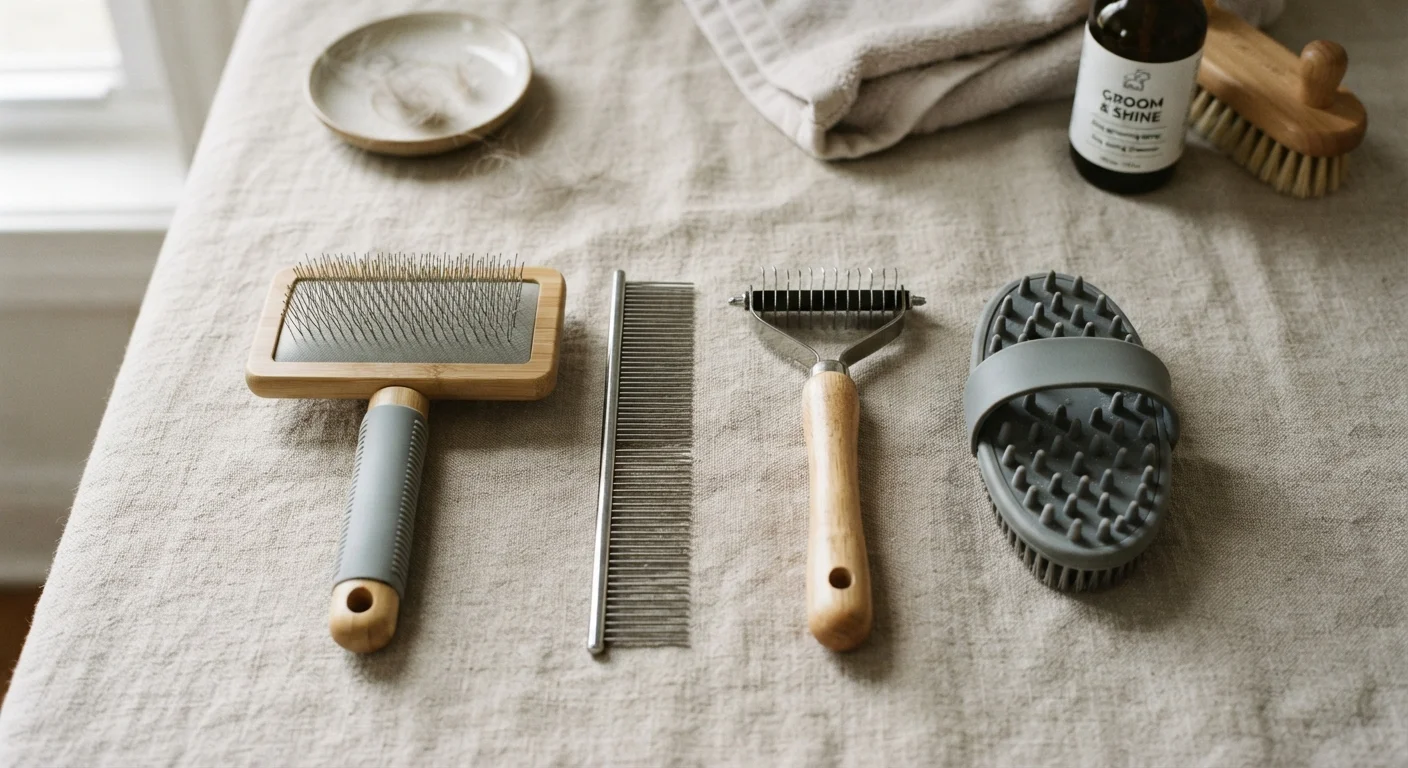
The practices above translate directly into purchasing decisions. Here's a quick reference by coat category:
- Smooth coats (Labrador, Boxer, Beagle): rubber curry brush or grooming mitt, fine-tooth flea comb
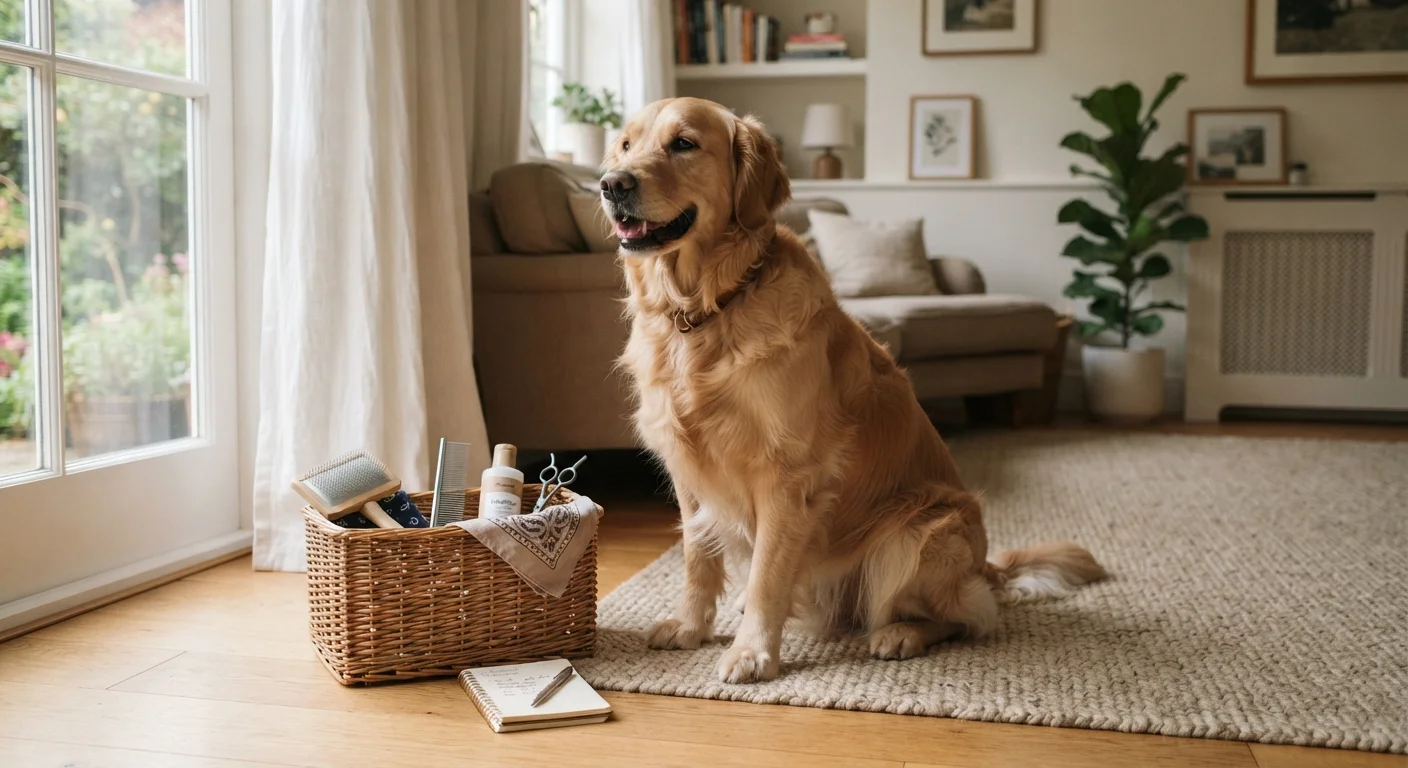
- Double coats (Golden Retriever, Husky, German Shepherd): slicker brush, undercoat rake, wide-tooth metal comb
- Long/silky coats (Maltese, Yorkshire Terrier, Cocker Spaniel): pin brush, wide-tooth comb, detangling spray
- Curly/wavy coats (Poodle mixes, Portuguese Water Dog): wide-tooth comb, slicker brush, professional scissors for trimming
- Wire coats (Jack Russell, Scottish Terrier, Airedale): stripping knife or stone, slicker brush for the outer layer
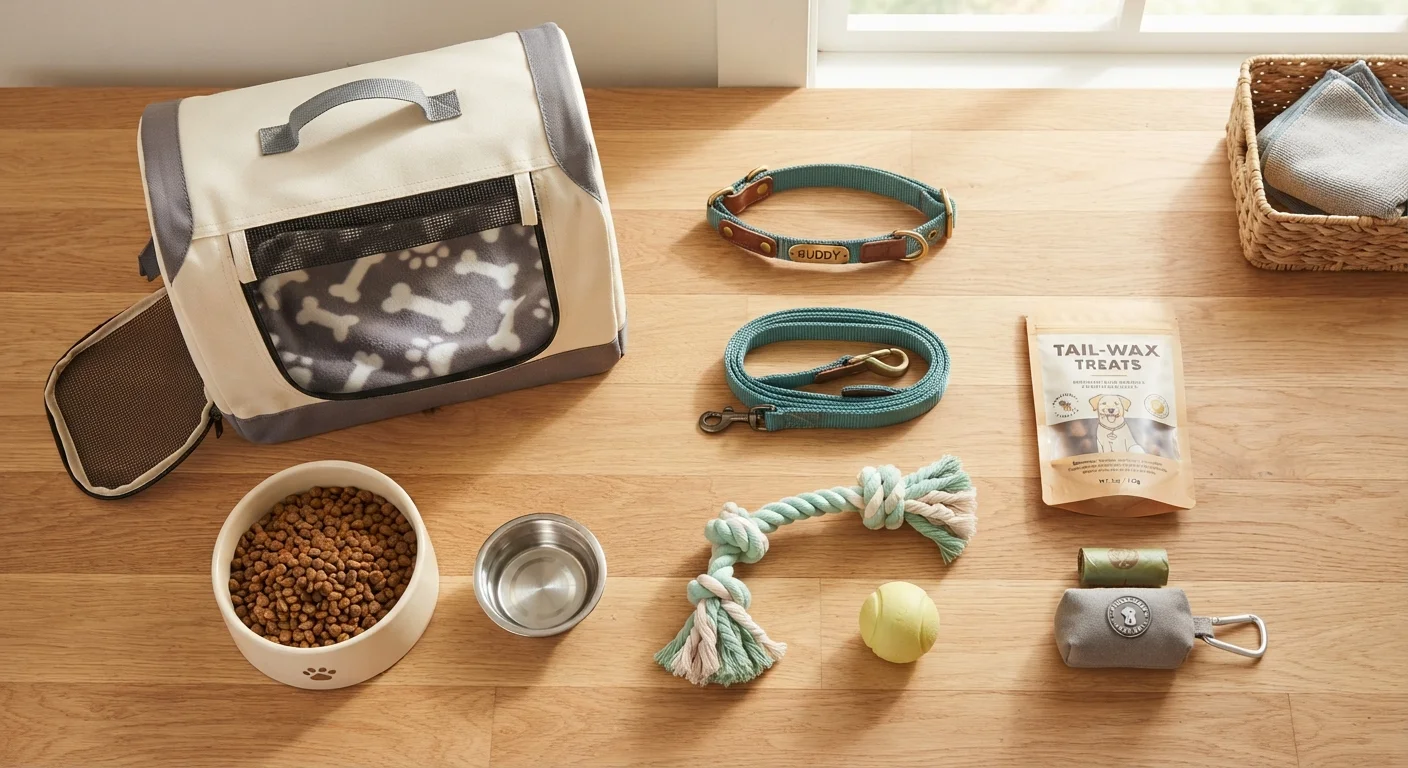
For first-time dog owners still assembling a supply kit, our article on the gear every first-time dog owner actually needs covers which grooming basics to prioritize before your dog comes home.
Grooming as a Window Into Your Dog's Health
Regular at-home grooming sessions aren't just about coat management - they're one of the most consistent ways owners detect early signs of skin problems, lumps, parasites, or inflammation. Running a comb through a double coat once or twice a week means you're also feeling for abnormalities that might otherwise go unnoticed until a vet appointment.
When Matting Is Already Severe, Stop Brushing
Attempting to brush out a severe mat with a slicker brush or comb causes significant pain and can damage the skin beneath. If your dog has dense, tight matting close to the skin - particularly in armpits, behind the ears, or around the collar - consult a professional groomer. In some cases, humane clipping of the matted area is the only appropriate option. Preventing mats through consistent maintenance is always easier than correcting them.
Coat condition is also a reliable indicator of nutritional health. A dull, brittle, or excessively shedding coat can signal deficiencies in protein, omega fatty acids, or other key nutrients. If your dog's coat has changed texture or luster, it's worth reviewing their diet before assuming a grooming problem. Our article on signs a pet's diet is working - and signs it isn't walks through what to look for between vet visits.
As your dog moves through life stages, grooming needs will also shift - senior dogs often develop thinner, more sensitive skin, and puppies require gentler tools and shorter sessions. The article on how pet supply needs shift as your dog ages covers how to adapt your approach over time.
This article provides general information for educational purposes only and is not a substitute for professional veterinary advice. Consult a licensed veterinarian or professional groomer for guidance specific to your dog's health and coat condition.