Why the First Visit Matters More Than You Think
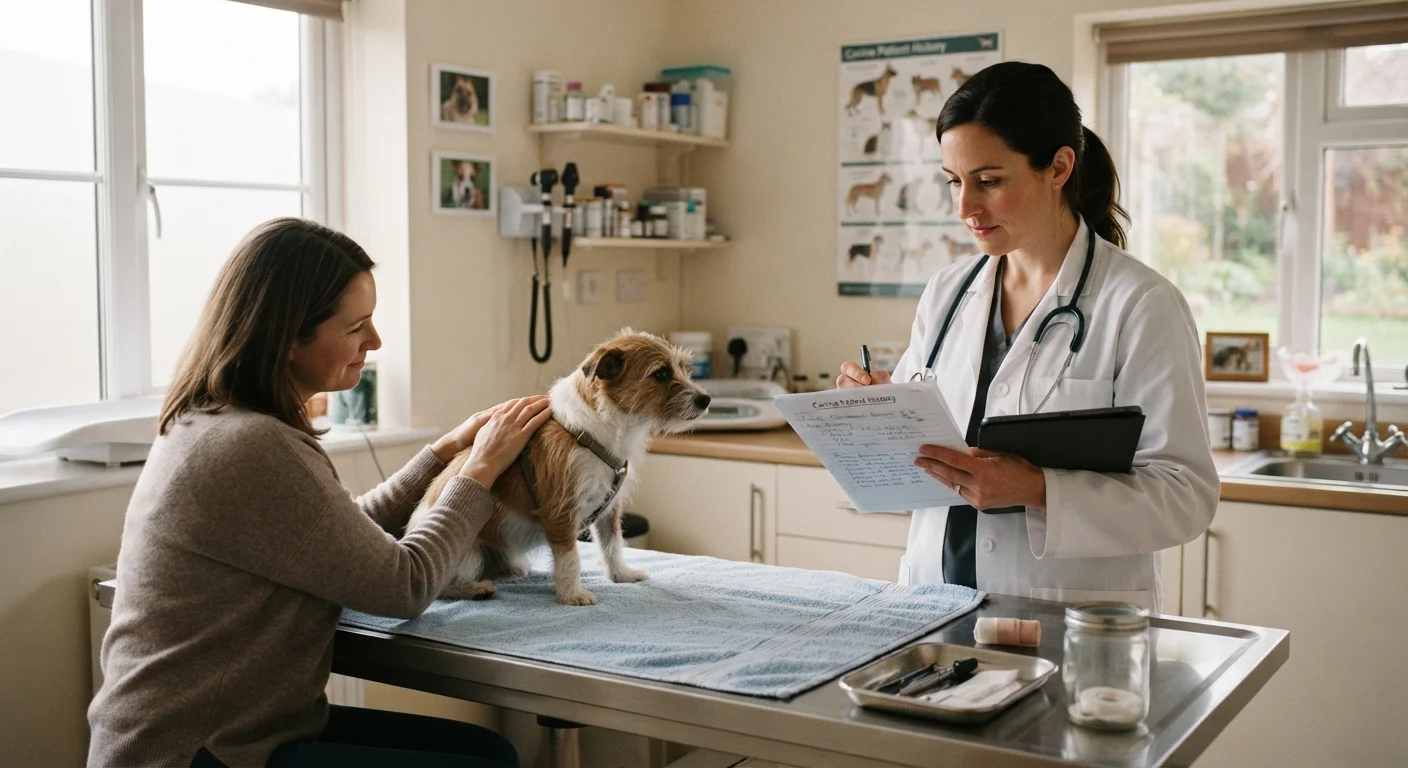
The first veterinary appointment is more than a wellness check - it establishes a medical baseline for your pet. Weight, heart rate, body condition, and temperament observations recorded now become the reference point your vet will use to detect changes over time. For puppies and kittens especially, this visit initiates a vaccination schedule that protects against serious infectious diseases during their most vulnerable developmental window.
For adult or rescue animals, the first visit often uncovers pre-existing conditions, parasite loads, or dental issues the previous owner may not have known about. Going in prepared - with documents, observations, and good questions - helps you make the most of a limited appointment window and gives your vet the context they need to provide genuinely useful guidance.
Your pet's specific lifestyle will also shape what the vet recommends. Whether your cat goes outdoors or your dog spends most of the day inside changes the health risks they face significantly. See how lifestyle affects your pet's health risks and vet needs for a fuller breakdown.
Secure pet carrier or leash
Safely transport your pet to and from the clinic without escape risk or injury.
Sealed stool sample container
Carries a fresh fecal sample for parasite testing at the clinic lab.
Written notes or phone memo
Keeps your behavioral observations and questions organized so nothing is forgotten during the appointment.
Prior medical records folder
Consolidates vaccination history, prior diagnoses, and medication lists in one place for easy reference.
Smartphone with video
Records intermittent symptoms like coughing, limping, or abnormal behavior that may not appear during the exam.
First Vet Visit Checklist
Use the checklist below to prepare before your appointment. Items marked must are non-negotiable for an effective visit. Should items are strongly recommended, and nice-to-have items add useful context without being essential.
Documents to Bring
Observations to Note Before You Go
Questions to Ask Your Vet
Logistics and Comfort Preparation
Do Not Skip the Stool Sample
Intestinal parasites such as giardia, roundworms, and hookworms are common in new pets - including those from reputable breeders - and many show no visible symptoms. A fecal test is one of the most cost-effective preventive steps at a first visit. Without it, an active infection can go undetected and, in some cases, pose a risk to human household members as well.
After the visit, use what you learned to build consistent care habits. Our guide to building a pet health routine that actually sticks offers a practical framework for grooming, dental care, and scheduling follow-ups. And if you have a young pet today, keep in mind that care needs shift significantly as animals age - senior pet care requires a different approach that is worth understanding early.
This article provides general pet health information and education only. It is not a substitute for professional veterinary advice. Always consult a licensed veterinarian for guidance specific to your pet's health and circumstances.