What Changes After 100,000 Miles
Crossing the 100,000-mile mark doesn't automatically mean your car is near death - but it does mean the rules change. Components that were largely maintenance-free in the first half of a vehicle's life now need active attention. Rubber hardens and cracks. Seals shrink and weep. Metal surfaces accumulate microscopic wear that adds friction across the entire drivetrain.
The key mindset shift: you're no longer just following a schedule, you're managing a system of aging parts. That means inspecting, not just swapping, at every service interval. It also means keeping a closer eye on warning signs that younger cars would shrug off - a small coolant drip, a slightly rough idle, or a transmission that shifts a half-second slower than it used to.
Understanding which driving habits accelerate wear becomes especially important at this stage, because high-mileage cars have less tolerance for abuse.
200,000+
Miles many modern vehicles can reach with proper care
Consumer Reports and industry data consistently show that maintenance habits, not mileage alone, determine vehicle lifespan.
$1,200
Estimated average annual maintenance cost for a high-mileage vehicle
AAA's vehicle ownership cost research suggests older vehicles often cost less annually than new car payments, even with higher repair frequency.
~40%
Of roadside breakdowns linked to cooling system failures
Industry estimates from roadside assistance providers consistently identify cooling system issues as a leading cause of unexpected breakdowns.
Fluids and Filters: The Foundation of Longevity
Nothing extends engine life more cost-effectively than clean, correctly specified fluids. At high mileage, this matters even more because worn internal clearances allow oil to oxidize faster and contaminants to circulate more freely.
Engine Oil
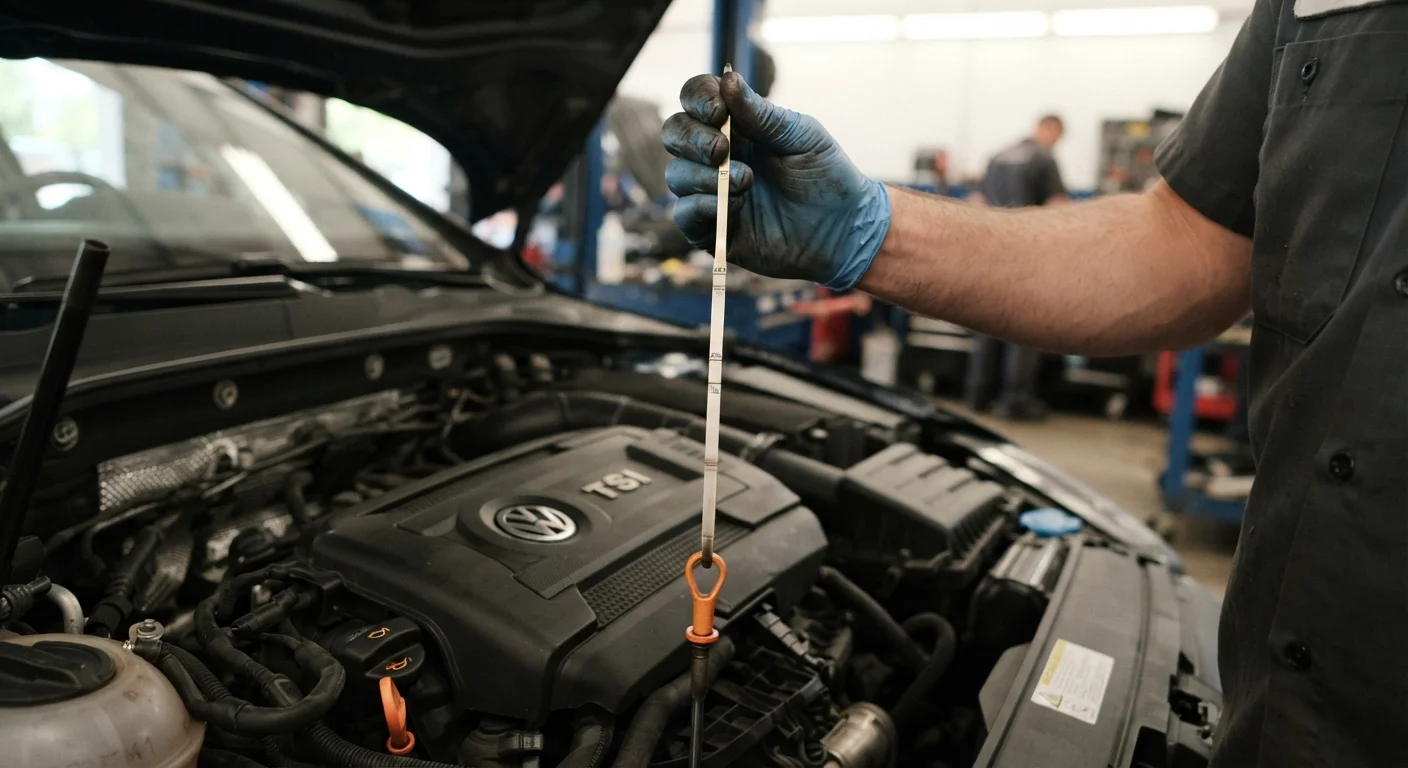
Consider switching to an oil labeled for high-mileage engines (typically vehicles over 75,000 miles). These formulas contain seal conditioners and additives that help reduce minor seepage from aging gaskets. Check your oil level between changes - a high-mileage engine burning or leaking a small amount of oil between intervals is common and manageable if caught early. For full context on how often to actually change it, see the real story on oil change intervals.
Coolant and Transmission Fluid
Coolant degrades chemically over time regardless of mileage. Old coolant becomes acidic and attacks aluminum components. Flush it on the manufacturer's schedule - or sooner if you're unsure of the vehicle's history. Transmission fluid is equally critical: dark, burnt-smelling fluid is a reliable sign it's overdue. On older automatic transmissions, a proper fluid and filter service at high mileage can noticeably improve shift quality.
Pull a small oil sample from the dipstick onto a white paper towel. Very dark, gritty oil means change it now - milky or grey oil means water contamination, which requires a mechanic visit immediately.
The paper towel test is a quick field assessment mechanics use to spot contamination or overdue oil before committing to a full inspection.
When in doubt about a vehicle's fluid service history, treat it as unknown and service everything. The cost of a full fluid reset is far lower than repairing a transmission or engine damaged by neglected fluid.
Used-vehicle buyers and inherited cars frequently have undocumented service histories; assuming the worst protects against preventable failures.
Rubber and Seals: The Silent Failure Points
Rubber components are the most underappreciated wear items on any aging vehicle. Belts, hoses, gaskets, CV boots, and suspension bushings are all made from materials that degrade with heat cycles and age - independent of how many miles you drive.
Timing Belt
If your engine uses a timing belt (not a chain), this is arguably the highest-stakes maintenance item on any car over 100,000 miles. Manufacturers typically specify replacement between 60,000 and 105,000 miles. A snapped timing belt can destroy an engine in milliseconds. Always replace the water pump and tensioners at the same time - the labor cost overlap makes it irrational not to. Check your vehicle's full service milestones to confirm what applies to your engine.
Hoses and CV Boots
Squeeze radiator hoses periodically. They should feel firm and pliable, not mushy, cracked, or brittle. A split hose can drain your cooling system within minutes. CV boots - the rubber accordions on your front axle shafts - keep grease in and road grime out. A torn boot found early is a cheap fix; one ignored for months usually means a full CV joint replacement.
Never Ignore a Timing Belt Overdue for Replacement
On interference engines - which describes most modern four-cylinder and V6 designs - a snapped timing belt causes immediate and typically irreparable valve and piston damage. There is no warning light and no second chance. If your vehicle uses a timing belt and you're unsure when it was last replaced, have it inspected by a qualified mechanic before driving it extensively.
What to Watch Closely and When to Act
High-mileage cars communicate more than newer ones do - you just have to listen. Here are the signals that warrant prompt attention rather than a wait-and-see approach:
- Coolant loss without visible leaks: If the reservoir drops between checks but you don't see puddles, suspect a head gasket issue or internal leak. Have it pressure-tested promptly.
- Oil consumption over 1 quart per 1,000 miles: Some consumption is normal in older engines, but beyond this threshold, investigate whether it's burning oil (blue exhaust smoke) or leaking.
- Rough idle or misfires: Often ignition-related - plugs, coils, or wires. These are relatively inexpensive fixes that, if ignored, cause catalytic converter damage worth hundreds more.
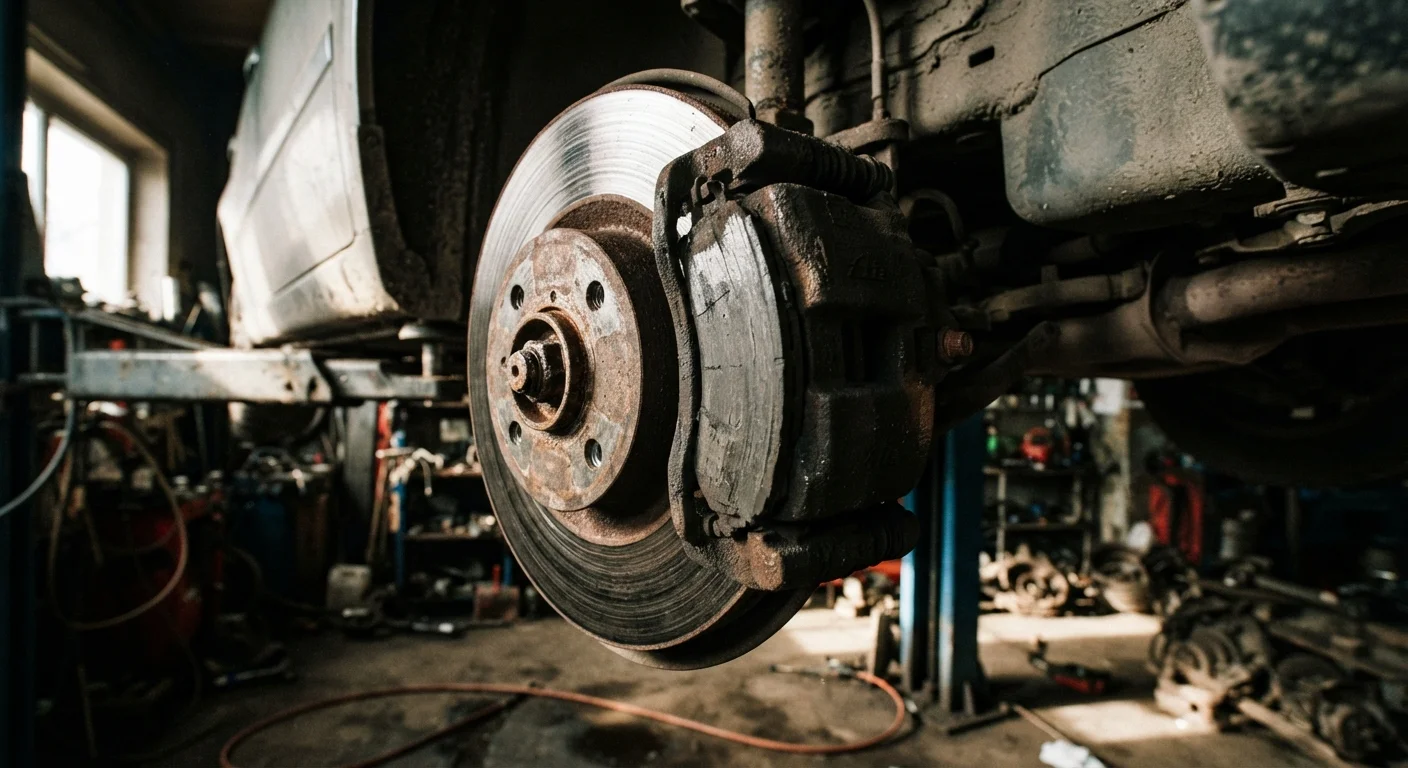
- Brake feel changes: A soft or pulsating pedal on a high-mileage car should be inspected immediately. Brake hardware doesn't improve with age. For broader road safety practices, the safe driving tips hub covers vehicle readiness alongside driving behavior.
Reading the maintenance sections of your owner's manual helps you distinguish manufacturer-specified intervals from general rules of thumb.
“The vehicles that make it to 200,000 miles aren't necessarily built differently - they're maintained differently. Consistent attention to fluids and belts accounts for the vast majority of long-lived cars.”
— Automotive engineering researcher, Vehicle reliability and longevity research contributor
Smart Spending: Repairs Worth Doing vs. Money Pits
Not every repair on a high-mileage vehicle is worth authorizing. The general benchmark: if a single repair costs more than the vehicle's current market value, or if multiple major systems are failing simultaneously, the economics shift against continued investment.
Repairs generally worth doing on an otherwise sound vehicle include: timing belt service, cooling system overhaul, brake hardware replacement, suspension bushings, and routine fluid services. These protect the engine and chassis - the core of the car's remaining value.
Repairs that signal a tipping point include: engine or transmission replacement on a high-mileage body with rust or structural issues, or any repair where the labor estimate alone exceeds 50-60% of the vehicle's private-sale value.
Keep a Simple Maintenance Log
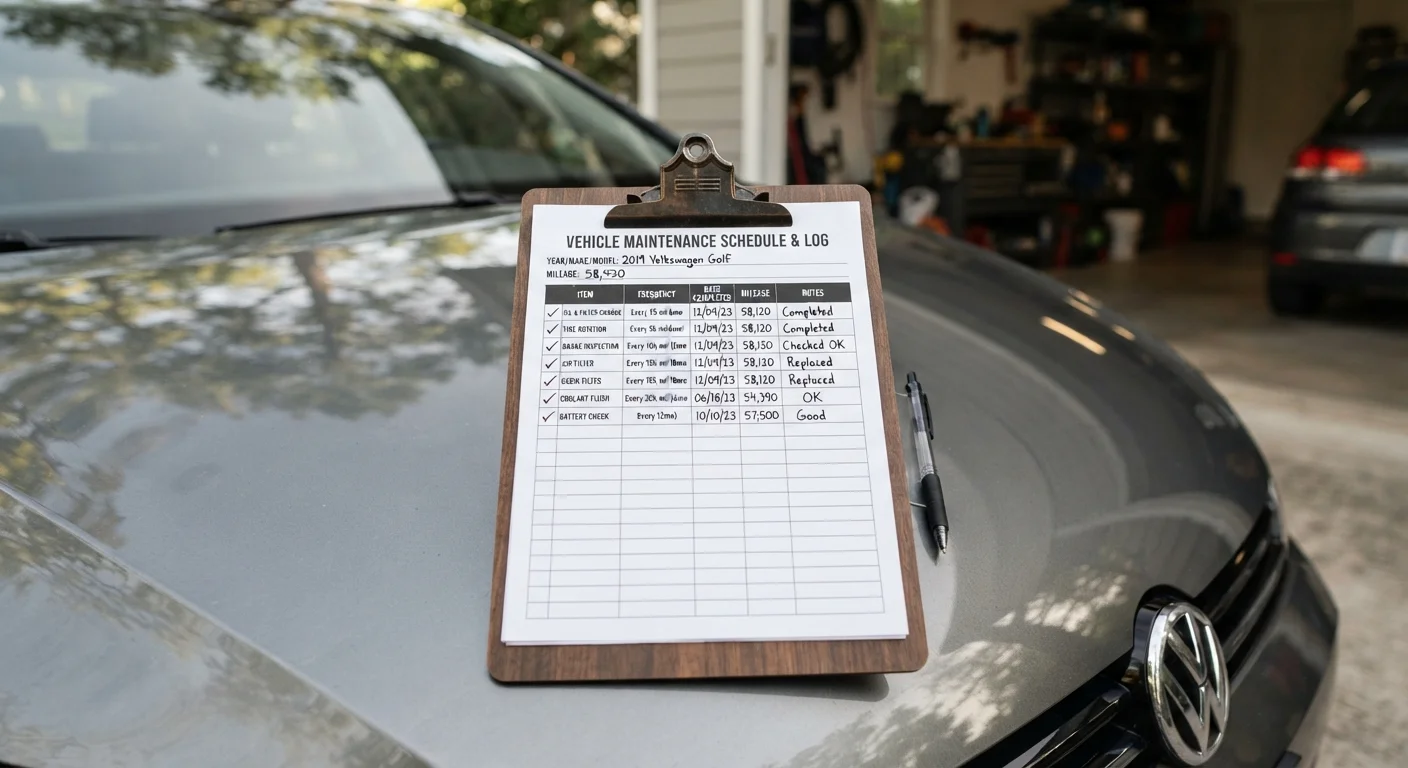
A basic notebook or phone note tracking every service date, mileage, and cost gives you a clear picture of what's been done - and helps a mechanic make faster, more accurate diagnoses. It also adds credibility if you eventually sell the vehicle.
Tracking your total annual maintenance spend is essential for this calculation. The long-term ownership cost strategies guide offers a practical framework for keeping those numbers in check across years of ownership.
This article provides general vehicle maintenance information for educational purposes only. Maintenance needs vary by make, model, and condition. Consult a qualified mechanic for advice specific to your vehicle.