Where the 3,000-Mile Rule Came From
The 3,000-mile oil change interval has its roots in the 1970s, when conventional motor oil degraded faster and engine tolerances were far looser than they are today. Quick-lube chains that emerged in the 1980s reinforced the rule aggressively - it was good for business, generating repeat visits roughly every six to eight weeks for average drivers.
The problem is that engine technology and oil chemistry have changed dramatically since then. Tighter manufacturing tolerances, improved engine designs, and the widespread availability of full synthetic motor oil mean that most drivers are changing their oil far more often than their vehicle actually requires. That's money going directly down the drain.
Myth
You should change your engine oil every 3,000 miles, no matter what.
Fact
Most modern vehicles require oil changes every 5,000 to 10,000 miles or more, depending on the oil type and manufacturer specifications.
This interval was standard advice when conventional oil and older engine designs were the norm. Today, synthetic oil formulations and tighter engine manufacturing tolerances allow oil to remain effective far longer. Always check your owner's manual for the manufacturer-specified interval - it's based on actual engineering, not marketing habit.
Myth
Synthetic oil is just a marketing upgrade - it doesn't really last longer.
Fact
Full synthetic motor oil is chemically engineered to resist breakdown, oxidation, and viscosity loss significantly better than conventional oil.
Synthetic oil's uniform molecular structure means it performs more consistently across temperature extremes and degrades more slowly under engine stress. Many automakers that fill vehicles with synthetic oil from the factory set change intervals of 7,500 to 10,000 miles precisely because of this durability. Conventional oil typically breaks down faster and warrants shorter intervals when used.
Myth
The sticker the quick-lube shop puts on your windshield is the right guide for your next change.
Fact
Those stickers are typically set to 3,000 miles regardless of your vehicle or oil type - they are not personalized to your car's needs.
Quick-lube shops apply the same conservative sticker to virtually every vehicle, which benefits repeat business. Your owner's manual and, where equipped, your vehicle's oil life monitoring system are the accurate references. A sticker that says "3,000 miles" on a vehicle specified for 7,500-mile synthetic oil intervals simply reflects a business model, not your engine's actual requirements.
Myth
Dark-colored oil means it needs to be changed immediately.
Fact
Oil darkens as it picks up combustion byproducts - this is normal function, not necessarily a sign the oil is spent.
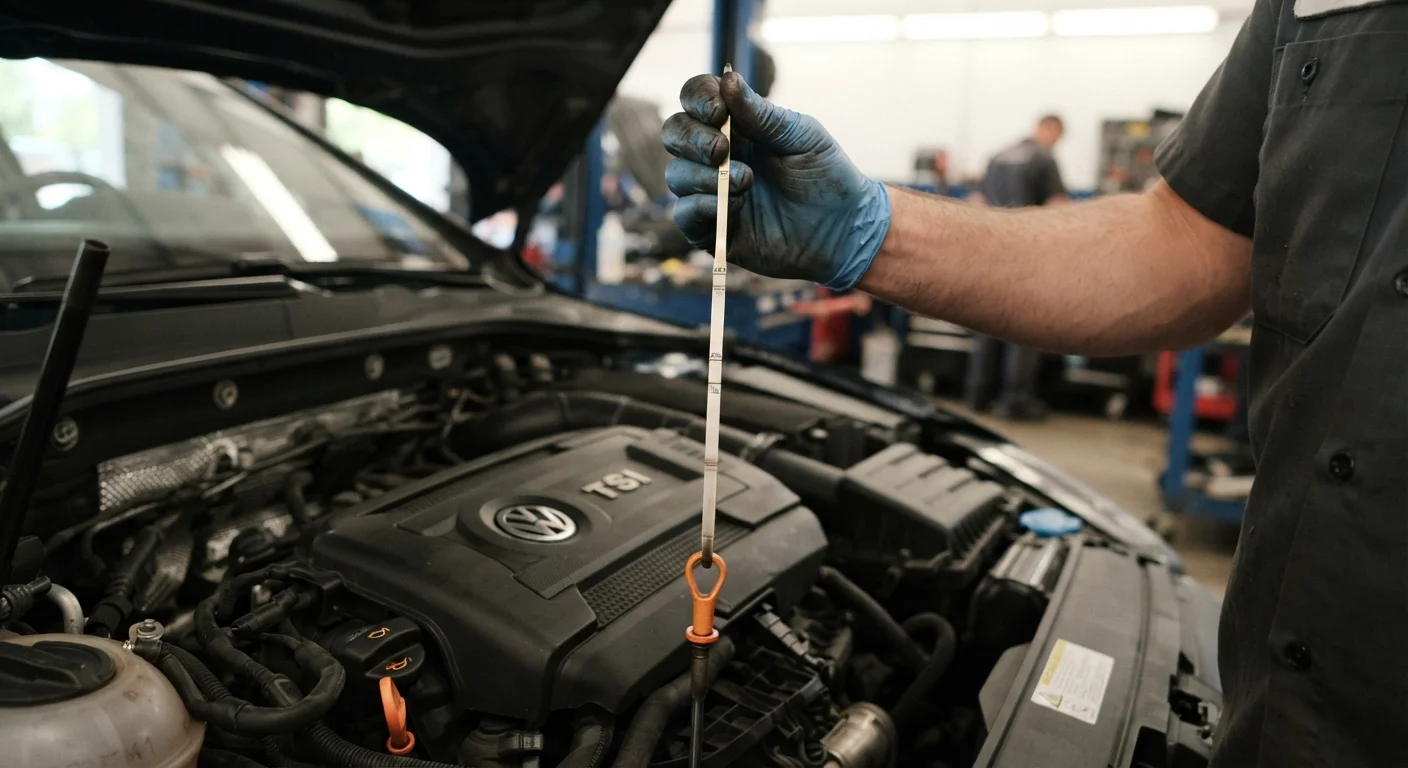
Clean oil turns dark quickly in a healthy engine because it's doing its job: suspending and carrying away contaminants. Color alone is a poor indicator of oil condition. A better approach is to check the oil level and consistency on the dipstick regularly, monitor your oil life system if equipped, and change at manufacturer-specified intervals rather than reacting to color.
What the Data and Your Owner's Manual Actually Say
The California Department of Resources Recycling and Recovery has estimated that over 150 million gallons of used motor oil are improperly disposed of in the U.S. each year - and unnecessary early oil changes contribute to that volume. Beyond the environmental angle, the financial cost adds up fast.
5,000-10,000 mi
Typical modern oil change interval
Many automakers specify this range in their owner's manuals for vehicles running full synthetic motor oil under normal driving conditions.
$100-$200+
Estimated annual waste from over-changing
Drivers following a 3,000-mile interval on vehicles specified for 7,500 miles may pay for more than twice the oil changes actually needed each year.
~150M gallons
Used motor oil improperly disposed of yearly in the U.S.
Estimated by the California Department of Resources Recycling and Recovery; unnecessary early oil changes contribute to this environmental figure.
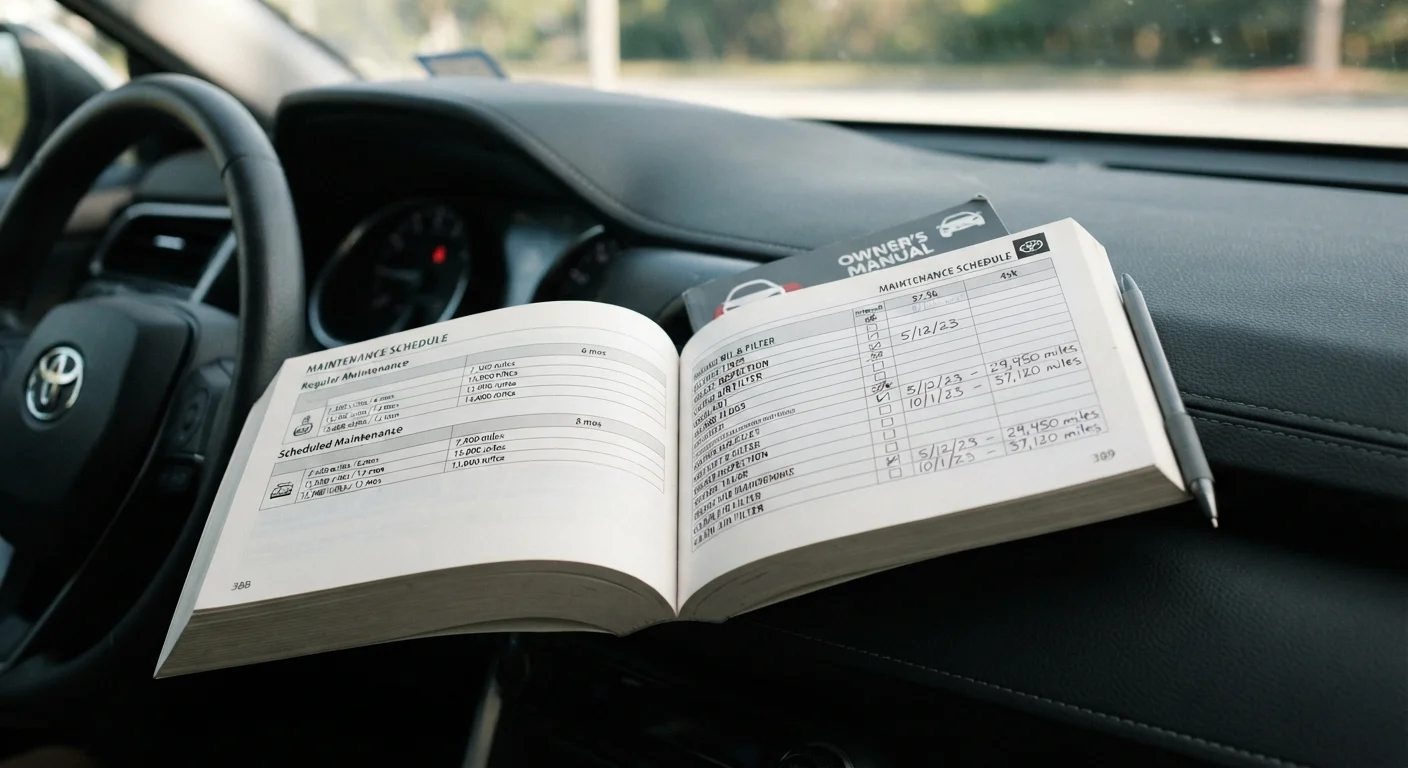
Major automakers set oil change intervals based on extensive engineering testing. Consult your owner's manual maintenance section for the exact interval your vehicle requires. You'll often find two schedules: one for normal driving conditions and one for "severe" conditions - frequent short trips under 5 miles, extreme temperatures, or heavy towing. Most everyday drivers qualify as normal.
If your car was built in the last decade, there's a good chance it also has an oil life monitoring system. These systems use algorithms factoring in engine temperature, RPM cycles, and trip length to tell you when an oil change is actually needed - not just when a calendar date has passed.
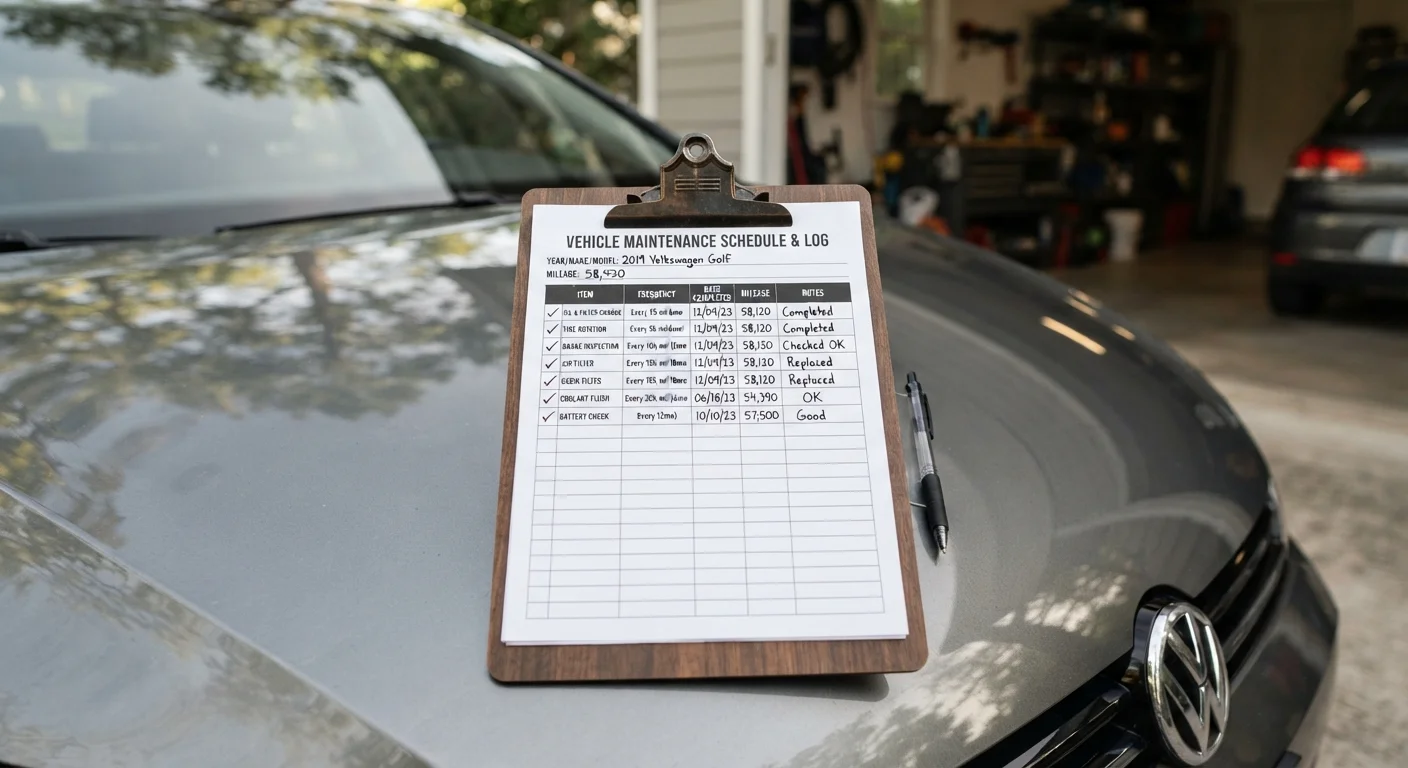
For a broader look at what modern maintenance schedules actually cover, see your car's maintenance schedule explained.
Severe Driving Conditions Change the Math
If you regularly make many short trips under 5 miles, tow heavy loads, drive in extreme heat or cold, or idle frequently, your engine works harder and oil degrades faster. In these cases, your manufacturer may specify a shorter interval - check the "severe service" section of your owner's manual rather than applying the standard interval automatically.
The Real Cost of Changing Oil Too Often - or Not Enough
Over-changing oil isn't dangerous, but it is wasteful. A driver changing oil every 3,000 miles instead of every 7,500 is paying for roughly two and a half times the number of oil changes per year they actually need. At typical shop rates, that can mean an unnecessary $100-$200 or more annually.
On the other end, stretching intervals well beyond manufacturer recommendations does carry real risk. Oil breaks down over time and use - its ability to lubricate, cool, and clean engine components diminishes. Going significantly past your manufacturer's recommended interval, especially under severe driving conditions, can lead to sludge buildup and accelerated engine wear. As detailed in why skipping routine maintenance costs more, deferred maintenance almost always generates larger repair bills down the road.
Owners of high-mileage vehicles should pay especially close attention. Older engines may benefit from more frequent checks even if full changes aren't needed every 3,000 miles. The guide to keeping a high-mileage car on the road covers what changes as your odometer climbs.
The bottom line: follow your manufacturer's interval, understand whether your oil is conventional or synthetic (learn what actually differs between them), and stop letting an outdated rule dictate your maintenance spending.