Your Dashboard Is Talking - Most Drivers Aren't Listening
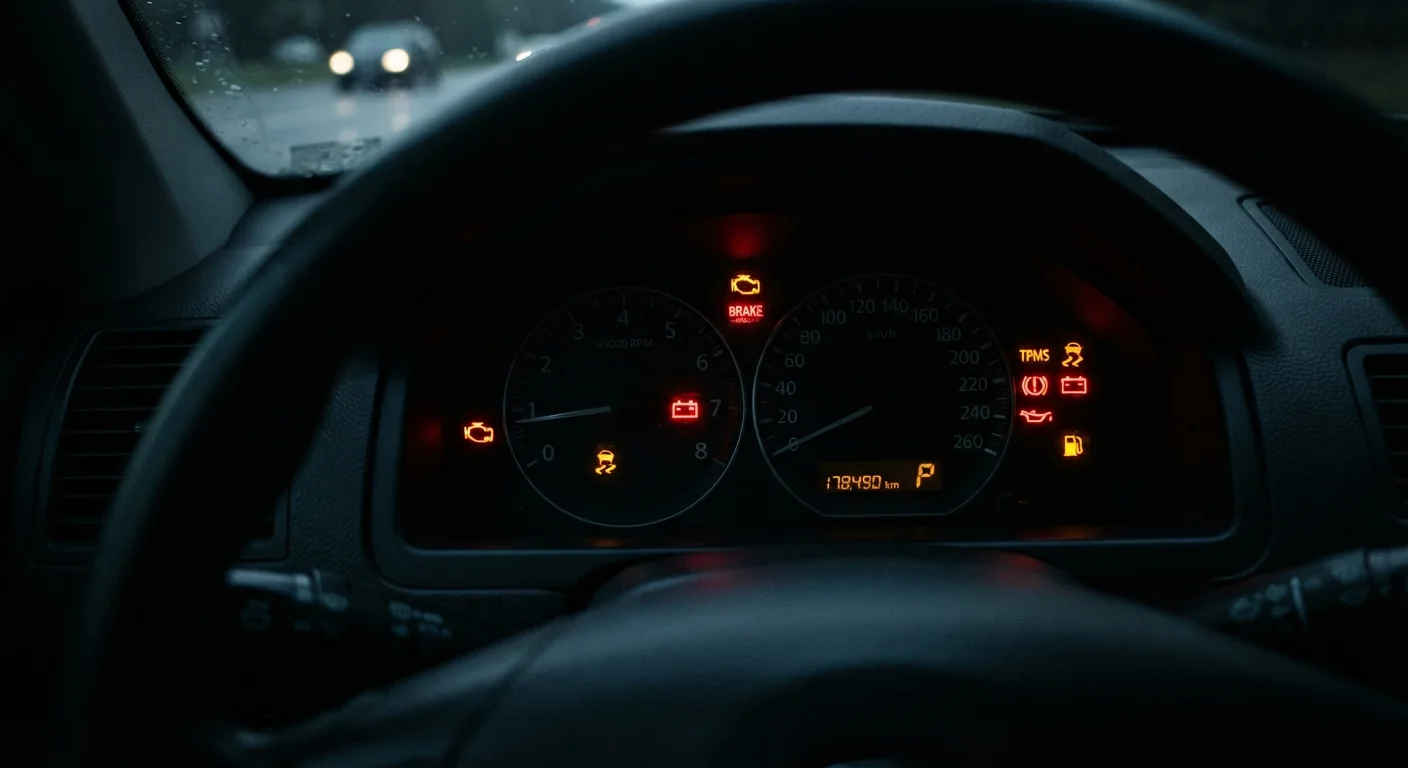
Modern vehicles monitor dozens of systems continuously and communicate problems through warning lights. The trouble is, most drivers learn to tune them out - especially when the car still seems to drive fine. That gap between "light on" and "something visibly wrong" is exactly where expensive repairs are born.
This isn't about creating anxiety every time a symbol blinks on. It's about knowing which lights give you days or weeks to schedule a shop visit, and which ones mean pull over now. The list below covers the warnings most commonly ignored - and what ignoring each one actually costs you.
For a broader look at habits that quietly add up to big repair bills, see habits that wear out your car faster than normal.
Oil Pressure Warning
This is the one that should make you pull over immediately - not at the next exit, now. Low oil pressure means your engine's moving parts aren't being lubricated. Running an engine without adequate oil pressure can cause catastrophic damage within minutes. If this light appears while driving, safely stop the vehicle, shut off the engine, and check the oil level before going any further. If oil is at a normal level and the light persists, you may have a sensor or pump issue - either way, don't drive on it.
Low oil pressure can destroy an engine in minutes - this is a pull-over-immediately situation.
Engine Temperature Warning
The thermometer symbol - often red - means your engine is overheating. Common causes include a failing coolant system, a blown head gasket, or a stuck thermostat. Continuing to drive while overheating can warp the cylinder head, a repair that routinely runs into the thousands of dollars. If this light comes on, cut off the A/C, pull over safely, and let the engine cool before adding coolant or calling for help. Never open the radiator cap on a hot engine.
Driving through an overheating warning risks warping the cylinder head - a repair that can cost thousands.
Check Engine Light
The most misunderstood light on the dashboard. A steady check engine light covers a wide range of issues - from a loose gas cap to a failing catalytic converter - and doesn't always mean pull over this second. However, a flashing check engine light is a different story: it typically signals an active engine misfire that can damage the catalytic converter rapidly. Either way, having the fault codes read (many auto parts stores do this for free) is the essential first step. Don't assume it's minor without data.
A flashing check engine light signals active engine misfiring - don't wait to have codes read.
Tire Pressure Monitoring System (TPMS)
The TPMS light is probably the most commonly dismissed warning on this list. Drivers frequently assume it's just a minor inconvenience or a sensor glitch. In reality, underinflated tires reduce handling responsiveness, increase fuel consumption, accelerate tread wear unevenly, and raise the risk of a blowout - particularly at highway speeds. Checking your own tire pressure takes about five minutes and requires only a basic gauge. For a step-by-step walkthrough, see how to check your own tire pressure.
Underinflated tires increase blowout risk at highway speeds - TPMS is never just a sensor glitch to dismiss.
Battery / Charging System Warning
This light usually looks like a battery and means your vehicle's charging system isn't maintaining proper voltage. It could point to a failing alternator, a worn drive belt, or a battery nearing the end of its life. Unlike some warnings, this one tends to escalate quickly - once the battery drains below a functional level, the car will simply stop running. If this light appears, limit non-essential electrical load (A/C, rear defroster) and head to a mechanic or auto parts store for a charging system test promptly.
A battery warning can go from dashboard light to total breakdown within a single drive.
Brake System Warning
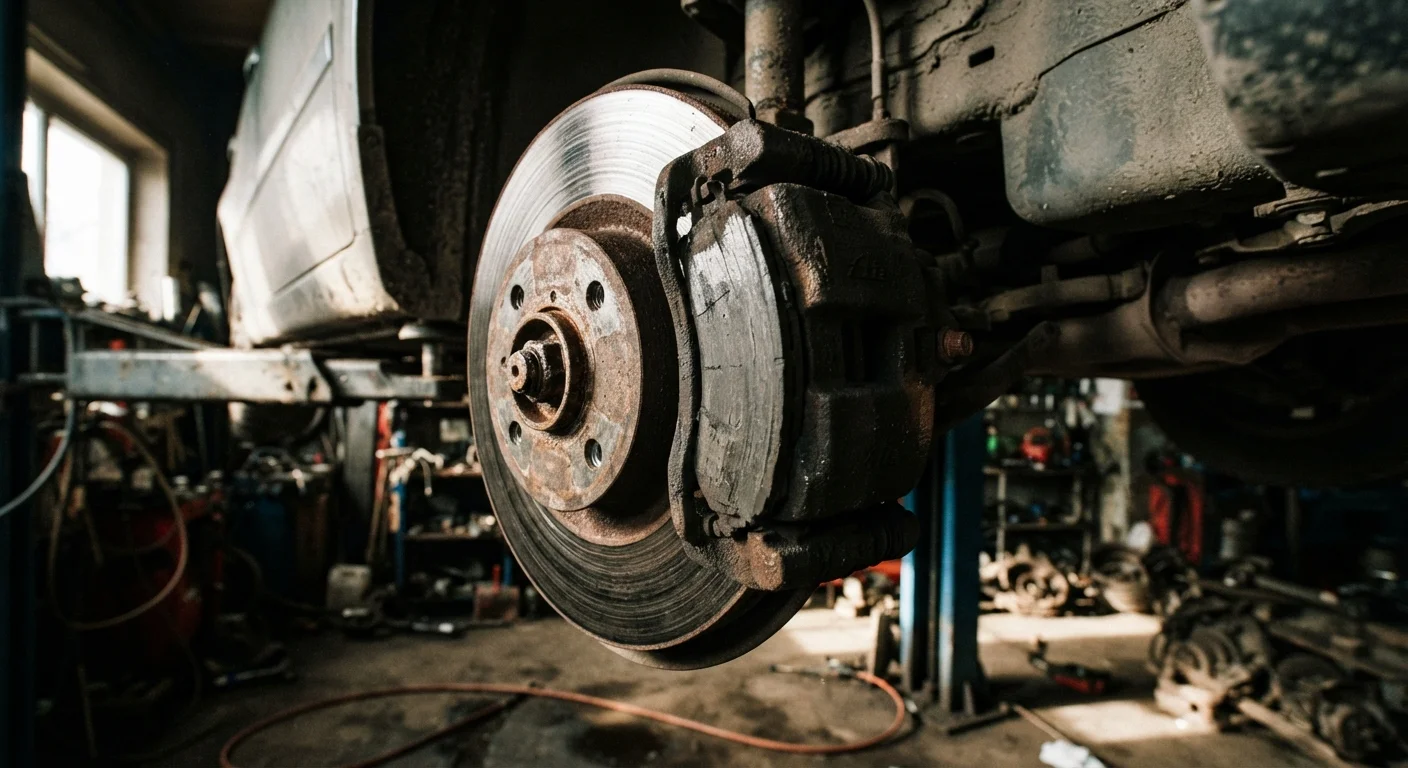
If the brake warning light appears and the parking brake is fully released, treat it seriously. Common causes include low brake fluid, worn brake pads triggering a sensor, or a hydraulic system fault. Braking distance and reliability are directly tied to your and others' safety on the road. Brake system issues have no grace period - get the vehicle inspected before your next trip. For broader safe driving context, the Safe Driving Tips hub has practical guidance across a range of driving situations.
A brake warning light with the parking brake off is never a dashboard quirk - get it checked before driving further.
Don't Wait for Something to Feel Wrong
Warning lights don't always come with obvious symptoms. An engine running low on oil pressure can feel perfectly normal for the first few miles - right up until it seizes. A battery warning might leave you stranded at the worst possible moment with no advance notice beyond that amber icon you've been ignoring for two weeks.
Get Fault Codes Read Before Guessing
When a check engine or system warning appears, many auto parts retailers will read the stored diagnostic trouble codes at no charge. These codes don't always pinpoint the exact problem, but they narrow it down significantly and give a mechanic a faster starting point - which often means a lower labor bill for you.
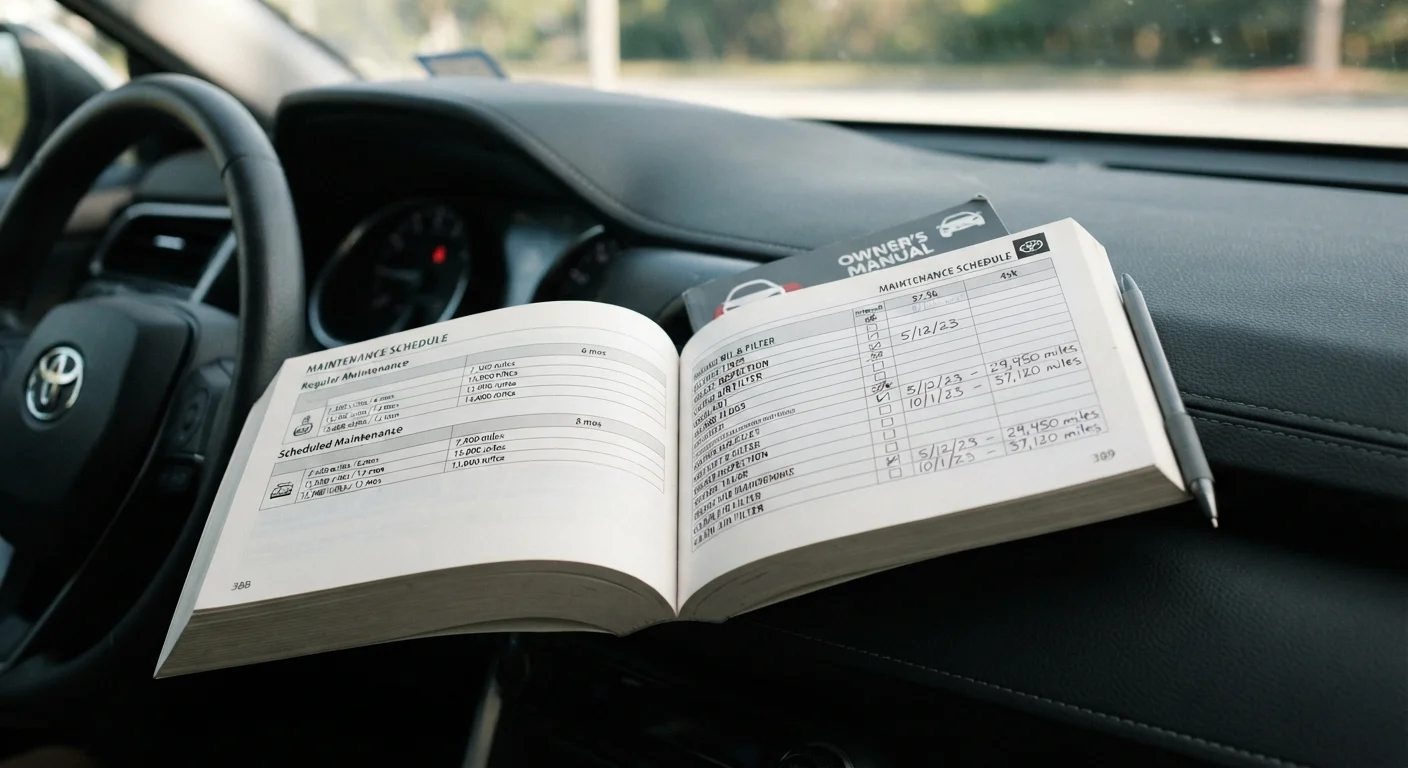
If you're unsure what a particular symbol means, your owner's manual's warning light section is the fastest reference - and it's specific to your vehicle. See which sections of your owner's manual actually matter for a practical breakdown. Before any long drive, a quick pre-trip safety check can also catch developing issues before they become roadside emergencies.
This article provides general vehicle information and education only. For diagnosis and repair of specific warning lights, consult a qualified mechanic - warning light behavior varies by vehicle make, model, and year.