A two-minute walk-around and quick cabin check can catch problems before they become emergencies. Here's what to look for every time.
Key Takeaways
A quick walk-around before every trip catches tire, light, and fluid problems early.
Most pre-trip checks take under five minutes and require no tools.
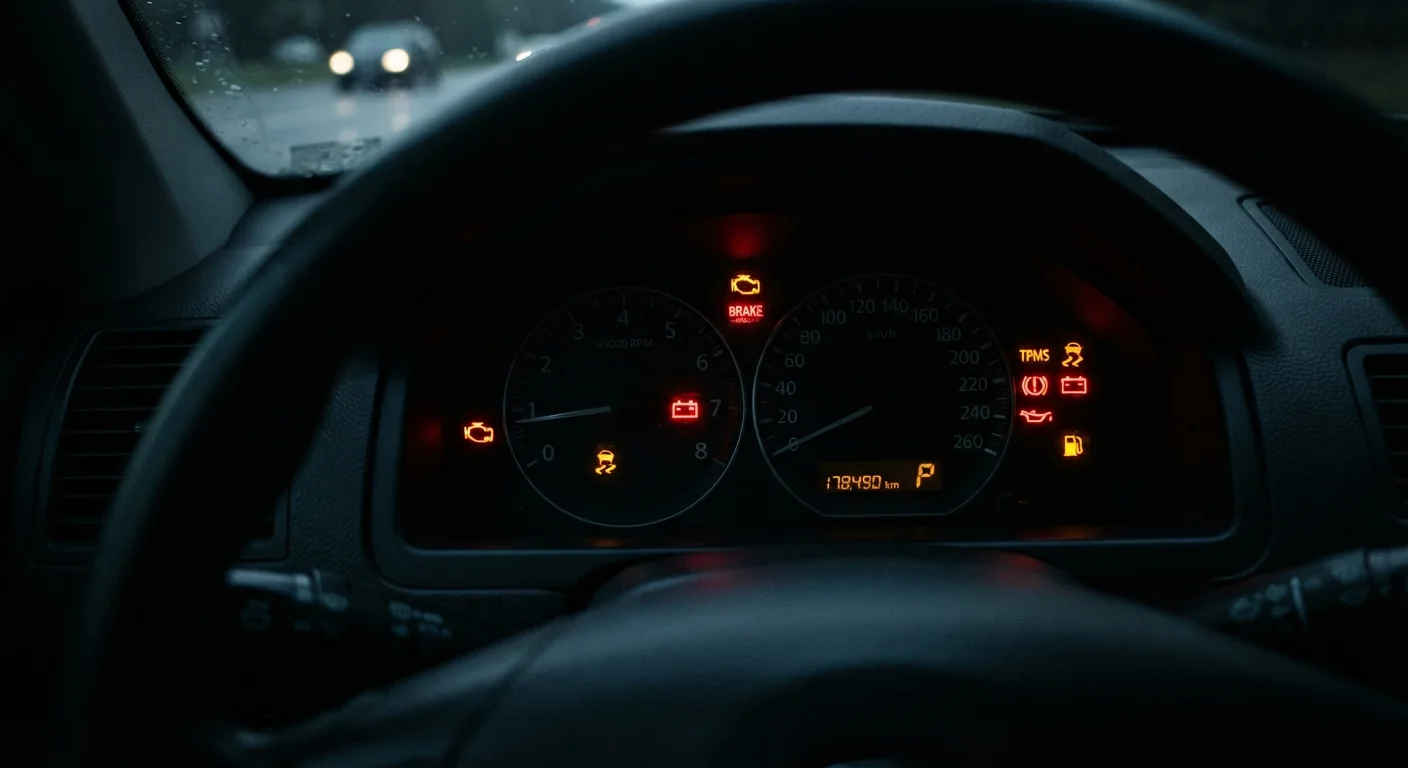
Dashboard warning lights should never be ignored before driving - act on them first.
Mirror and seatbelt checks are fast habits that directly reduce crash risk.
Catching small issues early almost always costs less than roadside or emergency repairs.
Why a Pre-Trip Check Is Worth Two Minutes of Your Time
Most vehicle problems don't appear without warning - they give signals first. A low tire, a dim headlight, or a puddle under the car are all things a 90-second walk-around can catch before they turn into a roadside emergency or a collision. Yet most drivers skip this step entirely.
This checklist is designed to be fast and repeatable. You don't need tools, mechanical expertise, or extra time. You need a habit. Whether you're heading to work or a long highway run, the same basic checks apply. For a deeper look at what your car's warning systems are telling you, see our guide to dashboard warning lights - some alerts genuinely shouldn't wait.
Use the checklist below every time you get in the car. It's organized into two phases: the exterior walk-around and the in-cabin setup.
Exterior Walk-Around
Check all four tires visually for obvious flats, sidewall bulges, or severe tread wear before moving the vehicle.Must
Press on each tire with your hand to gauge pressure roughly, or use a gauge if one tire looks lower than the others.Should
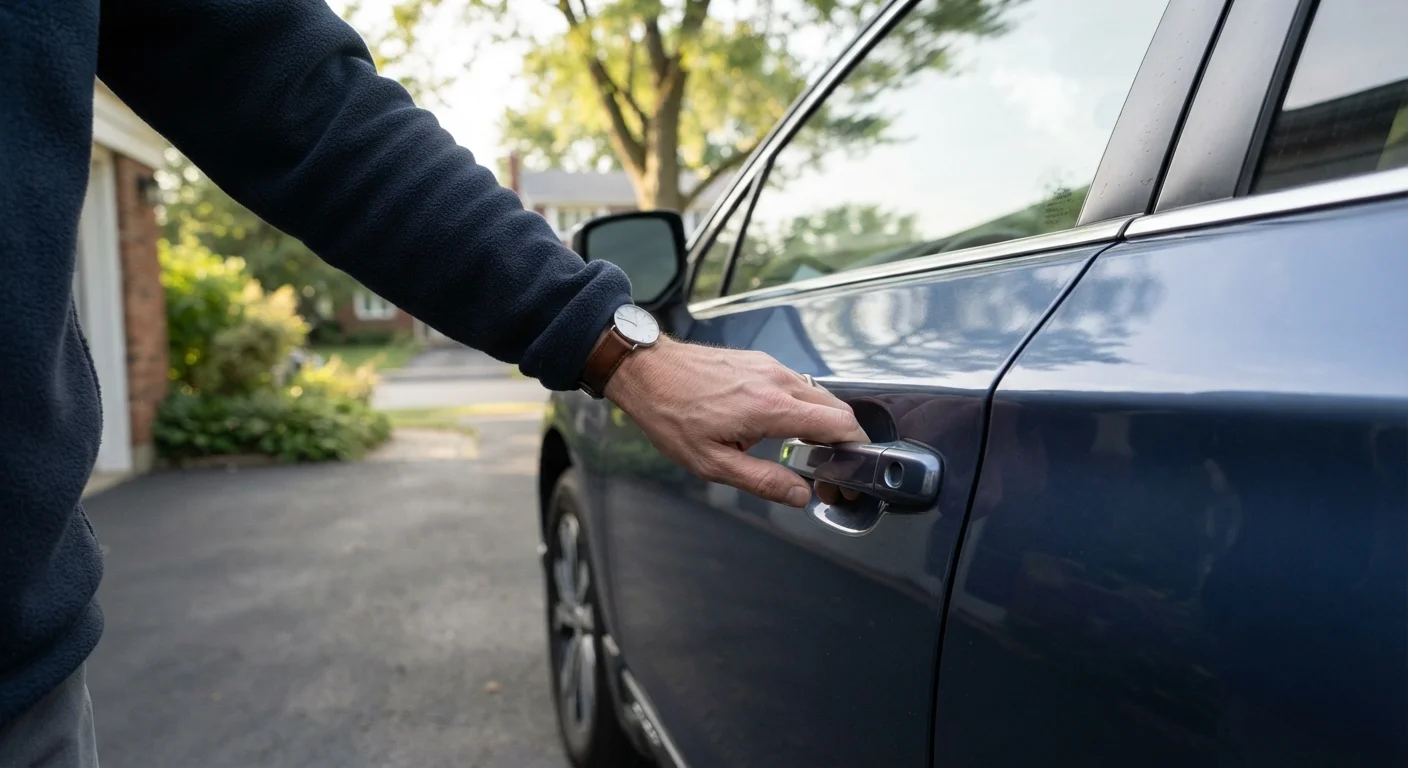
Walk around the entire vehicle and look for any new damage, dents, or fluid puddles on the ground beneath the car.Must
Verify that all exterior lights - headlights, taillights, and brake lights - are functioning; have someone help you check the brake lights if you're alone.Must
Confirm that the trunk, hood, and all doors are fully latched before departing.Must
Clear all windows, mirrors, and the roof of snow, ice, or debris that could shift while driving.Must
Under the Hood (Weekly or Before Long Trips)
Check engine oil level with the dipstick when the engine is cold; add oil only if the level is near or below the minimum mark.Should
Inspect the coolant reservoir level and confirm the fluid is between the MIN and MAX markers.Should
Visually inspect belts and hoses for obvious cracks or fraying - if you spot anything concerning, have a mechanic evaluate before driving a long distance.Nice to have
Check windshield washer fluid and top it off if low, especially before winter or highway driving.Nice to have
In-Cabin Setup
Scan the dashboard for any active warning lights before shifting out of park - do not dismiss unfamiliar alerts without understanding what they mean.Must
Adjust the driver's seat so you can reach the pedals comfortably and see clearly over the steering wheel.Must
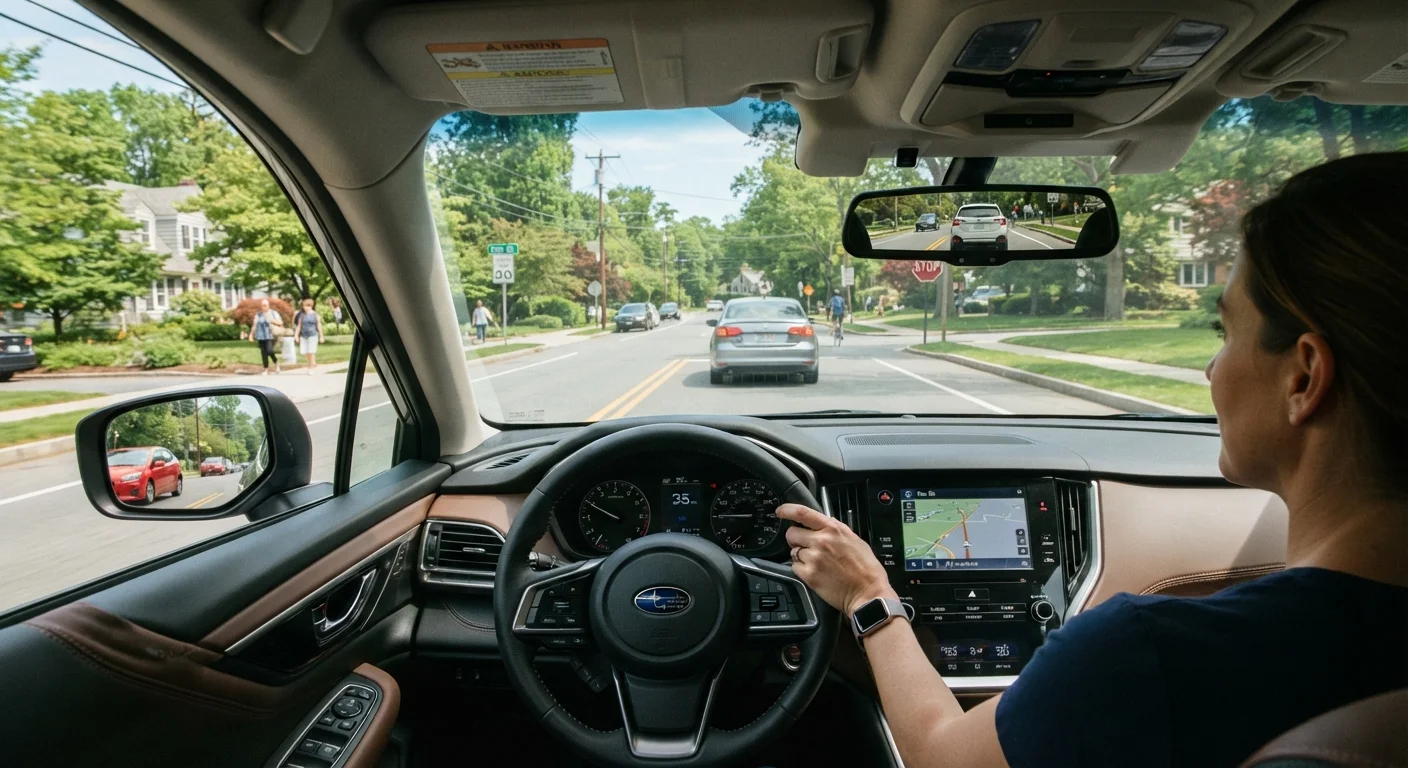
Adjust all mirrors - driver's side, passenger's side, and rearview - before moving, especially if another person drove the vehicle recently.Must
Fasten your seatbelt and confirm any passengers have buckled up before the vehicle moves.Must
Set your navigation or destination input before driving - not while the vehicle is in motion.Should
Silence or stow your phone, or connect it hands-free if you need it, before you pull out.Should
Confirm your fuel level is sufficient for your planned trip; running low on a cold morning or late at night adds unnecessary risk.Should
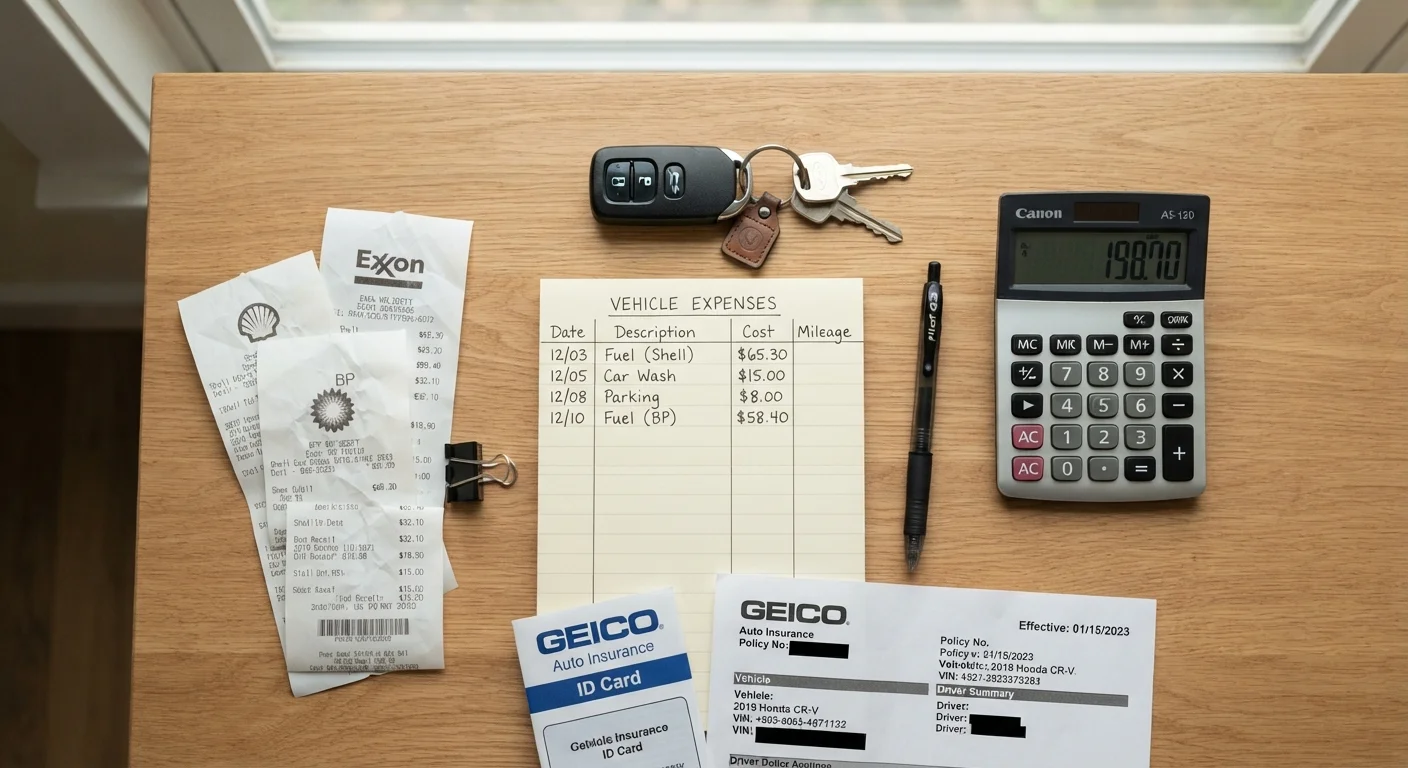
Verify that your registration, insurance card, and driver's license are accessible - required by law and needed immediately if you're stopped or involved in an incident.Nice to have
What to Keep in Mind Beyond the Checklist
A pre-trip check is a habit, not a substitute for regular maintenance. If you're consistently finding the same issue - a tire that keeps losing pressure, a fluid that keeps dropping - that's your vehicle signaling an underlying problem that needs a qualified mechanic's attention. Don't just top it off and move on.
Don't Ignore a Recurring Problem
If your oil is consistently low, a tire keeps losing pressure, or a warning light keeps returning after you clear it, those are signs of an underlying mechanical issue - not bad luck. Topping off fluids or adding air without diagnosing the root cause delays a repair that will likely cost more the longer it's deferred. Have a qualified mechanic inspect any issue that repeats itself within a week or two.
Visibility deserves special attention. Adjusting mirrors takes ten seconds and meaningfully reduces your blind-spot risk. If you're not sure your mirror setup is optimized, our full visibility guide walks through positioning and shoulder-check technique in detail.
For the bigger financial picture - including how routine checks reduce ownership costs over time - the Annual Vehicle Cost Audit Checklist is a useful companion. And if your state requires annual inspections, understanding what inspectors actually examine helps you stay ahead of failures rather than scrambling before the appointment.
Build the walk-around into your routine the same way you'd buckle your seatbelt - automatically, every time, no exceptions.
Autos Driving Editorial Team is the collective byline for our editorial team and contributor network. Articles published under this byline or an editorial pen name are researched, written, and reviewed according to our editorial standards for clarity, consistency, and independence before publication.
The content on this site is for informational purposes only and is not a substitute for professional advice. Always consult a qualified professional for guidance specific to your situation.