Why Blind Spots Are Unavoidable
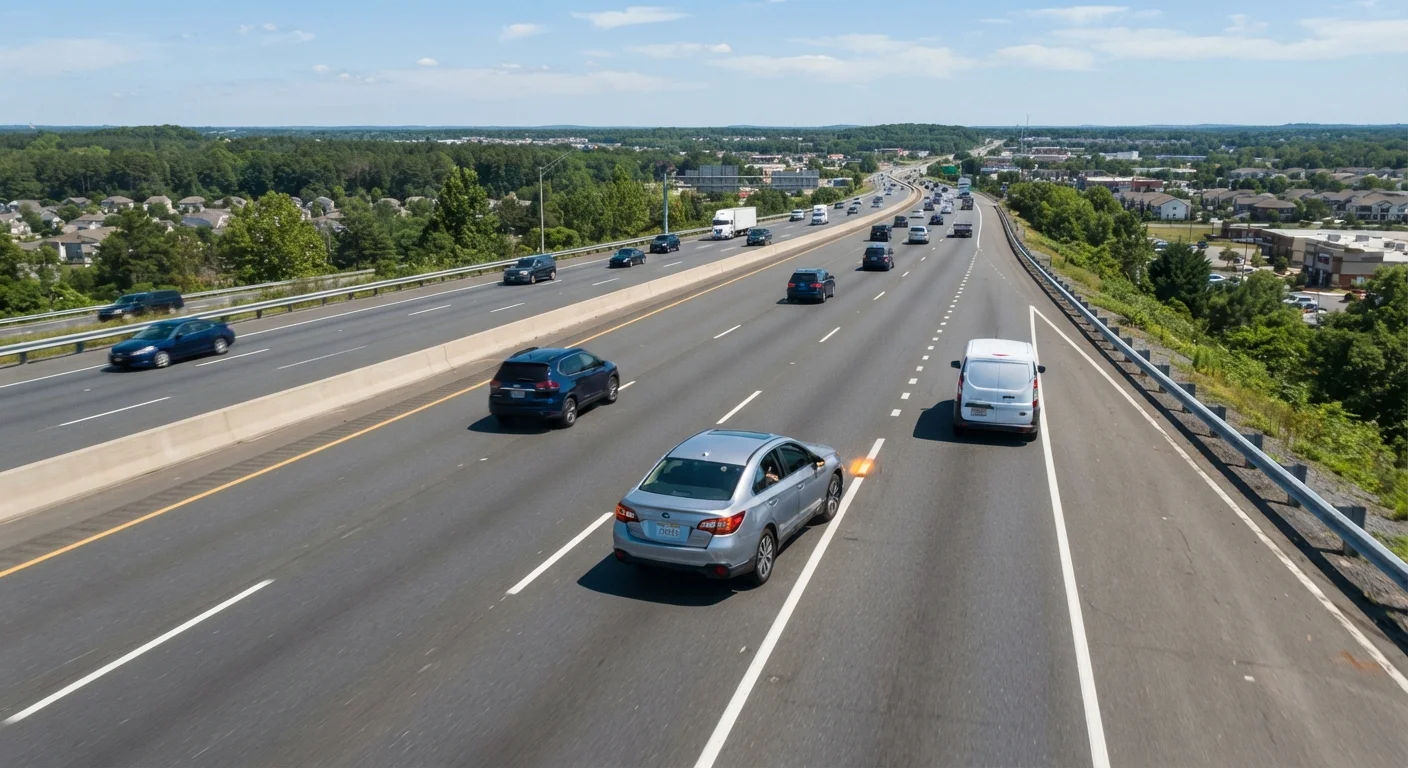
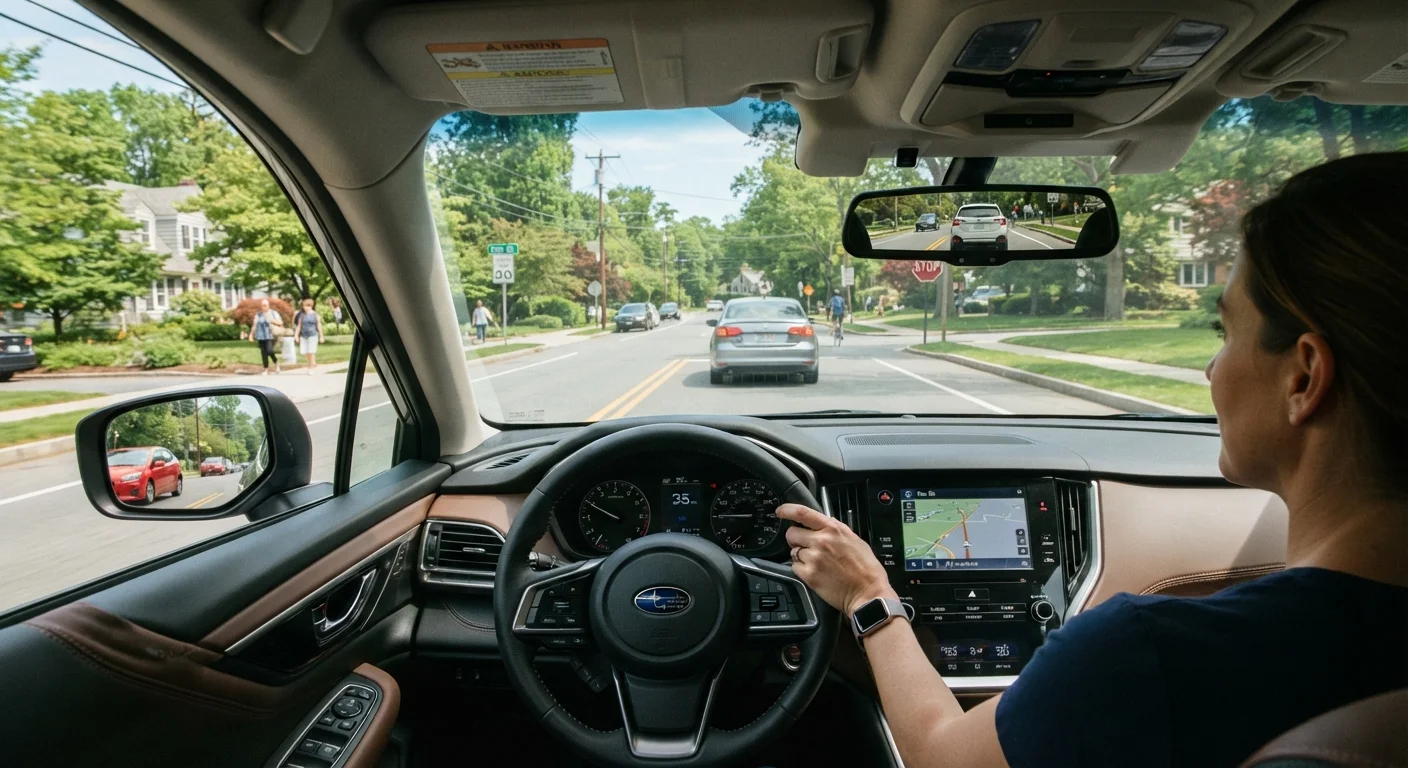
Every vehicle has zones around it that mirrors alone cannot show. These blind spots exist because mirrors reflect only a fixed angle, and the vehicle's own body - pillars, headrests, cargo - blocks additional sightlines. The A-pillars (the angled supports framing your windshield) are a common culprit at intersections, while the rear quarters on either side create the classic highway blind spot where a car can disappear from view entirely.
Larger vehicles have larger blind spots. Trucks, SUVs, and vans introduce significant rear-quarter zones and a wide area directly in front of the hood. Even compact sedans have measurable dead zones. Understanding this as a physical constraint - not a correctable flaw - is the first step toward compensating for it systematically.
~840,000
Blind spot-related crashes annually in the U.S.
According to National Highway Traffic Safety Administration (NHTSA) research, an estimated 840,000 crashes each year involve blind spot zones.
~300 ft
Typical highway blind spot length at 65 mph
At highway speeds, a vehicle can travel over 300 feet in the time it takes for a driver to glance away and back - underlining why brief, targeted checks matter.
Good visibility habits also complement safe performance in difficult conditions. If you drive in rain, snow, or fog, see our guide to adjusting your driving for each weather condition for how reduced visibility changes the calculus further.
How to Set Your Mirrors Correctly
Most drivers set their side mirrors too far inward, creating a wide overlap with what the rearview mirror already shows. A better approach: adjust each side mirror outward until you can just barely see the edge of your own vehicle in the innermost 10-15% of the mirror frame. This significantly expands your side coverage.
For the rearview mirror, center it on the full rear window. If your vehicle has a manual anti-glare setting (the tab on the bottom), use it at night to reduce headlight dazzle without losing too much detail.
Re-Adjust Every Time You Switch Drivers
If multiple people share a vehicle, mirrors are almost certainly set for someone else's seating position. Make a habit of adjusting all three mirrors before you pull out - it takes less than 30 seconds and significantly changes what you can actually see.
The goal of this outward side-mirror method - sometimes called the Society of Automotive Engineers (SAE) wide-angle technique - is to create a near-seamless band of visibility from your direct forward view, through the mirrors, and toward the rear. It doesn't eliminate blind spots, but it reduces the dead zone between what your rearview shows and what each side mirror shows.
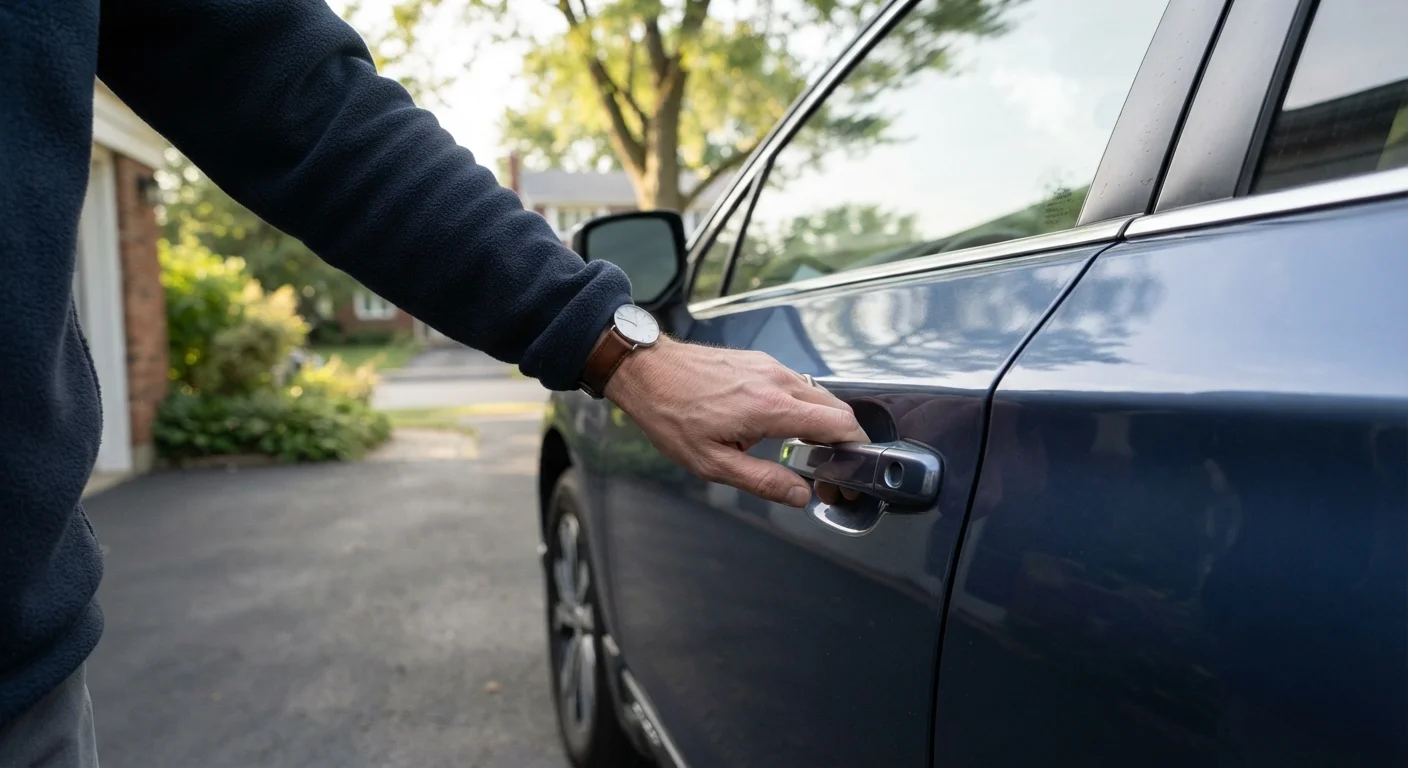
For a full pre-drive routine that includes mirror checks, see Before You Back Out of the Driveway.
After adjusting your mirrors outward, sit in your normal driving position before finalizing the angle - mirrors set while leaning in won't be accurate when you're actually driving.
Mirror angle is relative to your seated eye position. Small shifts in posture between adjustment and driving can meaningfully change what each mirror shows.
If your vehicle has convex (curved) wide-angle mirrors in the lower corner of the side mirrors, use them as a secondary check, not a primary one - objects appear smaller and farther away than they actually are.
Convex mirrors expand field of view but distort distance perception, which can cause drivers to misjudge the proximity of approaching vehicles.
When and How to Shoulder Check
A shoulder check is a brief, focused glance over your shoulder toward the blind spot zone - not a prolonged stare that takes your eyes off the road for more than a half-second. It's the necessary final confirmation before any lane change, merge, or turn from a stopped position.
The correct sequence for a lane change: check your rearview mirror, check the relevant side mirror, signal your intent, then shoulder check, and move if clear. This order matters. Mirrors first tell you the broader picture; the shoulder check confirms the narrow blind spot zone just before you commit.
Timing is equally important. A shoulder check done too early - several seconds before the actual move - may no longer be accurate by the time you change lanes. Do it immediately before initiating the maneuver. Keep the head rotation short and deliberate: you're looking at a specific zone, not scanning the whole road behind you.
For a deeper walkthrough of safe lane-change sequencing, Merging and Lane Changes Done Right covers every step.
What Driver-Assist Technology Actually Does
Blind spot monitoring (BSM) systems use radar or ultrasonic sensors mounted in the rear bumper to detect vehicles in your side blind zones. Most alert you with a light in or near the corresponding side mirror; some add an audible warning if you signal while a vehicle is present.
Don't Rely Solely on BSM Alerts
Blind spot monitoring systems can fail to detect motorcycles, cyclists, or vehicles approaching at significantly different speeds. Sensor coverage also varies by model, and buildup of ice, mud, or debris on rear sensors can reduce or disable alerts. Always combine technology alerts with active mirror checks and shoulder checks.
These systems are a genuinely useful supplement, but they have real limitations. Most are tuned to detect vehicles traveling at similar speeds on open roads, and can miss cyclists, motorcycles, or fast-approaching cars in some conditions. Sensor range varies by manufacturer and vehicle speed. And like any sensor system, they can be degraded by dirt, ice, or damage to the rear bumper area.
Rear cross-traffic alert, parking sensors, and backup cameras address the rear blind zone - particularly useful when reversing out of a parking space or driveway. Cameras provide a visual picture; sensors provide proximity alerts. Neither replaces a full shoulder check and mirror scan before moving.
The broader takeaway: driver-assist systems are tools, not substitutes. They work best when paired with the mirror setup and shoulder-check habits described above, not instead of them.
Putting It All Together for Safer Driving
Safe visibility management is a layered system. Mirrors properly set reduce your core dead zones. Shoulder checks cover what mirrors can't. Driver-assist technology adds a background alert layer. None of these works well in isolation.
Make mirror adjustment part of every pre-trip routine - it takes under 30 seconds and resets the baseline each time a different driver uses the vehicle. Build shoulder checks into your muscle memory so they happen automatically before every lane change, not just when you remember to do them.
At night, blind spots become harder to detect even with proper setup. Our Night Driving guide covers how reduced visibility after dark affects spacing, speed, and scanning habits. For general vehicle upkeep that keeps sensors and mirrors functioning properly, the Car Maintenance hub is a practical starting point.
Visibility is one of the most straightforward areas where a small habit change produces an outsized safety benefit. The techniques here cost nothing and take seconds - but they need to be consistent to matter.
This article is for general informational and educational purposes only. Always follow the traffic laws and safety guidelines applicable in your state or jurisdiction. When in doubt about vehicle safety systems, consult a qualified mechanic or your vehicle's owner manual.