Why Merging Goes Wrong
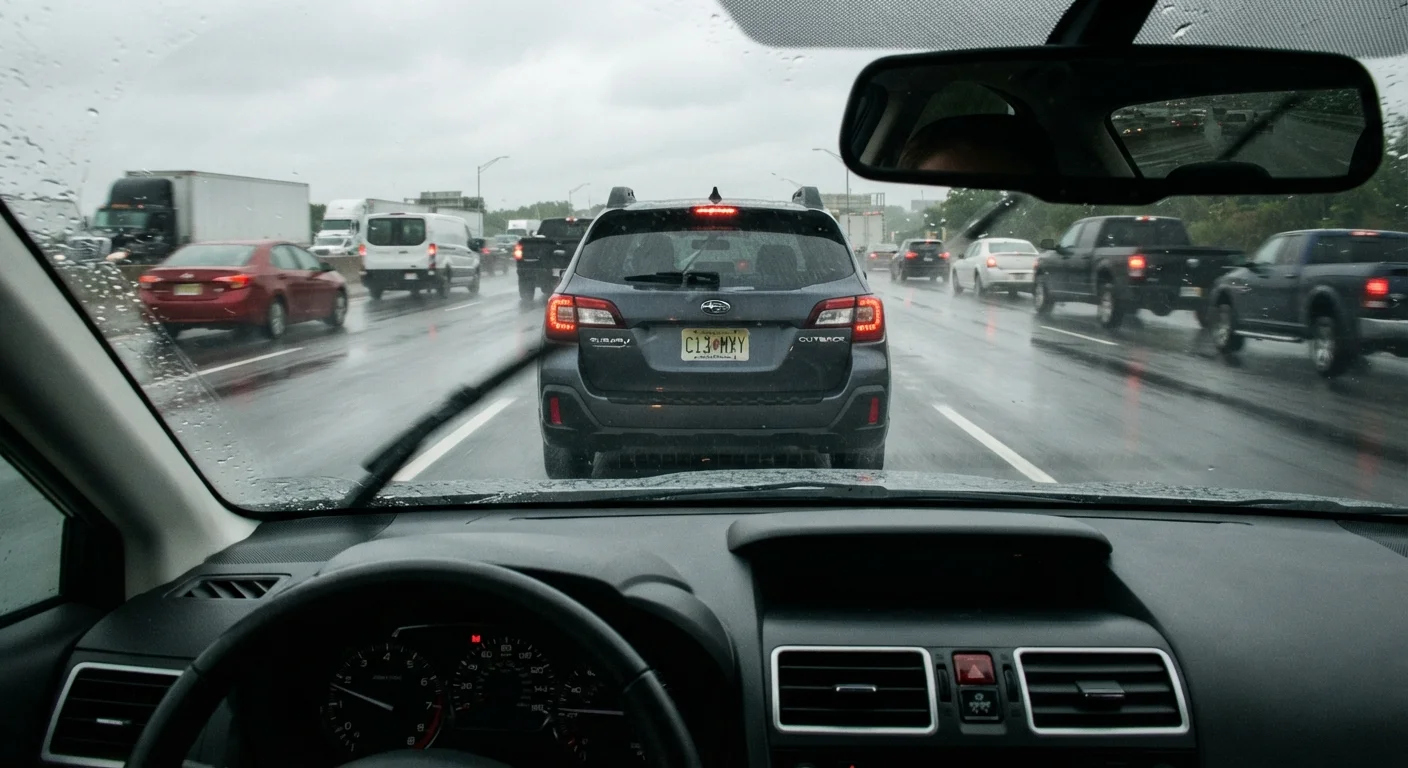
Most lane-change errors trace back to one of three root causes: moving before checking all blind spots, failing to match the speed of target-lane traffic, or not signaling early enough for other drivers to respond. Each error is preventable with a consistent sequence. The steps are not complicated - but they must happen in the right order, every time, without shortcuts.
Poor merging creates a ripple effect. A single abrupt lane change can trigger hard braking several cars back, setting the stage for a rear-end chain reaction. Understanding this helps reframe lane changes as a cooperative act, not just a personal maneuver. Following distance plays directly into this - a driver running too close behind you has almost no reaction time if you cut in sharply.
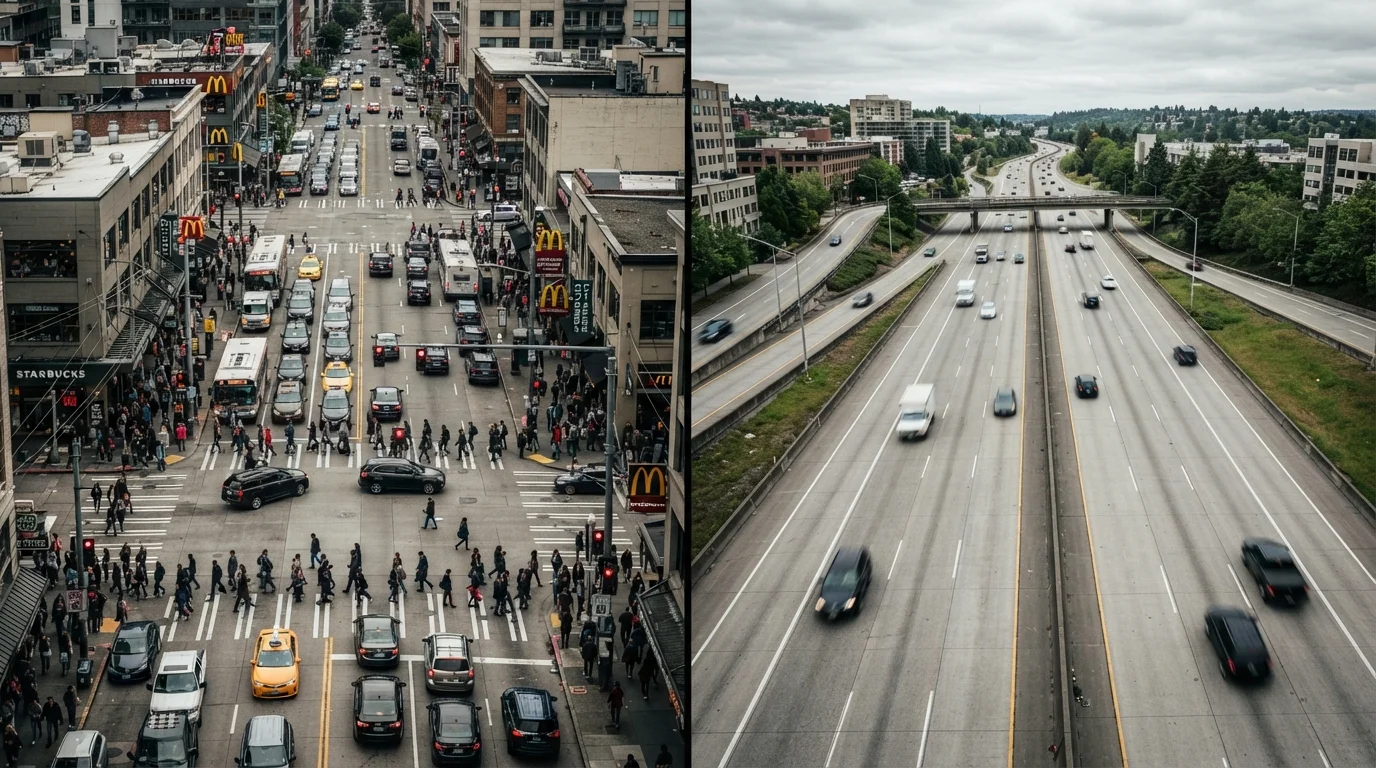
For a broader comparison of how highway skills differ from city driving, see our article on highway vs. city driving safety.
What you will need
Equipment and Setup Before You Merge
Executing a safe lane change starts before you ever get on the highway. Your mirrors and signals must be in working order and properly configured - they are not optional equipment for this task.
Properly adjusted side mirrors
Minimizes blind spots so you can accurately judge gaps in adjacent lanes.
Functioning turn signals
Communicates your intent to nearby drivers before and during the lane change.
Rearview mirror
Provides a centered view of following traffic to assess rear gap distance.
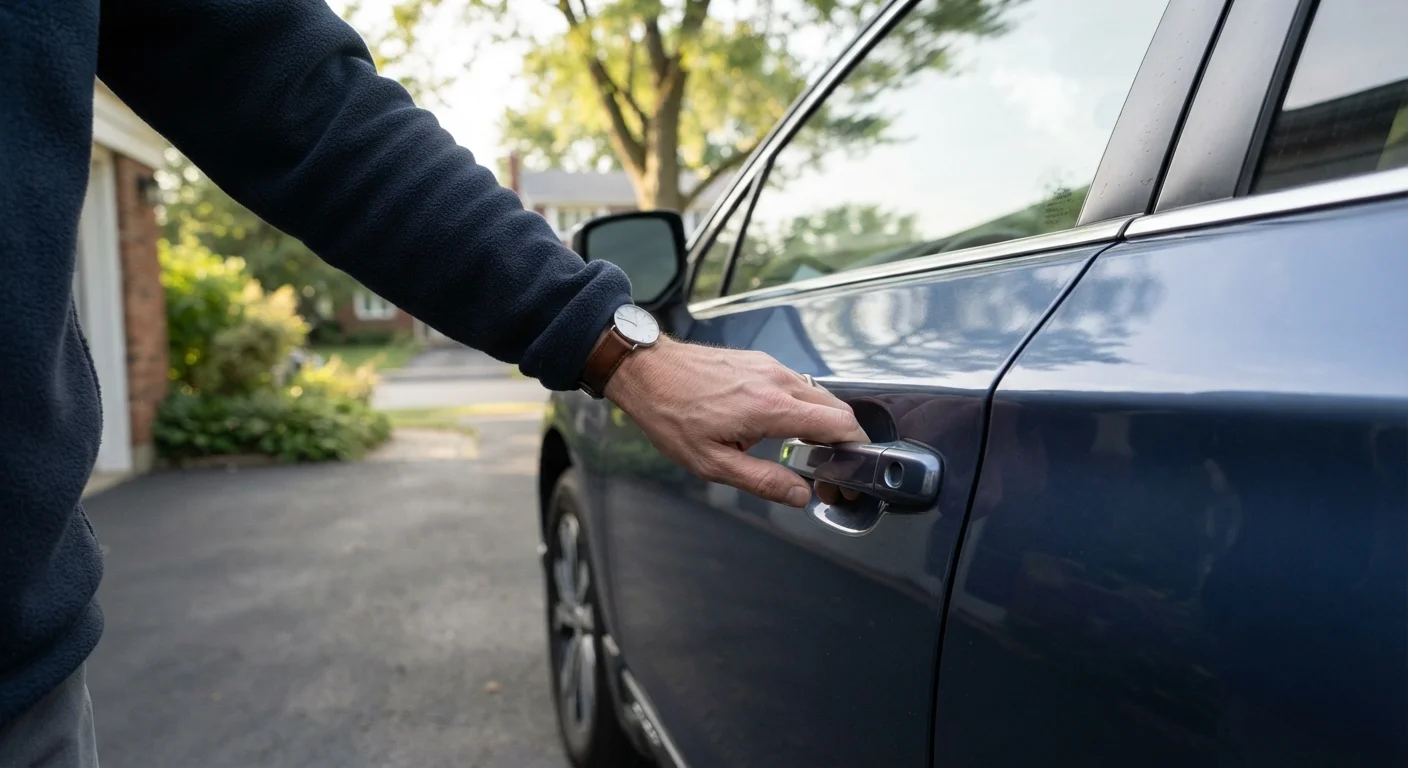
Part of your overall vehicle readiness starts at home. A pre-trip safety check takes just two minutes and can confirm your lights and signals are functioning before any driving begins.
The Step-by-Step Lane Change Sequence
Follow these steps in order every time you change lanes - on the highway, on city streets, and on on-ramps. Consistency is what turns the sequence into muscle memory.
Adjust your mirrors before you drive
Sit in your normal driving position, then adjust each mirror so you can see the lane beside you with minimal overlap from your vehicle's body. Side mirrors should be angled slightly outward - if you can barely see the side of your own car, they are positioned correctly. A properly adjusted mirror setup dramatically shrinks the blind spot that causes most merging errors.
Scan ahead and identify your target gap
Before signaling, identify a gap in the target lane that is at least one car-length larger than your vehicle. Scan both the rearview mirror and the relevant side mirror to get a full picture of traffic speed and spacing. Avoid fixating on a single vehicle - track the flow of two or three cars to judge whether the gap is stable or closing.
Signal at least three seconds in advance
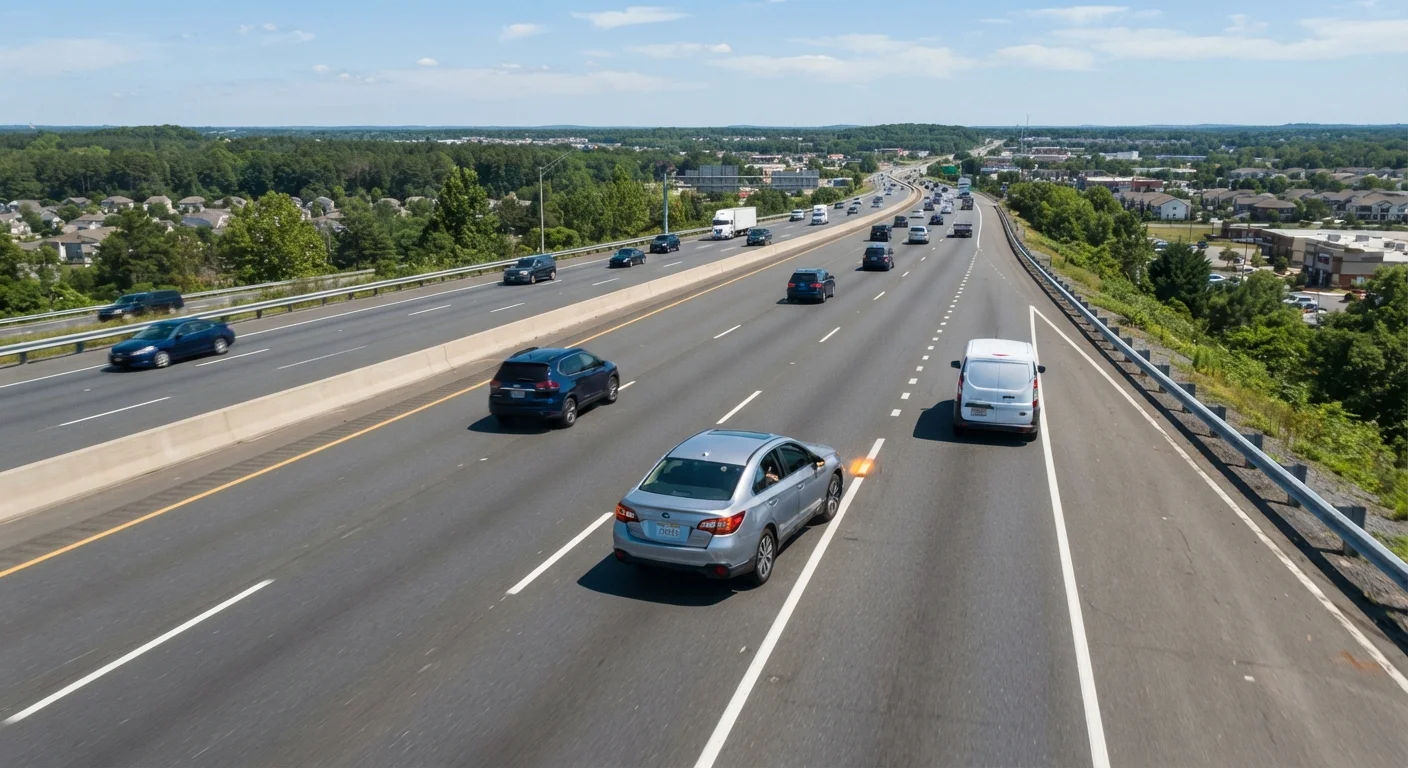
Activate your turn signal before you begin to move - not during or after. Three seconds of signal gives surrounding drivers time to react, adjust speed, or flash their lights if the gap is too tight. Signaling is both a legal requirement in every U.S. state and your primary communication tool with other drivers.
Check mirrors, then check your blind spot
Run the sequence in order: rearview mirror → side mirror → quick over-the-shoulder blind-spot glance. The glance should take less than a second - just long enough to confirm no vehicle is hiding in the zone your mirrors cannot cover. Looking too long pulls your attention off the road ahead, which introduces its own risk.
Match speed with the target lane before steering
Accelerate or decelerate to match the pace of traffic in the lane you are entering. Merging significantly slower than surrounding traffic forces other drivers to brake hard and is a primary cause of rear-end collisions during lane changes. On a highway on-ramp, use the full length of the acceleration lane - it exists specifically for this purpose.
Steer smoothly and complete the merge
Once your signal is on, your blind spot is clear, and your speed is matched, steer with a gradual, controlled motion into the center of the new lane. Avoid jerky or sudden inputs. Once fully in the lane, cancel your signal, re-establish a safe following distance from the car ahead, and return your mirrors to a forward-facing scan.
The Zipper Merge Is Not Rude
In heavy traffic or construction zones, many states encourage the 'zipper merge' - staying in your lane until the merge point and then alternating with the adjacent lane. Research from multiple state transportation departments indicates zipper merging reduces overall traffic backup compared to early lane-switching. If you see a sign instructing drivers to use both lanes, follow it - you are not being aggressive, you are doing it correctly.
Never Force a Merge
If a gap closes before you complete your lane change, ease back into your current lane, cancel your signal, and wait for the next opportunity. Forcing your way into an insufficient gap is a leading cause of sideswipe collisions. No merge is worth the risk of a crash.
Special Situations: Construction Zones and Heavy Traffic
Standard lane-change rules apply everywhere, but a few environments demand extra attention. In construction zones, lane markings shift, shoulders disappear, and workers may be unexpectedly close to traffic. Reduce speed beyond posted limits if visibility is limited, and complete any necessary lane changes well before the merge point - not at the last second. Our guide on driving in construction zones covers zone-specific rules in detail.
In dense stop-and-go traffic, available gaps shrink and driver patience runs thin. Patience is your best tool - wait for a gap, not a challenge. If another driver's poor merge forces you to brake hard, resist the urge to retaliate by closing gaps or following closely. Aggressive responses compound the original hazard.
Blind Spots Cause Real Crashes
The National Highway Traffic Safety Administration has linked blind-spot-related incidents to hundreds of thousands of lane-change crashes annually. Mirror adjustments alone are not sufficient - a physical over-the-shoulder glance is required every single time you change lanes. Make it a non-negotiable step in your sequence, not an optional one.
It is also worth knowing that at-fault lane-change collisions can affect your insurance record. For general context on how driving behavior intersects with coverage costs, see our overview of saving on insurance.