The Physics That Make Tailgating So Lethal
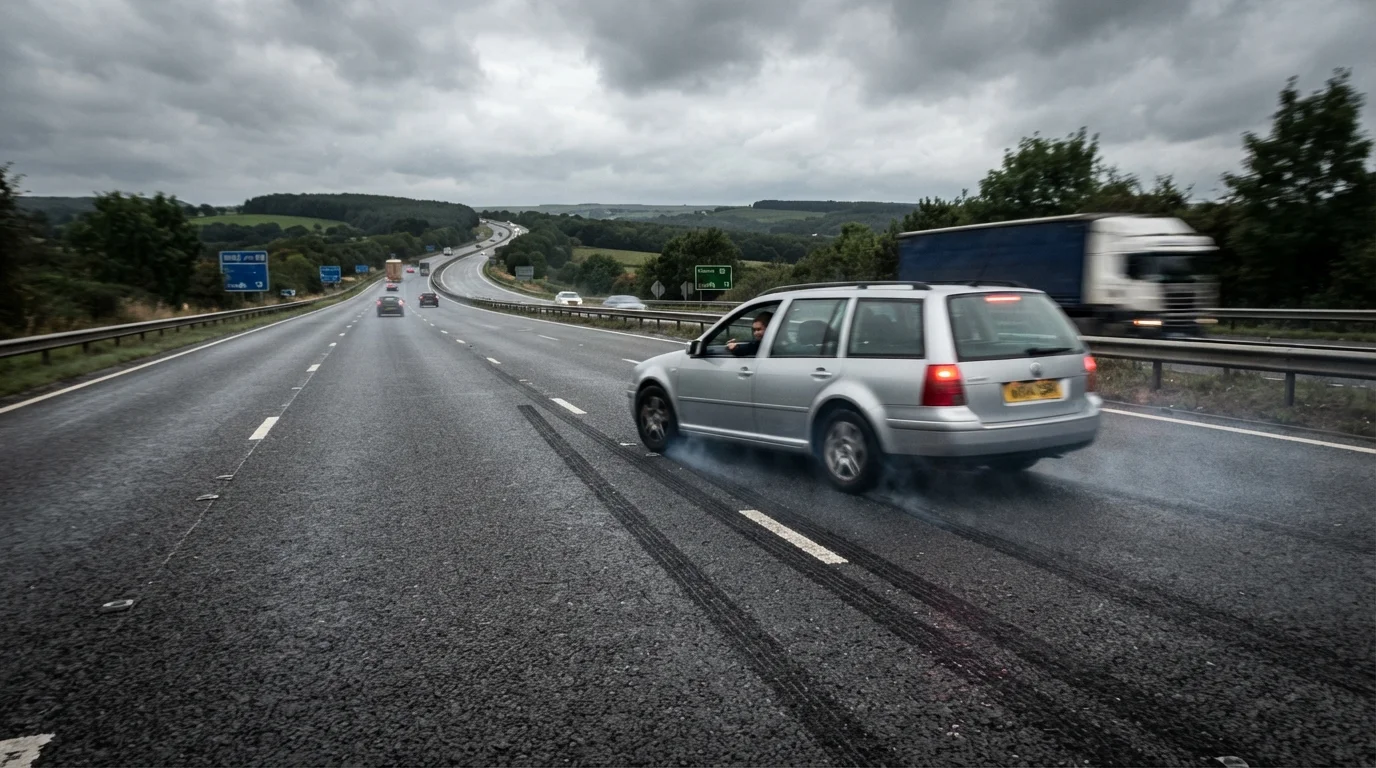
Most drivers instinctively understand that following too closely is risky. Few truly grasp just how quickly the math turns deadly. At 60 mph, a vehicle travels 88 feet every single second. The average driver takes 1.5 seconds to perceive a hazard and move their foot to the brake - that's 132 feet gone before braking even starts. Add braking distance on top, and a typical passenger car needs roughly 300 feet to stop from highway speed.
When you're following at two car lengths - a gap many drivers consider reasonable - you've already eliminated most of that buffer. There is simply no room left for error. Stopping distance and speed have an exponential relationship, meaning small speed increases demand dramatically longer gaps than most people expect.
~29%
Of serious U.S. injury crashes that are rear-end collisions
According to data compiled by the National Highway Traffic Safety Administration, rear-end crashes consistently represent one of the largest categories of injury-causing accidents.
1.5 sec
Average driver perception-reaction time
Research cited by traffic safety organizations places average perception-reaction time between 1.5 and 2.5 seconds - all while the vehicle continues traveling at full speed.
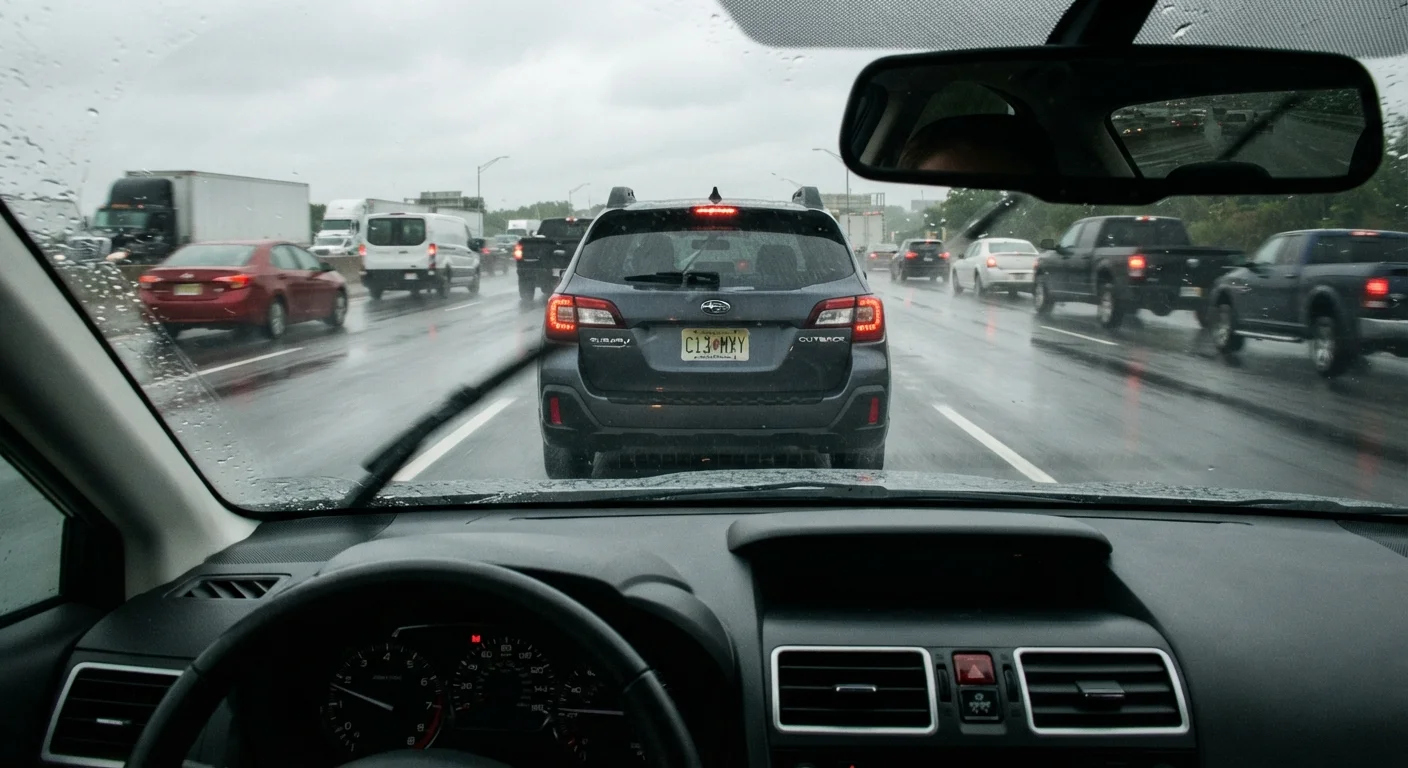
Weather and road condition compound the problem. Wet pavement can increase stopping distance by 50% or more. If you're already tailgating on dry roads, a sudden downpour turns a dangerous habit into a near-certainty of collision.
Mistakes Drivers Make Without Realizing It
Using car lengths instead of time to judge following distance.
Why it happens: Drivers were often taught to count car lengths, but this measure doesn't account for speed - two car lengths at 30 mph is very different from two car lengths at 65 mph.
Assuming brake lights give enough warning to stop in time.
Why it happens: Brake lights feel like a reliable signal, so drivers subconsciously trust them as their main safety net, underestimating how long their own reaction and braking will actually take.
Tailgating in good conditions and not adjusting for weather or road changes.
Why it happens: Drivers calibrate habits to typical conditions, then fail to consciously increase following distance when rain, fog, gravel, or reduced visibility enter the picture.
Closing the gap after a vehicle merges into your space.
Why it happens: Giving up a safety buffer can feel like losing something - drivers instinctively close back in, especially in heavy traffic where gaps feel like wasted space.
Following large vehicles - trucks, buses, SUVs - at the same distance as smaller cars.
Why it happens: Many drivers don't adjust their following distance based on the size or type of vehicle ahead, treating all traffic the same regardless of the sight-line differences large vehicles create.
Building a Safer Following Distance Habit
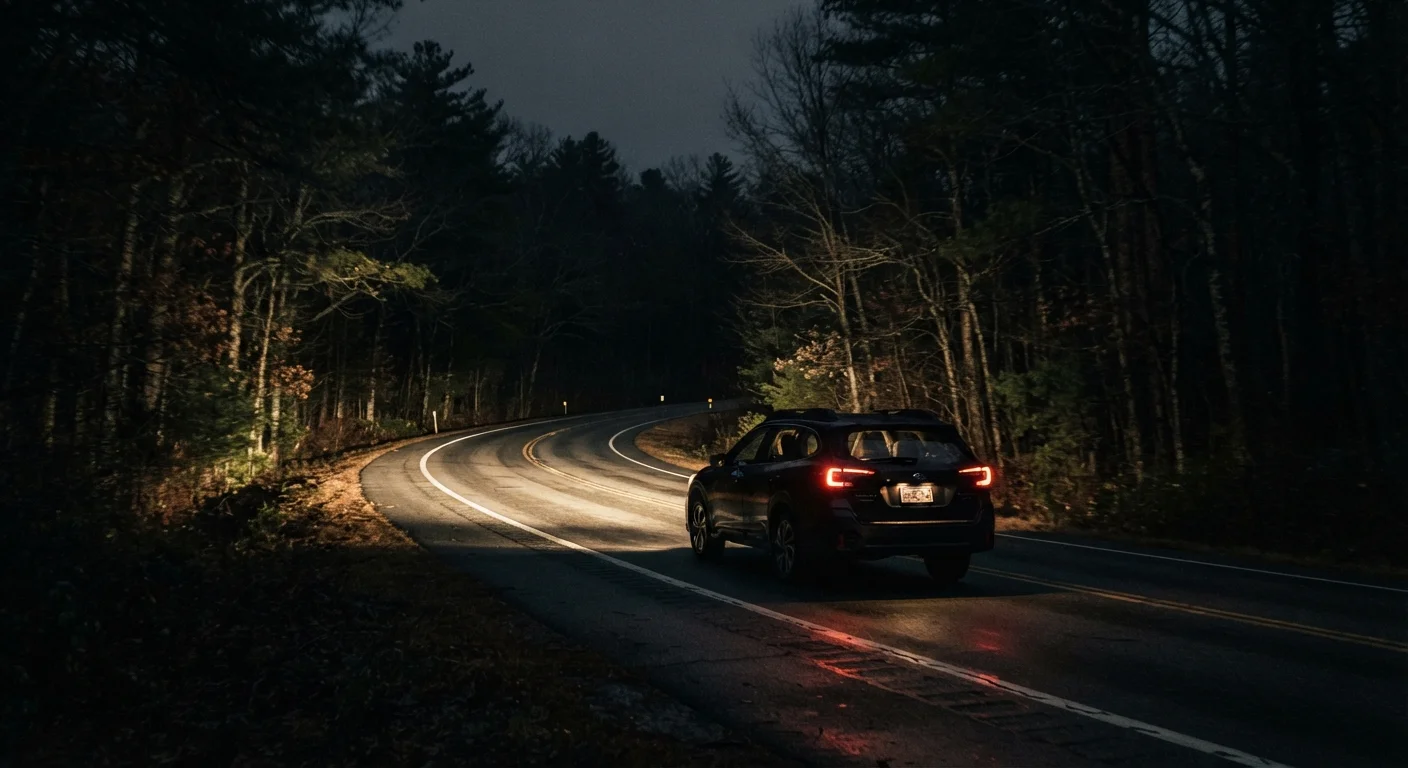
The three-second rule is the most practical baseline: pick a fixed roadside marker, watch when the vehicle ahead passes it, then count - one-thousand-one, one-thousand-two, one-thousand-three. If you reach the marker before you finish counting, you're too close. In adverse conditions - rain, snow, fog, heavy traffic, or night driving - extend that to four or five seconds minimum. Night driving shrinks your reaction margin further, making extra buffer essential after dark.
The Gap Feels Bigger Than It Is
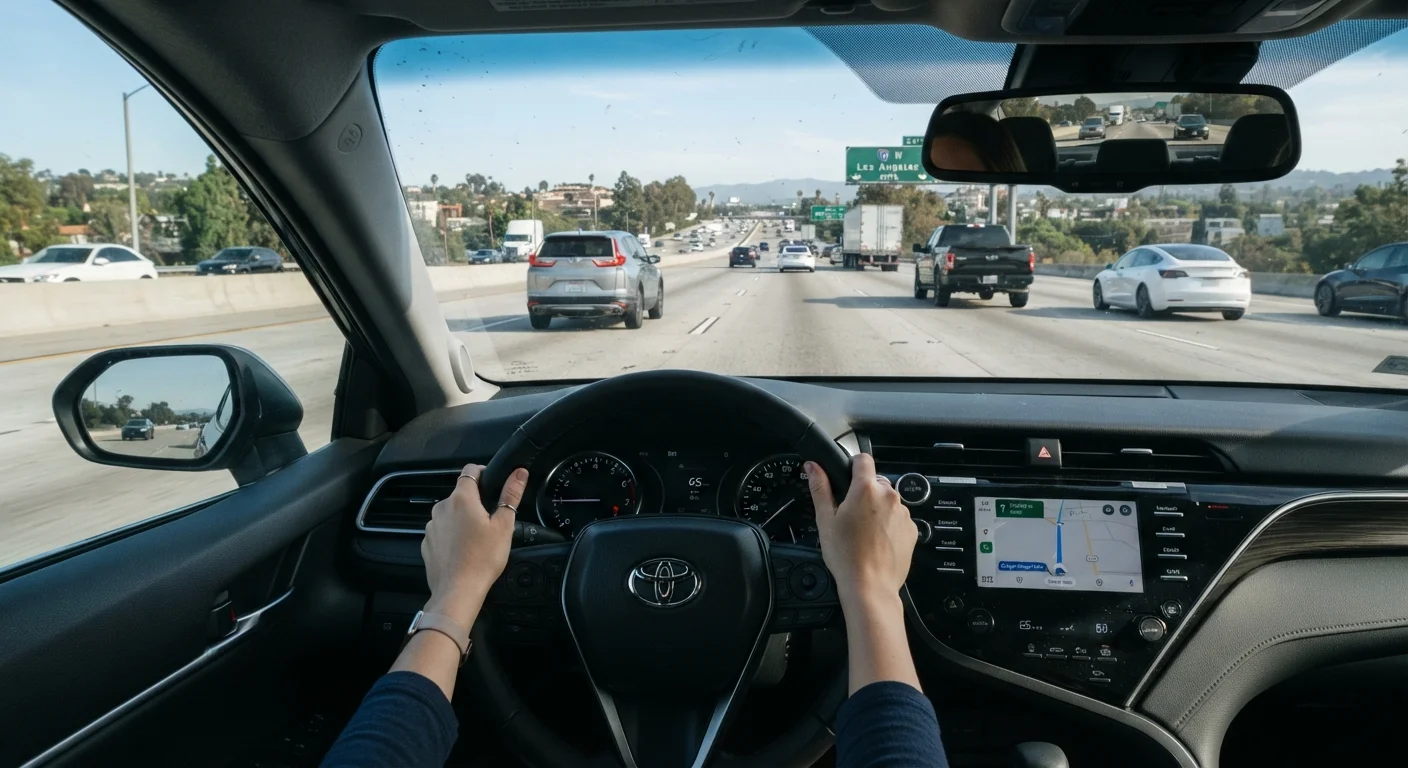
From inside the cabin, a three-second following gap looks enormous - it can feel socially uncomfortable in dense traffic. That discomfort is a product of habit, not reality. Research consistently shows drivers underestimate following distance when judging by eye alone. Trust the count, not your gut feeling about the size of the gap.
If another driver fills the gap when you back off, resist the urge to close it again. Matching their behavior only resets the danger. Let the gap rebuild naturally. This kind of patience is a core element of defensive driving practice - anticipating hazards rather than reacting to them at the last second.
Also consider what else is competing for your attention. Distraction takes many forms beyond the phone, and any divided attention makes an already thin following distance even more dangerous. Safe driving is a system - following distance, attention, and speed all work together.
This article is for general informational and educational purposes only. Always follow the traffic laws and posted guidelines applicable in your state or jurisdiction. Consult official driving resources or a certified driving instructor for personalized guidance.