The Distraction Problem Is Bigger Than Your Phone
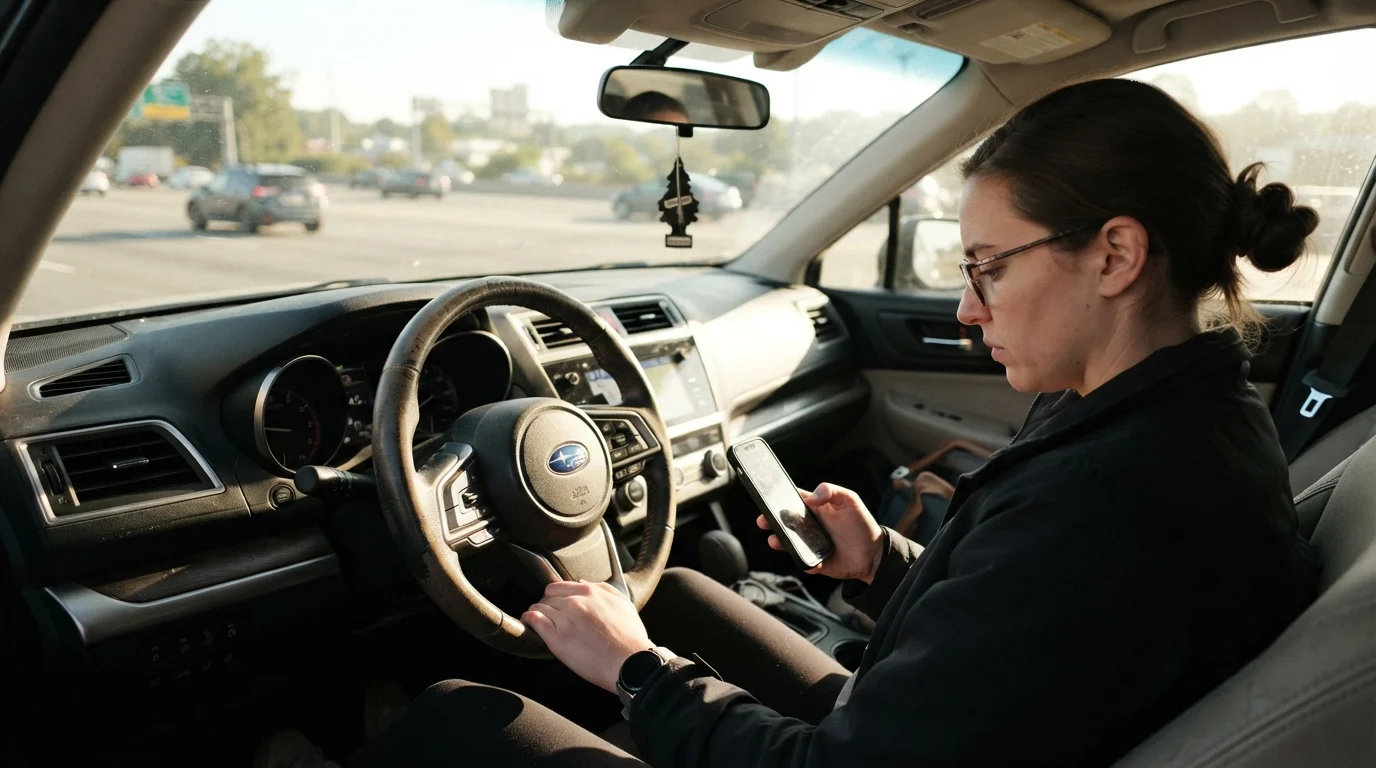
Every year, thousands of crashes are linked to distracted driving - and while smartphone use is the most-cited culprit, it's far from the only one. The National Highway Traffic Safety Administration (NHTSA) consistently identifies three categories of distraction: visual (eyes off the road), manual (hands off the wheel), and cognitive (mind off driving). Texting hits all three at once, which is why it's so dangerous - but plenty of everyday habits each hit one or two of those categories just as hard.
The fix isn't just putting your phone in the back seat. It's recognizing the full range of things that pull your attention and building habits to manage them. Here are the most common overlooked distractions and what you can realistically do about each one.
Eating and Drinking While Driving
Unwrapping a sandwich or reaching for a coffee cup takes at least one hand off the wheel and your eyes off the road for a second or two. That might not sound like much, but at 60 mph, two seconds covers roughly 175 feet - enough to miss a stopped car or a pedestrian stepping off a curb. Finish meals before you leave or pull over if hunger can't wait. Keep drinks in a cup holder, not in your hand.
At 60 mph, two seconds of inattention covers roughly 175 feet of road.
Adjusting the Radio, Climate Controls, or Navigation
Fiddling with an unfamiliar infotainment system can take your eyes off the road for four to five seconds - longer than a text message glance. Program your destination and set your preferred audio before you start moving. If you need to make a change mid-trip and it requires more than a single button press, pull over or wait for a red light.
Fiddling with infotainment can take your eyes off the road longer than reading a text.
Grooming - Applying Makeup, Fixing Hair, or Shaving
Grooming while driving is surprisingly common and consistently underestimated as a risk. It occupies both your hands and your visual attention, often for extended stretches. Leave ten extra minutes in the morning and finish grooming at home. If you're genuinely running late, a parking lot works fine - the road doesn't.
Grooming occupies both hands and eyes for far longer than most drivers realize.
Daydreaming and Cognitive Distraction
Cognitive distraction - when your mind simply wanders - is harder to self-monitor because it doesn't feel like distraction. Research has found that mind-wandering accounts for a substantial portion of attention-related crashes, often more than phone use. It tends to peak on familiar routes where the brain shifts into autopilot. On longer or routine drives, stay mentally active: scan mirrors regularly, check your speed, and narrate hazards in your head if that helps. For related risks on long stretches of highway, see our breakdown of highway versus city driving safety skills.
Mind-wandering on familiar routes can be as dangerous as looking at your phone.
Hands-Free Calls and Voice Commands
Many drivers assume that going hands-free eliminates distraction. It doesn't. Studies by the AAA Foundation for Traffic Safety have found that voice-based interactions - including calls and voice-activated commands - impose measurable cognitive load, slowing reaction times and narrowing attention. This doesn't mean you can never use hands-free features, but treat them as a reduced-risk option rather than a risk-free one. Keep calls brief and skip them entirely in heavy traffic, construction zones, or poor weather.
[note_callout]Hands-free calls still impose measurable cognitive load and slow your reaction time.
Reaching for Objects Inside the Car
Reaching into the back seat, digging through a bag, or picking something up off the floor means taking your eyes off the road and at least one hand off the wheel simultaneously. Keep essential items - sunglasses, toll money, a water bottle - within easy reach before you start driving. Anything that rolls under the seat can wait until you're parked. And if something falls while you're on the road, don't chase it - find a safe place to stop first.
Never reach into the back seat while moving - pull over and stop first.
Build Better Habits Before You Pull Out of the Driveway
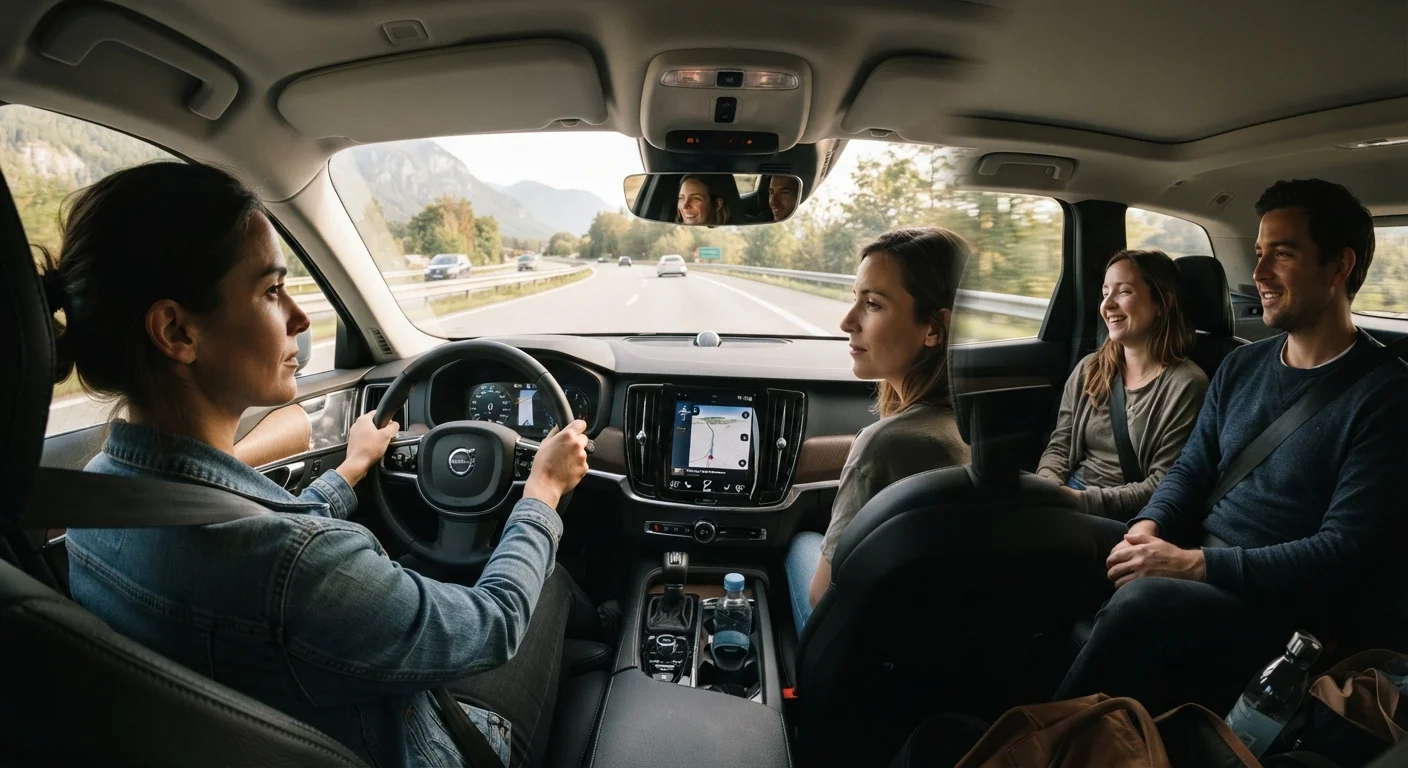
Most in-car distractions are predictable - which means they're preventable. A two-minute routine before you shift into drive covers a lot of ground: set your GPS, queue up your playlist, adjust mirrors, and stow anything on the passenger seat that you might reach for. If you're traveling with others, set clear expectations with your passengers before the trip starts - especially if teenagers are along for the ride.
Your Pre-Drive Two-Minute Routine
Before shifting into drive: set your GPS destination, select your audio, adjust mirrors and seat, and secure loose items. Silence non-urgent notifications. These small steps eliminate the most common reasons drivers reach for something or glance away mid-trip.
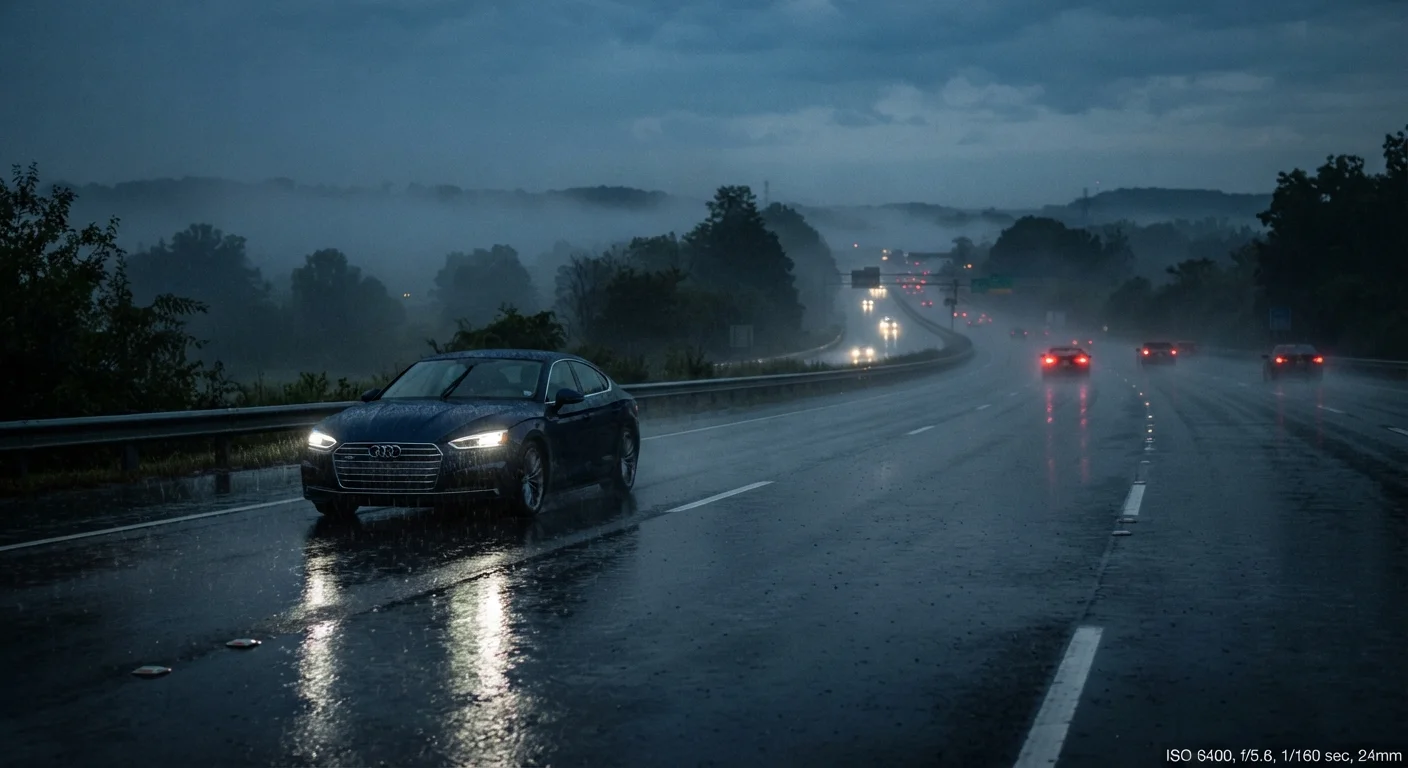
Distraction also compounds with other risk factors. Reduced visibility in bad weather leaves even less margin for a wandering mind - see how to adapt in our guide to driving in rain, snow, and fog. And if you're already tired, cognitive distraction hits harder; recognizing fatigue early is just as critical as managing in-car distractions.
This article is for general informational and educational purposes only. Always follow applicable traffic laws and consult official road safety resources for guidance specific to your jurisdiction.