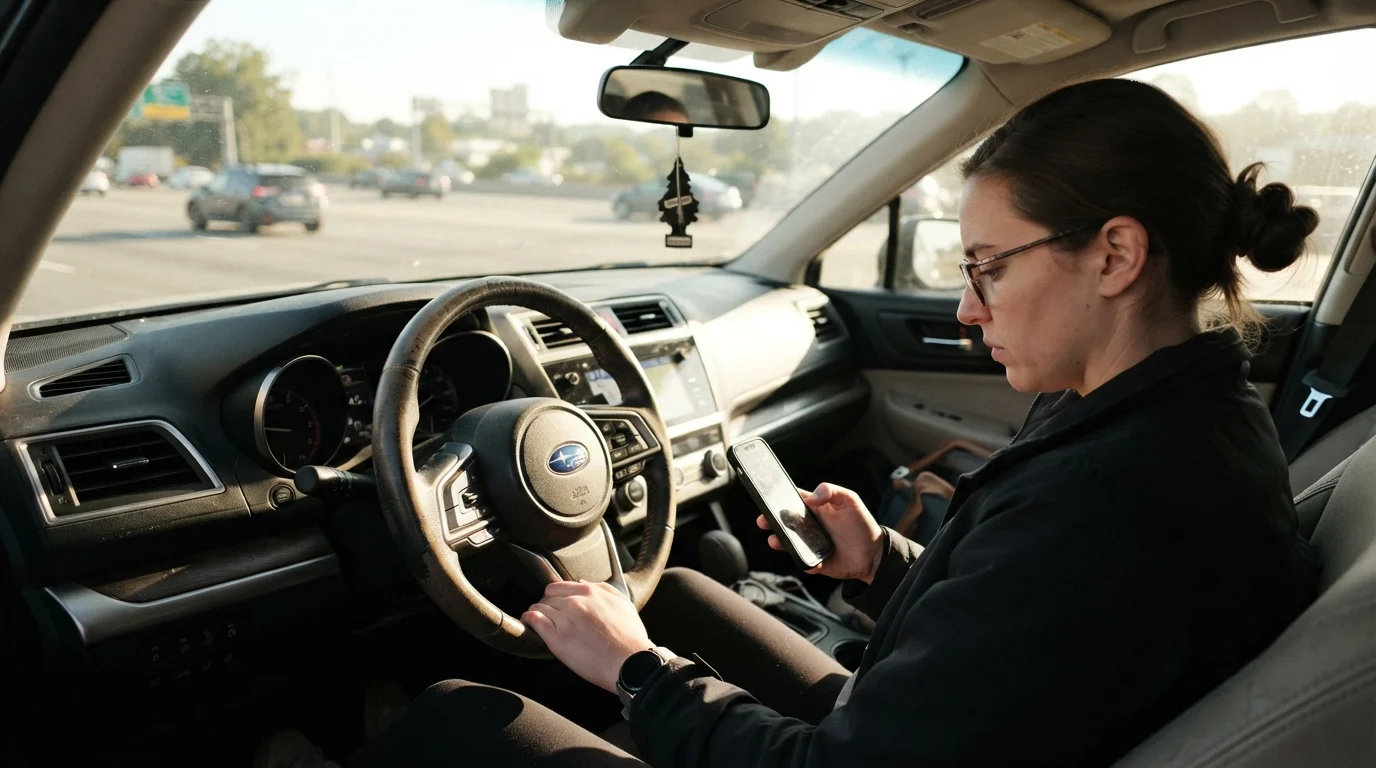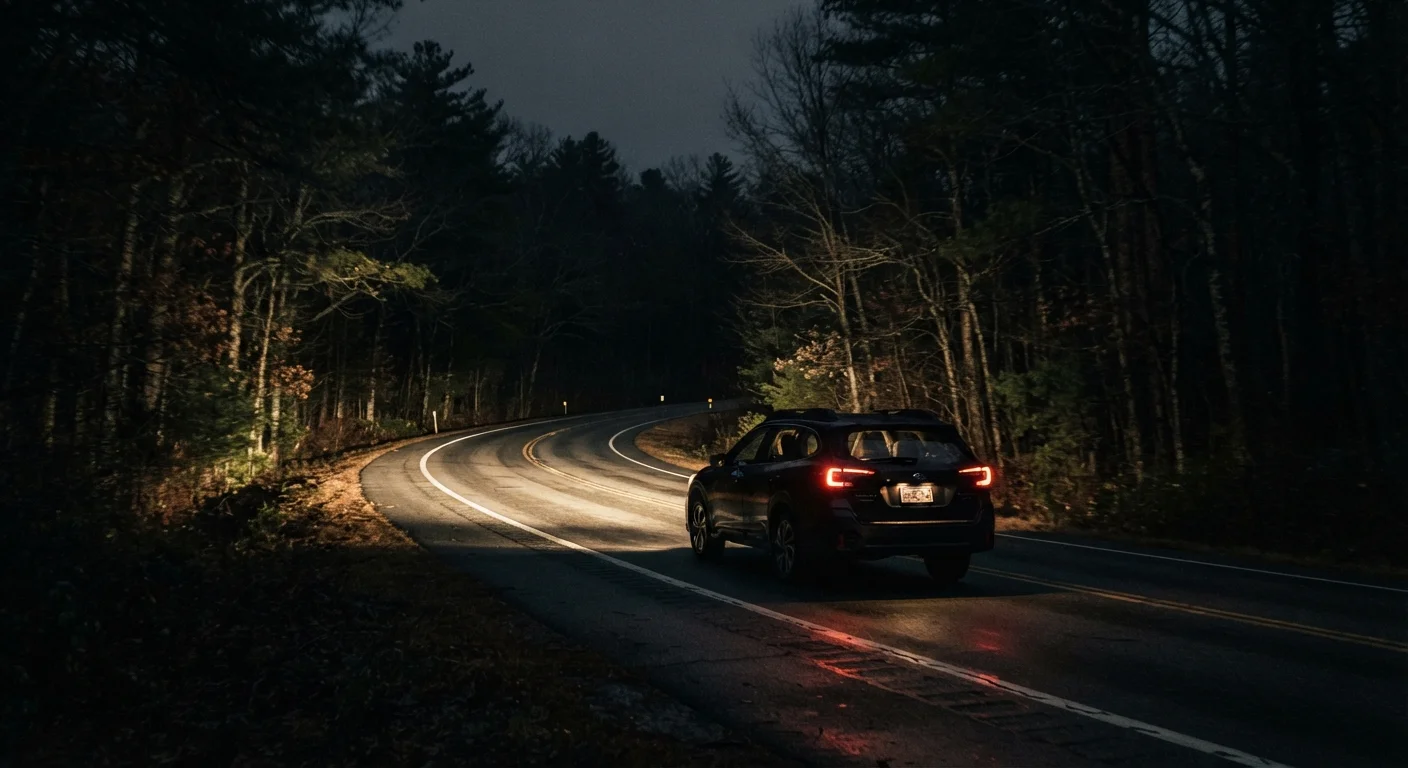

Why Fatigue Is a Driving Hazard, Not Just Discomfort
Most drivers treat tiredness as something to push through - a minor inconvenience on a long drive. That framing is dangerous. Fatigue degrades the same cognitive functions that safe driving depends on: attention, reaction time, hazard recognition, and decision-making. The impairment is real, measurable, and cumulative.
The NHTSA estimates that drowsy driving is a factor in thousands of fatal crashes each year in the United States, though experts note the actual number is likely undercounted because law enforcement has no field test for fatigue equivalent to a breathalyzer. Unlike distraction - which you can correct by putting the phone down - fatigue cannot be overridden by willpower alone. See how fatigue compares to other often-overlooked attention hazards behind the wheel.
1 in 25
U.S. adult drivers who report falling asleep at the wheel in the past month
According to the CDC, this self-reported figure likely underestimates actual incidence due to the unconscious nature of microsleep.
18 hrs
Awake time equivalent to a 0.05% blood alcohol level
Research cited by the NHTSA indicates that 18 hours of continuous wakefulness produces driving impairment comparable to a measurable BAC.
500 ft
Distance traveled at 65 mph during a 5-second microsleep
At highway speeds, a brief lapse in consciousness covers roughly the length of a football field and a half with zero driver input.
The Warning Signs - Early, Middle, and Late Stage
Drowsiness rarely arrives all at once. It builds in stages, and identifying the earlier signs gives you more time to act safely.
Early Warning Signs
- Yawning repeatedly - more than once every few minutes
- Eyes that feel heavy or difficult to keep fully open
- Difficulty maintaining focus on the road ahead
- Missing an exit, sign, or turn you would normally catch
- Mild irritability or restlessness without a clear reason
Mid-Stage Signs
- Head nodding forward and snapping back
- Drifting slightly out of your lane, then correcting
- Tailgating unintentionally because you're slow to respond to traffic flow
- Trouble remembering the last several miles you drove
Late-Stage Signs - Stop Immediately
- Drifting across lane markings repeatedly
- Running over rumble strips on the shoulder
- Experiencing brief visual gaps or "blackouts" in memory
If you've reached the late-stage signs, you are already in a dangerous situation. Signal, slow down, and pull off the road at the very next safe opportunity.
Use the Nap-and-Caffeine Combination
Before a rest break, drink a cup of coffee or another caffeinated beverage, then set a 20-minute alarm and close your eyes. Caffeine takes about 20-30 minutes to absorb, so you wake up as it begins working - a one-two effect that research has found more effective than napping or caffeine alone. This approach only works as a short-term measure; it does not substitute for a full night's sleep before a long drive.
What Actually Works - and What Doesn't
A number of common coping strategies give drivers false confidence without adequately addressing fatigue.
Strategies with limited effectiveness
- Rolling down the windows
- The temporary sensory jolt fades within minutes and does not restore alertness.
- Turning up the radio
- Sound stimulation does not substitute for restorative sleep and provides minimal cognitive benefit.
- Pushing through to "just get home"
- This is the rationalization most commonly reported in drowsy-driving incidents. The urge to complete the trip overrides the brain's danger signals.
Strategies that genuinely help
- Pulling over and resting
- A 20-minute nap at a rest stop or well-lit parking area is the single most effective remedy. Set a phone alarm so you don't oversleep and wake up groggy.
- Caffeine with a rest break
- Drinking a cup of coffee and then taking a short nap while the caffeine takes effect (roughly 20-30 minutes) has been shown to improve alertness more than either strategy alone.
- Switching drivers
- If you have a second licensed driver available, rotate every two hours on long trips.
Planning ahead is more effective than any in-car remedy. The pre-trip check habit that experienced drivers build extends to sleep: if you're starting a long drive on fewer than six hours of rest, consider rescheduling or planning an overnight stop.
Sleep Disorders and Driving Risk
Conditions like obstructive sleep apnea can cause excessive daytime sleepiness even after a full night in bed, significantly elevating crash risk. If you find yourself routinely fighting fatigue on daily drives despite adequate sleep hours, it's worth discussing with a healthcare provider. Some states also have reporting requirements for certain diagnosed sleep conditions that affect driving safety.
High-Risk Times, Routes, and Drivers
Fatigue doesn't affect all driving situations equally. Understanding when and who is most at risk helps you apply caution where it matters most.
Highest-risk time windows
- Midnight to 6 a.m. - The body's circadian rhythm is at its lowest ebb. This window accounts for a disproportionate share of single-vehicle drowsy-driving crashes.
- 1 p.m. to 3 p.m. - A natural afternoon dip in alertness occurs even in well-rested individuals.
High-risk route types
Long, monotonous highways and rural two-lane roads are especially dangerous when fatigued. Low visual stimulation and minimal traffic reduce the sensory cues that help keep a driver alert. The same applies at night - reduced visibility compounds fatigue risk significantly, which is why the habits covered in our guide to night driving risk reduction are doubly relevant after dark.
Higher-risk driver profiles
- Shift workers, especially those rotating between day and night shifts
- Commercial drivers on long-haul routes
- Young drivers aged 16-24, who are overrepresented in drowsy-driving crashes despite often perceiving themselves as resilient to fatigue
- Anyone with an undiagnosed or untreated sleep disorder such as sleep apnea
This article provides general safety information for educational purposes. It is not a substitute for professional driving instruction or medical advice regarding sleep disorders. If you suspect you have a sleep condition affecting your driving, consult a qualified healthcare provider.