Why Night Driving Is Disproportionately Dangerous
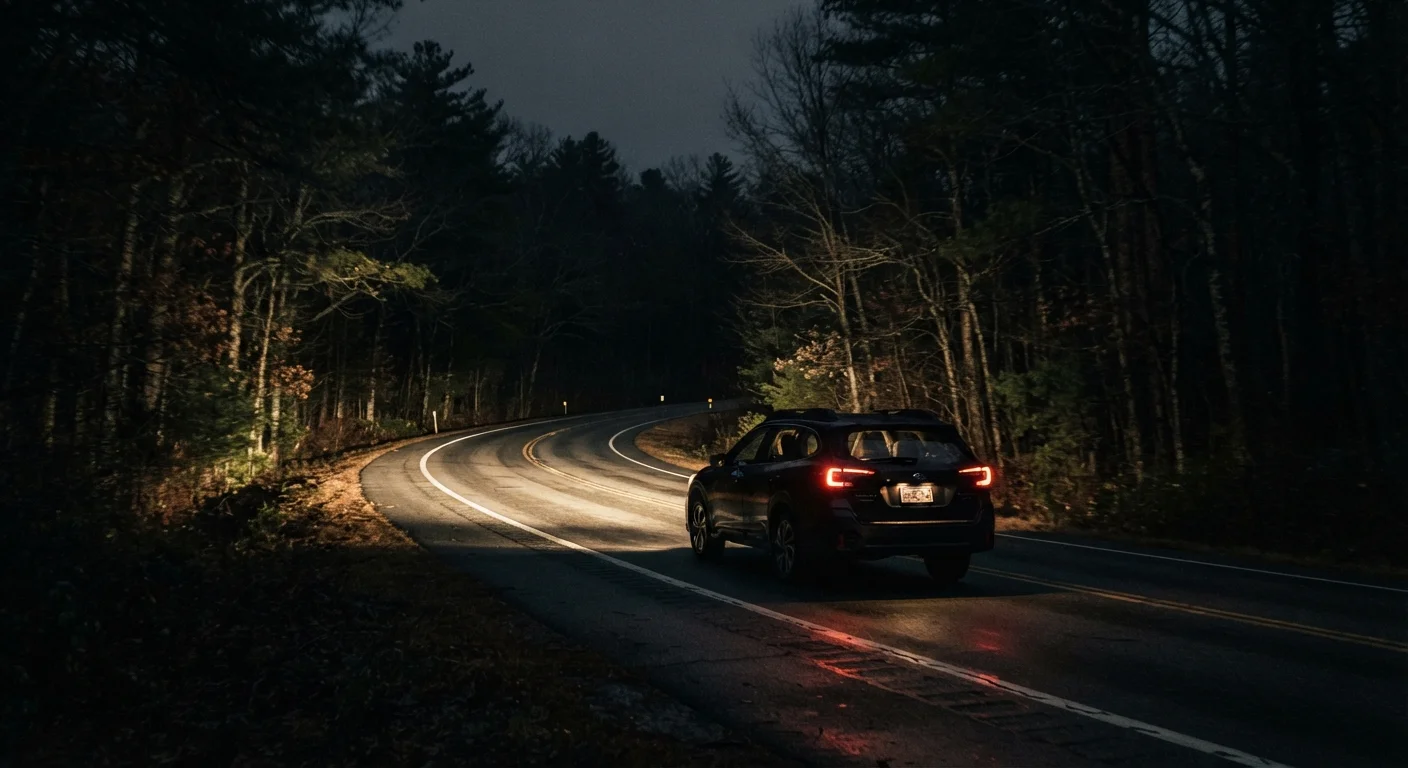
Night driving accounts for roughly half of all traffic fatalities in the U.S., even though most driving happens during daylight hours. The core problem is visibility: human eyes adapt slowly to darkness, depth perception weakens, and peripheral vision narrows significantly. Add in the glare of oncoming headlights and the presence of impaired or fatigued drivers - both statistically more common after dark - and the risk profile changes substantially.
Low-light conditions also affect how quickly drivers can identify hazards. A pedestrian in dark clothing may not appear in your headlight beam until they're less than 100 feet away. At 55 mph, you're covering roughly 80 feet per second, leaving almost no margin. This isn't a reason to avoid night driving - it's a reason to approach it with deliberate habits.
~50%
Of fatal crashes occur at night
According to NHTSA data, roughly half of all U.S. traffic fatalities occur in darkness despite nighttime accounting for a minority of total driving miles.
3x
Higher pedestrian fatality risk after dark
The NHTSA reports pedestrian deaths are approximately three times more likely to occur at night than during daylight hours, largely due to visibility limitations.
Headlights: The Tool Most Drivers Under-Use
Your headlights are your primary night safety tool, yet many drivers never inspect or adjust them. Misaligned headlights - which can drift over time from minor impacts or suspension wear - can reduce effective illumination by significant distances without the driver noticing. Dirty lenses, which are common on older vehicles, scatter light rather than projecting it forward.
Practical steps: Clean foggy plastic headlight lenses with a restoration kit (widely available and inexpensive). Check that both low beams project evenly and aren't angled into oncoming traffic or down at the pavement. On unlit rural highways, use high beams consistently - but switch to low beams immediately when you see oncoming traffic or approach vehicles from behind. Many drivers underuse high beams out of habit rather than judgment. For more on how mirror positioning and vehicle visibility systems interact, see our guide to blind spots and mirrors.
When to Use High Beams - and When Not To
High beams roughly double your forward visibility compared to low beams on dark roads. Use them on unlit highways whenever there's no oncoming traffic and you're not following another vehicle closely. Flip back to low beams when traffic appears - failing to do so temporarily blinds oncoming drivers, which is both dangerous and illegal in most states.
Speed, Following Distance, and Stopping Reality
Speed and stopping distance have an exponential relationship - doubling your speed roughly quadruples stopping distance. At night, when hazard identification is delayed, this math becomes more punishing. The concept of overdriving your headlights describes the situation where your vehicle cannot stop within the distance your lights illuminate. At 60 mph on low beams, most vehicles are overdriving their headlights.
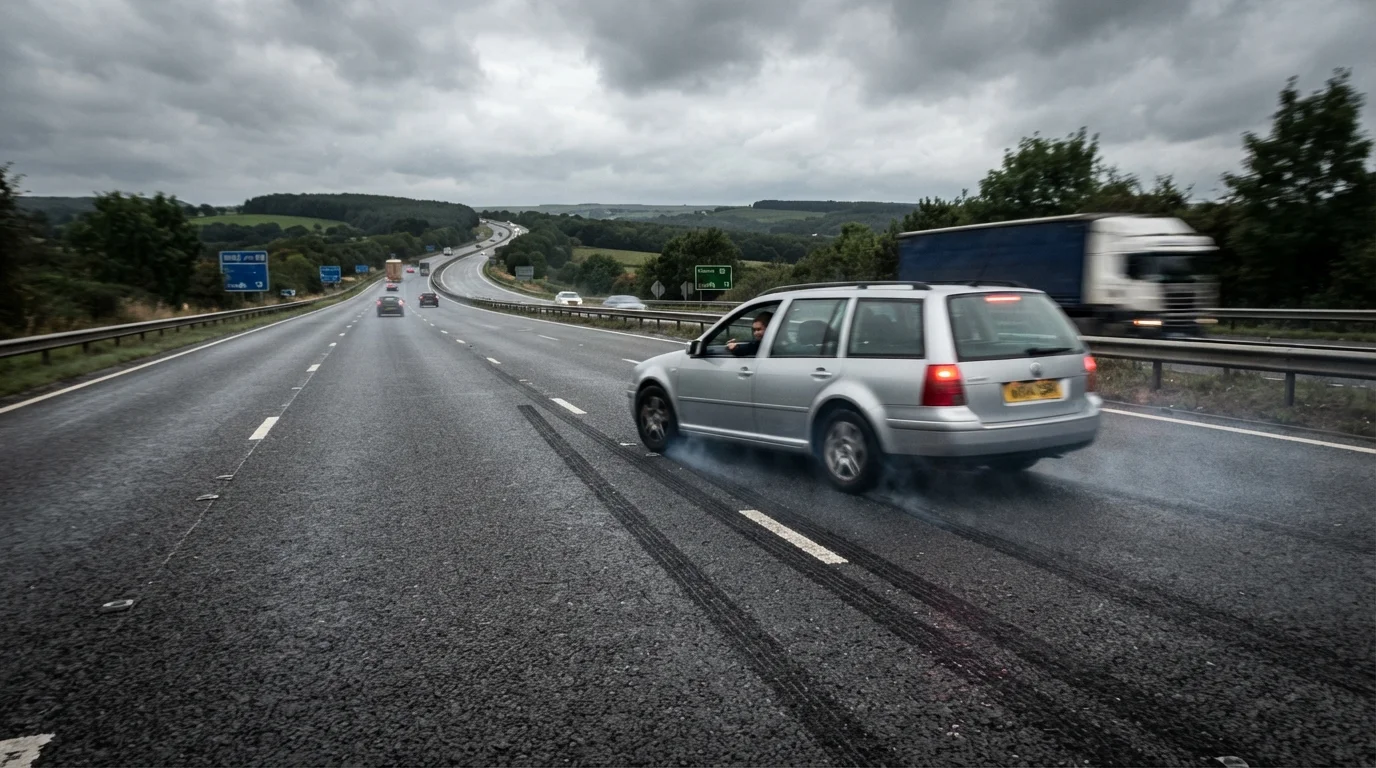
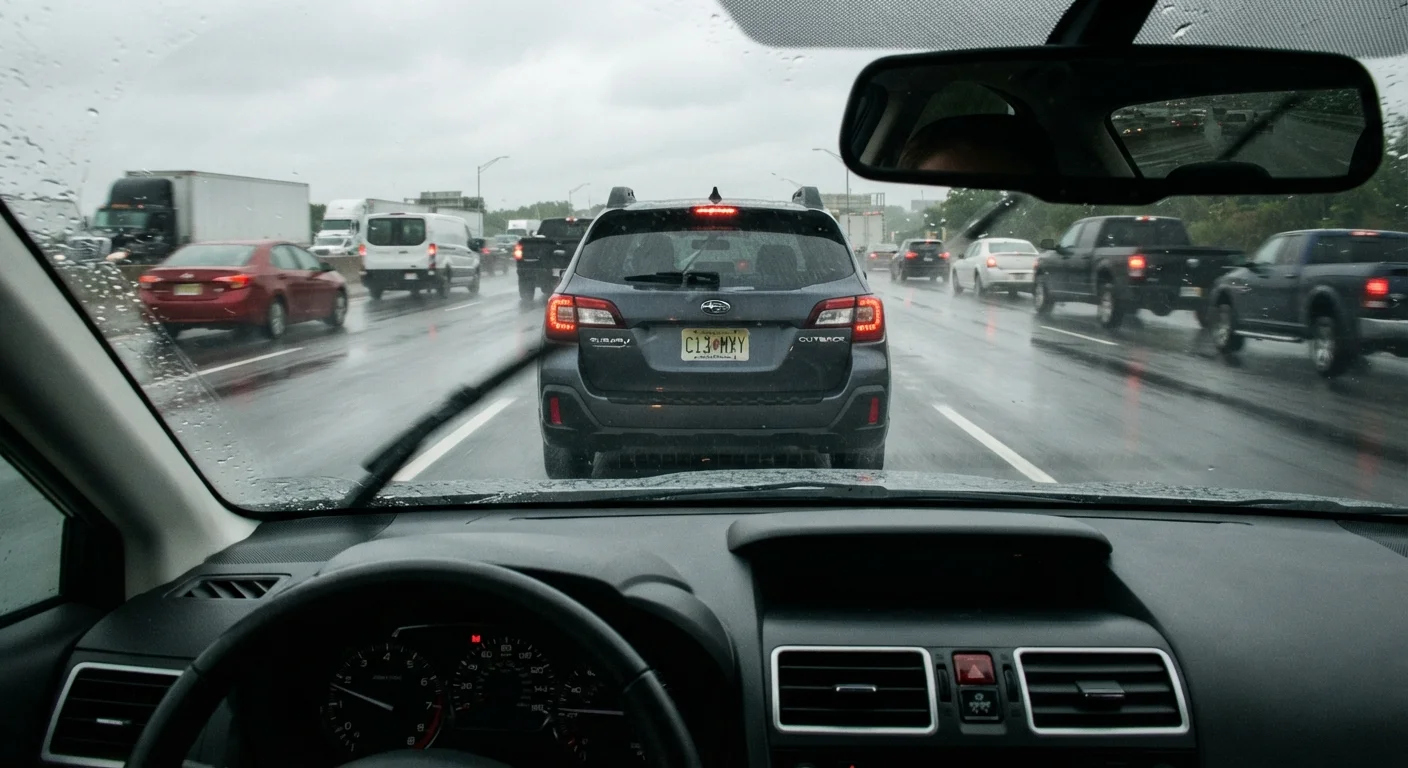
The practical correction is twofold: reduce speed moderately on unlit roads and increase following distance. The standard three-second gap recommended for daytime driving should extend to four or five seconds after dark. The stopping distance problem most drivers underestimate explains why speed-distance assumptions catch drivers off guard. And if you tend to follow closely in general, tailgating is more dangerous than most drivers realize - especially when visibility is limited.
Fatigue and Impairment: The Hidden Night Hazards
Driver fatigue is strongly correlated with nighttime hours. The body's circadian rhythm creates natural dips in alertness between midnight and 6 a.m. and again in mid-afternoon. Driving during those windows - especially after a long day - significantly elevates risk. Studies from the National Highway Traffic Safety Administration (NHTSA) consistently identify drowsy driving as a factor in thousands of annual fatalities.
Know your warning signs before they escalate: frequent blinking, difficulty maintaining lane position, and missing exits are all early indicators. If you notice them, pulling over and resting is more effective than any caffeine workaround for extended alertness. For a full breakdown of how to spot and respond to fatigue, see Fatigue at the Wheel.
Pre-Drive Habits That Pay Off After Dark
Many night driving risks can be reduced before you ever turn the key. A brief inspection before a night trip takes under five minutes and pays dividends in actual safety margin.
Clean your windshield - inside and out - before night trips.
Interior film on windshields scatters oncoming headlight glare dramatically, creating distracting halos that reduce your ability to see clearly. This buildup is easy to ignore during the day but becomes a significant hazard at night.
Dim your dashboard and instrument panel lighting.
Bright interior lights impair your eyes' adaptation to darkness, reducing the range at which you can detect objects outside the car. Modern vehicles allow dashboard brightness adjustment - use it.
Confirm your headlights, taillights, and brake lights are all functioning.
Burned-out bulbs are easy to miss because you're inside the vehicle. A non-functioning taillight makes you significantly less visible to drivers behind you, raising rear-end collision risk.
Plan routes on well-lit roads when practical for unfamiliar destinations.
Unfamiliar road geometry combined with poor lighting is a higher-risk combination than either factor alone. Street lighting dramatically improves hazard detection and reduces navigational stress.
Night driving shares risk factors with adverse weather conditions - reduced visibility, longer reaction times, and less forgiving margins. If you regularly drive in challenging conditions, adjusting your habits for rain, snow, and fog addresses how those environments stack onto the baseline night-driving challenges.