Why Speed and Stopping Distance Don't Scale the Way You Think
Most drivers have an intuitive but incorrect mental model of stopping distance: if 30 mph takes X feet to stop, then 60 mph takes roughly 2X. That would be true if braking were a linear process - but it isn't.
The physics behind it involves kinetic energy, which grows with the square of velocity. When you double your speed, kinetic energy quadruples. Your brakes need to dissipate all of that energy to bring the car to rest. The result: stopping distance at 60 mph is roughly four times longer than at 30 mph, not twice.
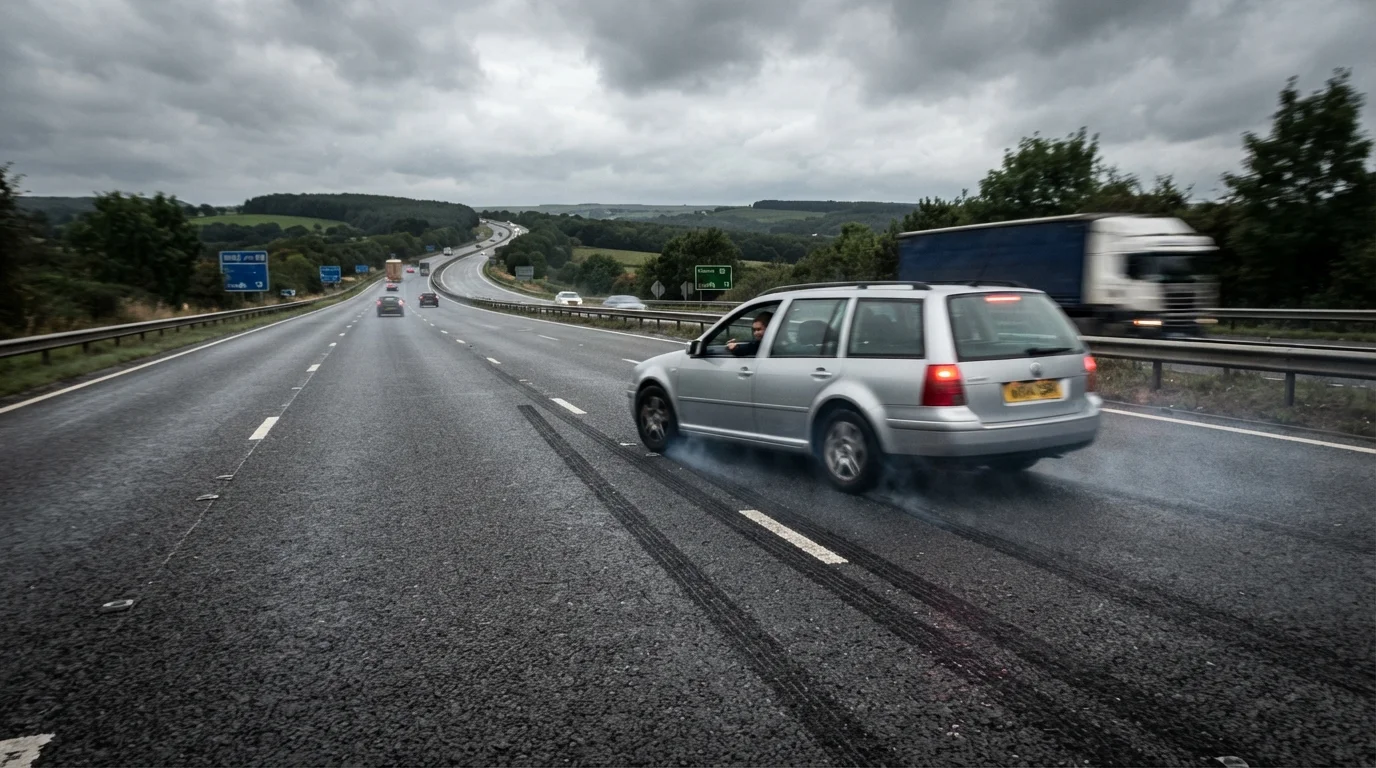
A commonly cited reference point from traffic safety research: at 30 mph, a typical vehicle stops in approximately 75 feet under dry conditions. At 60 mph, that figure climbs to around 240-300 feet. At 70 mph, it can exceed 350 feet. These aren't edge-case numbers - they're baseline estimates for an alert driver on dry pavement with well-maintained brakes and tires.
4×
Braking distance increase when speed doubles
Kinetic energy - what brakes must overcome - scales with the square of velocity, making higher speeds disproportionately dangerous.
~110 ft
Distance traveled during reaction time at 50 mph
Based on an average 1.5-second reaction time, a vehicle at 50 mph covers significant ground before braking begins.
50%+
Braking distance increase on wet pavement
Traffic safety research consistently finds wet roads extend stopping distances substantially compared to dry conditions.
The Two Components Drivers Often Conflate
Total stopping distance has two distinct parts, and confusing them leads drivers to underestimate how much space they actually need.
Reaction Distance
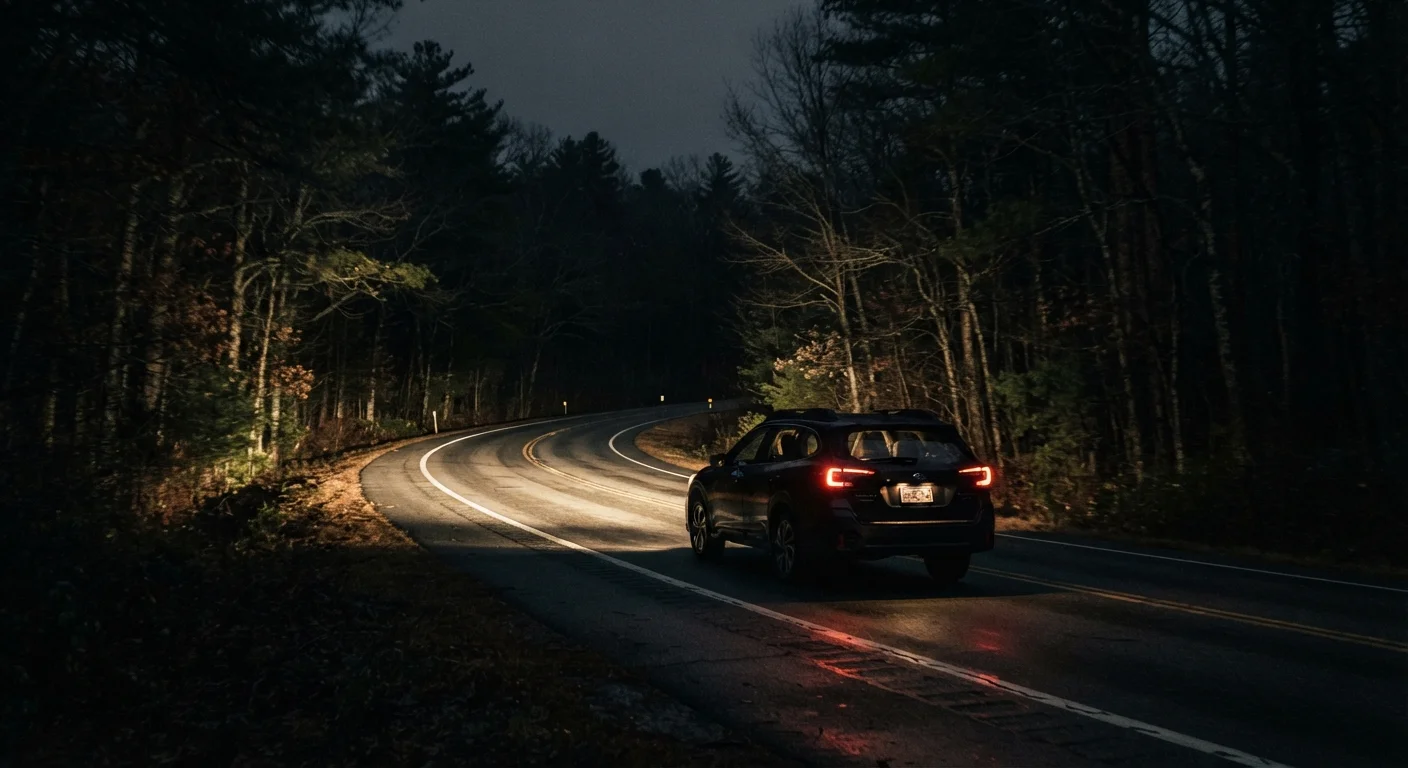
This is how far your car travels between the moment you perceive a hazard and the moment your foot actually depresses the brake pedal. At highway speeds, an average reaction time of 1.5 seconds means your car covers roughly 110 feet before braking even starts. Fatigue, distraction, or impairment push that figure higher. Night driving conditions can further compress your margin because hazards appear with less warning.
Braking Distance
This is the distance covered while the brakes are actively slowing the vehicle. This portion is where the exponential relationship bites hardest. Braking distance is affected by speed, road surface, tire condition, brake condition, and vehicle weight. Combined with reaction distance, the total gap needed in an emergency is almost always longer than drivers assume.
Use a Fixed Marker to Check Your Following Gap
Choose a stationary object - a sign, overpass, or road marking. When the vehicle ahead passes it, count 'one-one-thousand, two-one-thousand, three-one-thousand.' You should not reach that marker before finishing the count. If you do, you're following too closely. Increase your gap and recheck until the habit feels natural.
Conditions That Stretch the Numbers Even Further
The figures above assume ideal conditions. Real-world driving rarely delivers those. Several common factors extend stopping distance well beyond baseline:
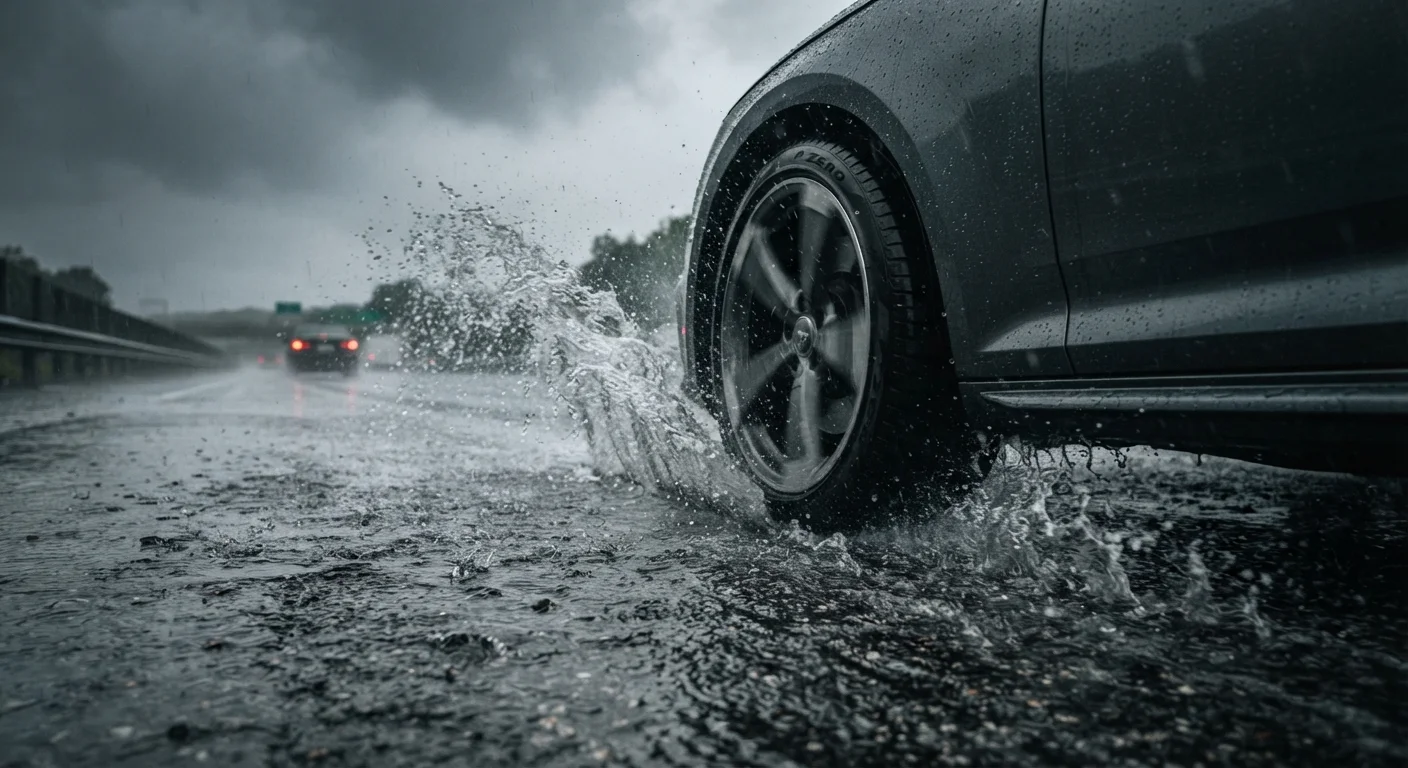
- Wet or slick roads: Water reduces tire grip substantially. Wet road handling can extend braking distance by 50% or more, and hydroplaning can cause brakes to be nearly ineffective temporarily.
- Worn tires: Tread depth directly affects how well tires grip the road. A tire near the wear indicator provides meaningfully less stopping grip than a new tire, particularly on wet pavement.
- Distraction: Looking at a phone for 2 seconds at 55 mph means traveling the length of a basketball court without perceiving your surroundings. This extends effective reaction time dramatically.
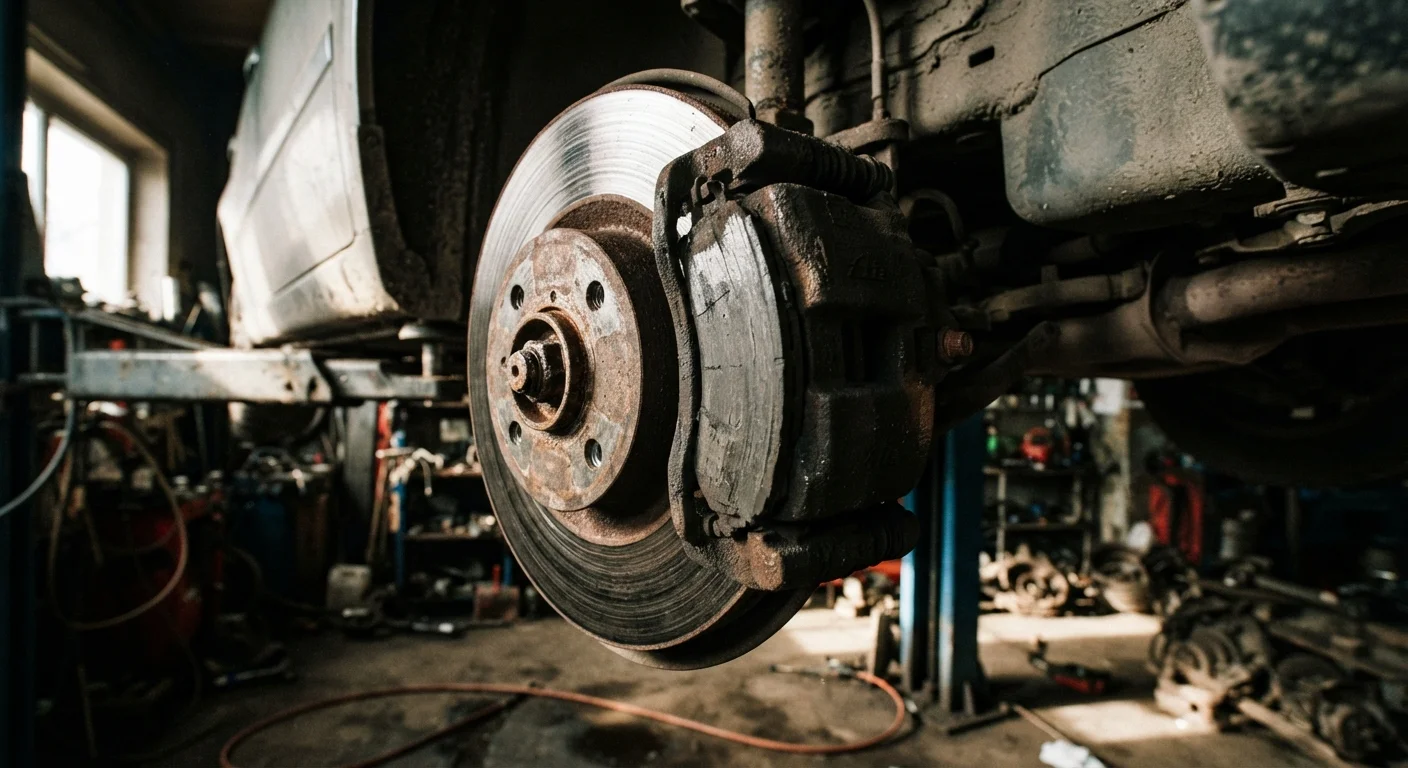
- Brake condition: Degraded brake pads or overheated brakes from repeated hard stops reduce braking force. Hard braking habits accelerate wear over time, quietly reducing the system's peak performance.
Following distance should be adjusted any time conditions deviate from ideal. The standard 3-second rule is a minimum - under rain, highway speeds, or fatigue, safety researchers and traffic authorities generally recommend 5-6 seconds or more. Tailgating risks are compounded precisely because drivers underestimate how much distance a true emergency stop requires.
Stopping Distance Varies by Vehicle Type
Heavier vehicles - trucks, SUVs, and vehicles towing trailers - generally require longer stopping distances than lighter passenger cars traveling at the same speed. If you recently switched vehicle types, your learned sense of following distance from a previous car may no longer be accurate. Recalibrate accordingly.
Practical Adjustments You Can Make Today
Understanding the physics is useful only if it changes behavior. A few straightforward habits meaningfully reduce stopping-distance risk:
- Count your following gap actively. Most drivers follow by feel, which is consistently too close. Pick a road marker, wait for the car ahead to pass it, and count seconds until you reach it. Adjust until 3-4 seconds becomes automatic - more in adverse conditions.
- Reduce speed before curves and intersections. Braking while turning divides grip between lateral and longitudinal forces, reducing stopping effectiveness. Slow down before the curve, not during it.
- Inspect tires regularly. A quick check of tread depth and inflation takes under two minutes. Both affect stopping distance directly and significantly.
- Anticipate rather than react. Scanning ahead 12-15 seconds allows earlier, gentler braking - which is both safer and easier on brake components. Common road safety myths often involve overconfidence in reaction ability, which anticipation habits help counteract.
The gap between where most drivers think they can stop and where they actually stop is real, measurable, and worth taking seriously. The physics don't negotiate.