Why Each Weather Condition Demands a Different Response
Rain, snow, and fog all reduce your safety margins - but they do so in different ways, and the corrections that help in one condition can actually hurt in another. High beams cut through light rain but create a blinding wall in fog. Speed that's borderline acceptable on wet pavement can be outright dangerous on black ice. Treating all bad weather the same is one of the most common mistakes everyday drivers make.
The adjustments covered here work because they're matched to the specific physics of each condition. Your vehicle's handling on wet roads changes because water reduces friction between your tires and the asphalt. Snow and ice take that further. Fog removes the visual information you rely on to judge speed and distance. Each problem requires a targeted fix. What wet roads do to your car's handling explains the underlying physics in plain terms - useful context before driving in rain.
What you will need
The steps below address each condition in sequence. Work through the vehicle prep step regardless of which weather you're facing - a car with worn wipers or low tire tread limits how effective every other adjustment will be. You can find broader vehicle upkeep guidance in the car maintenance hub.
Winter or All-Season Tires
Provide grip on snow and ice that all-season tires alone often cannot match in severe conditions.
Windshield Wiper Blades
Clear rain, snow, and road spray from your line of sight - worn blades smear instead of clear.
Windshield Defrost / Defroster
Eliminate interior fogging and exterior ice buildup that block visibility before and during a drive.
Ice Scraper and Snow Brush
Remove snow and ice from all windows, mirrors, and lights before driving in winter conditions.
Emergency Kit (blanket, jumper cables, flashlight)
Provides essentials if you become stranded in severe weather conditions.
Step-by-Step: Adjusting for Rain, Snow, and Fog
Prepare your vehicle before you leave
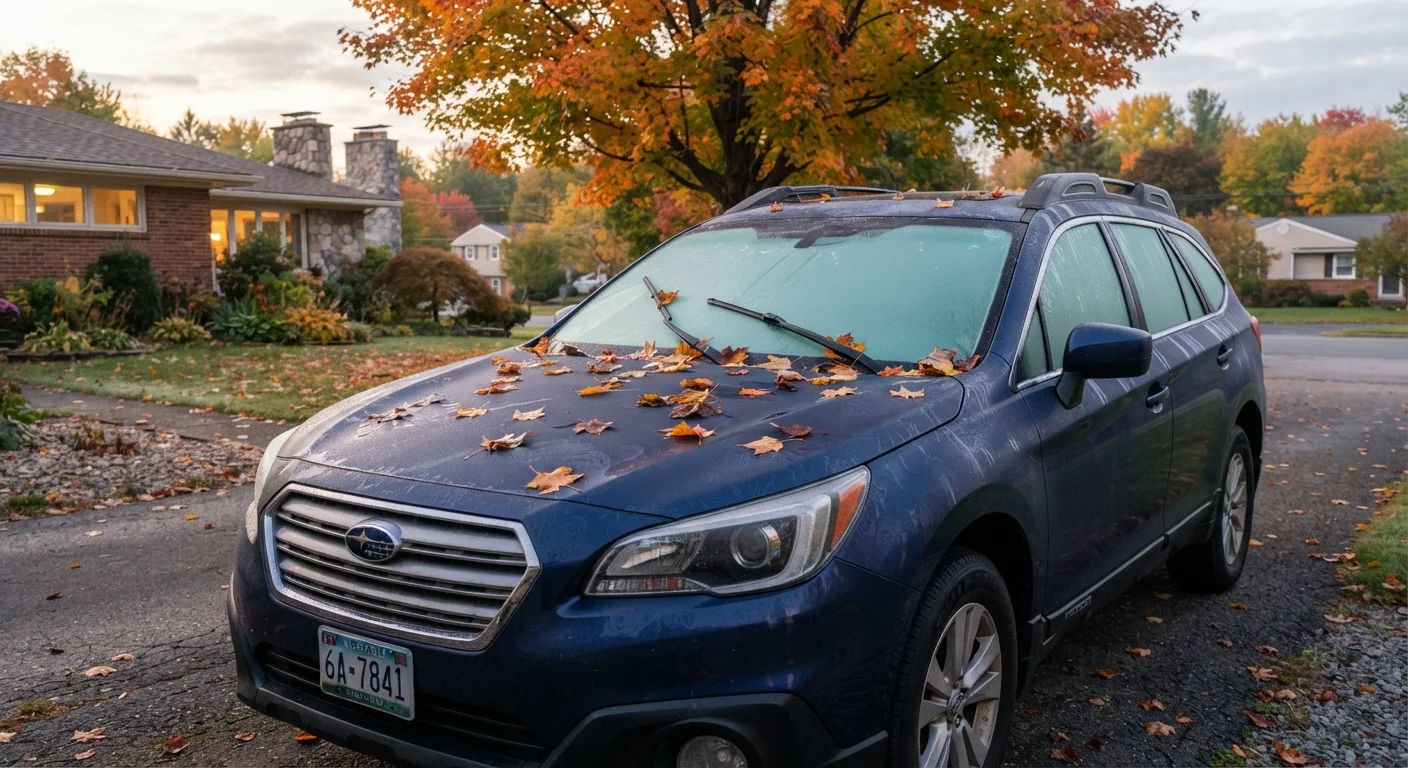
Weather doesn't start at the road - it starts in your driveway. Clear all snow or ice from every window, mirror, hood, and roof before driving. Confirm your wipers, headlights, and defrosters are working. Check your tire pressure, since cold temperatures drop psi noticeably. A vehicle in poor mechanical shape amplifies every weather risk. See the seasonal car maintenance checklist for a full pre-weather prep routine.
Adjust your speed for rain
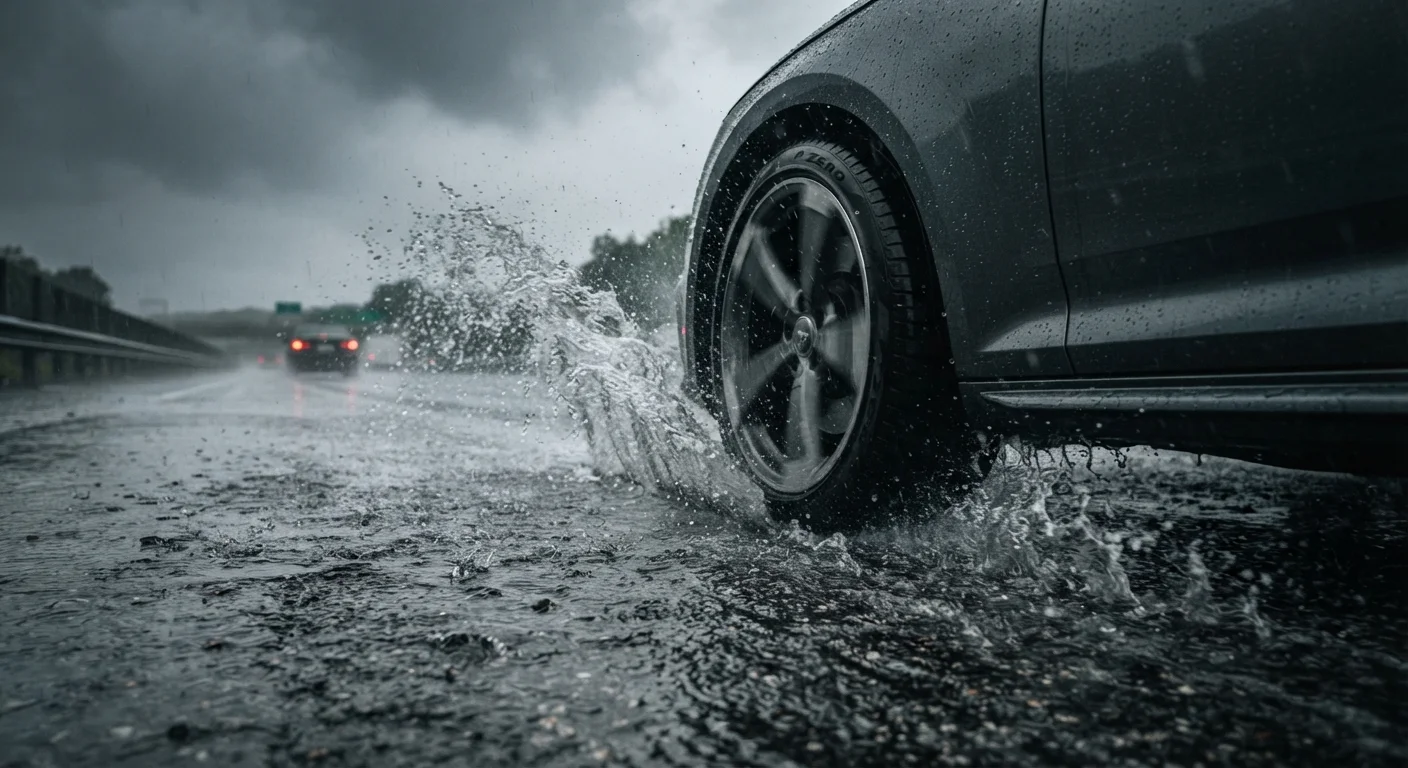
Wet pavement reduces tire grip significantly. Reduce your speed by at least 5-10 mph below the posted limit in steady rain, and more in heavy downpours. Increase your following distance to at least 4 seconds instead of the standard 3. If you feel the steering go light or the vehicle begin to drift - signs of hydroplaning - ease off the throttle gradually and steer gently in the direction you want to go. Do not brake hard. Understanding what happens to handling on wet roads helps you anticipate these moments rather than react to them in panic.
Adapt your technique for snow and ice
Ice and packed snow are fundamentally different from rain - friction drops to a fraction of dry-road levels. The core rule: make every input smooth and gradual. Accelerate gently to avoid wheelspin. Brake earlier and softer than you think necessary. Steer with small, deliberate movements. If your vehicle begins to skid, steer in the direction you want the front of the car to go and resist the instinct to stomp the brakes. On downhill grades, use a lower gear to let engine braking do the work instead of relying solely on your brakes. Black ice - a thin, nearly invisible glaze - is most common on bridges, overpasses, and shaded road sections even when the surrounding pavement looks clear.
Navigate fog safely
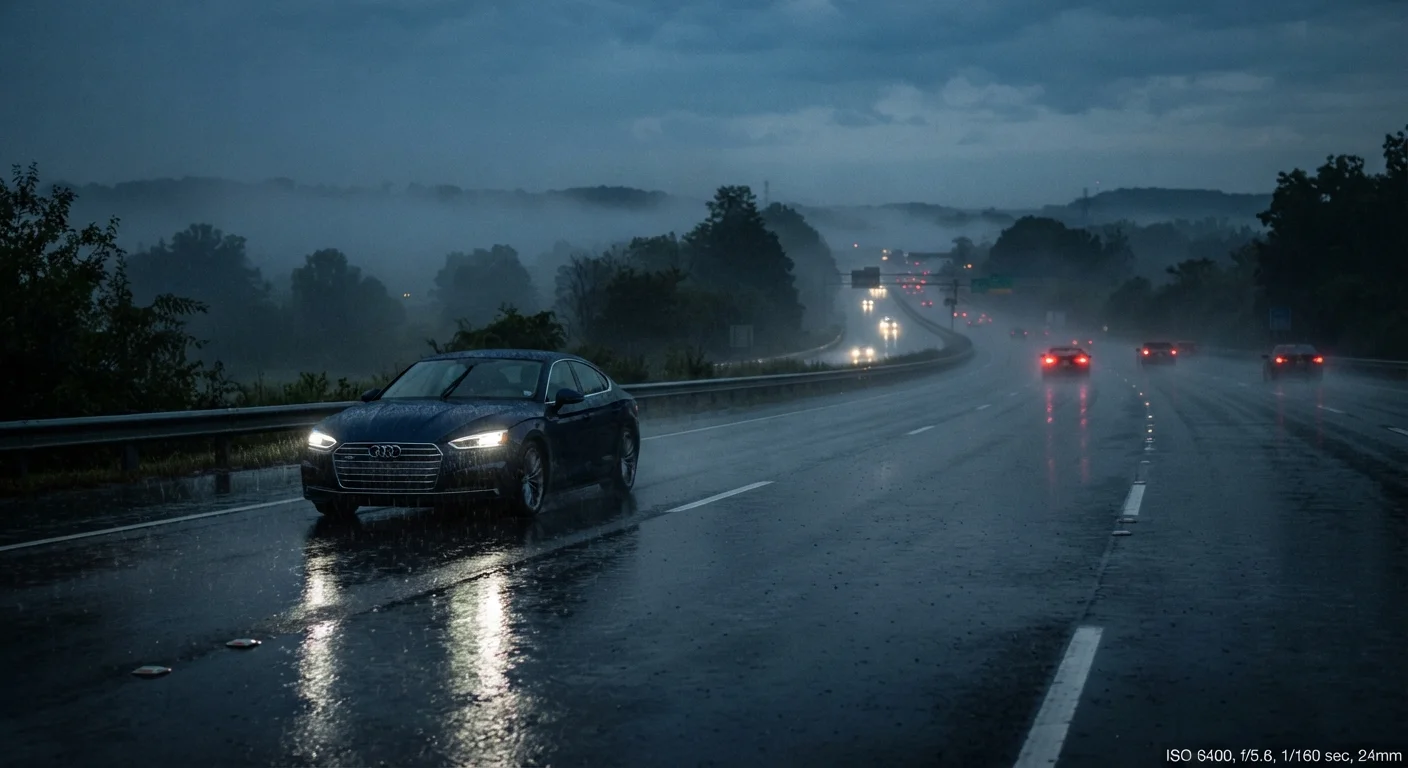
Fog is one of the most underestimated weather hazards. Use your low-beam headlights - high beams scatter off the moisture and reflect back, reducing visibility further. If your vehicle has dedicated front fog lights, use them. Slow down well below the posted limit; your stopping distance needs to fit within what you can actually see. In dense fog, roll down your window slightly so you can hear traffic around you. Increase following distance to at least 5-6 seconds. Fog visibility can change abruptly - a clear patch followed by a sudden wall of fog is common. For more on managing visibility challenges, see the guide to mirrors and vehicle visibility.
Know when to stop driving entirely
No destination is worth a serious crash. If visibility drops to near zero in blizzard whiteout or thick fog, or if roads are glazed with ice and traffic is stalling, the right call is to pull over at a safe location - a well-lit rest stop, gas station, or parking lot - and wait. Many weather-related multi-car pileups involve drivers who pressed on when conditions had become genuinely unmanageable. Checking a weather or road-condition app before leaving and mid-trip can help you make that call with better information rather than wishful thinking.
Practice Makes Reaction Automatic
Smooth braking and gentle steering in adverse conditions are skills that improve with deliberate practice. On a snowy day in an empty parking lot, try slow-speed stops and gentle swerves to get a feel for your vehicle's limits before you need that knowledge on a busy road.
Weather driving connects to other risk factors too. Fatigue, for instance, slows your reaction time - a problem that compounds in low-visibility conditions. If you're already tired before a storm rolls in, that's worth taking seriously. See the guide to fatigue at the wheel for the warning signs. Passengers also change your focus; the article on driving with passengers is worth reading if you regularly carry others through bad weather.
Black Ice Gives No Warning
Black ice looks like wet pavement and offers almost no traction. It forms most readily on bridges, overpasses, and shaded stretches even when air temperature is near but above freezing. If you feel sudden, unexpected looseness in steering, ease off the throttle slowly, hold the wheel steady, and avoid any abrupt braking or turning until your tires reconnect with grippy pavement.
High Beams in Fog Make Things Worse
Switching to high beams in fog is a common instinct - and a mistake. The light reflects off water droplets back toward you, creating a white wall effect that further reduces how far ahead you can see. Always use low beams or dedicated fog lights in foggy conditions.
For a broader look at how environment shapes safe driving habits - from high-speed merges to dense city intersections - see highway vs. city driving safety skills. And if nighttime trips are a regular part of your driving, the companion guide on night driving habits covers the additional visibility challenges that come after dark.