Why Seasonal Maintenance Actually Matters
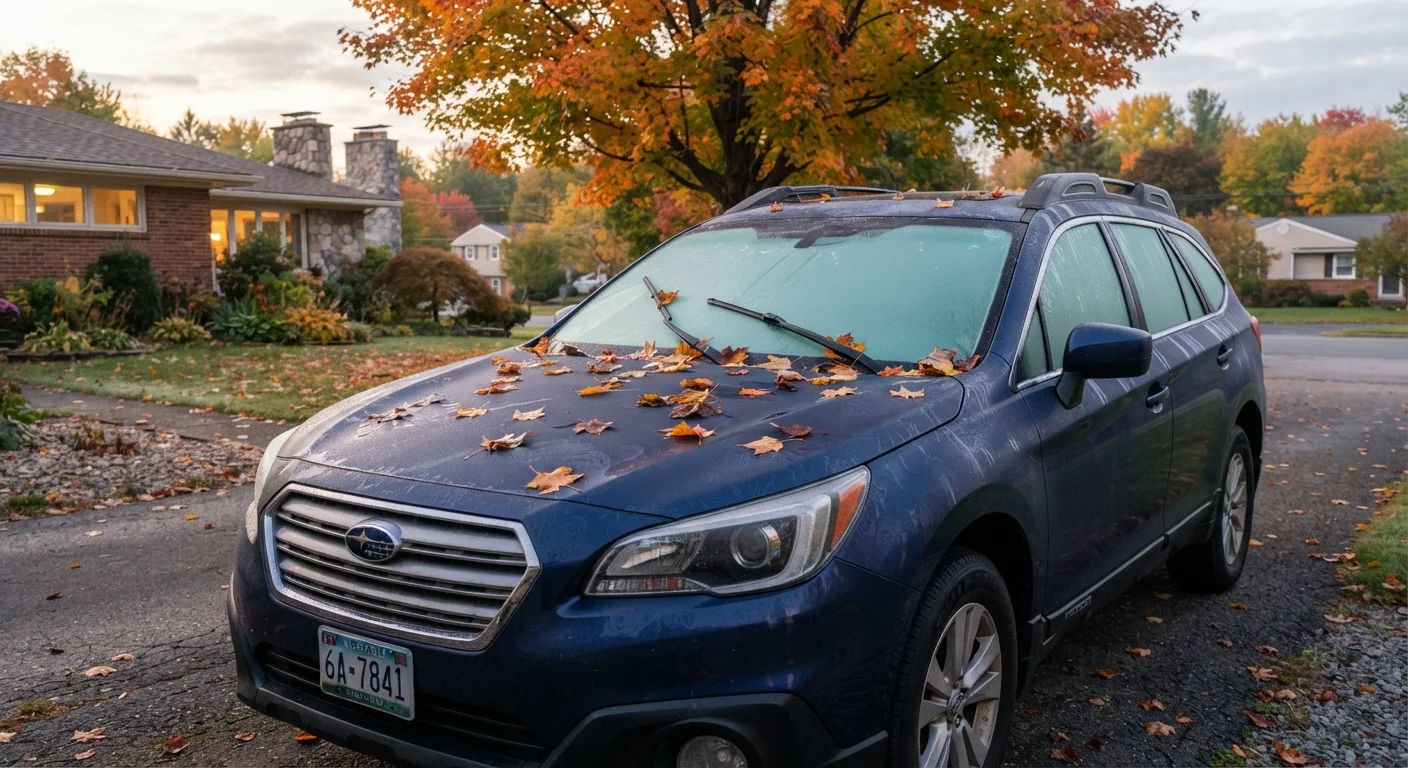
Most car problems don't happen suddenly - they build quietly through neglect, and seasonal transitions are when the pressure peaks. A battery that barely held on through summer can fail completely on the first cold morning of November. Tires inflated correctly in July may be dangerously underinflated by January. These aren't random failures; they're predictable, and they're largely preventable.
Seasonal prep isn't about spending money you don't have. It's about spending a small amount of time and, in some cases, a modest amount on consumables - to avoid a much larger repair bill or a roadside emergency. For a fuller picture of where car ownership costs accumulate, see our Annual Vehicle Cost Audit Checklist.
Use the checklist below as a practical walk-through. Run it twice a year: once as temperatures drop in fall, and again as they rise in spring.
Battery and Electrical
Tires
Fluids
Brakes and Belts
Wipers and Visibility
Tools You'll Need
Most seasonal checks require only a few inexpensive tools. Having them on hand means you can do these inspections yourself rather than paying for a shop visit just to confirm your tire pressure.
Tire pressure gauge
Accurately measures tire inflation so you can adjust to the manufacturer's recommended PSI.
Multimeter or battery tester
Tests battery voltage to identify a weak charge before cold weather causes a no-start situation.
Coolant test strips or hydrometer
Checks the freeze protection level of your antifreeze mix without guessing.
Wire brush or battery terminal cleaner
Removes corrosion from battery terminals to ensure a solid electrical connection.
Flashlight or work light
Makes it easier to inspect belts, hoses, and fluid levels in low-light conditions.
Owner's manual
Provides model-specific fluid specs, tire pressures, and service interval guidance you can't reliably find elsewhere.
What to Pay Closest Attention To
Not every item on this list carries equal risk. Tires, brakes, and your battery are the three systems most directly tied to accident prevention and unexpected breakdowns. If you only have time for part of the checklist, start there.
Never Skip the Tire and Brake Check
Tires and brakes are your primary safety systems - everything else on this checklist matters less if these two are compromised. Worn tires on wet or icy roads and degraded brake pads dramatically increase stopping distances and loss-of-control risk. If you have any doubt about the condition of either system, have a qualified mechanic inspect them before driving in challenging conditions.
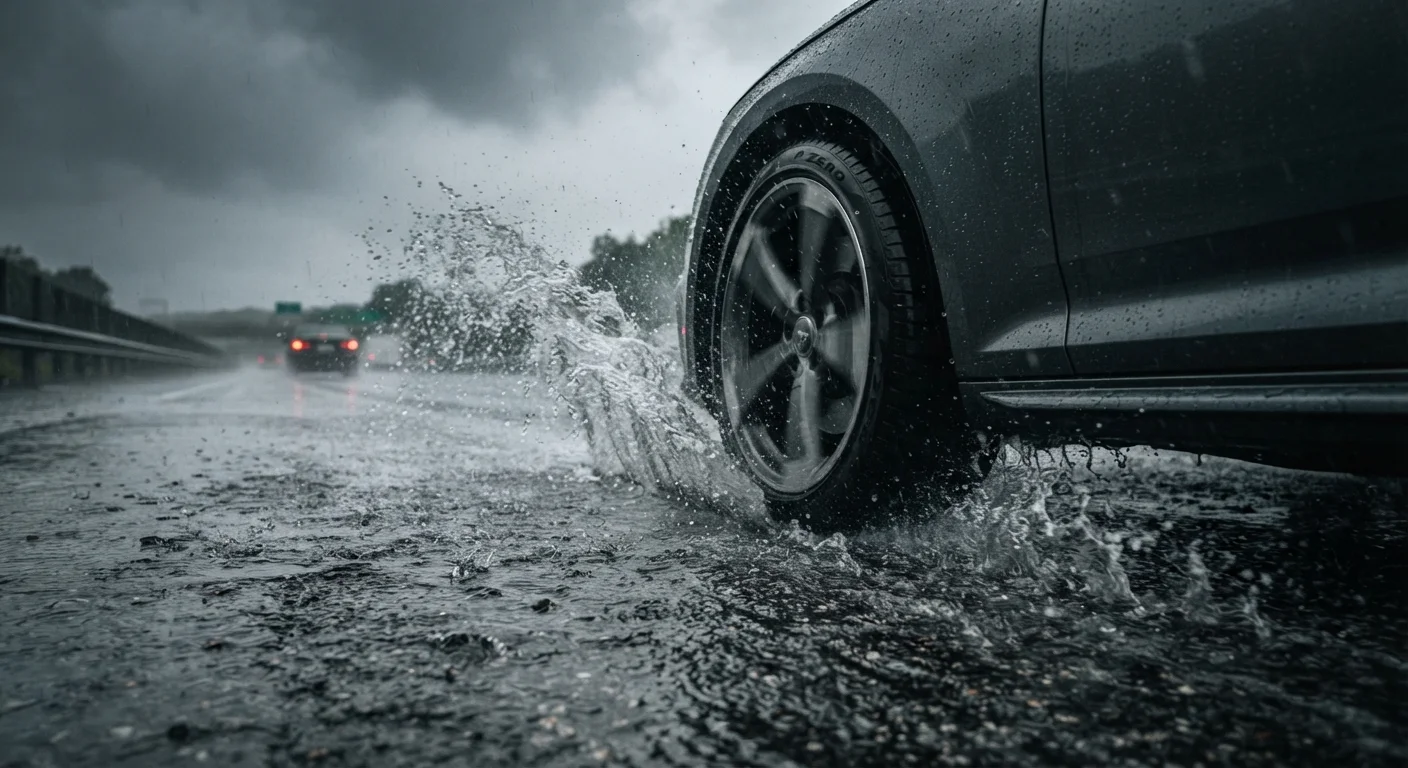
Handling changes significantly in wet and cold conditions regardless of how well-maintained your car is. Review our guide on driving in rain, snow, and fog to pair maintenance readiness with the right driving habits. You should also understand what happens to your car's handling on wet roads - reduced grip and longer stopping distances kick in sooner than most drivers expect.
Don't Mix Coolant Types Without Checking
Modern vehicles use different coolant formulations (OAT, HOAT, IAT), and mixing incompatible types can cause sludge buildup and cooling system damage. Always check your owner's manual before topping off or flushing coolant. When in doubt, a complete flush and refill with the correct type is safer than guessing.
If you're new to car ownership and some of these terms feel unfamiliar, our car maintenance guide for new drivers covers the fundamentals without assuming prior knowledge. And once you've completed your seasonal prep, the pre-trip safety check is a smart daily habit to layer on top.
This article provides general vehicle maintenance information for educational purposes only. Always consult a qualified mechanic before performing repairs you are not confident completing safely. Refer to your vehicle's owner's manual for model-specific guidance on fluids, capacities, and service intervals.