Why a Vehicle Cost Audit Is Worth Your Time
Most drivers have a rough sense of what their car costs them - the monthly payment, maybe the last fill-up. But the actual annual picture is usually much bigger. Fuel, insurance, maintenance, tires, registration, loan interest, and depreciation stack up fast. According to the American Automobile Association (AAA), total annual ownership costs for a new vehicle can exceed $10,000 depending on vehicle type and how much you drive - and used-vehicle owners face their own mix of repair risk and lower financing costs.
The problem isn't that these costs are unavoidable. It's that they're easy to ignore category by category until the year's already gone. A structured audit once a year changes that. It takes less than 90 minutes, and it gives you an honest accounting of where every dollar went - and where future dollars don't have to.
For a full breakdown of what typically makes up your ownership total, see The True Annual Cost of Owning a Car in America. Then use this checklist to audit your own numbers. If you also want to fold this into a broader money review, the Annual Financial Check-Up checklist covers insurance and savings gaps in parallel.
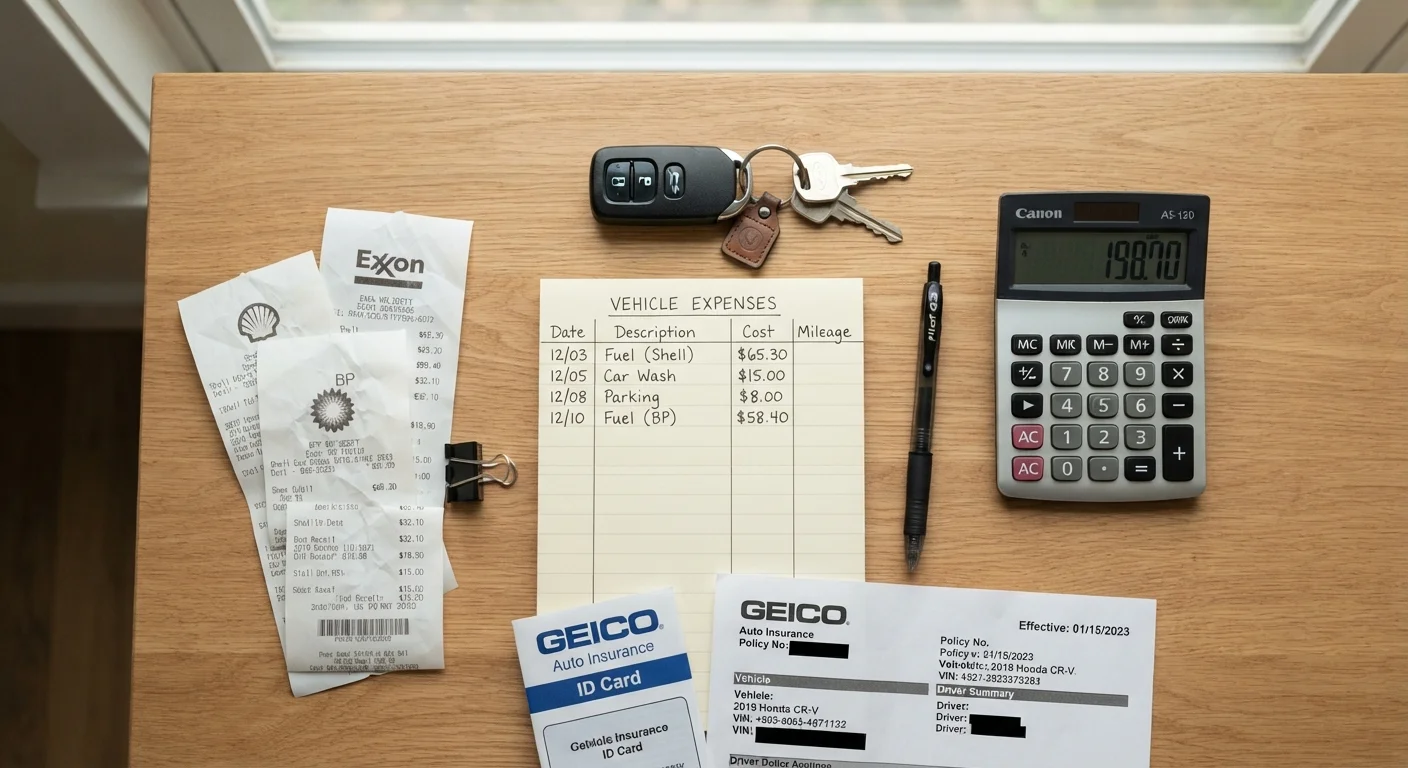
Bank or credit card statements
Used to identify and total actual spending across fuel, insurance, maintenance, and fees over the past 12 months.
Insurance declarations page
Confirms your current coverage levels, deductibles, and premium amounts for accurate audit comparison.
Vehicle owner's manual
Used to cross-check the manufacturer's recommended maintenance schedule against services actually performed.
Maintenance records or receipts
Documents what repairs and services were performed and what each cost throughout the year.
Loan statement or online account
Shows your current interest rate, remaining balance, and total interest paid year-to-date.
Vehicle valuation tool
Provides an estimated current market value for your vehicle to help calculate annual depreciation.
Spreadsheet or notes app
Used to organize and total each expense category so you can compare year-over-year figures clearly.
How to Work Through This Checklist
Set aside a quiet block of time - a weekend morning works well. Pull up your bank statements, insurance declarations page, and any maintenance records you keep (a simple notes app or glove-box folder counts). You don't need accounting software, just honest numbers.
Work through each category below in order. For each item, write down what you actually paid this year. Then ask two questions: Is this number higher than last year? And: Did I get full value for it? Those two questions will surface most of the actionable insights.
This audit complements - but doesn't replace - a regular monthly check-in. If you want a shorter routine for month-to-month spending, The Monthly Budget Reset is a good companion resource. For the mechanical side of keeping costs in check, the Car Maintenance hub covers the upkeep habits that prevent expensive surprises.
Don't Skip the Insurance and Safety Items
It's tempting to focus only on the obvious dollar figures like fuel and loan payments. But insurance coverage gaps and deferred safety maintenance (worn tires, failing brakes) carry the highest financial and physical risk. An undetected lapse in coverage or a safety failure can generate costs that dwarf anything you'd save by skipping those audit items. Work through those categories completely, not just the ones that feel easiest.
Financing & Loan Costs
Insurance
Fuel
Maintenance & Repairs
Tires & Safety Equipment
Registration, Taxes & Fees
Depreciation & Resale Value
After the Audit: What to Do With What You Find
Once you've worked through every category, total your actual annual spend and compare it to what you budgeted - or what you spent last year if you have those numbers. A gap of 10-15% in any single category is worth investigating. A gap over 20% usually points to a specific event: a rate increase, a repair you absorbed without adjusting your budget, or a habit change like a longer commute.
Prioritize action on the items you marked as must - insurance coverage verification, loan rate review, and tire/safety checks have the largest downside risk if neglected. Items in the should and nice-to-have tiers are still worth addressing, but schedule them over the next few months rather than trying to fix everything at once.
For habits that keep long-term ownership costs from creeping up year after year, Keeping Long-Term Ownership Costs Under Control covers the practical approaches that consistently make a difference. And if your vehicle is coming up on its annual state inspection, What an Annual Vehicle Inspection Actually Checks explains what inspectors examine and why it matters for both safety and cost.
This Audit Is General Information, Not Financial Advice
The categories and questions in this checklist are intended to help you organize and understand your own vehicle expenses. They are not personalized financial, insurance, or legal advice. For decisions about refinancing a loan, changing your insurance coverage, or making major financial moves, consult a licensed professional who can evaluate your specific situation.