Why the Sticker Price Is Just the Beginning
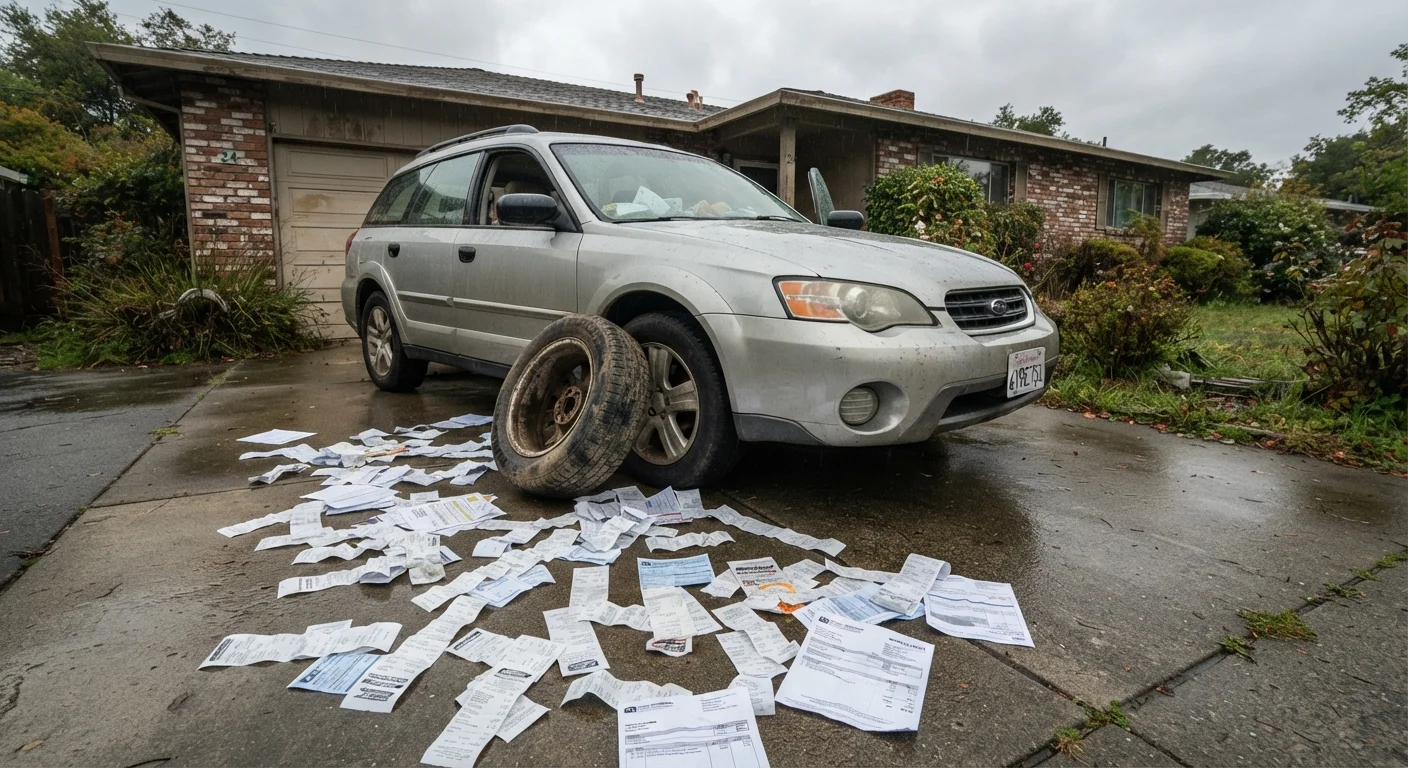
Most drivers focus on the monthly payment when budgeting for a car. It's the number on the dealer's sheet, the figure that fits into a spreadsheet. But that payment - whether for a loan or a lease - covers only a fraction of what you'll actually spend.
According to AAA's annual driving cost study, the average American spends well over $10,000 per year to own and operate a new vehicle. For many households, that makes car ownership the second-largest budget item after housing. Yet most people have only a rough sense of where that money actually goes.
Understanding the full cost picture isn't about discouraging car ownership - most Americans need a vehicle. It's about making better decisions: which car to buy, how long to keep it, and where you can realistically cut costs. For a complete financial view from purchase through resale, see car ownership costs from purchase to resale.
$10,000+
Average annual cost to own and operate a new vehicle
According to AAA's annual 'Your Driving Costs' study, which covers depreciation, fuel, insurance, maintenance, and fees.
15-25%
New car value lost in the first year
Depreciation rates vary by vehicle type, brand, and market conditions, but new vehicles consistently lose value fastest in year one.
~15,000
Average miles driven annually by U.S. drivers
Based on Federal Highway Administration data, this figure underpins fuel cost and depreciation estimates for a typical American driver.
The Six Major Cost Categories
Ownership costs break down into six distinct categories. Each one is real money leaving your pocket, even if some of it feels invisible.
1. Depreciation
This is the big one that most drivers undercount. Depreciation is the loss in your vehicle's market value over time. A new car can drop 15-25% in value during its first year. Over five years, total depreciation on a new mid-size sedan can easily exceed $15,000 - more than fuel and insurance combined. Learn how depreciation works and why it varies before you commit to a vehicle.
2. Fuel
Fuel costs depend on your vehicle's fuel economy, how many miles you drive annually, and local gas prices. The average American drives around 15,000 miles per year. At typical U.S. fuel economy and gas prices, annual fuel costs for a gas-powered vehicle commonly land in the $1,500-$2,500 range.
3. Insurance
Auto insurance is legally required in nearly every state, and premiums vary dramatically by location, vehicle type, driving history, and coverage level. Annual premiums for full coverage on a typical vehicle range from roughly $1,200 to over $2,500 in higher-cost states. This is a cost worth shopping carefully and reviewing annually.
4. Maintenance and Repairs
Routine maintenance - oil changes, tire rotations, filters, brake pads - typically costs $500-$900 per year for a well-maintained vehicle. Unplanned repairs are harder to predict but should factor into any honest budget. Older vehicles tend to cost more here. For maintenance schedules and cost-saving tips, visit our car maintenance hub.
5. Financing Costs
If you borrowed money to buy your vehicle, interest charges are a real cost of ownership. On a $30,000 loan at a moderate interest rate over 60 months, total interest paid can reach several thousand dollars over the loan term.
6. Fees, Taxes, and Registration
Annual registration fees, state and local taxes, emissions testing, and in some states personal property taxes on vehicles add up. These vary widely - from under $100 to several hundred dollars per year depending on where you live and what you drive.
Track Every Category, Not Just the Payment
Create a simple spreadsheet with all six cost categories - depreciation (estimate based on vehicle value decline), fuel, insurance, maintenance, financing, and fees. Total them annually. Most drivers are surprised to find their actual cost is 40-60% higher than their monthly payment suggests. That gap is where budget planning typically breaks down.
New vs. Used: How the Numbers Shift
One of the most common questions drivers face is whether a new or used vehicle is the smarter financial move. The answer depends on which cost categories matter most to you.
New vehicles carry the steepest depreciation, highest insurance premiums, and often higher purchase prices - but they typically come with warranties that absorb repair costs for several years. Used vehicles sidestep the worst depreciation but may bring higher maintenance and repair exposure, especially as mileage climbs.
For a detailed look at how these tradeoffs play out in real numbers, see new car vs. used car ownership costs. It's worth running actual numbers for any specific vehicle before assuming one path is always cheaper.
Drivers who want to stress-test their assumptions before buying should also read common assumptions about car ownership that lead to budget surprises.
Building a Realistic Budget Around True Ownership Costs
The practical goal here isn't just awareness - it's building a budget that reflects reality. A few steps make a meaningful difference:
- Add up all six cost categories for your current or prospective vehicle, not just the payment.
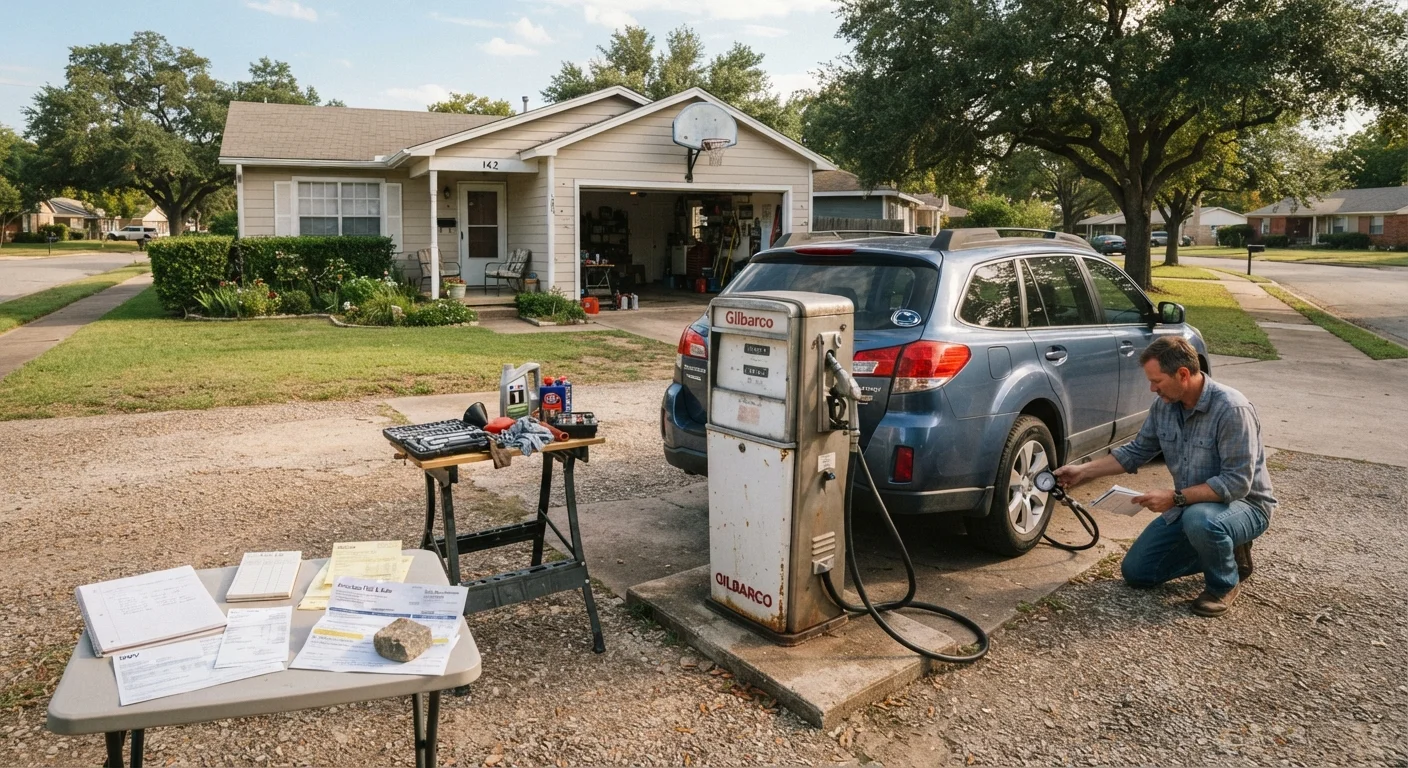
- Use an annualized maintenance reserve. Setting aside $75-$125 per month specifically for maintenance and unexpected repairs smooths out the lumpy nature of these costs.
- Factor in your location. Insurance rates, fuel prices, registration fees, and taxes all vary significantly by state and city.
- Revisit your insurance annually. Coverage needs and competitive rates change - a review each year is worth the time.
For a step-by-step approach to calculating a true monthly vehicle cost, our realistic monthly car budget guide provides a practical framework. And if you want help managing the broader picture of household spending, the budgeting basics hub offers foundational strategies that apply directly here.
This article provides general financial information for educational purposes and does not constitute personalized financial or legal advice. Costs cited are general estimates based on industry data and will vary significantly based on individual circumstances, vehicle type, location, and market conditions. Consult a qualified financial professional for guidance specific to your situation.