
Why Budget Surprises Keep Happening
Most car buyers do some version of the same math: monthly payment divided by take-home pay. If the number looks manageable, they sign. The problem is that the payment is only one piece of a much larger financial picture - and the other pieces rarely announce themselves clearly at the dealership.
Ownership assumptions get formed early: ads emphasize low monthly payments, friends talk up a specific model's reputation, and the idea that a fuel-efficient car is inherently cheap to run spreads because it sounds logical. These assumptions aren't entirely wrong - they're just incomplete. And incomplete math has a way of catching up with your bank account.
Building a realistic monthly car budget means going beyond the loan payment to include everything the vehicle will actually demand from your wallet each month.
Myth
If I can afford the monthly payment, I can afford the car.
Fact
The monthly loan or lease payment typically covers only a fraction of what you'll actually spend to own and operate a vehicle.
Insurance, fuel, routine maintenance, registration fees, and unexpected repairs can collectively exceed the car payment itself - sometimes by a wide margin. Industry estimates from sources such as AAA consistently place average annual ownership costs well above what most buyers budget when they focus only on the loan payment. For a fuller breakdown, see the true annual cost of owning a car in America.
Myth
Buying a car known for reliability means it will be cheap to own.
Fact
Reliability ratings measure how often problems occur, not how much repairs cost or what insurance will run in your ZIP code.
A vehicle with a strong reliability record can still carry high parts costs, steep dealer labor rates, or above-average insurance premiums depending on the model, trim, and your location. Ownership economy is shaped by multiple variables - reliability is one important factor, but total cost of ownership is the more complete picture. Comparing new vs. used ownership economics is a useful next step when evaluating any specific model.
Myth
Better fuel economy always means lower running costs.
Fact
Fuel savings are real but can be offset by higher purchase prices, hybrid battery servicing, or other model-specific costs.
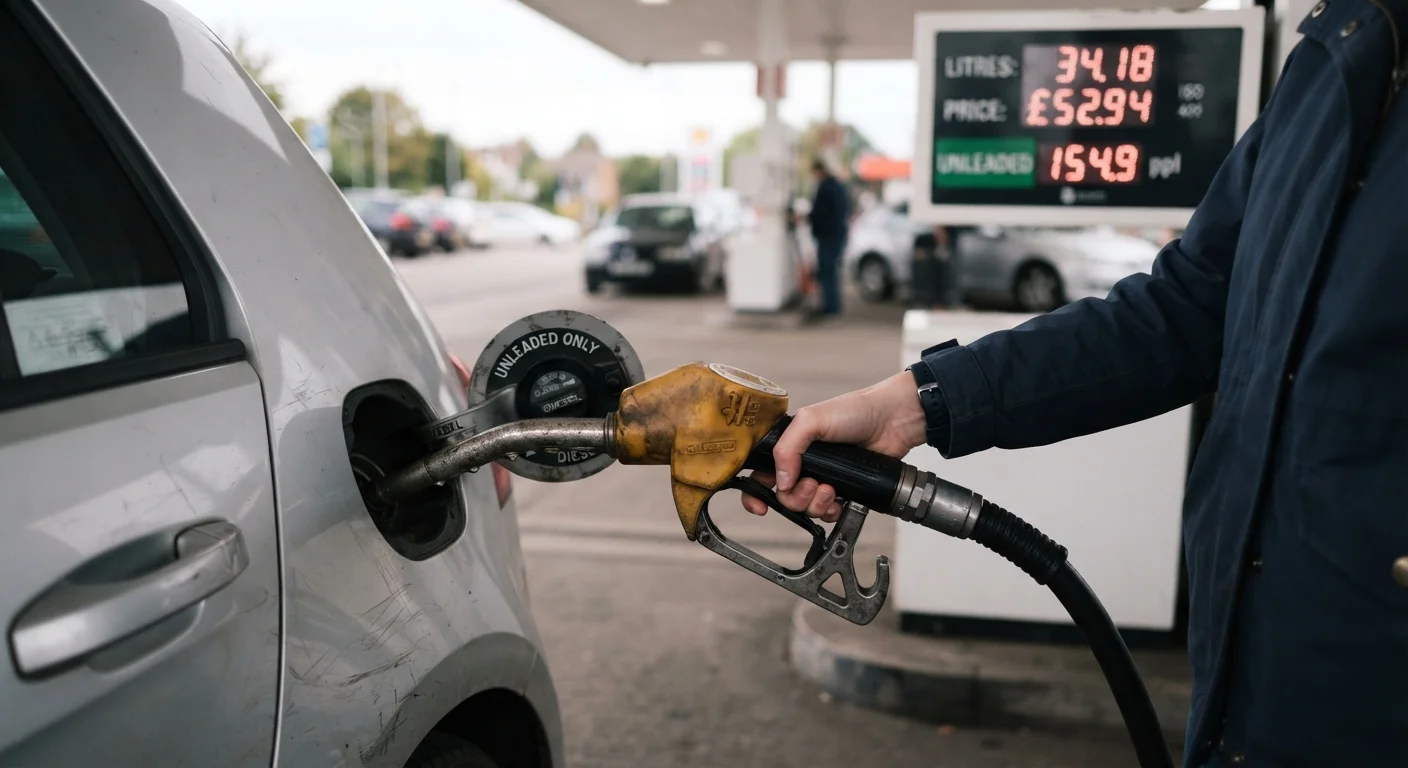
A more fuel-efficient vehicle can reduce your annual fuel spend significantly - but only if your driving patterns, mileage, and local fuel prices align with the math. How much you actually save depends heavily on how and how much you drive. Fuel costs over time and how MPG shapes spending walks through the real numbers behind those trade-offs.
Myth
A used car is always the budget-smart choice.
Fact
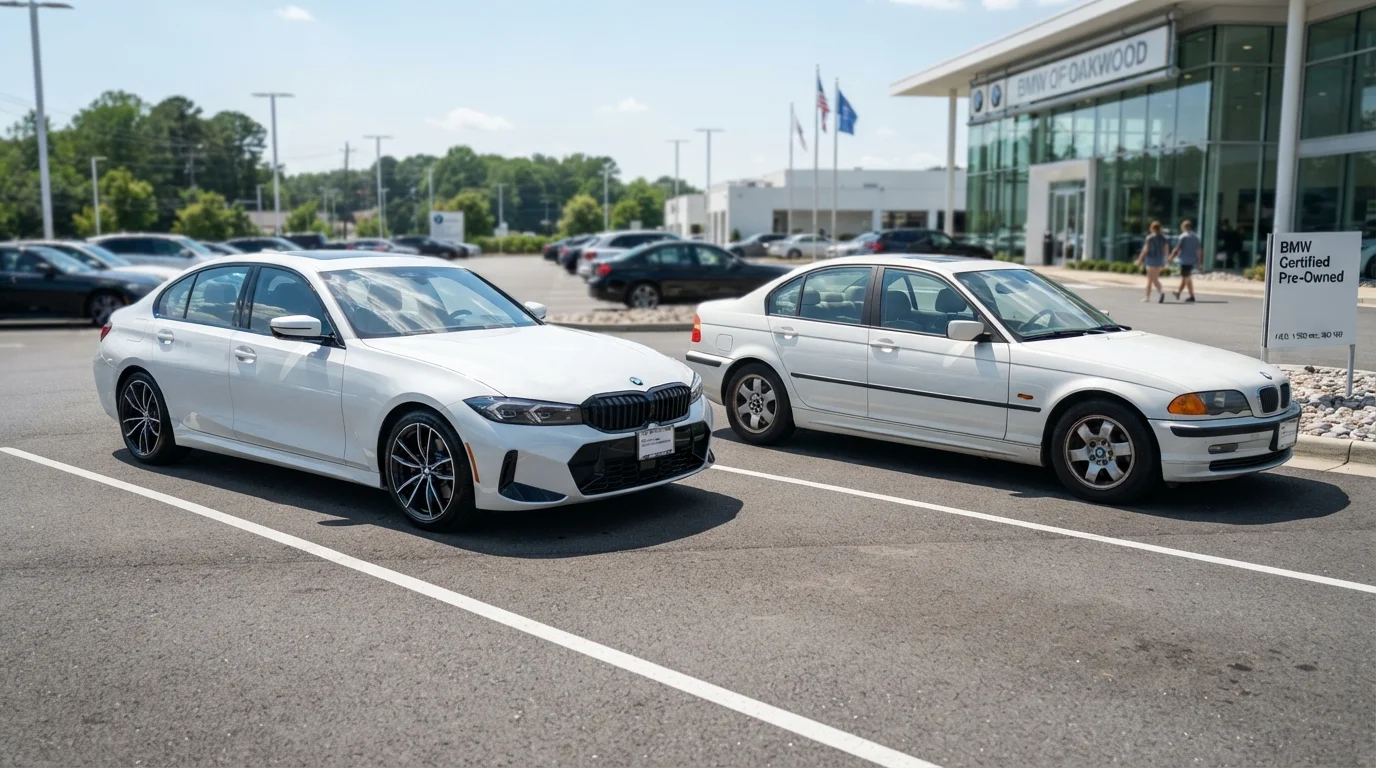
Used cars carry lower purchase prices, but older vehicles often bring higher near-term repair frequency and may lack warranty coverage.
The financial case for buying used is strong in many situations - depreciation has already been absorbed by the first owner. But a used vehicle with deferred maintenance or aging components can generate repair bills that close the gap quickly. Building an emergency fund specifically for car repairs is essential for used-car buyers. Hidden ownership expenses covers the line items that rarely show up in initial budget planning.
Myth
Depreciation doesn't matter unless I plan to sell soon.
Fact
Depreciation affects your net worth and financial flexibility even if you hold the car for many years.
Depreciation is typically the single largest cost of car ownership over a five-year period - often exceeding what drivers pay in fuel and maintenance combined. Even if you keep the vehicle until it has little resale value, the asset you purchased has eroded. Ignoring depreciation in budget planning can create a significant gap when it's time to replace the vehicle. Car ownership costs from purchase to resale maps the full financial lifecycle.
The Hidden Weight of Depreciation and Fixed Costs
Two categories of ownership cost that don't show up on a monthly statement - depreciation and fixed overhead - tend to do the most budget damage because they're easy to ignore.
$12,000+
Average annual cost to own a new vehicle
AAA's annual 'Your Driving Costs' study has placed average new vehicle ownership costs above $12,000 per year in recent editions, including depreciation, insurance, fuel, and maintenance.
~50%
Share of ownership cost from depreciation and financing
Depreciation and financing interest together often account for roughly half of a vehicle's five-year ownership cost, according to vehicle cost research from consumer and industry sources.
Depreciation is the gap between what you paid and what the car is worth now. It happens whether you drive the car or not. Fixed costs - insurance, registration, and financing interest - run whether you use the vehicle heavily or barely at all. Together, these can account for more than half of total annual ownership cost, according to data from organizations like AAA that track vehicle ownership expenses.
If you're weighing a one-car versus two-car household, these fixed costs multiply in ways that may not be immediately obvious. The full household cost picture of one car vs. two provides a structured way to think through that decision.
Don't Confuse Purchase Price With Cost to Own
A lower sticker price reduces your loan balance but does not cap what you'll spend over time. Insurance, fuel, and maintenance costs are set by the vehicle type, your location, and your usage - not the deal you negotiated. A lower price tag doesn't always mean a better deal - this applies to vehicles as much as any other major purchase.
For drivers who also rent their homes, it's worth noting that financial blind spots extend beyond vehicles - myths about renters insurance show a similar pattern of underestimating coverage gaps. And when reviewing your full household budget, budgeting basics offers practical frameworks for tracking all spending categories in one place.