Why MPG Is a Financial Number, Not Just a Technical One
Most drivers think of MPG as a spec on a window sticker - something to glance at and move on. In practice, it functions more like an interest rate on a loan: a small difference compounds into a large dollar figure over time.
The math is straightforward. Take two vehicles, one rated at 25 MPG and another at 35 MPG. Driven 15,000 miles a year at $3.50 per gallon, the 25 MPG vehicle costs roughly $2,100 in fuel annually. The 35 MPG vehicle costs about $1,500. That $600 annual gap doesn't feel dramatic until you multiply it across five years: $3,000 - enough to cover a year of insurance or a significant repair bill.
Fuel is part of a larger ownership picture. For a full breakdown of what a vehicle really costs to own, see The True Annual Cost of Owning a Car in America.
$3,000+
5-year fuel savings from 10 MPG improvement
Based on 15,000 miles annually at $3.50/gallon, moving from 25 MPG to 35 MPG generates roughly $600/year in savings.
15-30%
Fuel economy lost to aggressive driving
U.S. Department of Energy data shows hard acceleration and braking in city conditions can reduce MPG by this margin.
15,000
Average annual miles driven by U.S. drivers
The Federal Highway Administration reports this as the approximate annual average, used as a standard benchmark for fuel cost estimates.
How Driving Patterns Shape Your Actual Fuel Spend
The EPA publishes separate city, highway, and combined MPG ratings for a reason: where you drive matters as much as what you drive. City driving involves frequent stops, engine idling, and cold starts - all of which burn fuel without moving you far. Highway driving is more efficient in most vehicles, though that advantage shrinks at speeds above 65 mph due to increased aerodynamic drag.
A driver whose commute is mostly stop-and-go urban traffic will often see real-world fuel economy 20% or more below the EPA highway rating. A predominantly highway driver might approach or even match the EPA combined figure on a good day.
Quick Wins for Real-World Fuel Economy
Keep tires inflated to the manufacturer's recommended PSI - underinflation alone can reduce MPG by 0.5% for every 1 PSI drop across all four tires. Avoid idling for more than a minute or two; a modern engine uses less fuel restarting than idling for extended periods. When highway driving, use cruise control on flat terrain to eliminate the small speed fluctuations that quietly waste fuel.
Driving habits layer on top of route type. Hard acceleration, late braking, and running the air conditioning at maximum constantly are each measurable fuel drains. Research from the U.S. Department of Energy consistently shows that aggressive driving can reduce fuel economy by 15-30% in city conditions and 5-10% at highway speeds. Maintaining steady speed, anticipating traffic flow, and keeping tires properly inflated are among the most accessible ways to close the gap between rated and real-world MPG.
Running the Numbers: What a 10 MPG Difference Really Costs
To make the math concrete, consider three common MPG tiers and what each costs annually at 15,000 miles and $3.50 per gallon:
| Vehicle MPG | Annual Fuel Cost | 5-Year Fuel Cost |
|---|---|---|
| 20 MPG | $2,625 | $13,125 |
| 30 MPG | $1,750 | $8,750 |
| 40 MPG | $1,313 | $6,563 |
Moving from 20 MPG to 30 MPG saves $875 per year - nearly $4,400 over five years. The jump from 30 to 40 MPG saves another $437 annually. These figures shift meaningfully if gas prices rise or if you drive more than average.
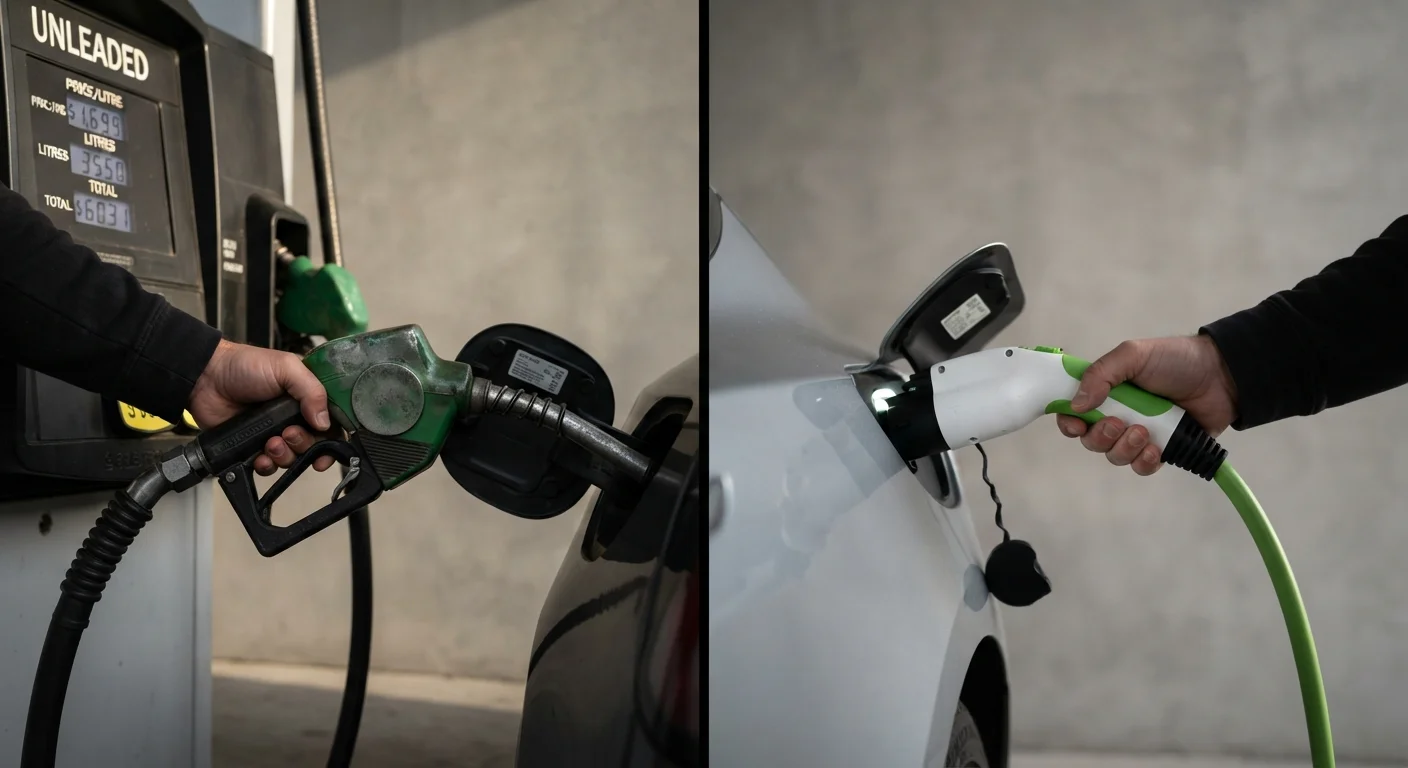
If you're considering an electric vehicle as part of this comparison, the operating cost story changes considerably. See Gas vs. Electric: Comparing the Operating Costs Mile for Mile for a detailed look at how fuel and charging costs compare.
Putting Fuel Cost in the Context of Your Full Budget
Fuel efficiency is one lever in a larger financial equation. A vehicle with excellent MPG can still be expensive to own if insurance, financing costs, or maintenance requirements are high. Conversely, a less efficient vehicle that's paid off and cheap to insure may cost less overall than a fuel-sipping car with a heavy monthly payment.
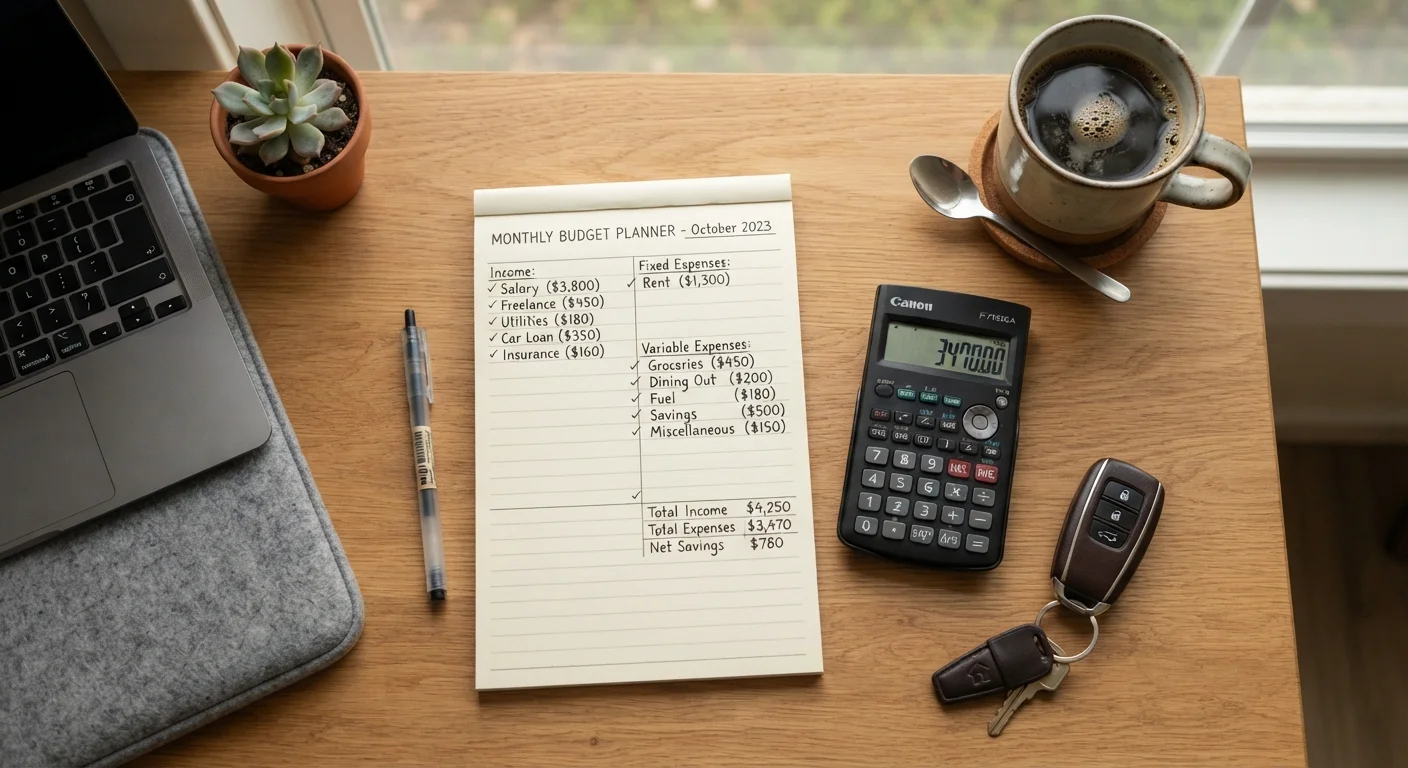
The practical approach is to calculate fuel cost as a line item in your total monthly vehicle budget - not treat it as an afterthought. If you drive 1,250 miles per month at 30 MPG and $3.50 per gallon, fuel costs roughly $146 per month. That figure belongs in your budget alongside insurance and the car payment.
For a structured way to build that budget, Building a Realistic Monthly Car Budget walks through the process step by step. And if your ownership costs are consistently higher than expected, Assumptions About Car Ownership That Lead to Budget Surprises examines the common beliefs that catch drivers off guard.
Fuel cost is also worth monitoring over time, not just at purchase. A vehicle that delivered 30 MPG when new may drop to 26 MPG if maintenance falls behind - dirty air filters, worn spark plugs, or underinflated tires all reduce efficiency. Keeping up with routine service protects your fuel economy as much as your engine. Car Maintenance covers the upkeep basics that directly affect how efficiently your vehicle runs.